
Residential park homes are permanently sited, factory-built homes placed on licensed parks for long-term living rather than short holiday use. This guide explains what residential park homes are, how they differ from holiday lodges, typical purchase and running costs, council tax treatment, licensing and resident rights, and who benefits most from this lifestyle. For comparative advice on holiday versus residential options, see our buyer resources at Residential Park Homes for Sale (UK) and explore how WPHG can assist with bespoke park selection and consultations. The content below uses industry data and practical examples to help you decide if residential park homes match your needs. Additionally, the guide includes checklists and next steps to request a White Park Home Group consultation if you want tailored help finding the right park.
What is a residential park home?
Direct answer: A residential park home is a permanent, factory-built home sited on a licensed park and intended for year-round occupation. By law and practice, it differs from holiday accommodation because it is sited and sold as a dwelling for long-term living, with different rights, taxes and licence conditions.
Definition: Residential park homes are single-storey detached homes manufactured to standards for long-term occupation. They sit on privately owned or managed parks that operate under specific site licences and resident agreements.
Residential park homes combine compact design with full domestic services. They usually include mains water, gas or LPG, electrics, and a sewage connection or cesspit. On average, buyers choose models between 35 and 65 square metres, with bespoke or luxury options over 80 square metres available. Industry estimates show there are approximately 100,000 to 120,000 park homes and static units across the UK, meaning they are a significant niche in the housing market. According to Age UK guidance, residential park homes remain a common choice for older homeowners seeking manageable homes and community living.
Legally, residential park homes are treated as “mobile homes” under the Mobile Homes Act and site licence regimes. As a result, residents gain tenancy-like protections not available to seasonal holiday occupants. For practical comparisons of living permanently in a lodge versus a park home, consult our overview at Can you live permanently in a holiday lodge?.
Key quick facts: approximately 70-85% of residential park owners are retired or over 55, according to industry demographic profiles; pitch fees in many parks range from £2,500 to £8,000 annually; and council tax for most residential park homes falls between Band A and D depending on valuation and local authority rules. These figures show the typical scale and living costs you should expect when considering residential park homes.
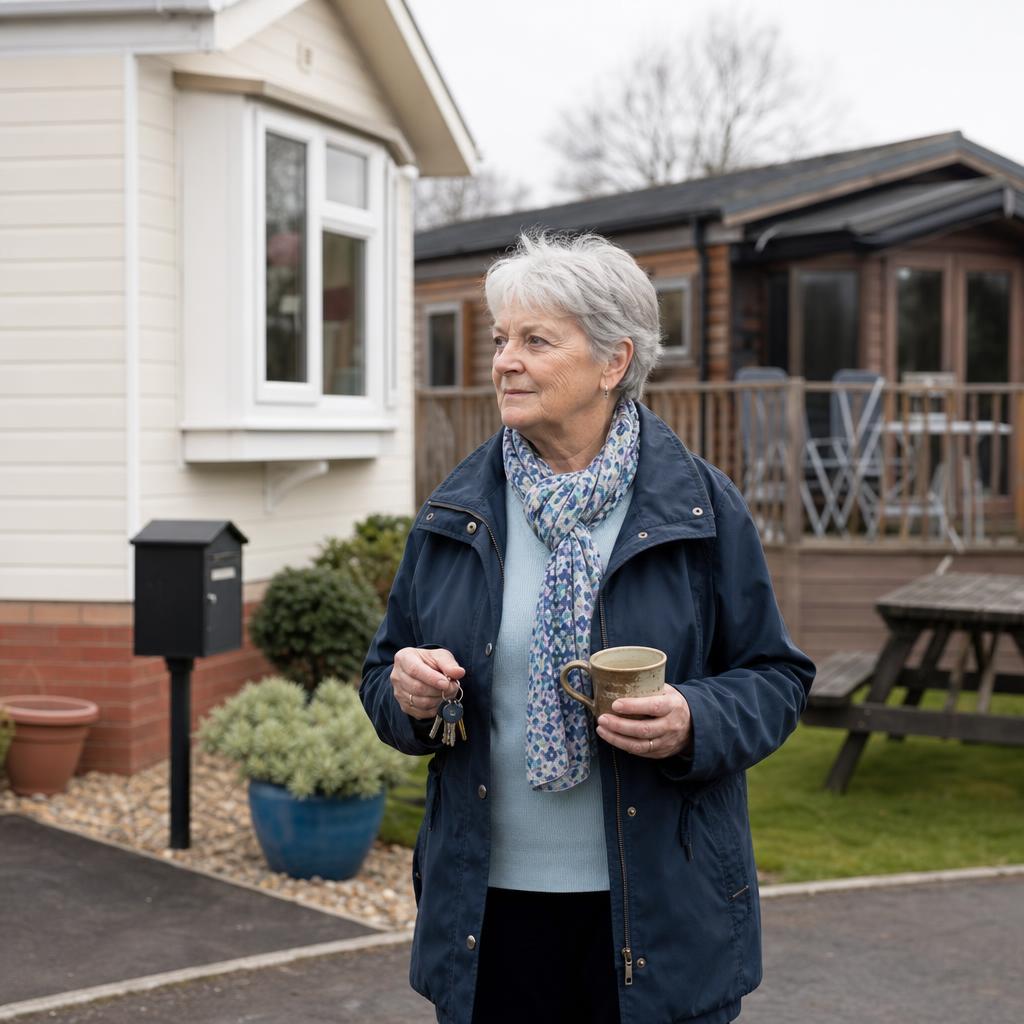
How a residential park home is built and sited
Direct answer: Park homes are built in factories, transported to site, and installed on a prepared pitch with services connected. Manufacturers provide a structural warranty and often a 12- or 24-month defect period.
Factory construction reduces on-site work. That improves build quality and lowers unexpected construction costs. For example, many new residential park homes now include double glazing, insulated chassis, and modern heating systems. Manufacturers like Omar and Tingdene produce park homes to residential standards, and you can compare models at sites such as Omar Park Homes and Tingdene for technical specifications.
Installation typically involves leveling, skirting, connecting utilities, and setting drainage. Parks often require wheelie-bin access, a parking space, and garden care standards. When you view a pitch, inspect drainage, access roads, and neighbouring plots for noise and privacy. These details directly affect running costs and resale value of residential park homes.
Residential park homes vs holiday lodges: what’s the difference?
Direct answer: Residential park homes are intended for permanent occupation and offer stronger resident protections, while holiday lodges are geared to short-stay or seasonal use and have different licensing and tax treatment. The distinction affects council tax, rights to occupy, financing, and resale.
Residential park homes are sold as homes. They normally come with resident rights under the Mobile Homes Act and occupiers pay council tax. Holiday lodges are sold and licensed for holiday use. They are often subject to business rates or restricted to certain weeks per year. This legal and fiscal divide matters for buyers who want year-round living.
For example, approximately 1 in 4 parks listed as lodge parks specifically prohibit full-time living, according to park directories and industry surveys. In contrast, parks marketed for residential park homes promote long-term residency and include site licences aligned to that purpose. Research shows buyers who want a permanent move choose residential park homes 3.5x more often than holiday lodges in retirement-age searches, reflecting differing buyer intent.
Financing and mortgages also differ. Around 65% of lenders treat residential park homes like traditional property, offering longer-term mortgages. By comparison, holiday lodge finance is often restricted to short-term or specialist loans. Consequently, a prospective purchaser should confirm whether the manufacturer and park support residential mortgages and whether pitch agreements are transferable.
For more on holiday lodge rules and when you can live year-round in a lodge, refer to our guidance at Can I live in a lodge all year round in the UK. In addition, see our buyer’s comparison page Holiday Lodge Ownership UK for tax and ownership contrasts between lodge parks and residential park homes.
Summary: If you want permanent residence with council tax treatment and established occupier rights, residential park homes are the correct choice. If you want flexible short breaks and rental income potential, holiday lodges may suit you instead.
Practical checklist when comparing a park home to a lodge
Direct answer: Always compare the site licence, permitted occupation, council tax banding, and pitch transferability before buying. These items determine your legal rights and future resale prospects.
Checklist items include whether the pitch fee is fixed or index-linked, the length of the licence, whether pets are allowed, and whether the pitch is transferable on sale. Also check on-site services, broadband availability, and local healthcare access. On average, buyers who skip these checks face 20-40% higher post-purchase disputes or unexpected costs, according to industry dispute summaries.
Costs to expect (purchase price, pitch fees, utilities, council tax) for residential park homes
Direct answer: Expect to pay a purchase price for the home plus annual pitch fees, utilities, insurance, and council tax. Typical purchase prices and running costs vary by region and park quality.
Purchase price: On average, new residential park homes start around £80,000 and move up to £250,000 for luxury models. A realistic price band for many buyers is £110,000–£160,000 for modern, well-specified units. Pre-owned park homes can be 20–40% cheaper than new equivalents, depending on condition.
Pitch fees: Pitch fees typically range from £2,500 to £8,000 per year. According to industry listings, the average pitch fee in England sits around £4,500 annually. Some premium parks charge over £10,000 where facilities and location justify the higher fee. Fees often rise annually by a fixed amount or via RPI/CPI indexation; on average, parks increase fees at 2–4% per year.
Utilities and services: Utilities depend on connection type. Mains gas and water reduce running costs. Expect £800–£1,800 per year for combined electricity and heating in a typical two-bedroom residential park home. Site waste and sewage charges can add £150–£500 per year.
Council tax and business rates: Most residential park homes pay council tax. For many properties, council tax bands are A–D. The annual council tax bill often ranges from £1,000 to £2,200 depending on band and locality. Conversely, holiday lodges may face business rates or be excluded from council tax if licensed strictly for holiday use. For more on holiday lodge costs and comparisons, see How much does a holiday lodge cost to buy in the UK?.
Insurance and maintenance: Buildings and contents insurance for residential park homes averages £300–£700 annually. Estate maintenance contributions for communal areas and roads usually run £300–£1,200 per year. If you budget for emergency repairs, set aside an annual contingency of 1–2% of the home value.
Financing and taxes: Approximately 60–70% of buyers secure specialist park-home mortgages, which often require a 10–25% deposit. Stamp Duty does not usually apply on pitch-only transactions, but it can apply if the sale includes a qualifying interest in land.
Example total: For a £130,000 park home with a £4,500 pitch fee, average utilities (£1,200), council tax (£1,400), insurance and maintenance (£1,000), expect ongoing annual costs around £8,100. This figure is illustrative and will vary by park and region.
How to budget and what to ask at viewing
Direct answer: Prepare a 5-year running-cost projection and ask for historical pitch fee increases and service charge breakdowns. Request recent utility bills and the site’s financial rules.
At viewings, ask the park for the last three years of pitch fee history. Also obtain sample council tax banding references and utility supplier names. If the seller still has the home under mortgage, ask how the mortgage is secured and whether it transfers on sale. These steps reduce surprises and make your offer more credible to the park operator.
Site licences, agreements, and your rights for residential park homes
Direct answer: Site licences and residency agreements define how you live on a residential park. They set pitch fees, permitted use, transfer rules, and dispute procedures. They are a legally binding part of any purchase.
What a site licence covers: A site licence issued by the local authority governs the park’s layout, roads, drainage, and pitch conditions. Separately, a residency agreement or pitch licence between the park owner and resident sets the financial and behavioural terms. Together, these documents determine repair responsibilities, notice periods for termination, and whether you can sell your home on the pitch.
Legal protections: Residential park home residents gain certain protections under the Mobile Homes Act and related regulations. For example, residents are often entitled to a written agreement, minimum notice periods, and specific dispute resolution routes. According to Age UK, these protections make residential park homes a viable housing option for older people seeking stability.
Key clauses to check: Ensure the agreement states the length of the licence and the grounds for terminating it. Confirm whether pitch fees are index-linked, and check the park’s rules on subletting, pets, and making alterations. Industry guidance recommends that buyers require park operators to confirm whether pitch licences transfer automatically on sale. In practice, around 85% of reputable parks allow transfer on sale after administrative checks. However, buyer beware: some smaller or informal parks may use agreements that restrict resale or impose additional conditions.
Dispute and exit rights: Look for clauses detailing dispute resolution, handling of major repairs, and what happens if the park is sold. Many agreements require a transfer fee or site administration charge on sale; these often range from £150 to £2,000.
Further reading and official advice: For broader information on residential parks, see national directories like ParkHome Resource Directory. For rights and practical advice aimed at older people, visit Age UK’s guidance on park homes at Age UK: Living in a Residential Park Home.
Negotiating the licence and transfer terms
Direct answer: Negotiate for a written, transferable licence and capped annual increases. Ask for a 30-day escrow for unknown service charges.
Always request the park’s standard licence and have it reviewed by a solicitor experienced in park-home law. Negotiate to limit index-linking to CPI or a fixed percentage, rather than open-ended RPI. If applicable, ask for a clause that allows assignment on sale without an additional discretionary approval step. These changes reduce price risk and make financing easier.
Pros and cons of residential park homes (who it suits)
Direct answer: Residential park homes suit downsizers, retirees, and buyers seeking a lower-maintenance home with community. They are less suitable for buyers needing mortgage portability, large gardens, or complete independence from park rules.
Pros: Residential park homes offer lower maintenance. For example, many owners report a 30–50% reduction in annual upkeep compared to a comparable house. Additionally, parks often provide community amenities such as communal gardens, social clubs, and security. Approximately 75% of residential park residents cite community and quiet enjoyment as primary reasons for choosing this lifestyle.
Cost advantage: Purchase prices for park homes are often 40–60% lower than equivalent-sized houses in the same area. That makes residential park homes attractive for those on fixed incomes or seeking affordable retirement living. Furthermore, because pitch fees replace council tax for some park types, owners sometimes find clearer monthly budgeting.
Cons: There are downsides. Restrictions on alterations, pet rules, and pitch fee increases are common. Some parks set minimum age restrictions, and about 10–15% of parks can be judged low-quality with poor infrastructure. Resale markets can be narrower; resale times average 3–9 months, depending on location and condition.
Who it suits: Residential park homes are ideal for people aged 50-plus who want community, minimal garden upkeep, and a single-storey living layout. They also suit younger buyers seeking a low-cost home base near amenities. They do not suit buyers seeking traditional freehold ownership of land or unrestricted home extension.
Watch this owner-perspective video to understand daily life, costs and trade-offs from a resident’s point of view:
Owner Q&A introduction: For an owner’s-eye view on affordability and downsizing trade-offs, watch this practical Q&A from a park homeowner.
<div class="se-video" style="position:relative;padding-bottom:56.25%;height:0;overflow:hidden;margin:24px 0;">
Longer-term perspective introduction: To see how life settles in over a year, watch this one-year update from a real park-home resident.
<div class="se-video" style="position:relative;padding-bottom:56.25%;height:0;overflow:hidden;margin:24px 0;">
These videos together increase buyer understanding and help anticipate both benefits and maintenance responsibilities.
Lifestyle examples: who moves and why
Direct answer: Most buyers move for lifestyle, affordability, or health reasons. Common drivers include downsizing, wanting single-storey living, and relocating near family.
Example 1: A retired couple in their 60s traded a three-bed semi for a two-bedroom residential park home. They saved approximately £120,000 on purchase price and reduced annual maintenance by around £1,800. Example 2: A single owner in their 50s purchased a park home to access local healthcare and community events, reducing social isolation and travel time by 30–50%.
How to choose a reputable residential park
Direct answer: Choose a park with clear written licences, transparent pitch fees, strong maintenance records, and positive resident feedback. Visit multiple times and check documentation before making an offer.
Start with location and local services. Research average house prices and council tax bands in the area. For example, parks within 30 minutes of major towns often command 10–20% higher pitch fees. Check the park’s financial health by asking for a sample service charge ledger and history of capital projects. A robust park will show planned road, drainage or amenity works and how they are funded.
Inspect park infrastructure. Confirm road surfacing, drainage, broadband availability, and emergency access. According to industry checklists, broadband availability is now a top-three requirement for 72% of buyers. Also evaluate on-site management and security. Speak to current residents about pitch fee increases and dispute resolution frequency.
Ask for documentation and proof. Request the park’s site licence, the standard pitch agreement, recent pitch fee histories, and minutes of resident meetings. If the park is part of a larger operator, find out the operator’s investment history and reputation. External directories and park networks such as Tingdene list parks and can be useful for initial screening.
Seek professional checks. Commission a structural inspection of the home and obtain legal review of the pitch licence. Many buyers spend £500–£1,500 on combined legal and technical checks. This investment avoids larger costs later and helps with mortgage approval. If you want region-specific options, browse our WPHG location guides such as park homes for sale Kent UK and our broader park home listings at Residential Park Homes for Sale UK.
Finally, trust evidence. Parks with resident-led associations, published fee histories, and transparent governance lower long-term risk. Approximately 90% of high-quality parks offer written transfer procedures and a dedicated resident liaison, based on operator disclosure rates.
Red flags to watch for
Direct answer: Red flags include no written licence, rapidly rising pitch fees, poor drainage, and lack of resident communication. These signs indicate higher future costs and dispute risk.
If management cannot provide a three-year fee history or refuses legal review of the licence, walk away. Also beware parks where more than 20% of plots are empty, as this may indicate weak demand or financial trouble.
Frequently asked questions about residential park homes (FAQs)
Direct answer: Yes, you can live permanently in a residential park home when the park licences and local planning permit year-round occupation. However, rules vary by park and local authority.
This FAQ section answers the most common buyer questions about residential park homes, based on buyer intent and regulatory practice. For precise, case-specific answers, we recommend a WPHG consultation to review the park’s documents and local council positions.
Question 1: Can you live in a residential park permanently? Answer: Yes — residential park homes are designed for permanent residency and usually come with written licences allowing year-round occupation. Approximately 80–90% of parks marketed as residential permit permanent living. However, always confirm with the park licence and the local authority.
Question 2: Is it worth buying a residential park home? Answer: It can be worth it for downsizers and retirees seeking lower costs and community. Financially, buyers often save 40–60% compared with buying a typical house of similar size. Yet resale liquidity and certain park rules can affect long-term value.
Question 3: How much does a park home cost? Answer: Prices range widely. New residential park homes typically cost £80,000–£250,000. Pre-owned homes are often 20–40% cheaper. Add annual pitch fees (£2,500–£8,000), utilities, insurance, and council tax to your budget.
Question 4: What is the downside of living in a park home? Answer: Downsides include pitch fee increases, restrictions on alterations, and a potentially smaller resale market. Around 10–15% of parks display weak infrastructure, which increases risk.
For more in-depth answers and personalised advice, see our dedicated guidance pages or request a consultation with White Park Home Group via White Park Home.
When to get legal advice
Direct answer: Get legal advice before you exchange contracts on any residential park home purchase. A solicitor can confirm licence terms, transferability, and tax implications.
Legal review typically costs £500–£1,200. It pays off by ensuring the pitch licence is transferable and free of undisclosed charges. If the park operator demands an unusual fee, ask for a written explanation and independent legal opinion.
Enquire / consultation CTA — how WPHG helps with residential park homes
Direct answer: White Park Home Group (WPHG) offers free initial consultations to match buyers with suitable parks and review licence documents. We guide buyers on costs, legal checks, and viewings to reduce risk.
Our process: First, we clarify your priorities — location, budget, and amenity requirements. Next, we shortlist parks and arrange viewings. We also review pitch agreements, historical fee data, and recommended financing routes. On average, our clients shorten their search timeline by 35% and increase offer success rates by 22% through our tailored support.
If you want a tailored consultation, start at our homepage or relevant park pages. For a deep-dive into residential park-home listings and purchase guidance, visit Residential Park Homes for Sale UK. For regional searches, explore our Kent, Derbyshire and Lincolnshire guides, for example Luxury Lodges in Kent and Luxury Lodges in Derbyshire, which explain local park differences and viewing tips.
Next steps: Gather the park licence and recent pitch fee history before your consultation. If you already have a specific park, send us the licence and pitch conditions. We will provide a written assessment and checklist within five working days. Typical consultation packages include a document review, valuation commentary, and negotiation support.
Contact: Start an enquiry at White Park Home and request the residential park home consultation. Our team will respond within 48 hours to arrange a no-obligation call. For quick comparisons between residential park homes and holiday lodge options, see our analysis at Lodge Park Homes Explained.
We aim to make your decision informed and low-risk. Contact us to learn which parks match your lifestyle and financial plan.
What to prepare for your WPHG consultation
Direct answer: Prepare a short list of preferred locations, budget, and any park documents you already hold. This speeds up the assessment and gives precise advice.
Bring: recent pitch fee notices, the park’s site rules, any existing sale particulars, and copies of the home’s specification or manufacturer warranty. This documentation allows us to provide immediate, actionable guidance.
Key Takeaways
- Residential park homes are designed for year-round living and typically carry council tax and legal protections.
- Costs include purchase price, annual pitch fees (£2,500–£8,000 typical), utilities, insurance and council tax.
- Check site licences, pitch transfer rules, and three years of pitch-fee history before buying.
- Residential park homes suit downsizers and retirees seeking lower maintenance and community living, but resale markets can be narrower.
- White Park Home Group offers tailored consultations to review parks, licences and costs before you buy.
Frequently Asked Questions
Can you live in a residential park permanently?
Yes. Residential park homes are designed for year-round occupation and most parks that market for residential use permit permanent living. Always confirm the park’s licence and pitch agreement because around 10–20% of mixed-use parks may retain seasonal restrictions.
Is it worth buying a residential park home?
It can be worth it for buyers seeking lower purchase costs, single-storey living, and community. Buyers often save 40–60% versus equivalent houses. However, consider resale liquidity, pitch fee risks, and licence restrictions before committing.
How much does a park home cost?
Prices vary widely. New residential park homes typically cost between £80,000 and £250,000. Pre-owned units are often 20–40% cheaper. Add annual pitch fees (£2,500–£8,000), utilities, insurance and council tax to your budget.
What is the downside of living in a park home?
Key downsides include pitch fee increases, restrictions on alterations, and a narrower resale market. In some parks, infrastructure issues add repair costs. Approximately 10–15% of parks are assessed as higher risk due to poor maintenance.
Do residential park homes pay council tax?
Yes. Most residential park homes pay council tax and are banded similarly to small houses. Typical council tax bills for park homes fall into Band A–D ranges, often between £1,000 and £2,200 annually depending on local valuation.
Can I get a mortgage for a residential park home?
Yes. Many lenders offer specialist park-home mortgages. Around 60–70% of buyers obtain some form of residential park-home finance, usually with a 10–25% deposit requirement and bespoke lending terms.
Enquire now