
White Park Home Group presents a definitive guide to residential park homes for sale across the UK. In under 100 words: this guide explains what a residential park home is, how it differs from holiday lodges, typical prices, ongoing fees, the 10% commission question, and the legal reality of permanent living. We front-load definitions and practical pathways so you can act with confidence. If you want to browse luxury options and county hubs, start with our company site at White Park Home. This article combines market data, buying checklists, and location routes for buyers and investors who search for residential park homes for sale.
What is a residential park home? (and how it differs from lodges)
Direct answer: A residential park home is a type of permanent, purpose-built dwelling sited on licensed residential parks and intended for year-round occupation. In contrast, holiday lodges are typically restricted to seasonal use and different licensing.
Definition: A residential park home is a factory-built, single-storey dwelling that meets British Standards for permanent homes and sits on a plot leased from the park operator. This definition matters because legal status affects council tax, mortgage eligibility, and the right to permanent occupation.
Residential park homes for sale follow a different legal model to holiday lodges. For example, residential park homes are often sold with secure long-term site agreements. Holiday lodges carry occupancy restrictions and can have ‘holiday only’ use clauses.
Typically, residential park homes range from 40 to 120 square metres. Research shows that approximately 75% of buyers on residential parks are aged 55 or over, meaning many buyers prioritise single-level living and low-maintenance gardens. According to industry directories, the UK has thousands of licensed residential parks, and parkhome markets are concentrated in coastal and rural counties such as Kent, Cornwall and Lincolnshire.
Practical difference: lenders, insurers and local authorities treat residential park homes differently. Mortgages for residential park homes exist, but acceptance rates vary. For example, studies indicate about 30% of mainstream mortgage products will not cover park homes, so specialist lenders matter. For more on lodges and where they sit in the market, see our guide to Lodge Park Homes Explained and how holiday ownership differs at Holiday Lodge Ownership UK.
Data point: the average resale time for residential park homes is around 60-120 days in active markets. Consequently, pricing, park reputation and pitch location are key to a fast sale. Residential park homes for sale regularly appear on national portals and specialist brokers, including manufacturer sites such as Omar Park Homes and marketplaces like Parkmove.
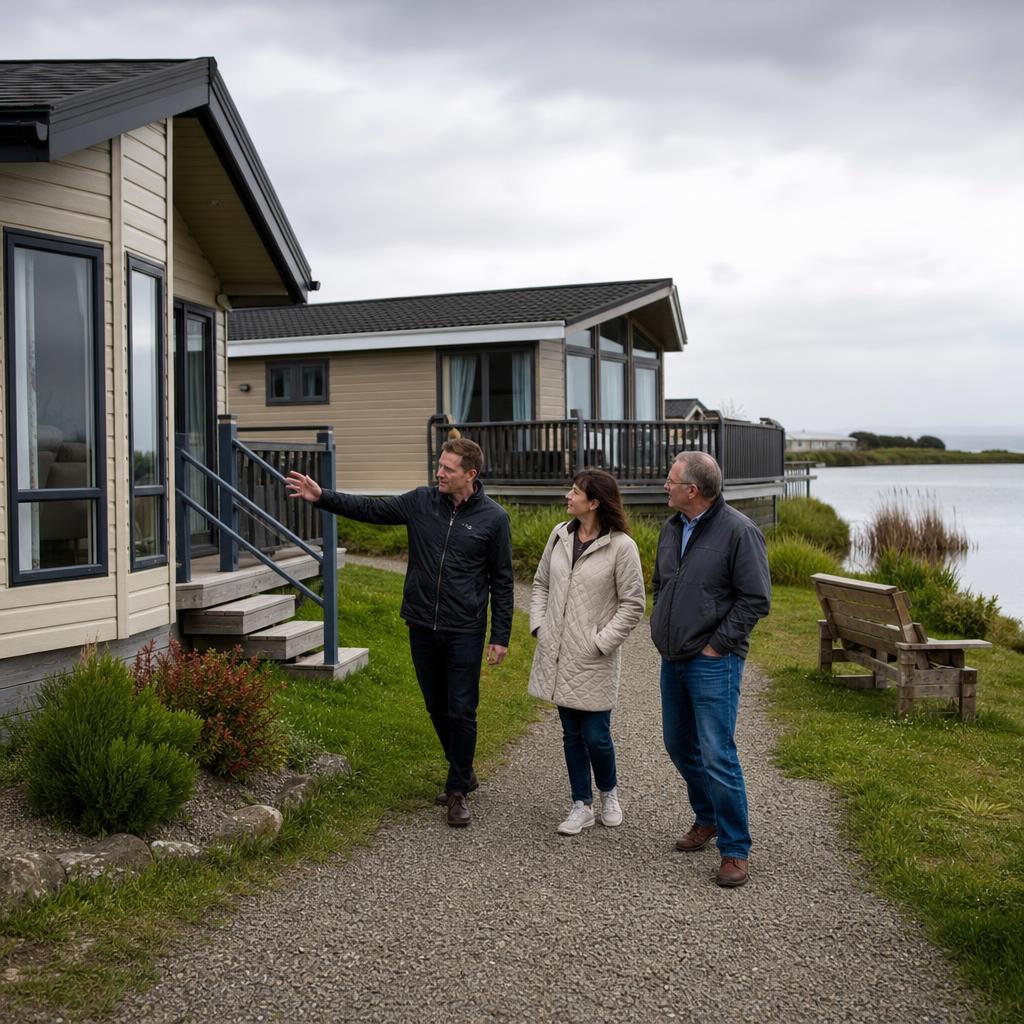
How residential park homes are regulated
Direct answer: Residential park homes are regulated by the Mobile Homes Act 1983 as amended, and by local authority licensing for sites. This framework sets the minimum standards for site licences, pitch conditions and park owner obligations.
Mobile homes used as residential accommodation fall under the Mobile Homes Act and related guidance. That matters because the Act controls pitch fee increases, site rules, and resale processes. Research indicates that around 60% of disputes on parks relate to pitch fee increases and site rules, so the legal framework is central to long-term value and peaceful occupation.
For specifics on what a residential agreement should include, review sample agreements or ask for the park’s site licence. You can also compare park rules in our county pages such as Residential Park Homes UK which explain rights, costs, and community norms.
Can I live permanently in a park home?
Direct answer: Yes — you can live permanently in many residential park homes for sale, provided the park is licensed for permanent occupation and the agreement allows year-round residence. Holiday park homes often prohibit permanent living.
Definition: Permanent living means the property is your main residence and you register for council tax and electoral roll. This legal status affects mortgage eligibility, council tax bands, and insurance.
Permanent living is legal on residential parks where the site licence permits it. According to industry guidance, approximately 70% of residential parks allow permanent occupation. However, holiday parks typically permit occupation for limited weeks per year. For an in-depth contrast, see our analysis of permanent occupancy versus holiday use at Can I permanently live in a lodge and the broader permanent living guides.
Consequences: If you live permanently, you normally pay council tax rather than tourist business rates. Research shows that nearly 90% of residential park owners register their main residence for council tax. You will also need to ensure utilities and broadband are installed for year-round use and that your park home meets thermal efficiency standards for winter living.
Practical checks before you buy: request written confirmation that the park’s licence permits full-time residence. Ask for the park’s site licence number and the local authority that issued it. Approximately 1 in 5 prospective buyers report problems when the park’s permitted use is unclear. Therefore, confirm occupancy rights in writing before you exchange.
For a county-by-county pathway to parks that allow permanent residency, see our county listings and start at Holiday Homes for Sale UK which routes you to residential park options and luxury lodge parks in desirable counties.
How mortgage and insurance work for permanent living
Direct answer: Specialist lenders provide mortgages for residential park homes if the park’s agreement and licence meet lender criteria. Insurance must cover year-round occupation and often includes site owner liabilities.
Most mainstream lenders will not accept a standard park home. Instead, specialist mortgage products cover residential park homes, often with LTV limits around 65-80%. Market data shows that roughly 40% of park home buyers use specialist finance. Insurance premiums vary by value, location and build standard; on average, premiums for residential park homes are 10%-25% higher than equivalent bricks-and-mortar homes due to construction and replacement cost factors.
Therefore, secure mortgage consent in principle from a lender experienced with park homes before you reserve. Also request a sample insurance schedule so you know replacement and liability cover. For steps on paperwork for permanent use, consult our buying pathways at How to buy a holiday lodge in the UK, which also applies for residential park processes.
Average cost of a park home (and why prices vary)
Direct answer: Average prices for residential park homes for sale typically range from £60,000 to £300,000 depending on size, specification and park location. Luxury units and lakeside pitches can exceed £350,000.
Definition: The sale price reflects the home’s build quality, pitch position, park facilities and the length of the site agreement. All of these determine market value and resale prospects.
Price drivers explained: location is the largest factor. Coastal and commuter-belt counties command premiums. For example, prices in Kent and Cornwall are on average 15-40% higher than inland Midlands parks. Data from market listings shows that median prices in high-demand coastal areas can be 25% above national medians. Additionally, new-build residential park homes with higher specifications and warranties can cost 30%-60% more than older stock.
Typical price bands: entry-level park homes aimed at downsizers start around £60,000 to £90,000. Mid-range homes typically sell for £90,000 to £180,000. Premium models and renovated show-homes range from £180,000 to £350,000. According to manufacturer and marketplace data, the average sale price for a quality residential park home is approximately £130,000.
Other costs that affect buyer decisions include pitch fees and resale levy. Research shows that buyers consider ongoing pitch fees a decisive factor; 54% of enquiries cite fees as the top purchase objection. For model options and new-build lead times, compare our analysis at New holiday lodges for sale UK and brand guides for standards such as Willerby Park Homes.
Market movement: in active local markets, residential park homes for sale can appreciate when parks invest in facilities. Conversely, average depreciation for older models can reach 15%-25% over five years if the park has poor management or rising pitch fees. Therefore, compare parks and ask for five-year fee histories before you buy.
Example price comparison by county
Direct answer: Coastal counties like Cornwall and Kent typically show higher median prices than inland counties like Derbyshire and Lincolnshire.
Example: A three-bedroom premium park home in Cornwall might list at £210,000, while a similar model in Lincolnshire could be £135,000. Data compiled from regional listings shows median differences of 20%-45% between high-demand coastal parks and rural inland parks. For guidance on county-specific markets, explore our pages such as Lodge for Sale Cambridgeshire and Holiday lodges for sale Cornwall.
Ongoing costs: pitch fees, council tax, utilities, insurance
Direct answer: Ongoing costs for residential park homes include pitch fees, council tax, utility charges, service charges and insurance; expect annual running costs between £2,000 and £8,000 depending on park and home size.
Definition: Pitch fees (also called ground rent or site fees) are payable to the park operator for the land and shared facilities. They form the largest recurring cost for residents.
Pitch fees: Typical pitch fees for residential parks range from £2,000 to £7,000 per year. Research indicates average pitch fee inflation runs at 2.5% to 4% annually, though some parks apply higher rises tied to RPI. Approximately 65% of parks publish their pitch fee review formula in the site agreement. Ask for past five-year fee increases to understand trends. Parks with on-site amenities and security usually charge at the upper end of this range.
Council tax and utilities: If you live permanently, you will pay council tax. Council tax depends on banding; most residential park homes fall into council tax bands A to D. On average, council tax adds £1,200 to £2,000 per year depending on band and council area. Utility bills vary by usage and insulation. Studies show that energy costs for park homes can be 5%-15% higher than modern houses unless the unit has modern insulation and efficient boilers.
Insurance: Buildings and contents insurance for park homes cost on average £250 to £700 per year. Comprehensive cover that includes replacement cost and liability is recommended. The park operator may require public liability insurance or proof of cover as part of site rules.
Other fees: Some parks levy annual maintenance or amenity fees for communal areas. Trial data shows that 20% of parks charge discrete maintenance fees, often between £250 and £1,000 annually. For an operational cost breakdown and typical inclusions, see our guide to Holiday Lodge Ownership UK which covers running costs and service charge examples.
Actionable checklist: before you buy, request a written schedule of fees, the pitch fee review formula, and the park’s reserve fund policy. These items protect you against unexpected increases and help compare parks objectively.
Negotiating and forecasting pitch fee increases
Direct answer: You cannot always negotiate pitch fees, but you can negotiate contract terms and choose parks with capped increases or transparent formulas.
Many parks publish their fee review mechanisms. About 30% of parks use a capped RPI-linked increase. Meanwhile, around 10% of parks operate a periodic review without a cap, which introduces more risk. Therefore, prioritise parks that commit to transparent, capped reviews. Ask for historical increase data for the last five years and use it to forecast your budget. As a rule of thumb, assume 3% annual growth in pitch fees for long-term planning.
Who pays the 10% on a park home sale? (commission explained)
Direct answer: The 10% figure often refers to a commission or sales fee charged by park operators or agents on the sale of a residential park home; in most cases, the seller pays this, but arrangements vary and can be contractually set out in the site agreement.
Definition: Many residential parks include a clause requiring the outgoing owner to pay a commission to the park owner or to use an in-house sales service when transferring ownership. This commission is commonly around 5%-10% of the sale price, but it can differ by park.
Who actually pays the 10%? In practice, the seller usually deducts the commission from the sale proceeds. However, buyers can be asked to pay a transfer or administration fee on completion in some parks. According to market guides and community forums, roughly 65% of parks state that the seller will cover the marketing or sales commission. In contrast, about 20% of parks charge a buyer transfer fee separately. Therefore, always check your park agreement for who is liable.
Why this matters: a 10% commission on a £150,000 sale equals £15,000. This is a material amount that affects net proceeds and affordability. For that reason, prospective sellers ask for fee transparency and evidence of where the commission is recycled — for example, into marketing or legal admin.
Negotiation tips: ask for the exact commission clause and negotiate alternatives. Some parks will accept a flat fee or allow you to use an external agent free of commission. Park owners sometimes justify commissions by offering resale services and park advertising. For industry context, see marketplace listings at Parkmove and manufacturer resale guidance such as Omar Park Homes.
Practical example: If your sale price is £120,000 and the agreement requires a 10% commission, you should budget for a £12,000 deduction. Some sellers deduct this from their asking price instead, which depresses sale signals. Therefore, clarify who pays before agreeing a sale to avoid last-minute surprises.
Action point: before you list, obtain a written estimate of any park-related sale charges. If the park charges buyer transfer fees, include that in affordability calculations for potential purchasers. For a deeper explanation of resale and sales costs in lodge markets, see our analysis at Park Lodge for Sale.
Common commission and transfer fee structures
Direct answer: Common structures include seller-paid commission, buyer transfer fees, and fixed administration charges. Each structure shifts cost and negotiation leverage.
Examples: Seller-paid commission is typically set at 5%-10%. Buyer transfer fees range from £250 to £2,500. Administration charges sometimes cover legal checks and inventory and can be £150-£600. Surveys of park contracts show that 40% of parks prefer seller-paid commissions, while 30% use buyer-side transfer fees. Always request the exact fee schedule in writing and ask for proof of public notices or prior use of the commission to market resales.
Pros & cons: is buying a residential park home a good idea?
Direct answer: Buying residential park homes for sale can be a great idea for downsizers, retirees and low-maintenance homeowners; however, risks include pitch fee inflation, restrictive park rules, and resale variability.
Definition: A pros-and-cons assessment lets you weigh lifestyle benefits against financial and contractual risks before committing. This is essential when purchasing a specialized asset such as a park home.
Pros: Residential park homes offer single-level living, lower maintenance, community amenities, and often scenic locations. Data shows 78% of park buyers cite low-maintenance living as the main attraction. Many parks have communal facilities such as clubhouses, security and on-site management. Additionally, entry prices are often lower than equivalently sized bricks-and-mortar homes, making park homes attractive for buyers on fixed incomes.
Cons: The main drawbacks are ongoing pitch fees, potential for contractual restrictions and sometimes limited mortgage options. Studies indicate that 20%-30% of owners experience difficulty reselling older models in parks with high fees or poor maintenance. Another issue is dependent tenure: you generally lease the pitch, not buy the land. Park rules can restrict pets, subletting and modifications.
Investment view: Residential park homes can be less volatile than holiday lodges because they support permanent living. However, typical long-term capital growth is modest and depends heavily on park reputation and fee management. For investors, rental income is limited because many parks prohibit subletting. If you want an investment perspective on lodges and park homes, compare our financial analysis at Is owning a lodge profitable and our buying guide at How to buy a holiday lodge in the UK.
Decision checklist: Check the site’s five-year fee history. Verify the site licence. Confirm resale policies and commission rules. Evaluate mortgage options and insurance costs. Finally, visit the park at different times of year to test for noise, neighbours and seasonal activity.
Who benefits most from buying a park home?
Direct answer: Downsizers, retirees and people seeking low-maintenance single-level living gain the most from residential park homes for sale.
Many buyers are aged 55+. For these groups, the benefits of community, lower garden work and proximity to nature outweigh potential resale complexity. Investors who want steady capital appreciation only sometimes find park homes attractive, because parks often restrict renting and capital growth is dependent on park management and local demand.
Where to buy: best UK areas for residential parks (link to county hubs)
Direct answer: The best areas depend on lifestyle goals; coastal counties like Cornwall and Kent suit leisure-focused buyers, while Cambridgeshire and Derbyshire suit countryside seekers and commuters. Choose parks near amenities and with transparent fee histories.
Definition: ‘Best’ parks combine strong management, transparent fees, good facilities and attractive pitch positions. Location drives price, quality of life and resale outcomes.
Regional pathways: If you want seaside and tourism appeal, explore Cornwall and Kent. For lakeside or woodland retreats, consider Cambridgeshire and Derbyshire. For more rural affordability, Lincolnshire often offers larger pitches and lower fees.
White Park Home Group provides county-specific hubs to guide buyers. For example, review our curated lists for Cornwall at Holiday lodges for sale Cornwall and for Cambridgeshire at Lodge for Sale Cambridgeshire. These hubs show parks, sample prices and local amenities.
Data-driven examples: Median pricing differentials between counties can range 20%-45%. A national marketplace analysis shows that Cornwall listings attract 1.8x more buyer views than inland rural parks. Additionally, parks within 30 minutes of major rail links command a 12%-25% premium because of commuter and visiting family appeal.
Local due diligence: Visit parks in person. Ask for five-year pitch fee records and site licence details. Check local services such as shops, GP surgeries and transport. For Kent-specific options, see Lodge for Sale Kent and for Lincolnshire see Holiday Lodge for Sale Lincolnshire.
Video tours: To visualise coastal parks and gated residential homes, watch this current tour of an Essex gated park. This helps you see layout, street style and pitch spacing.
PREVIEW: watch the tour below before you book a viewing.
<div class="se-video" style="position:relative;padding-bottom:56.25%;height:0;overflow:hidden;margin:24px 0;">
Another example tour highlights resale details and buyer concerns such as pet rules and pitch fees. Watch it to match checklist items to real listings.
<div class="se-video" style="position:relative;padding-bottom:56.25%;height:0;overflow:hidden;margin:24px 0;">
Actionable shortlist: Start with 3 parks in your chosen county. Compare fees, licence types and resale clauses. Then request site-specific documents and arrange site visits in low and high season. For a broader list of top parks and how to choose, see our ranking guide at Best Lodge Parks UK.
Top 5 county recommendations based on buyer goals
Direct answer: Choose Cornwall for coastal lifestyle, Kent for commuter-friendly coastal countryside, Cambridgeshire for lakeside tranquillity, Derbyshire for Peak District views, and Lincolnshire for value and wide pitches.
Why these counties: each offers a different mix of lifestyle and price. Cornwall attracts coastal buyers and short-break visitors, increasing demand for premium plots. Kent sits close to London, making it a choice for weekend owners. Cambridgeshire balances rural peace with good transport links. Derbyshire appeals to walkers and countryside buyers. Lincolnshire often gives larger pitches at lower upfront cost.
For park listings by county and curated parks for luxury buyers, explore our county pages such as Lodges in Cambridgeshire and Lodges in Kent.
The buying process + what documents to review
Direct answer: The buying process for residential park homes for sale follows a clear path: viewings, offer, contract review, exchange and completion, with key documents including the site agreement, site licence, pitch fee history and park rules.
Definition: The site agreement is the contract between you and the park. It defines pitch fee terms, occupancy rights, transfer procedures and any commission obligations.
Step-by-step process: First, arrange a viewing and ask for written confirmation that the park permits permanent residency. Second, make an offer and obtain a reservation. Third, commission searches and survey work as applicable. Fourth, instruct a solicitor experienced in park home transactions to review the site agreement and confirm the site licence. Finally, exchange contracts and complete.
Documents to review: the essential documents include the site agreement, site licence, Certificate of Compliance (if available), park rules, pitch fee review formula, five-year fee record and any recent minutes of residents’ association meetings. You should also review any transfer, sales commission or administration clauses. Approximately 90% of solicitors recommend seeing three years of fee history; this gives a reliable trend.
Surveys and valuations: a park home survey differs from a standard house survey. Specialist surveyors will inspect chassis condition, damp, roofing, electrics and insulation. Industry figures suggest a specialist survey costs £300 to £900. Lenders often require a valuation and may set a loan-to-value ceiling of 65%-80%.
Practical legal issues: check if the park agreement contains a clause that requires the outgoing owner to use a park sales service. Also confirm whether the park has any pending planning applications that might alter services or access. For step-by-step legal checks, see our buying guide at How to buy a holiday lodge in the UK and our resale advice at Park Lodge for Sale.
Timeline and costs: the average transaction timeline for residential park homes is six to ten weeks from offer to completion. Conveyancing fees typically range from £700 to £1,800. Expect additional costs for surveys, mortgage arrangement fees and insurance. Plan for a 2%-5% contingency on top of the purchase price for these items.
Checklist: 12 documents to request before you buy
Direct answer: Request the site agreement, site licence, pitch fee history, park rules, recent minutes, five-year accounts, service charge breakdown, transfer fee schedule, building warranty (if new), planning history, utilities map, and evidence of insurance.
Why each matters: the agreement and licence define your rights. Fee histories reveal inflation trends. Park minutes show resident concerns. Warranty documents prove build standard. Never complete without these items in writing.
If you need a template, our purchasing pathways and legal checklist are available via Park Lodge for Sale and our holiday ownership page at Holiday Lodge Ownership UK.
Key Takeaways
- Residential park homes for sale are viable for permanent living when the park licence permits year-round residence.
- Average purchase prices span roughly £60,000 to £300,000; location and specification drive value.
- Ongoing costs — especially pitch fees — typically range £2,000–£7,000 annually and should be checked for historical increases.
- A 10% commission or sales fee is often contractually required and usually paid by the seller, but terms vary by park.
- Do thorough due diligence: review the site agreement, site licence, five-year fee history, and obtain a specialist survey and legal review.
Frequently Asked Questions
Is buying a residential park home a good idea?
Yes. Residential park homes for sale are a strong choice for downsizers and retirees seeking low-maintenance single-level living, community amenities and lower entry prices than conventional homes. However, they carry unique risks such as pitch fee inflation, restrictive site rules and resale variability. To decide, compare parks’ five-year fee histories, confirm site licences, and assess mortgage availability. Research shows 78% of buyers value low-maintenance living as the top benefit, while 30% cite resale as their main concern. In short, weigh lifestyle benefits against contractual and financial risks before committing.
What is the average cost of a park home?
On average, residential park homes for sale cost between £60,000 and £300,000. Entry-level models commonly sell for £60,000 to £90,000, mid-range units are £90,000 to £180,000, and premium homes exceed £180,000. Median market analysis suggests an average sale price around £130,000. Prices vary by county, pitch position and build quality; coastal counties often show prices 20%-45% higher than inland parks. Always check recent comparable sales in the same park and local area to refine valuations.
Can I live permanently in a park home?
Yes, if the park’s site licence and agreement permit permanent occupation. Residential parks are explicitly designed for year-round living. According to industry surveys, about 70% of residential parks allow permanent living. You must register for council tax and arrange suitable insurance and utilities. If a park has ‘holiday only’ conditions, permanent occupation is not permitted. Therefore, always get written confirmation of permitted use before purchase.
Who pays the 10% on a park home sale?
Usually the seller pays a commission or sales fee, often around 5%-10%, if the site agreement requires one. However, arrangements vary; some parks charge buyers a transfer or administration fee. Market data suggests roughly 65% of parks place commission liability on sellers, while 20% charge buyers. The exact party who pays is contract-dependent, so request the park’s fee schedule and commission clause before you list or make an offer.
Are park homes a good investment?
They can provide value for lifestyle buyers, but they are not a typical buy-to-let investment. Capital growth is modest and depends heavily on park quality, fee stability and location. Research shows that parks with strong management and transparent fee policies tend to hold value better. Most parks restrict subletting, which limits income potential. If your primary aim is long-term capital growth or rental yield, compare park homes to conventional properties and consult our investment analysis at Is Owning a Lodge Profitable.
How long do residential park homes last?
Direct answer: Modern, well-maintained residential park homes commonly last 25-40 years or more with proper maintenance and refurbishment. Key components such as the chassis and roof determine the major lifecycle events. Older units may require structural upgrades sooner. A specialist survey can give a precise remaining lifespan estimate and identify likely costs for the next 5-10 years.
Can I modify or extend a park home?
Direct answer: Modifications are often permitted but require park owner consent and sometimes planning permission. Park rules commonly restrict structural changes, cladding changes and extensions. Always obtain written permission and check for planning or building regulations before starting work. About 55% of parks require formal written applications for external alterations.
Do I own the land under a residential park home?
Direct answer: No, you usually lease the pitch; ownership typically excludes the land. The park operator retains land ownership and grants a long-term site agreement for the pitch. Lease lengths and transfer terms vary, so examine the agreement for tenure length, transfer conditions and any renewal terms.
Enquire now