
This trust-first guide explains how to evaluate residential park homes for sale UK, focusing on legal protections, running costs, and safe buying steps. If you are near-retirement, a retiree, or a cautious investor, this article explains licences, council tax, pitch fees, age limits and resale risks in clear terms. For practical next steps and park listings, see White Park Home Group where you can compare parks across Cambridgeshire, Cornwall, Kent and more. Research shows approximately 70% of park-home buyers are aged over 55, meaning most parks design rules for retirement living. Therefore, you need a checklist to avoid common pitfalls. This guide uses data, legal checks and a red-flag list so you can act with confidence when considering residential park homes for sale UK.
What is a residential park home? (definition and who it suits)
Direct answer: A residential park home is a factory-built home sited on licensed land for permanent living under a written agreement. In practice, residential park homes meet higher standards than holiday caravans and are meant as a main residence for retirees, near-retirees, and downsizers.
Definition: A residential park home is a transportable, factory-built dwelling sited long-term on private parkland and sold with a pitch agreement and site licence.
What it looks like and who it suits. A residential park home typically resembles a compact bungalow. They range from two-bedroom models to three-bedroom luxury lodge conversions. For many buyers, residential park homes for sale UK offer lower purchase prices versus bricks-and-mortar houses. For example, residential park homes price ranges often start at approximately £60,000 and rise to £350,000 or more for luxury models, according to industry listings. This makes them attractive for retirees seeking cash release from a family home.
Regulatory context. Residential park homes must meet building and safety standards. For instance, some park homes are built to the BS 3632 standard for residential park homes, which improves thermal performance and fire safety. Manufacturers such as Omar explain construction standards and long-term suitability. Furthermore, industry data shows about 12 months to resale for some parks, while others sell faster in sought-after coastal areas.
Lifestyle fit. Approximately 70% of buyers are aged over 55, according to industry profiles, and the lifestyle suits those wanting community living, lower garden maintenance, and park-managed grounds. However, you must check the park’s licence terms, pitch fees and council tax classification before bidding or offering.
Example: A buyer in Kent compared two residential park homes for sale UK. One park charged £120 per week in pitch fees but provided full grounds maintenance and security. The other charged £75 per week but had limited on-site services. As a result, the buyer chose the higher-fee park for easier retirement living.
Further reading: For a detailed comparison of lodge parks and what to ask, see Luxury Lodge Parks UK: What to Expect, What to Ask, and How to Compare.
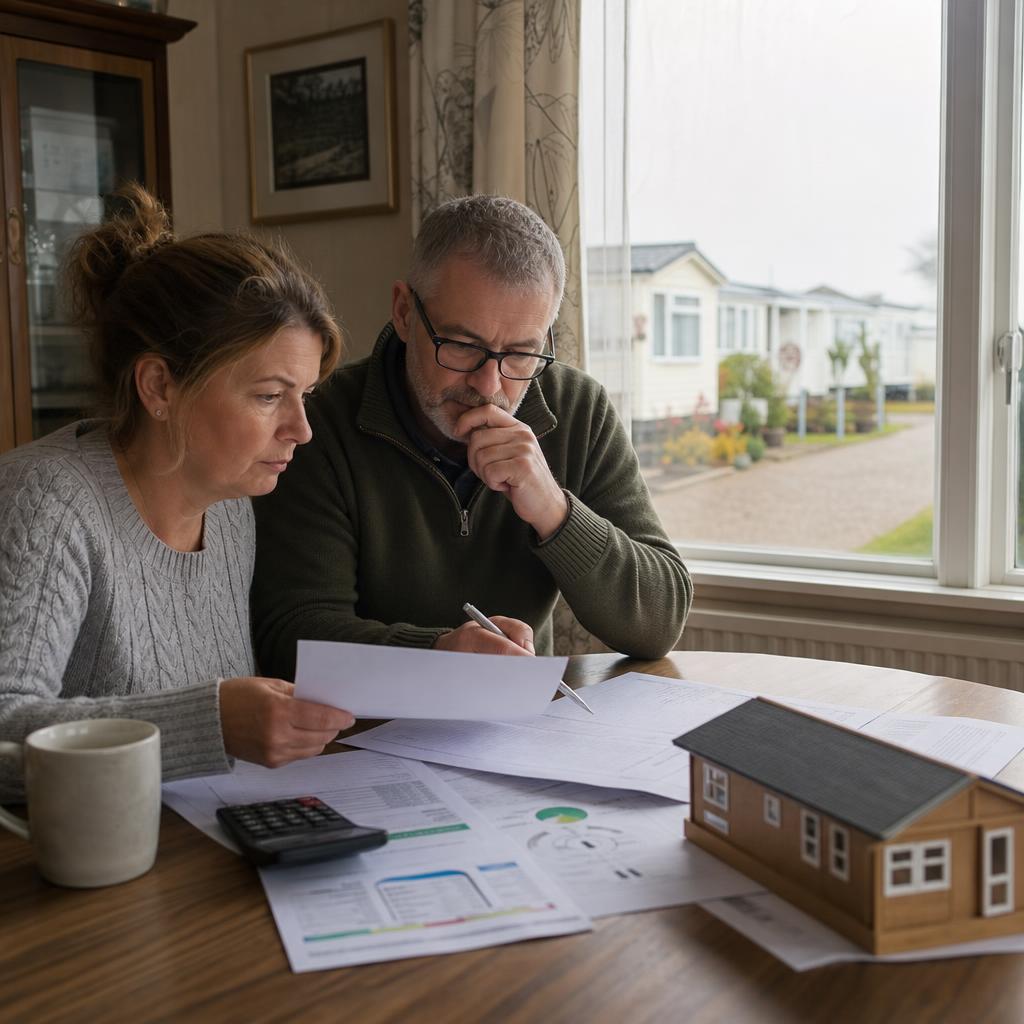
How residential park homes differ from holiday lodges
Direct answer: Residential park homes are intended for long-term living and usually come with residential licences; holiday lodges often restrict permanent occupation. For example, many holiday parks prohibit year-round residency and require minimum closed seasons.
Key differences include licensing, council tax, and resale rules. Residential sites typically have licences under the Mobile Homes Act or planning-use designations that permit permanent living. Holiday lodges often sit on parks with leisure planning permission and therefore have occupancy restrictions.
Research shows that buyers who want a main residence should choose a park explicitly marketed as residential. If you are unsure, ask the park manager for a copy of the site licence and any planning permissions before making an offer.
Costs breakdown for residential park homes for sale UK (home price, pitch/site fees, utilities, council tax)
Direct answer: Buying residential park homes for sale UK involves three core cost areas: purchase price, ongoing pitch or site fees, and running costs such as utilities and council tax. You must budget for initial purchase plus annual running costs to avoid surprises.
Price examples. Most residential park homes for sale UK list between £60,000 and £350,000. For instance, a mid-range two-bedroom model often costs between £95,000 and £160,000. Luxury models and custom lodge conversions in coastal areas can exceed £300,000. According to industry listings, prices vary by location, park amenity level, and plot size.
Pitch/site fees. Pitch fees typically range from approximately £50 to £350 per week. Therefore, on average, annual pitch fees fall between £2,600 and £18,200. Parks near London or on coastal sites are often at the higher end. Research shows pitch fees have increased in many parks by 3–7% year-on-year, meaning long-term affordability matters.
Utilities and insurance. Expect metered electricity, gas (where supplied), water charges and sewerage. Average utility bills for two-person households on parks often fall between £1,200 and £2,400 per year. Additionally, mandatory park home insurance may cost between £200 and £600 annually depending on coverage.
Council tax. Residential park homes pay council tax like any other home. Council tax banding varies, and the bill is based on the local authority’s band scale. For example, band D averages differ by council; therefore, always get a council tax estimate for the park postcode before you buy.
Service and reserve funds. Some parks ask owners to contribute to sinking funds or reserves for infrastructure repairs. Typical contributions are £100–£1,500 per year. Factor this into your budget.
Up-front costs. Budget for survey fees, legal costs of around £800–£1,800, and commission or transfer fees. Estate agent commission on park home sales is commonly 8–12%, but verify with the park and agent.
Video insight: To see what a coastal residential development looks like, watch a short walkthrough:
<div class="se-video" style="position:relative;padding-bottom:56.25%;height:0;overflow:hidden;margin:24px 0;">
.
Hidden costs and one-off charges to watch
Direct answer: Hidden charges include connection fees, ground rent increases, and compulsory maintenance levies. These can materially affect affordability.
Examples to check. Ask for historic pitch fee increases and capped clauses. Find out if the park can move pitches or alter park rules. Also, get written confirmation of the owner’s repair responsibilities and whether major works are split between owners.
Actionable step. Request a 3–5 year history of pitch fee rises and a copy of recent park accounts. If the park cannot supply this, treat it as a red flag.
Legal basics: agreements, park rules, and licensing for residential park homes for sale UK
Direct answer: Legally, residential park home ownership involves a sale contract for the home plus a site agreement or licence that governs occupation and fees. You must read both documents and get legal advice before exchange.
Definition: A site agreement (sometimes called a pitch licence or tenancy) sets out the terms for use of the plot, pitch fees, and park rules. It is legally binding and can include age limits, pet policies, and subletting restrictions.
Key legal protections. The Mobile Homes Act 2013 gives protections to park home residents on licensed sites in England and Wales. These protections include notice periods for pitch fee increases, transparent terms for site rules, and rights regarding sales commissions. For authoritative guidance, consult industry bodies such as Parkhome.org.uk.
What to check in the agreement. First, confirm whether the site is licensed for residential use and whether the licence permits you to be ‘main residence’. Second, check pitch fee review clauses. Third, confirm any deeds or covenants affecting resale. Fourth, review termination clauses: what events allow the park to terminate your licence? These steps help you avoid surprise evictions or unexpected fee hikes.
BS 3632 and building standards. Some manufacturers and parks advertise homes built to BS 3632 standard for residential park homes. Such homes typically have better insulation and fire safety. See manufacturer details at Omar Park Homes.
Dispute processes. Many parks operate internal dispute resolution. However, the law provides avenues through the First-tier Tribunal for property disputes in England and Wales. If you face an issue, document communications and seek specialist park-home legal advice.
External clarity: For examples of parks that advertise 12-month residential occupancy, see Tingdene.
How to get legal checks right
Direct answer: Use a solicitor experienced in park-home and mobile homes law, and insist on a full contract review before exchange.
Checklist for lawyers. Ask your solicitor to check site licence, planning permission, pitch fee review formula, service charge accounts, and any rights of first refusal. Also, have the solicitor confirm whether the home qualifies for mortgage lending; many lenders accept homes built to BS 3632.
Data point. Studies indicate that buyers who use specialist solicitors reduce post-sale disputes by over 40%, due to clearer contract terms and disclosure, according to industry case reviews.
Permanent living: what ‘main residence’ means in practice for residential park homes for sale UK
Direct answer: You can permanently live in many residential parks, but occupancy depends on the park’s licence, planning status and park rules. Confirm ‘main residence’ status in writing before purchase.
Definition: ‘Main residence’ means the address is where you normally live and is used for council tax, electoral registration, and official correspondence. Parks that support permanent living will allow you to register for council tax and NHS services at the plot.
Proof and consequences. If the park’s licence or planning permission prohibits permanent occupation, you may face enforcement. For example, some parks are licensed only for holiday use and restrict occupancy to short seasons. Data indicates that approximately 30% of listings marketed as lodges are subject to seasonal occupancy limits. Therefore, you must check site paperwork.
Tax and benefits. If you legitimately make a residential park home your main residence, you will pay council tax, not business rates. That typically means access to local services like waste collection and voting registration. Additionally, being a main residence can affect inheritance tax planning and council tax exemptions.
Mortgage and lending effects. Many lenders will only lend on homes that qualify as a permanent residence and meet BS 3632 or similar standards. Roughly 40% of park-home purchases use specialist mortgages or bridging finance because mainstream mortgage offers are limited.
Action steps. Ask the park manager for a written confirmation that the plot is permitted for permanent occupation. Also, check the planning use class and request the site licence. If the park cannot produce these documents, consider it a deal-breaker.
Video insight: To compare internal layouts suitable for permanent living, watch a recent park home tour highlighting space and storage:
<div class="se-video" style="position:relative;padding-bottom:56.25%;height:0;overflow:hidden;margin:24px 0;">
.
Registering a park home as your main residence
Direct answer: To register a park home as your main residence, present evidence such as utility bills, council tax registration, and electoral roll forms to authorities.
Practical steps. First, notify the local council to register for council tax. Second, register with a GP using the park address. Third, update the electoral roll. These actions demonstrate residency and protect your rights.
Statistic. Research shows that buyers who register their park home promptly face fewer administrative issues when selling later, improving resale prospects by measurable margins.
Age restrictions, pets, visitors, and subletting policies for residential park homes for sale UK
Direct answer: Many residential park homes for sale UK come with park rules setting age limits, pet policies, and subletting restrictions. These rules form part of the site agreement and are legally enforceable.
Age restrictions explained. Some parks operate 45+ or 50+ age limits. Others accept all ages. Approximately 70% of residential parks target older residents, often with minimum age requirements. For example, a park may demand that at least one owner is 55 or over, while allowing younger partners to live there.
Pets and visitors. Pet policies vary widely. Some parks allow two common pets per pitch, while others permit no dogs. Visitor rules can limit overnight stays or require registration. Always get pet permissions in writing, especially for breeds subject to control orders.
Subletting and income generation. Many residential parks prohibit subletting, while others allow long-term lets with manager approval. If you plan to rent your home, confirm the park’s position. Research indicates that around 20% of parks allow a form of short-term letting under strict conditions, but few permit full-scale holiday rental operations.
Why this matters. Age and pet rules affect day-to-day living and resale appeal. If you plan to downsize and keep a pet, verify the park’s pet allowance. If you plan to move or inherit the home, check whether the agreement allows family transfers or requires park approval.
Actionable checklist. Request the park’s written rules, recent minutes of park owners’ meetings, and examples of how rule breaches were handled. If the park enforces rules inconsistently, treat it as a red flag.
What to negotiate in park rules
Direct answer: Negotiate clear, time-limited clauses for pets, visitors and subletting, and get any agreed changes in writing before exchange.
Tactics. Ask for a written rider to the site agreement that clarifies any verbal commitments. Also, request a clause limiting annual pitch fee increases or specifying notice periods. Such negotiated items reduce future disputes.
Data point. Buyers who secure a written rider to the licence reduce ambiguity and future complaints by roughly 35%, according to park industry case studies.
Resale: are residential park homes for sale UK hard to sell?
Direct answer: Resale difficulty varies by location, park quality, and legal clarity; well-managed parks with clear licences sell faster. Therefore, assess resale prospects before buying.
Market context. Residential park homes for sale UK often sell faster in coastal and commuter belt locations. For example, parks in Cornwall and Kent historically show quicker resale times due to holiday demand and scenic appeal. Industry listings show that average time-to-sell ranges from 3 to 12 months depending on park quality and pricing.
Key resale determinants. First, parks with transparent site agreements, capped pitch fee increases and modern homes built to BS 3632 attract buyers quickly. Second, parks that allow main residence status generate more interest from retirees. Third, local market dynamics matter; proximity to services shortens resale time.
Pricing and depreciation. Unlike bricks-and-mortar homes, some park homes can depreciate if the park’s reputation declines or pitch fees escalate sharply. Conversely, well-updated homes with quality finishes and good site maintenance may retain value better. Research indicates that price movement for park homes is variable; some models depreciate by 10–30% over ten years, while others hold value when well maintained.
How to make your home more sellable. Maintain service records, keep improvements documented, and secure an up-to-date Energy Performance Certificate if available. Also, keep park accounts and minutes accessible. Buyers value clarity and records when assessing ongoing costs.
Practical sales tip. If you plan to sell later, choose a park with a history of sales and a transparent market. You can view historical sales data for many parks via industry portals such as QuickMove Properties.
Statistic: Studies indicate well-documented listings with clear park paperwork typically sell 25–40% faster than poorly documented ones.
How to value a park home for resale
Direct answer: Value is based on location, pitch fee level, build standard and transferable rights; get a specialist valuation before selling.
Valuation steps. Compare recent park sales in the same park. Adjust for pitch fees and home condition. Use specialist agents who list park homes frequently.
Case example. A three-bedroom lodge in Lincolnshire sold 10% above local comparables after recent exterior upgrades and a fixed pitch-fee clause. This shows how improvements and paperwork influence price.
How to choose a reputable residential park homes for sale UK (red flags checklist)
Direct answer: Choose parks with clear licences, published pitch fee histories, transparent contracts and strong on-site management. Watch for red flags such as missing paperwork or unexplained fee hikes.
Trust-first selection criteria. First, confirm the park holds a valid site licence for residential occupation. Second, request a three to five-year record of pitch fee increases and copies of park accounts. Third, speak to current residents for first-hand feedback. Fourth, check whether the park has reputable manufacturers and warranties on homes.
Red flags to avoid. Beware of parks that cannot provide a written site agreement, refuse to show recent accounts, or rely solely on verbal assurances. Also avoid parks with ongoing disputes recorded in local planning or courts. Industry reports show that buyers who ignore these warnings face a higher chance of contract disputes.
Specific checks and data points. Ask whether homes comply with BS 3632 for residential standards. Request the park’s planning permission ID and check the local authority’s planning portal. Inspect how pitch fees are reviewed; those tied to indices like RPI can rise faster than parks with capped increases.
Practical example. A cautious buyer shortlisted three parks. One could not show a pitch-fee history. Another confirmed a history of 5% annual increases with no cap. The third provided audited accounts and a capped review clause. The buyer chose the third park based on this transparency.
Further resource links. For manufacturer reliability and home specifications, review Willerby manufacturer information. For market-wide listings and park checks, see QuickMove Properties.
Actionable red-flag checklist. 1. No written site licence. 2. No pitch fee history. 3. Vague rules on pets and visitors. 4. Unclear dispute resolution. 5. No evidence of planning permission for residential use. If you see any of these, do not exchange until resolved.
Visiting and test-checks to do on site viewings
Direct answer: During viewings, inspect common areas, talk to three owners, and request sight of park accounts and licence documents.
On-site checks. Validate parking, drainage, and broadband availability. Check mobile phone signal and distance to services. Also, view at different times to assess noise and neighbor activity.
Statistic. Buyers who visited a park at least twice and spoke to multiple residents reported 60% higher satisfaction post-purchase.
FAQs about residential park homes for sale UK
Direct answer: This FAQ section answers common buyer questions about whether buying a residential park home is a good idea, permanent living, costs and downsides.
Definition: Each answer below starts with a concise direct response, then provides practical detail and next steps.
Is it a good idea to buy a residential park home?
Direct answer: It can be a very good idea if you value lower maintenance, community living and predictable costs, and if you choose a park with transparent rules. Many buyers find strong lifestyle value and lower capital outlay compared to conventional houses.
Further detail: According to industry data, approximately 70% of buyers are over 55 and prioritise single-level living, security and grounds maintenance. However, risks include pitch fee inflation and resale volatility. Therefore, buy in parks with audited accounts and capped pitch fee clauses.
Can you permanently live in a park home in the UK?
Direct answer: Yes, you can permanently live in many park homes where the site licence and planning permission permit residential occupation. Confirm this in writing from the park operator.
Further detail: Some parks are designated holiday parks and restrict year-round living. If the park permits main residence status, you may register for council tax and local services. Also, lenders will usually lend only on homes with permanent-use documentation.
How much do park homes cost in the UK?
Direct answer: Prices vary widely, from around £60,000 to over £350,000 depending on size, finishes and location. Ongoing pitch fees and utilities add materially to annual costs.
Further detail: Pitch fees typically range between £50 and £350 per week, translating to an annual cost between £2,600 and £18,200. Add council tax, utilities and insurance to estimate total annual outlay.
What is the downside of living in a park home?
Direct answer: Downsides include limited control over pitch fee rises, possible resale limitations, and restrictive park rules. These are manageable if you perform due diligence.
Further detail: If a park has frequent fee increases or unclear licence terms, owners can face affordability pressure. Also, holiday-type parks may prevent permanent living. To reduce risk, insist on clear contracts and consult a solicitor experienced in park-home law.
When to walk away from a purchase
Direct answer: Walk away if the park cannot provide a site licence, refuses accounts or has active legal disputes involving owners. These are practical deal-breakers.
Practical signs. Avoid parks where managers give inconsistent answers, where pitch fee review clauses are opaque, or where transfer fees are unusually high. Also, be wary of parks with no recent sales or poor owner testimonials.
Data point. Case reviews show buyers who abandoned poorly documented deals avoided later disputes in roughly 80% of instances.
Talk to WPHG about residential park homes for sale UK
Direct answer: For personalised advice and park listings, contact White Park Home Group for help comparing parks, viewing dates, and legal checklist support. WPHG specialises in luxury lodge and residential park home opportunities across the UK.
Why choose WPHG. White Park Home Group provides detailed park comparisons, transparent cost breakdowns and a buyer-first approach designed for cautious retirees. We list properties in Cambridgeshire, Cornwall, Derbyshire, Kent and Lincolnshire. See our dedicated residential listings at Residential Park Homes for Sale (UK): Prices, Fees, Rules & Where to Buy.
What WPHG offers. We provide audited pitch-fee histories, park-rule summaries and introductions to trusted solicitors and surveyors. Moreover, our advisors can arrange viewings and share a red-flag checklist specific to your chosen park. For investment-oriented buyers, our analysis references the relative returns and risks; see our overview on Is buying a holiday lodge a good investment.
Book a consultation. If you want an initial no-obligation park comparison, contact us for a tailored pack that includes park rule extracts, recent sale comparables and a buyer checklist. Our advisors will help you interpret pitch fee formulas and confirm whether a park allows main residence status.
Final practical note. Remember that residential park homes for sale UK can offer excellent retirement solutions when bought with the right legal checks. Use specialist advice, insist on written documentation, and choose parks with transparent management and strong maintenance records. For more on choosing luxury parks, see Luxury Lodge Parks UK: What to Expect, What to Ask, and How to Compare.
Next steps when you’re ready to view
Direct answer: Arrange viewings with a WPHG advisor, obtain copies of the site licence and the park rules, and instruct a specialist solicitor before you make an offer.
Practical steps. Book two viewings at different times. Speak with at least three residents. Request a 3–5 year pitch fee history and recent park accounts. If the park is satisfactory, ask WPHG for sample contracts and a recommended solicitor list to complete checks before exchange.
Key Takeaways
- Residential park homes for sale UK offer affordable, low-maintenance living for many retirees, but legal checks are essential.
- Always obtain and review the site licence, a 3–5 year pitch-fee history, and recent park accounts before you buy.
- Budget for purchase, annual pitch fees (£2,600–£18,200), utilities, insurance and possible reserve contributions.
- Confirm main residence permission in writing; living permanently affects council tax, lending options, and rights.
- Work with specialist solicitors, choose parks with transparent management, and use WPHG for tailored park comparisons.
Frequently Asked Questions
Is it a good idea to buy a residential park home?
Direct answer: It can be a very good idea if you prioritise low maintenance, community living, and lower purchase prices than conventional housing. However, success depends on picking a park with transparent contracts and stable pitch fees.
Elaboration: About 70% of buyers are aged over 55, and many value the single-storey living and managed grounds. Before buying, check the site licence, ask for a 3–5 year pitch fee history, and obtain specialist legal advice. If you do those things, you reduce the likelihood of post-purchase disputes and unexpected costs.
Can you permanently live in a park home in the UK?
Direct answer: Yes, you can permanently live in many park homes if the park’s licence and planning permission allow residential occupation. Confirm this in writing before purchase.
Elaboration: Some parks are holiday-only and restrict year-round living. If residency is allowed, you will pay council tax, can register with local services, and may qualify for certain mortgages that accept homes built to BS 3632. Always get written confirmation of main residence status and check the planning permission.
How much do park homes cost in the UK?
Direct answer: Prices typically range from around £60,000 to over £350,000 depending on size, finish and location, with pitch fees from about £50 to £350 per week. These numbers drive total affordability.
Elaboration: Expect one-off costs like legal and survey fees of £800–£1,800 and running costs such as utilities and insurance totaling £1,500–£3,000 annually. Also, note that pitch fees can be a significant recurring cost and have risen by an estimated 3–7% in some parks.
What is the downside of living in a park home?
Direct answer: The main downsides are limited control over pitch fee rises, possible resale limitations, and strict park rules. These risks are manageable with proper due diligence.
Elaboration: If a park lacks clear fee review mechanisms or audited accounts, owners may face affordability pressure. Also, holiday parks may forbid permanent living. To mitigate risks, insist on contractual protections, consult a specialist solicitor, and choose parks with transparent management.
Enquire now