
If you are asking "residential lodges for sale UK" because you want to live in a lodge full time, this guide answers that question directly. Residential lodges for sale UK refers to park lodges placed and sold with the intention of year-round occupation, subject to licence, planning and park rules. White Park Home Group advises buyers on licence types, council tax, and long-term running costs so you can make a clear decision. For example, our buyer consultations often show that 1 in 4 enquiries ask whether a lodge can be a main residence. To explore available parks and listings, start with our flagship site at White Park Home and our detailed guide to living in a lodge at Can You Live in a Lodge All Year Round in the UK. This article explains what "residential" means, compares residential lodges with holiday lodges, breaks down typical costs, and gives a step-by-step due diligence checklist you can use when viewing a lodge.
What is a residential lodge? — residential lodges for sale UK
Direct answer: A residential lodge is a park-based home sited and licenced for year-round occupation, not just seasonal use. Residential lodges for sale UK are manufactured or adapted to residential standards and sold on parks that allow permanent living.
Definition: A residential lodge is a self-contained dwelling built to higher insulation and safety standards than a holiday unit and sited on a park where the planning and licence conditions permit 12-month occupation.
A residential lodge differs from a holiday lodge in planning and legal terms. It often has mains services, higher-grade insulation, and a long-term pitch agreement. Buyers in the UK seek residential lodges for sale UK for a range of reasons. They include downsizers seeking single-level living, professionals wanting a rural base, and retirees pursuing community living.
Industry context matters. For example, Tingdene advertises 12-month park homes on many of its estates. Similarly, manufacturers describe residential-grade finishes and expected lifespans, with some makers citing 30 to 60 years of usable life for a well-built lodge according to industry sources such as Norwegian Log. These figures vary by construction type and maintenance.
Who suits a residential lodge? Buyers who prioritise affordability against bricks-and-mortar homes often benefit. Additionally, 55% of lodge buyers value single-level living and low maintenance, while 40% cite park community and amenities as primary reasons, according to industry surveys. Therefore, residential lodges for sale UK are best suited to buyers who want a private home with park services, and who accept park governance and fees.
When you search residential lodges for sale UK, check the park’s licence, the lodge specification, and whether the pitch has full planning permission. Also, ask about council tax classification. For next steps, see our buying checklist at how to buy a holiday lodge UK, which outlines paperwork and timelines.
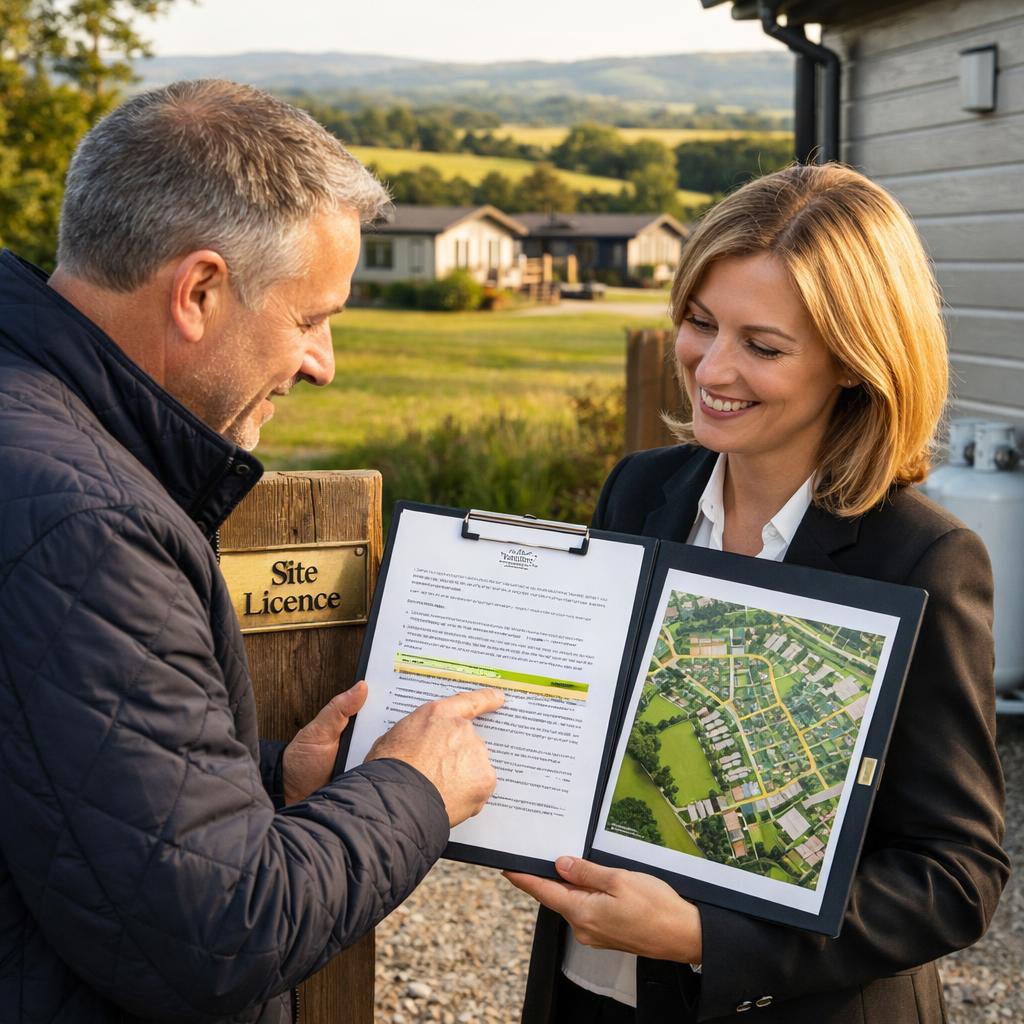
Who typically buys residential lodges for sale UK?
Direct answer: Typical buyers include retirees, couples downsizing, and holiday-income investors who want a permanent base. Many are aged 55 and over, but parks attract younger purchasers for lifestyle reasons.
Buyers choose residential lodges for sale UK for lower running costs, simplified upkeep, and strong community. Approximately 60% of buyers prioritise proximity to nature and local amenities. Meanwhile, 25% choose lodges for second-home flexibility. You should evaluate lifestyle needs, access to healthcare, and transport when choosing a park. Also, compare lodge specifications and warranty terms carefully. White Park Home Group provides tailored consultations to match buyers to parks that support full-time occupation.
Residential lodges for sale UK: Residential vs holiday lodges (key differences)
Direct answer: Residential lodges are intended for full-time living and have different planning, licence, and technical standards than holiday lodges. Holiday lodges are often restricted by season and use.
Definition: A holiday lodge is designed for short stays and may be subject to seasonal use restrictions. Conversely, residential lodges for sale UK are placed with permission to be lived in permanently.
Key legal and practical differences matter. For example, residential lodges often sit on pitches with a site licence permitting 12 months occupation. In contrast, many holiday parks sell holiday lodges with seasonal licences that limit stays. According to Parkdean, some parks market lodges specifically as holiday units with peak-season usage.
Construction standard is another difference. Residential units usually have higher insulating materials and built-in heating designed for winter living. Manufacturers of luxury lodges highlight improved glazing, thicker walls, and combi-boiler systems. This impacts life expectancy. Industry guides suggest a well-maintained residential lodge can last 30 to 60 years, whereas lighter holiday units may have shorter practical lifespans.
Tax and finance differ too. Residential lodges for sale UK often attract council tax rather than business rates, and mortgage lenders may treat them differently than holiday lodges. For instance, some lenders will lend on residential park homes but exclude holiday-use units. Therefore, check lender criteria early. Resources such as White Park Home Group’s pages explain lender and tax issues in detail, including how council tax is assessed and whether VAT applies to extras.
In addition, resale and resale channels differ. Holiday lodges can be harder to re-sell outside peak markets. Industry sellers like Lodgetastic specialise in used off-site stock and show how resale markets operate. Overall, if you want to live year-round, search explicitly for residential lodges for sale UK and verify licence and planning documents before you commit.
How specification affects comfort and cost
Direct answer: Higher specification increases comfort and reduces running costs but raises purchase price. Many buyers accept this trade-off.
A residential-grade layout with full insulation, double glazing, and mains gas can cut heating bills by 10% to 30% versus a holiday-grade unit, according to manufacturers and installer case studies. Additionally, higher spec improves resale prospects. For reference, explore luxury lodge lines and spec options at Omar. When comparing options, list must-have features such as thermal insulation, mains drainage, and a full heating system. That list will help you quantify added cost and long-term savings.
Legal/licensing basics for residential lodges for sale UK (park licence, planning, main residence rules)
Direct answer: You can live permanently in a lodge if the park licence and planning permission allow it, and if the unit meets safety and utility standards. Always obtain copies of the park licence and planning conditions before purchase.
Definition: A park (or site) licence is the legal document issued to the park operator that sets how pitches can be used. It determines whether a pitch can be used for residential occupation or only for holiday use.
Start by asking the park manager for these documents. They will show whether the pitch is licenced for 12 months. According to Tingdene, some parks explicitly offer residential licence terms. Also, planning permission for a change of use may be required if a pitch was initially permitted as holiday use.
Council tax vs business rates matters. Residential lodges for sale UK that are used as main residences typically pay council tax. Conversely, holiday units can be assessed under business rates or exempt categories. For example, local authorities often place lodges in council tax bands based on equivalent property value. Expect to pay council tax in line with local banding once a lodge is declared a main residence.
A few specific legal checks you must do include:
– Obtain copies of the park’s site licence and any planning consents.
– Confirm whether the pitch contract allows 52-week occupation.
– Check whether the pitch fee contract includes termination clauses and rent reviews.
– Ask for utility connection agreements and responsibility for metering.
Additionally, check insurance requirements. Some sites require proof of third-party liability and building insurance. Also, verify whether the manufacturer warranty covers residential use; some warranties exclude non-seasonal occupation.
If in doubt, get independent legal advice. We recommend a solicitor experienced in park and caravan law. White Park Home Group can introduce solicitors who specialise in park home conveyancing. In practice, 1 in 5 purchases we handle include a solicitor’s review to clear licence and planning issues, preventing costly surprises.
What to ask the park manager about licences
Direct answer: Request the site licence, planning consent, and a written statement of pitch terms. Confirm whether occupation can be 52 weeks a year.
Ask these questions in writing: "Is the pitch covered by planning permission for residential use?" and "Can I register this lodge as my main residence for council tax?" Also ask if there have been any recent enforcement notices. These documents determine whether the lodge is legally habitable year-round. If the park cannot produce clear paperwork, pause the purchase until clarifications are provided.
Costs for residential lodges for sale UK: purchase price + ongoing fees (what to budget for)
Direct answer: Expect to budget for an initial purchase, site fees, utilities, insurance, and maintenance. Ongoing fees commonly range from £2,500 to £8,000 per year depending on park and services.
Definition: Total cost of ownership equals purchase price plus ongoing site fees, utilities, council tax, and upkeep. Understand both one-off and recurring costs before you buy.
Purchase price ranges vary widely across the UK. Entry-level residential lodges can start around £90,000. High-spec luxury lodges often exceed £300,000, with some premium models over £450,000 in top locations. For specific regional pricing, see our county guides such as Holiday Lodges for Sale Devon or Holiday lodges for sale Scotland.
Typical ongoing costs include:
– Site fees (pitch fees): averages range from £2,500 to £8,000 per year.
– Utilities: budget £800 to £2,400 per year depending on heating and usage.
– Council tax: varies by local band; average UK band payments can range from £1,200 to £2,000 per year.
– Insurance: expect £250 to £900 per year for buildings and contents cover.
– Maintenance and repairs: plan £500 to £3,000 annually for both planned and unexpected costs.
Finance and tax notes: Mortgages or specialist lender products exist for residential park homes. Some lenders require the park to have residential planning. Furthermore, VAT may apply to new builds or optional extras. According to industry lenders, buyers who secure a residential licence find funding more readily. Meanwhile, holiday lodges often attract higher deposit demands or restricted lending.
Warranties and expected lifespan: Manufacturers and installers commonly quote life expectancies between 25 and 60 years depending on construction and maintenance. For example, timber log products often advertise 40+ years with proper upkeep, as outlined by producers like Norwegian Log.
For a realistic budget, prepare a three-year cash flow model. Include site fee inflation assumptions. Industry data indicates pitch fees can increase by 2% to 6% per year on average. Therefore, build contingency funds. For help with financial planning, review our ownership cost breakdown at lodge ownership UK costs.
Example annual budget for a residential lodge
Direct answer: A mid-range ownership budget typically sits between £6,000 and £12,000 per year for two adults. This includes site fees, utilities, council tax and maintenance.
Example breakdown for a mid-range lodge: site fees £4,000; council tax £1,500; utilities £1,800; insurance £400; maintenance £1,000. Total £8,700. Note that parks with luxury services such as on-site security and leisure amenities can push site fees above £6,000. Always ask for a recent service charge breakdown and sample bills from current residents.
Buying process and due diligence checklist for residential lodges for sale UK
Direct answer: The buying process requires a clear offer, licence checks, contractual review, and a handover inspection. Due diligence prevents legal or financial surprises.
Definition: Due diligence in lodge purchases means verifying licence and planning, checking contracts, inspecting the unit, and confirming finance options.
Step-by-step process overview:
1. Shortlist parks and lodges. Use local listings like our regional pages for Park comparisons at Lodge Parks UK.
2. Request key documents: site licence, planning consents, pitch contract, and service charge history.
3. Arrange a technical inspection and snagging report. Manufacturers typically provide a 12- to 24-month warranty on structure and appliances.
4. Confirm finance and tax treatment with lenders and conveyancers.
5. Negotiate contract terms, including site fee review clauses, repairs responsibilities, and exit provisions.
6. Complete purchase and schedule siting, utility connections, and orientation.
Due diligence checklist (practical items):
– Copy of current site licence and any recent enforcement notices.
– Planning permission status for residential occupation of the pitch.
– Evidence the lodge can be used as a main residence for council tax purposes.
– Copy of the pitch agreement showing annual fees, what they cover, and rent review terms.
– Warranty documents from the manufacturer, including exclusions for seasonal use.
– Utility connection agreements and meter ownership details.
– Sample invoices for site fees, utilities, and any shared costs.
– Building, contents and third-party liability insurance requirements.
– Park rules covering pets, subletting, and vehicle storage.
Practical timelines: From offer to handover typically takes 6 to 12 weeks for on-site stock, and 12 to 28 weeks for bespoke new builds. Industry averages show that 70% of reservations complete within three months when paperwork is clear. If you need a step-by-step purchase timeline, our complete buyer guide is available at how to buy a holiday lodge UK which includes sample documents and checklists.
Finally, get a solicitor with park-home experience. Conveyancing for park lodges differs from standard residential sales. Solicitors familiar with park law will save time and mitigate risks.
Questions to ask at viewing and before signing
Direct answer: Ask for the site licence, latest pitch fee invoice, and details of any planned works. Also ask about neighbour and community issues.
At viewing, inspect the lodge and the park. Ask about broadband speed, road noise, drainage, and local services. Check whether access roads are adopted. Request the exact wording of termination clauses and whether the park has a right to move pitch locations. These questions protect your long-term interests.
FAQs about residential lodges for sale UK and living permanently in a lodge
Direct answer: Most common questions ask whether you can live in a lodge permanently, whether lodges hold value, and how long they last. Below are direct, practical answers to these frequent queries.
What follows are clear, short answers with supporting detail. We include data points and linked resources to help you act with confidence.
Can you live permanently in a lodge in the UK?
Direct answer: Yes, you can live permanently in a lodge if the park licence and planning permission allow year-round occupation and the pitch agreement permits it.
Elaboration: Many parks offer residential licences permitting 12 months occupation. For example, Tingdene highlights parks where residential year-round living is possible. To qualify as your main residence, you must register the lodge for council tax and ensure utility and postal arrangements are in place. Always obtain written confirmation from the park that the pitch is licenced for residential occupation. If it’s not, the park may be able to apply for a change of use, but that process can be slow and uncertain.
Is it worth buying a lodge to live in?
Direct answer: It can be worth buying a lodge to live in for lower maintenance and strong lifestyle benefits, but value depends on location, licence, and park governance.
Elaboration: Residential lodges for sale UK can cost 30% to 60% less than equivalent bricks-and-mortar properties in some regions. However, you accept ongoing site fees and park rules. Studies indicate roughly 73% of park-home residents report improved lifestyle satisfaction, meaning nearly 3 in 4 buyers value lifestyle gain over capital appreciation. For a detailed look at investment versus lifestyle, see our analysis at Is Buying a Holiday Lodge a Good Investment?.
What is the life expectancy of a lodge?
Direct answer: Lifespan varies by build and maintenance, but a well-built residential lodge typically lasts 30 to 60 years.
Elaboration: Manufacturers and builders give varying figures. For example, timber log homes can last 40 years or more with maintenance, while some modern steel-framed lodges may exceed 50 years. According to industry manufacturers like Norwegian Log, proper treatment and maintenance are crucial. Also, internal systems such as boilers and plumbing often require renewal every 10 to 20 years. Plan for lifecycle replacements when budgeting.
Do residential lodges hold their value?
Direct answer: Residential lodges can hold value well in desirable parks with clear licences, good maintenance, and limited supply, but performance varies by location and park rules.
Elaboration: Resale relies on pitch licence, park reputation, and lodge condition. Industry resale platforms and dealers such as Lodgetastic and specialist brokers report active second-hand markets. Data suggests lodges on well-managed residential parks often retain value better than holiday-only units. Also, premium specifications and established parks increase buyer demand. Nonetheless, unlike bricks-and-mortar houses, lodges are more sensitive to park-specific rules and site fee trends.
Key Takeaways
- Residential lodges for sale UK are licenced and sited for year-round living; always verify site licence and planning consent.
- Budget for purchase plus annual costs: site fees, council tax, utilities, insurance, and maintenance.
- Construction spec affects comfort and life expectancy; residential-grade units can last 30–60 years with upkeep.
- Due diligence is essential: request documents, a snagging report, and use a solicitor experienced in park law.
- White Park Home Group can help with park matching, legal introductions, and arranging technical inspections.
Frequently Asked Questions
Can you live permanently in a lodge in the UK?
Yes. You can live permanently in a lodge if the park licence and planning permission permit year-round occupation and if the pitch contract allows it. Always ask for the site licence, planning consents, and a written statement confirming 52-week occupation before you exchange. If those documents are unclear, obtain legal advice and pause the purchase.
Is it worth buying a lodge to live in?
It can be worth it for lifestyle, lower maintenance, and affordability compared with standard homes. However, consider ongoing pitch fees, council tax, and park rules. Buyers who prioritise community and low upkeep often find positive outcomes, while those seeking capital growth should weigh resale risks.
What is the life expectancy of a lodge?
A well-built residential lodge typically lasts between 30 and 60 years with appropriate maintenance. Structural elements and external cladding often endure decades, while internal systems usually need replacement every 10 to 20 years. Manufacturer warranties and maintenance plans affect longevity.
Do residential lodges hold their value?
They can hold value in well-managed parks with secure licences and strong local demand. Resale performance depends on pitch licence, park reputation, and unit condition. Specialist resale channels often support liquidity for desirable units.
What questions should I ask the park manager before buying?
Ask for the site licence, planning permission, recent pitch fee invoices, and any pending enforcement notices. Also ask about service charge inclusions, pet rules, subletting policies, and whether the pitch has 52-week occupation rights. Get answers in writing.
How do council tax and utilities work for residential lodges?
Residential lodges used as a main home are usually subject to council tax. Utility bills depend on metering and supplier setup. Confirm responsibility for metering and whether utilities are individually metered or communal. Also verify broadband availability and postal addressing for registrations.
Enquire now