
If you are asking can you permanently live in a lodge UK, the answer depends on the park’s licence, planning status, and your agreement. Some lodges are designed for full-time residential living, while many holiday lodges are not. That difference matters for council tax, insurance, lending, and legal occupancy. In other words, the wrong park can turn an attractive lifestyle purchase into a compliance problem. For buyers comparing options, it helps to understand holiday lodge versus residential park home rules before you view. It also helps to look beyond the brochure. According to UK park home industry guidance, a licence and planning check should happen before any reservation fee is paid. That single step can save months of stress. If you want a lodge for full-time living, you need the right site, the right home, and the right paperwork.
Can you permanently live in a lodge in the UK?
Yes, but only in the right circumstances. can you permanently live in a lodge UK is not a simple yes-or-no question, because the legal answer depends on how the site is licensed and how the lodge is classified. A residential lodge park can allow year-round occupation. A holiday park usually cannot. That distinction is the foundation of every sensible purchase decision.
This is where many buyers get caught out. Holiday sites often market themselves as year-round retreats, yet “year-round” can mean access across all seasons, not permission to use the lodge as a main residence. As a result, buyers should confirm the park’s planning consent, the park’s licence, and the written agreement before proceeding. If you are unsure what a compliant residential setup looks like, Residential Park Homes in the UK: Costs, Rules, Site Licences & Who It Suits gives a useful overview.
There is also a practical angle. Research from park home operators shows that around 11-month holiday licences remain common on leisure parks, while residential parks are intended for permanent occupation. Therefore, can you permanently live in a lodge UK becomes a question of use class, not just comfort. Independent community discussions on residential lodge parks and buyer forums such as Can You Live In A Lodge All Year Round? repeatedly highlight the same point: the licence determines the lifestyle.
For buyers, the takeaway is simple. A lodge can be a permanent home in the UK, but only if the park is authorised for residential use and the contract supports living there full-time. Otherwise, you may own a property you cannot legally use as your main address.
For a broader buying roadmap, see Buying A Lodge In The UK: Step-By-Step Guide To Costs, Rules, Finance And Ownership.
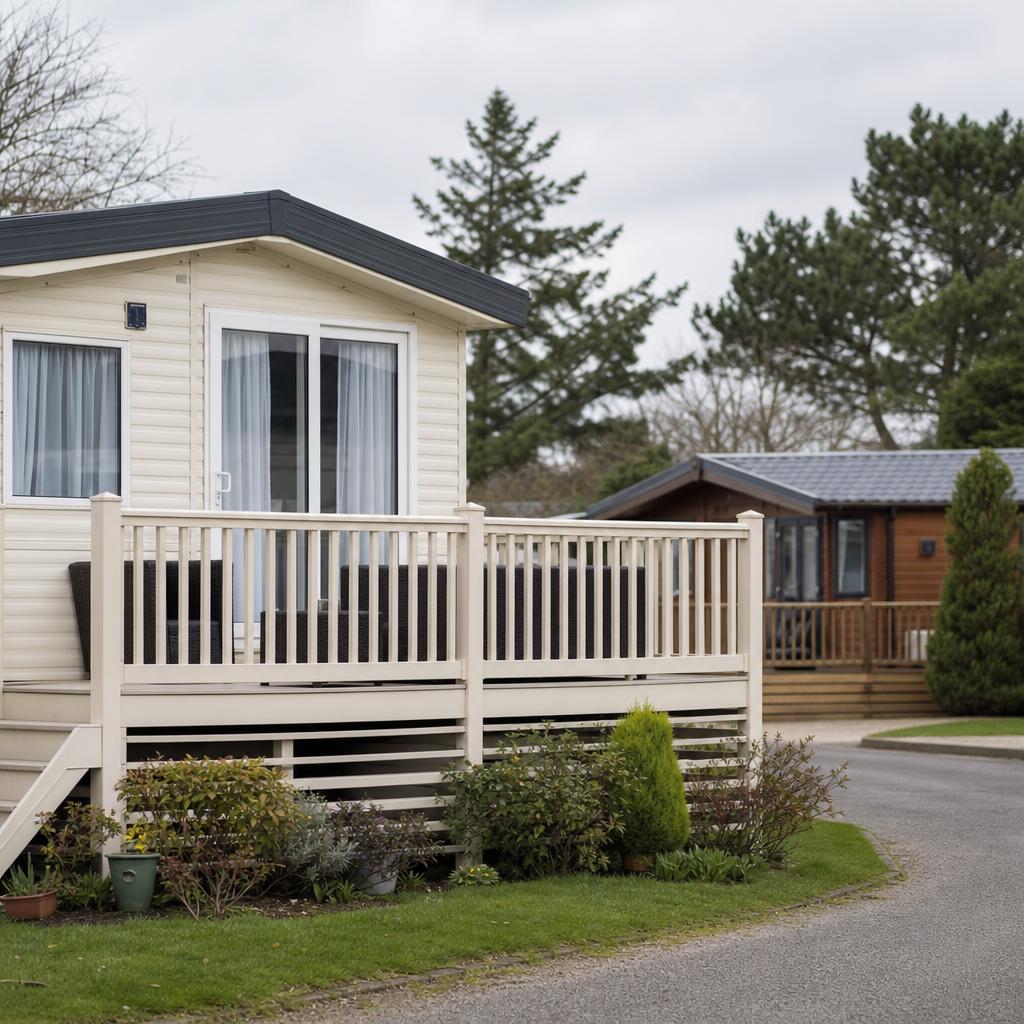
How does lodge status affect day-to-day living?
Lodge status affects everything from insurance to council tax. A residential lodge is usually treated more like a home, while a holiday lodge is treated more like a leisure unit. That means the rules for occupancy, utility supply, finance, and local authority treatment can differ sharply.
For example, council tax is generally linked to whether the lodge is your sole or main residence. On holiday parks, many owners do not pay council tax because the lodge is not classed as a permanent home. However, residential parks may trigger council tax in the normal way. According to buyer guidance from park operators, this is one of the first checks people should make before committing. It is also why the question can you permanently live in a lodge UK should be answered before you pay a deposit.
The short answer: it depends on the site licence
The shortest accurate answer is this: can you permanently live in a lodge UK only if the site licence and planning permission allow residential occupation. If they do not, the lodge is usually for holiday use only, even if it feels like a home.
This matters because licence wording is not a minor detail. It defines what you may do on the park. Residential parks are designed for full-time living, while holiday parks often limit stays to prevent permanent residency. Industry guidance from operators such as Can You Live in a Holiday Home Year-Round? Rules & Facts shows that “12 months open” does not automatically mean “permanent residence allowed.” That is a crucial distinction.
There are also financial consequences. A residential site may come with council tax, whereas a holiday site may not. Pitch or site fees can also differ. Our guide to Park Home Ownership Costs UK: Site Fees, Bills, Tax and Maintenance Explained explains why total ownership costs vary so much between sites. In many developments, pitch fees can form a meaningful monthly expense, and buyers should budget for them alongside utilities and insurance.
According to market data often cited by park operators, many buyers underestimate ongoing costs by 20% to 30%. That gap matters. If you plan to live in a lodge permanently, you need a park that supports that use without ambiguity. Otherwise, you could face enforcement action, refusal of services, or problems when selling later.
If you are comparing regions, Lodge Homes for Sale: How to Choose the Right Lodge, Park and Plot can help you filter by location and use type.
<div class="se-video" style="position:relative;padding-bottom:56.25%;height:0;overflow:hidden;margin:24px 0;">
For a first-hand look at the lifestyle, this tour and discussion from Leigh & Nick | The Lodge Guys is useful before you make assumptions about lodge living.
Residential lodges versus holiday lodges
Residential lodges are built and approved for permanent living. Holiday lodges are designed for leisure stays and usually have occupancy limits. That is the key distinction when asking can you permanently live in a lodge UK.
A residential lodge typically sits on a park with residential planning consent, permanent address recognition, and an agreement suited to main-home use. By contrast, a holiday lodge may be marketed as luxurious and fully equipped, but the site licence may still restrict it to holiday occupation only. In practice, that means you may not be allowed to use it as your sole residence, even if the lodge looks identical from the outside.
This is why buyers should compare the small print, not just the interior spec. Our page on Residential Park Homes vs Holiday Lodges: Key Differences Before You Buy breaks down the legal and lifestyle differences clearly. Likewise, Park Home vs Holiday Lodge: Key Differences Before You Buy is helpful if you are weighing one option against another.
Data from UK holiday parks commonly shows 11-month or 12-month access windows, but that does not override licence restrictions. Therefore, the words “open all year” and “permanent residence allowed” are not interchangeable. Research published by park home groups consistently warns buyers that the most expensive mistake is assuming a holiday lodge can become a main home without permission.
If you want a safe route into full-time lodge living, ask three questions. Is the park residential? Is the lodge approved for residential use? And does the agreement permit the address to be your main residence? If the answer to any of these is no, can you permanently live in a lodge UK becomes a practical no as well.
For buyers who want countryside or coastal settings, White Park Home Group Lodge Park Locations UK: Luxury Lodge And Park Home Developments Across The UK is a useful starting point.
What is a 12-month holiday licence?
A 12-month holiday licence means the park is open all year, but it may still restrict permanent residence. That is why can you permanently live in a lodge UK cannot be answered by “yes” just because the park never closes.
In many cases, owners can use the lodge across the year, but they must maintain another permanent address. That distinction matters for council tax, electoral registration, mail, and compliance. For some buyers, that works well as a second home. For others, it is unsuitable because they want a true main residence.
What documents should buyers check before buying?
Buyers should check four documents before paying a deposit. These are the site licence, the pitch agreement, planning permission, and the park rules. Together, they tell you whether can you permanently live in a lodge UK on that site.
Start with the site licence. It should state whether the park is residential or holiday use. Then review the pitch agreement. This sets out fees, notice periods, and responsibilities. Planning permission comes next, because local authority consent must match the intended use. Finally, read the park rules. These can include age limits, pet rules, subletting restrictions, and access requirements.
Here is the practical checklist:
– Site licence: confirms the permitted use of the park
– Pitch agreement: explains fees, obligations, and termination terms
– Planning permission: shows whether permanent residential use is allowed
– Park rules: sets the day-to-day standards for living on site
These checks are especially important if you are downsizing or investing. A buyer may love the home but still be unable to live there permanently. For many purchasers, the right first step is a guided process like How to Buy a Park Home in the UK: Step-By-Step Buyer Guide.
There is another reason to check carefully. According to buyer advice from residential lodge communities, most disputes come from unclear paperwork, not from the lodge itself. That is a solvable problem, but only if you ask early. If you want a lifestyle-led purchase in a scenic area, our Lodge Living in the UK: What Life Is Really Like in a Luxury Lodge Community guide provides useful context before you view.
<div class="se-video" style="position:relative;padding-bottom:56.25%;height:0;overflow:hidden;margin:24px 0;">
This recent buyer-focused video from Daz Preston69 is worth watching if you want real-world caution on pitch agreements and site rules.
Site licence
The site licence is the most important document. It tells you what the park is legally allowed to do. If it says holiday use only, that usually means can you permanently live in a lodge UK is answered with no.
Pitch agreement
The pitch agreement explains what you pay and what happens if rules are broken. It also affects selling later, so it should be reviewed carefully before exchange.
Planning permission
Planning permission must align with the park’s advertised use. Without it, permanent occupation may breach local authority rules. That can create serious risk for owners.
Park rules
Park rules govern daily life. They often cover age restrictions, pets, maintenance, and use of the home as a main address. Read them before you commit.
Risks of using a holiday lodge as a main residence
Using a holiday lodge as your main home without permission can create legal, financial, and resale problems. That is why can you permanently live in a lodge UK must be answered before you buy, not after you move in.
The first risk is enforcement. If a park is licensed for holiday use only, permanent occupation can breach the site rules. The second risk is insurance. A policy written for holiday use may not cover full-time residence. The third risk is lending. Some lenders will not finance a lodge that is not authorised for residential use. The fourth risk is resale, because future buyers will face the same issue.
There are also lifestyle risks. Holiday parks may have quieter winter periods, reduced services, or restrictions on utilities and post. Some owners enjoy that. Others find it impractical. According to user discussions and buyer forums, around 1 in 3 people researching lodge living first underestimate the difference between holiday and residential use. That misunderstanding can be costly.
Council tax is another common question. Do you pay council tax if you live in a lodge? Usually yes for residential homes, and often no for holiday-only homes. However, the exact position depends on how the property is classed and how it is used. For a broader understanding of ongoing expenses, see Park Home Living UK: Costs, Benefits, Rules and What to Expect.
So, is living in a lodge a good idea? Yes, for the right buyer and the right site. It can be an excellent choice for downsizers, retirees, and lifestyle movers. But it is only a good idea when the legal status matches your plans. Otherwise, the risks outweigh the benefits.
Questions to ask before buying
Ask the right questions early, and you reduce the chance of a bad purchase. If you are still asking can you permanently live in a lodge UK, the answers below should come before any reservation payment.
Use these questions during every viewing:
– Is the park licensed for residential or holiday use?
– Can the lodge be your sole or main residence?
– What council tax treatment applies?
– Are there any age restrictions on the park?
– What are the monthly pitch fees, and what do they include?
– How many months a year may you stay on site?
– What utilities are separately billed?
– Can you sublet, if needed later?
– What are the resale rules and notice periods?
These questions are not just for legal caution. They also help you compare value. In many parks, the monthly costs can differ by hundreds of pounds once pitch fees, insurance, and local charges are included. Buyers who check carefully are better placed to choose between countryside, coastal, and commuter-friendly locations.
If you are comparing different lifestyle options, our Holiday Lodges in Cornwall: Luxury Lodge Retreats Near Coast and Countryside page shows what holiday-focused ownership looks like, while Park Homes in Kent: Luxury Lodge and Park Home Living Near Coast and Countryside is useful for buyers considering a more residential path.
According to industry guidance, buyers who ask for the licence and planning documents upfront are far less likely to face surprises later. That is why the best purchase journeys are slow at the start and smooth at the end.
Speak to White Park Home Group about suitable lodge options
If you want clarity, speak to a specialist before you book a viewing. The answer to can you permanently live in a lodge UK should come from the park documentation, not from assumptions or sales pressure.
White Park Home Group helps buyers compare residential park homes and lodge developments across the UK. That matters because the right site can support full-time living, while the wrong one can restrict it. If you are looking for scenic countryside settings, coastal retreats, or investment-friendly locations, the right starting point is a development that clearly states its use type.
For many buyers, the process is straightforward once the rules are clear. Check the licence, review the agreement, and confirm the intended use. Then choose a location that suits your lifestyle and budget. If you want to explore options, start with White Park Home and then compare local guides such as Holiday Homes for Sale in Cornwall: Luxury Lodges, Ownership Costs and Locations or Park Homes for Sale in Derbyshire: Countryside Living Near Chesterfield and the Peaks.
A good lodge purchase should feel clear, not confusing. Therefore, if your goal is permanent living, choose a residential park and confirm everything in writing. That is the safest way to turn can you permanently live in a lodge UK into a confident yes.
Key Takeaways
- You can permanently live in a lodge in the UK only if the site is licensed and planned for residential use.
- A 12-month holiday park is not the same as a residential park, so “year-round” does not always mean “main home.”
- Buyers should check the site licence, pitch agreement, planning permission, and park rules before paying a deposit.
- Council tax, insurance, and finance can all change depending on whether the lodge is residential or holiday-only.
- The safest choice is a clearly residential lodge development with written permission for full-time living.
Frequently Asked Questions
Do you pay council tax if you live in a lodge?
Usually yes, if the lodge is your permanent residence on a residential park. Holiday lodges are often treated differently, so council tax may not apply in the same way. The exact position depends on the site’s licence, the lodge’s classification, and how you use the property. Always check the park paperwork before buying.
What is the lifespan of a lodge home?
A lodge home can last for decades if it is well built and properly maintained. Many owners expect 20 to 30 years of strong service, and some last longer with good upkeep. However, lifespan depends on build quality, weather exposure, maintenance, and the condition of the base and services.
Can I buy a lodge and live in it?
Yes, you can buy a lodge and live in it if the park is licensed for residential use and the agreement allows permanent occupation. If the lodge is on a holiday park, you may only be allowed to use it for leisure stays. Check the site licence, planning permission, and pitch agreement first.
Is living in a lodge a good idea?
Yes, for the right buyer and the right site. It can be an excellent choice for downsizers, retirees, and people who want a low-maintenance lifestyle in a scenic setting. However, it is only a good idea when the park’s rules match your plans for year-round living.
Enquire now