
Can you permanently live in a lodge? In the UK, the answer depends on planning permission, site licence terms, and whether the park is classed for holiday use or residential use. That distinction matters far more than the lodge itself. A well-built lodge can feel like a full-time home, but it still must sit on the right type of park if you want to live there permanently.
This is why buyers should check the rules before they fall in love with a plot or view. The same lodge style may be suitable for holidays on one park and year-round living on another. If you are comparing options, White Park Home Group’s guides on holiday lodge ownership rules in the UK and residential park homes under £100k in the UK are useful starting points. This article explains the legal difference, the practical reality, and the questions you should ask before buying.
The Short Answer: Can you permanently live in a lodge?
Yes, but only in the right circumstances. Can you permanently live in a lodge? You can do so legally only when the lodge sits on a residential park or a site with the correct residential licence and planning use. If the park is holiday-only, permanent living is generally not allowed.
That is the key rule buyers should remember. The building may be called a lodge, but the legal use of the land decides whether it can be your main home. For a clear overview of the buying journey, see how to buy a lodge in the UK. For a broader look at ownership costs, lodge ownership costs UK explains the practical side of running a lodge home.
Can you permanently live in a lodge? In short, the park paperwork matters more than the interior specification. Buyers sometimes assume that a lodge with central heating, decking, and year-round appeal must be suitable for full-time living. However, that is not enough. The site licence, planning status, and park rules must all support residential occupation.
The safest approach is simple:
– Ask whether the park is residential or holiday-only.
– Check whether the lodge can be registered as your main residence.
– Confirm how the site defines occupancy terms.
– Get written answers before you proceed.
If you want a practical comparison of living styles, lodge living in the UK is a helpful next read. It explains the lifestyle side as well as the legal one.
For outside context, guidance from a holiday-home ownership guide makes the same core point: holiday parks are not the same as residential communities. Likewise, a discussion on holiday home living experiences shows how often buyers misunderstand that difference before purchase.
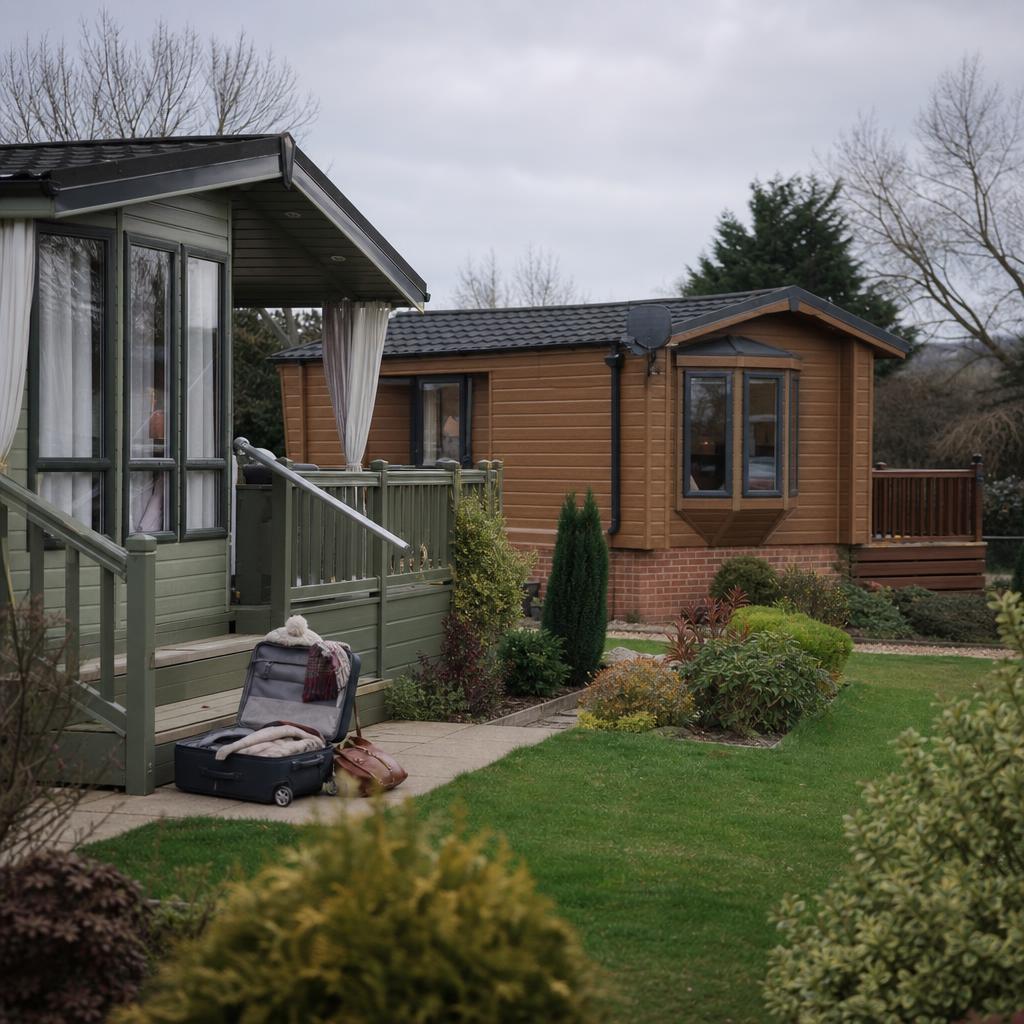
How does the lodge itself affect the answer?
The lodge’s design affects comfort, but not legality. A high-spec lodge may be warm, spacious, and attractive, yet still be restricted to holiday use if the site is licensed that way.
That is why buyers should never rely on appearance alone. In practice, can you permanently live in a lodge? Only when the land use permits it. The physical lodge matters, but the site rules decide the real answer.
Holiday Lodges Vs Residential Park Homes: What is the difference?
The difference is legal use, not just style. Holiday lodges are usually designed for short breaks, seasonal stays, or second-home use. Residential park homes are intended for permanent occupation and sit on sites approved for year-round living.
Can you permanently live in a lodge? If it is on a residential park, yes, provided the licence and planning conditions support it. If it is on a holiday park, the answer is usually no. That is why buyers should compare the two categories before they start searching by location or price.
This is where a dedicated comparison helps. White Park Home Group’s guide to holiday lodge vs residential park home explains the main differences clearly. You can also review lodges vs park homes vs static caravans if you want to understand how the property types relate.
In practical terms, residential park homes are usually better suited to buyers who want:
– A main home for retirement or downsizing
– A quieter community with long-term occupation
– A property that is treated as a residential dwelling
– A park where permanent address use is accepted
Holiday lodges are usually better for:
– Second-home ownership
– Leisure and retreat use
– Flexible holiday stays
– Buyers who do not need a main residence at the park
Can you permanently live in a lodge? The answer changes depending on which of those two routes you choose. That is why the same word, lodge, can confuse people. The right question is not just what the building is. It is what the site allows.
What is a residential lodge or park home?
A residential lodge or park home is a home on a site approved for permanent living. It is designed for year-round occupation and should be treated as a main residence under the park’s rules.
Can you permanently live in a lodge on that type of site? Yes, if the licence and planning permission match the residential use.
What is a residential licence and why does it matter?
A residential licence allows a park to be used for permanent living. It is one of the strongest indicators that a lodge can be occupied as a main home, subject to the site’s planning position and contract terms.
Can you permanently live in a lodge? A residential licence is often the deciding factor. Without it, a park may be restricted to holiday use only. That means you may be able to stay often, but not lawfully treat it as your main home.
This is the point many buyers miss. They ask about kitchen size, insulation, and views, but forget the legal status of the land. For a step-by-step overview of how ownership works, White Park Home Group’s how to buy a park home in the UK guide is a useful companion. If you want to understand ongoing charges, park home site fees explains what owners typically pay for site management and services.
A residential licence normally means the park is intended for year-round occupation, and the park rules should reflect that. However, buyers should still check:
– Whether the park has residential planning permission
– Whether there are age restrictions
– Whether pets are allowed
– Whether the lodge can be used as the main address
Can you permanently live in a lodge? If the answer is yes, you should have written confirmation that the park is residential. If the answer is vague, assume the park is not suitable until proven otherwise.
For an external reference, the concept of residential lodge parks is widely discussed by specialist residential park resources. That reinforces the same legal principle: residential status is what makes full-time living possible.
What paperwork should buyers ask for?
Ask for the site licence, the planning status, and the park rules. Those documents are the clearest proof of whether permanent living is allowed.
Can you permanently live in a lodge? If the seller cannot show the residential paperwork, do not assume the lodge qualifies.
Can you permanently live in a lodge if the park is holiday-only?
Usually, no. Holiday-only parks are intended for temporary use, not as a main residence. Even if you visit for many months of the year, the site may still prohibit full-time living.
This is one of the most important questions in the market. Can you permanently live in a lodge? Not on a holiday-only park unless that park has a separate residential permission, which is uncommon. The rules are there to protect land-use conditions and to keep holiday and residential uses separate.
Holiday-use restrictions often include limits on:
– The months you can occupy the lodge
– Whether you can register it as your main address
– Whether mail can be delivered there as a permanent residence
– Whether the site is open all year for holiday visits only
Buyers often think “open all year” means “live there all year.” It does not. A park can be open year-round for holidays and still prohibit permanent occupation. That is why a careful reading of the licence matters more than a quick sales conversation.
For a useful breakdown of holiday-use rules, see holiday lodge ownership rules in the UK. It covers the sort of restrictions buyers should expect before they commit.
Can you permanently live in a lodge? If the park is holiday-only, the safer assumption is no. If you want a main home, look for residential park homes or residential lodge developments instead. That route gives you a much clearer legal position and a more suitable ownership structure.
Can you stay in a lodge all year round?
You may be able to visit a lodge all year round on some holiday parks, but that is not the same as living there permanently. All-year access does not override holiday-only occupancy rules.
Can you permanently live in a lodge? Not just because you can visit in every season. The park must also allow it.
Questions To Ask Before Buying Can you permanently live in a lodge?
The best way to avoid disappointment is to ask the right questions early. Can you permanently live in a lodge? You should not rely on marketing wording alone. Instead, ask for clear written answers about licence type, planning use, and occupancy rules.
A good buyer checklist should cover the following:
– Is the park residential or holiday-only?
– What months can the lodge be used?
– Can the lodge be your main residence?
– What address can you use for official records?
– Are there age, occupancy, or pet restrictions?
– Are site fees and utilities clearly explained?
If you want a broader property shortlist, White Park Home Group’s luxury lodges for sale page and holiday home parks in the UK guide can help you narrow the right type of park before you enquire.
The process should be calm and documentary-led. Ask to see the written park rules. Ask whether the property can be used as your sole or main residence. Ask how the park distinguishes between holiday and residential use. In addition, check the ownership terms before you commit.
Can you permanently live in a lodge? The answer becomes much easier when the paperwork is clear. If the seller is transparent, you should be able to tell very quickly whether the lodge fits your plans. If the answers are unclear, keep looking.
What address can you use as your main residence?
If the park is residential, you may be able to use it as your main address. If it is holiday-only, you normally should not.
Can you permanently live in a lodge? This question often turns on whether the park accepts main-residence registration, not just whether the lodge looks liveable.
Common mistakes buyers should avoid
The biggest mistake is assuming a lodge that looks like a home can be treated like one. It cannot unless the site rules allow it. Can you permanently live in a lodge? Not if you buy the wrong type of park.
Another common error is focusing on the lodge’s finish and ignoring the licence. Buyers also sometimes miss hidden ongoing costs. To understand the financial side more clearly, White Park Home Group’s park home ownership costs UK guide is a practical resource.
Avoid these mistakes:
– Buying before checking the site licence
– Assuming year-round park opening means residential use
– Failing to ask for written confirmation
– Ignoring site fees and running costs
– Not checking whether the address can be used officially
It is also wise to consider the condition and expected lifespan of the lodge. A well-maintained home can last many years, but the actual lifespan depends on build quality, upkeep, exposure, and park standards. That is why ownership decisions should be based on documents, not assumptions.
For a wider lifestyle perspective, a first-hand video such as
<div class="se-video" style="position:relative;padding-bottom:56.25%;height:0;overflow:hidden;margin:24px 0;">
can be useful. It helps buyers understand daily life in a lodge setting before they enquire further. In addition, another practical walkthrough can be placed here: .
Can you permanently live in a lodge? Yes, but only if the legal framework supports it. That is why careful due diligence is not optional. It protects your budget, your lifestyle, and your long-term plans.
What is the lifespan of a lodge home?
There is no single fixed lifespan for every lodge home. It depends on build quality, maintenance, weather exposure, and how well the park is managed.
Can you permanently live in a lodge? You can, but longevity should be assessed by condition and upkeep, not by marketing claims.
Speak To White Park Home Group About The Right Option
If you are still asking, can you permanently live in a lodge? the next step is to match your goals to the correct type of park. A holiday lodge, a residential lodge, and a park home all serve different purposes. Choosing the right one avoids legal problems and wasted time.
White Park Home Group can help buyers compare options across holiday retreats and residential-style living. If you are exploring locations, you may also find lodges in Cambridgeshire and park homes in Cornwall useful examples of how lifestyle and setting influence the right choice.
The best purchase is the one that fits both your ambitions and the park’s legal use. If you want a holiday base, choose a holiday park. If you want a main residence, choose a residential site. That simple rule keeps your plans aligned with the law.
Can you permanently live in a lodge? Yes, when the site is residential and the documents confirm it. If you want help comparing lodge living, site rules, and ownership costs, White Park Home Group can guide you toward the right fit from the start.
How should buyers decide between holiday and residential living?
Start with your intended use. If you need a main home, only consider residential sites.
Can you permanently live in a lodge? If your goal is full-time living, the residential route is the one that matches that need.
Key Takeaways
- Can you permanently live in a lodge? Yes, but only if the park is residential and the paperwork allows full-time occupation.
- Holiday lodges and residential park homes are not the same, even if they look similar.
- A holiday-only park usually cannot be used as your main residence.
- Buyers should always check the site licence, planning status, and written park rules before they commit.
- Council tax, address use, and occupancy rights depend on whether the lodge is treated as a main home or a holiday property.
Frequently Asked Questions
Can you legally live in a lodge?
Yes, but only if the lodge is on a residential park or a site with the correct permission. If it is on a holiday-only park, you usually cannot legally use it as your main home. Always check the site licence and planning status before buying.
Can you stay in a lodge all year round?
You may be able to visit or use a lodge throughout the year on some parks, but that does not always mean permanent living is allowed. A holiday park can be open all year and still restrict main-residence use. The site rules decide what is permitted.
What is the lifespan of a lodge home?
There is no single fixed lifespan. It depends on the quality of the build, ongoing maintenance, weather exposure, and how well the lodge is cared for. A well-kept lodge can last for many years, but buyers should assess condition rather than rely on a generic claim.
Do you pay council tax if you live in a lodge?
If you live in a lodge as a main residence on a residential site, council tax may apply. Holiday-use properties are treated differently, so the tax position depends on the park’s legal status and how the lodge is used. Always confirm the exact treatment before purchase.
Enquire now