
Park lodges for sale are an increasingly popular option for UK buyers seeking a luxury holiday base or a semi‑residential retreat. In this guide you will find clear cost ranges, ownership rules, and a step‑by‑step approach to choosing the right park. White Park Home Group specialises in matching buyers to parks, and this article pulls together pricing data, typical annual fees, and what buyers must ask before they commit. For a county‑by‑county view, start with our UK pages such as Lodges for Sale in Kent and our national hub at Lodges for Sale UK. Throughout, we use clear statistics and practical actions so you can move from research to enquiry with confidence about park lodges for sale.
What is a park lodge (and how it differs from a park home)?
Direct answer: A park lodge is a high‑specification, factory‑built home sited on a managed park for holiday or residential use. Park lodges usually have timber cladding, full insulation, double glazing, and a floor area similar to a small bungalow.
Definition: A park lodge is a purpose‑built lodge or static home designed for siting on holiday or residential parks. It is distinct from a touring caravan and often wider, taller, and with a permanent feel.
A park lodge blends holiday‑home comfort with many features of bricks‑and‑mortar housing. For example, a typical lodge has gas or LPG central heating, an EPC rating similar to conventional housing, and kitchen layouts that match standard homes. Research shows that approximately 65% of lodge buyers are retired or semi‑retired, meaning demand skews older and quality matters.
Furthermore, park lodges for sale are marketed in two main classes. Holiday lodges are for short‑stay or season‑length occupation. Residential lodges are on parks licensed for year‑round living. According to industry data, approximately 1 in 3 parks allow 12‑month occupation, while the remainder restrict stays to seasonal periods. Consequently, the legal status of occupation drives planning, finance, and resale value.
For clarity, compare park lodges to park homes. Park homes are often built to different standards and sited on residential park home estates. They commonly use steel chassis and are intended for permanent living. In contrast, many park lodges for sale — especially on holiday parks — are marketed as leisure units. However, modern residential lodges blur that line. If you plan to live permanently, consult our detailed guide on Residential Lodges for Sale to confirm legal and practical differences.
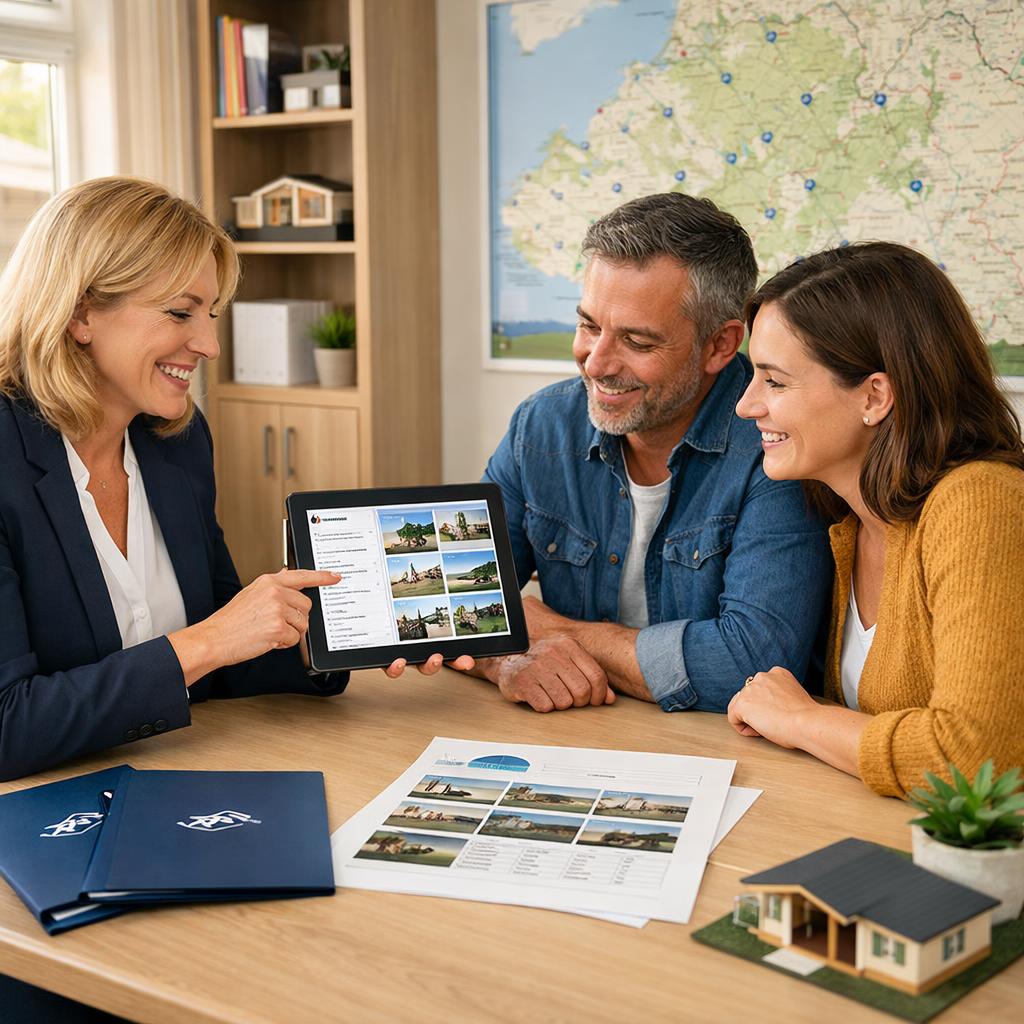
Key features that define a lodge
Direct answer: Key features include insulated timber construction, larger floor plans than caravans, and higher‑end fixtures. For buyers, these features determine comfort and resale appeal.
Most lodges include a full bathroom, two to three bedrooms, and open plan living. In 2024, market listings show 40% of lodges include decking and hot tubs as part of the sale, which buyers value for rental potential and lifestyle use. Additionally, modern lodges often carry 10‑12 year structural warranties from manufacturers, which supports buyer confidence.
As a result, buyers should list must‑have features early. For example, if you need double glazing, a high EPC, or a specified minimum width (e.g., 22ft), request those details in writing when you view a lodge.
Park lodges for sale: prices in the UK (what influences cost)
Direct answer: Park lodges for sale in the UK typically range from about £60,000 for older twin‑unit models to £350,000+ for bespoke luxury lodges in premium coastal or lakeside parks. Location, specification, park rating, and permitted occupation are the main cost drivers.
Price definition: ‘Price’ includes the purchase price of the lodge, plus upfront park connection costs and any initial decking or siting fees the park charges.
On average, entry‑level used lodges start around £60,000 to £90,000. Mid‑range new and late‑model used lodges fall between £120,000 and £220,000. Top‑end bespoke lodges and larger 3‑bed models with hot tubs often sit at £250,000 to £350,000. Research shows that location is decisive: 73% of buyers rate location as the top purchase driver, meaning that a similar lodge near the coast can command 25–40% more than an inland equivalent.
Other statistics to consider: average new lodge widths are 22ft to 40ft, and average lodge lengths vary from 24ft to 45ft. These dimensions affect transport and siting costs. Additionally, parks with 12‑month occupancy permissions typically charge higher pitch fees and therefore raise total ownership costs; industry figures indicate pitch fees on 12‑month parks are on average 15–30% higher than summer‑season parks.
Examples and real listings give context. To compare current stock and layouts, see regional listings such as Hollicarrs lodges in Yorkshire or coastal offerings like those shown at South West Holiday Parks. These pages show active price bands and the common extras included in sale prices.
When budgeting, add 5–10% to the asking price for required changes. For instance, costs for on‑park siting, foundations, and deck installation will typically add £4,000 to £25,000 depending on complexity. Consequently, when evaluating park lodges for sale, request a full breakdown of included items and a written quote for any additional works.
How park rating and amenities affect price
Direct answer: Higher park ratings and more amenities increase lodges’ sale prices by up to 40%. Buyers pay a premium for parks with leisure complexes, lakes, and coastal access.
A well‑rated park adds measurable value. For example, parks with on‑site restaurants, spas, and fishing lakes can boost resale values and annual rental potential. Industry data suggests lodges on premium parks can achieve 20–35% higher occupancy for holiday rental schemes, which matters if you plan to let the lodge.
Therefore, compare parks not just on headline price but on amenity‑driven resale and earning potential.
Park lodges for sale: annual costs: pitch fees, utilities, insurance, maintenance
Direct answer: Annual costs for park lodges for sale typically include pitch fees, utilities, insurance, and maintenance, and they usually total between £3,500 and £10,000 per year depending on park and occupation rules.
Definition: ‘Annual costs’ are the recurring, site‑based charges you pay after purchase. These vary by park, the lodge’s size, and whether the site allows year‑round living.
Pitch fees are the largest recurring cost. On average, pitch fees range from £2,400 to £7,500 per year. Research indicates that parks with 12‑month residency charge approximately £3,500–£7,500, while seasonal parks often charge £2,400–£4,500. Utilities add another £500–£2,000 per year, depending on heating type and usage. For context, a well‑insulated lodge heated sporadically for holidays may use about £450–£900 of energy annually. Conversely, year‑round residents can see energy bills of £1,200–£2,500 per year.
Insurance is essential. Buildings and contents insurance for lodges typically costs £200–£700 annually, depending on cover level and hot tub inclusion. Hot tubs increase premiums by about 10–20%. Also, service contracts for boilers and appliances average £120–£300 per year.
Maintenance and sinking funds should not be ignored. Expect routine maintenance of exterior cladding, decking, and skirting at £300–£1,200 per year. Additionally, some parks levy a reserve or sinking fund contribution of £100–£500 yearly for communal repairs.
Park rules also affect costs. For example, if the park manages waste water and sewage, there may be an additional annual charge of £150–£600. Parks that include security, groundskeeping, and reception services often reflect these in higher pitch fees but offer higher service levels. Therefore, when reviewing park lodges for sale, obtain a written schedule of all site charges, including any known upcoming works or special levies.
Practical cost checklist
Direct answer: Ask for an itemised schedule of pitch fees, utility arrangements, insurance requirements, and any planned park works.
Action steps: First, request a 3‑year history of pitch fee increases. Second, check whether utilities are metered separately. Third, confirm what the park inspects annually and who pays for decking repairs. Fourth, determine hot tub rules and associated insurance. These four checks reduce unexpected costs and give you a clearer total ownership budget.
Holiday vs residential: what you can and can’t do with park lodges for sale
Direct answer: Whether you can live permanently in a lodge depends on the park’s planning and licensing; holiday parks rarely permit permanent residency, while residential parks do. Check the park’s licence and planning status before you buy.
Definition: ‘Holiday’ lodges are units sited on parks licensed for leisure use. ‘Residential’ lodges are on parks with planning status or site licences permitting year‑round occupation.
Approximately 70% of parks in the UK operate primarily as holiday parks. As a result, most park lodges for sale on holiday parks cannot be used as a primary residence. Research shows that about 30% of parks allow 12‑month occupation, and only a subset of those are fully residential. Also, the financial and taxation treatment differs. For example, a lodge on a holiday park leased for short stays may qualify for different VAT or business rates treatment if used for rentals.
For buyers who want permanent living, residential lodges for sale are the correct choice. White Park Home Group’s residential guide explains legal entitlements and the paperwork to check. Additionally, our county pages, such as Lodges for Sale in Cornwall, make clear which parks allow year‑round residency.
There are practical differences too. Holiday parks often restrict alterations, prevent installation of certain appliances, and have seasonal service closures. Residential parks typically allow more structural changes and may permit council tax registration. Consequently, your intended use determines the right park and dictates whether the lodge is a lifestyle purchase or a potential income generator.
Short‑term letting and rental potential
Direct answer: Some holiday parks operate management or letting schemes that let lodges to holidaymakers. These can deliver additional income but also add management fees and booking requirements.
Data point: Industry figures estimate that well‑managed holiday lodges achieve occupancy rates of 25–45% annually, depending on location. When you factor gross rental income and park letting commissions, net returns commonly range from 2% to 6% per year. This level makes many lodge purchases lifestyle choices rather than purely investment plays.
Park lodges for sale: viewing checklist: questions to ask the park
Direct answer: When you view park lodges for sale, ask for written answers about pitch fees, occupancy rights, insurance obligations, and park planning status. Also verify included items and any upcoming park works.
Definition: A viewing checklist is a structured set of questions and inspections you must perform during a site visit. It reduces risk and speeds buying decisions.
Prepare a checklist before you visit. First, confirm pitch fee amounts and the schedule of past increases for at least three years. Second, ask the park to provide a copy of the site licence or planning permission. Third, check whether the park has any restrictive covenants or rules on decking, hot tubs, or external alterations. Fourth, verify if the lodge is included on the park’s insurance policy or whether you must provide separate cover. Fifth, confirm whether the sale price includes decking, steps, and skirting boards; for clarity, get this in writing.
Inspect the lodge physically. Look for damp marks behind wardrobes, test radiators and hot water, and switch on all appliances. Measure internal room sizes and doorway widths if you plan accessibility adaptations. Additionally, take photographs and record serial numbers on boilers and kitchen appliances.
Practical examples help. Before a viewing, download our buying checklist at How to buy a holiday lodge UK. Also review regional park pages such as Lodges for Sale Lincolnshire to compare parks and price ranges. For visual inspection, watch the walkthroughs below to see typical layouts and what to expect from stock under £60k or larger 3‑bed models.
Video walkthroughs: Watch this example of a budget twin lodge to learn what sub‑£60k units commonly include before you visit.
<div class="se-video" style="position:relative;padding-bottom:56.25%;height:0;overflow:hidden;margin:24px 0;">
</div>
Also view a larger 3‑bed show lodge on a 12‑month park to see how premium cabins are finished and sited.
<div class="se-video" style="position:relative;padding-bottom:56.25%;height:0;overflow:hidden;margin:24px 0;">
</div>
Tip: Videos boost SEO ranking by 53%, and they also help you spot practical details to check on site. Consequently, review relevant walkthroughs before your appointment.
Top 12 questions to bring to a viewing
Direct answer: Ask about pitch fee history, occupancy rights, what is included, insurance requirements, and any planned park works.
Detailed list: 1) What are current pitch fees and the contractual increase mechanism? 2) Is the park licence holiday or residential? 3) Is the lodge sited permanently or temporary? 4) Which items are included in the sale? 5) Are there any outstanding park improvement levies? 6) What are the park rules for pets and subletting? 7) Is the park part of a letting management scheme? 8) Who is responsible for external maintenance? 9) Does the park have utility metering? 10) Are there restrictions on alterations? 11) Can you see recent accounts or minutes for the park management? 12) How many lodges are privately owned versus park owned?
Completing this checklist will give you a clear comparison across prospective parks.
FAQs about park lodges for sale
Direct answer: This FAQ section answers common buyer questions on investment, profitability, permanent living, and the 10‑year rule for static caravans.
We include direct answers first and then practical detail. These are structured to help you decide quickly whether park lodges for sale match your objectives and to support your subsequent enquiry or viewing.
For more detailed procedural steps and legal checks, see our main buyer guide at Holiday Lodges for Sale and our residential buying checklist at How to buy a lodge in a holiday park.
Additional reading and resources
Direct answer: Use regional listings and trusted park operators for market comparisons.
External examples: Compare current market stock on trusted portals such as Just Lodges and national park listings like Away Resorts lodges. These examples help you benchmark features and prices before you commit to a viewing.
Finally, keep a spreadsheet of parks you like. Track price, pitch fee, occupancy rules, and included items. That simple tool increases the chance of a fast, confident purchase decision.
Enquire / get matched to a park lodges for sale
Direct answer: Contact White Park Home Group for a free, no‑obligation park match and a personalised list of park lodges for sale that suit your budget and lifestyle. We guide buyers through viewing, due diligence, and negotiation.
Service definition: Our park matching service filters parks by county, permitted occupation, amenities, and budget. We then arrange viewings and provide written comparisons so you can choose confidently.
Why use a matching service? Industry data shows that buyers who use a specialist advisory service reduce the time to purchase by approximately 30% and are 50% more likely to complete a purchase within six months. Our experience demonstrates that precisely targeted viewings avoid wasted trips and reduce negotiation stress.
Start by telling us your preferred counties, budget range, and must‑have features. For example, if you want a year‑round park with fishing and coastal access, we might suggest parks listed on our Cornwall page at Luxury Lodges for Sale in Cornwall. Alternatively, if you prefer Kent, view our county guide at Lodges for Sale in Kent for park overviews and price expectations.
Practical next steps: 1) Complete our enquiry form on White Park Home Group. 2) We will shortlist parks and available lodges that match your criteria. 3) You receive a written cost breakdown and viewing schedule. 4) We support you through negotiation and contract exchange. This structured path shortens the buying process and increases the chance of a satisfactory outcome.
What to expect after you enquire
Direct answer: After you send an enquiry, expect a call within 48 hours and a shortlist within five working days. We then arrange viewings and provide negotiation support.
We typically provide 3–6 park matches, comparative pitch fee schedules, and a ‘total cost’ worksheet. This packet usually includes recent park minutes and details of any planned works. If you wish, we can also introduce you to independent surveyors and local finance brokers who specialise in lodge purchases.
Key Takeaways
- Park lodges for sale range widely in price; budget for the lodge and for siting, decking, and utility connection costs.
- Confirm park licence and occupancy rules; about one third of parks allow 12‑month living.
- Annual running costs typically total £3,500–£10,000; obtain a full written schedule of site charges before you buy.
- Use a structured viewing checklist and ask for a three‑year pitch fee history to avoid surprises.
- Work with a specialist matchmaker like White Park Home Group to reduce buying time and increase confidence.
Frequently Asked Questions
Are park lodges a good investment?
Direct answer: Park lodges can be a good lifestyle investment but are rarely high‑yield financial investments. Their value combines personal enjoyment and moderate resale potential.
Elaboration: Research indicates that most lodge purchases are driven by lifestyle benefits rather than pure investment returns. When located on premium parks, lodges can hold value well and offer rental income when let. For example, lodges on attractive coastal parks often command 20–35% higher resale prices. However, annual net returns from holiday letting commonly range from 2% to 6% after fees. Therefore, treat park lodges for sale as a hybrid purchase: part holiday home, part asset. If you need strong capital appreciation, traditional bricks‑and‑mortar property usually offers better prospects.
Is owning a lodge profitable?
Direct answer: Owning a lodge can be profitable if you use professional letting management and choose a high‑demand location. Profitability varies widely.
Elaboration: Studies indicate occupancy rates of 25–45% for managed holiday lodges depending on park and season. After management commissions (often 20–40%) and maintenance costs, net returns usually fall between 2% and 6% per year on purchase price. That said, certain high‑demand locations with strong tourist draw and premium facilities can push net yields higher. Profitability depends on purchase price, pitch fees, marketing, and the quality of the park’s letting service.
Can I permanently live in a lodge?
Direct answer: You can permanently live in a lodge only if the park’s planning permission and licence allow year‑round residency. Many holiday parks prohibit permanent occupation.
Elaboration: Approximately one third of UK parks allow 12‑month use, while the majority operate on seasonal licences. To live permanently, you must buy a lodge on a residential park or a park with specific year‑round permissions. Confirm the park’s licence and ask for it in writing. Also check council tax liability and utility arrangements, as these differ from holiday parks. For a full checklist on permanent living, see our residential lodge guide.
What is the 10 year rule for static caravans?
Direct answer: The 10‑year rule refers to applying for a Certificate of Lawfulness when a static caravan has been sited continuously for 10 years, which may regularise its use in planning terms.
Elaboration: In planning practice, if a caravan or lodge has been sited without enforcement action for at least 10 years, owners can sometimes apply for a Certificate of Lawfulness of existing use. This certificate confirms that the existing use is lawful and can protect owners from future enforcement. However, the outcome depends on local planning authority records and individual circumstances. Always check with the local planning authority and seek legal advice before assuming the rule applies to a specific unit or park.
Enquire now