
Park homes UK are a practical, lifestyle-led housing option for buyers who want low-maintenance living, a strong sense of community, and a calmer setting than many traditional homes. In the UK, they are usually single-storey, purpose-built homes set on managed parks, and they can suit retirees, downsizers, couples, and some families who value ease, security, and scenic surroundings. If you are comparing ownership, costs, and lifestyle, it helps to start with the basics and then look at how park homes UK work in real life. For a wider overview of options, you may also want to compare a Residential Park Homes in the UK guide with a lodge-specific explanation before you decide. This article breaks down the legal rules, running costs, ownership structure, and the main advantages and drawbacks. It also explains how park homes UK compare with houses, holiday lodges, and other low-maintenance property choices, so you can make a more confident decision.
What Is a Park Home in the UK?
A park home in the UK is a factory-built, single-storey home placed on a licensed park and used as a residence or, in some cases, as a holiday home. In simple terms, park homes UK are designed for comfortable, compact living on a managed site rather than on a standard residential street.
They are often built to a high specification. Many include open-plan kitchens, integrated appliances, insulated walls, and modern heating systems. According to industry sources such as Omar Park Homes, residential park homes are often chosen for their efficient layout and lower maintenance demands. That matters because many buyers want a home that is easier to manage than a larger brick-built property.
The term can cause confusion. Some people use "mobile home" or "static home," but those words do not always describe the same thing. In today’s market, park homes UK usually refers to a permanent-style home on a residential park, not a caravan for touring or a short-term holiday unit. Age UK also explains the residential park home model clearly in its housing guidance, which is helpful if you are comparing lifestyle options. See Age UK’s guide to living in a residential park home for a practical overview.
There are some important numbers to understand. Residential park homes are often built to BS 3632 standards in the UK, which set expectations for thermal efficiency and construction quality. In addition, many park home residents report lower internal upkeep because the homes are smaller than typical family houses. A smaller footprint can reduce cleaning time by 30% to 50% for many households, depending on size and lifestyle. That is one reason park homes UK appeal to buyers who want convenience without sacrificing comfort.
If you are viewing properties, look closely at the park licence, the pitch agreement, and whether the park permits year-round residential use. Those details shape how park homes UK function day to day. They also affect whether the home is right for permanent living or better suited to leisure use.
A useful next step is to compare home types directly. Our Park Home vs Holiday Lodge: Key Differences Before You Buy guide can help you separate residential use from holiday-only ownership before you make an offer.
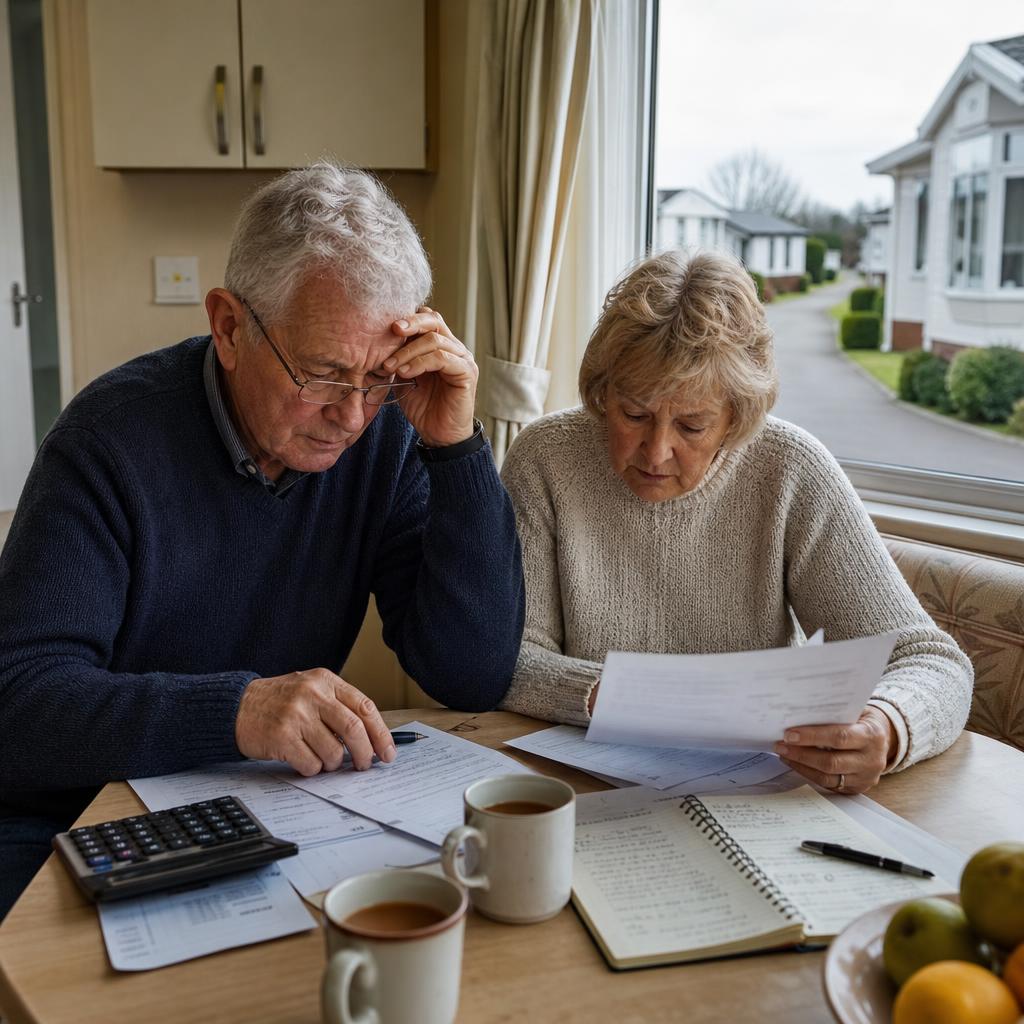
How does a park home differ from a conventional house?
A park home differs from a conventional house because it sits on a pitch rather than on a freehold plot in a standard housing estate. The home itself may feel similar inside, but the ownership structure is usually different.
That difference matters. Instead of buying land and buildings together, you typically buy the home and pay ongoing site-related charges. As a result, park homes UK can offer a lower entry price, but buyers should budget carefully for recurring costs.
Residential Park Homes vs Holiday Lodges
Residential park homes and holiday lodges are not the same thing. Residential park homes UK are intended for year-round living where the site licence allows it, while holiday lodges are normally restricted to leisure or holiday use only.
This distinction is crucial because the wrong purchase can cause major problems later. For example, a holiday lodge may look luxurious and feel residential, but it may still be unlawful to use it as a main home. That is why buyers should check the site licence, the park rules, and the wording in the agreement before they commit. Our Can You Live in a Lodge All Year Round in the UK? guide explains this issue in detail.
In practical terms, residential park homes UK are more closely linked to long-term occupancy. Holiday lodges are often marketed for retreats, second homes, or seasonal stays. Some are similar in finish, however the legal use is different. The location also tends to differ. Residential parks are often set up for stable communities, while holiday parks can focus more on tourism, recreation, and short-stay facilities.
There are also cost differences. Holiday lodge ownership often includes different site charges and utility structures. If you want to compare recurring expenses, our Holiday Lodge Site Fees: What Owners Pay and What They Usually Include article is useful. It shows how holiday costs can differ from residential charges.
The lifestyle split matters as well. Park homes UK usually suit people looking for quieter, lower-turnover communities. Holiday lodges often suit buyers who want occasional use, scenic escapes, or flexible second-home ownership. Meanwhile, some parks now offer premium lodge-style homes with residential-style finishes, which can make the decision more confusing.
If you are not sure which category you need, compare the legal use first, then the appearance. A beautiful home does not automatically mean it is suitable for permanent living. That is a key lesson for anyone researching park homes UK, lodges, or mixed-use parks.
Data from the park home sector suggests that many buyers are drawn to affordability and simplicity. In fact, industry commentary often shows that a significant share of buyers are downsizers over 50, with many seeking smaller, easier homes. That makes sense, because reduced space can mean less maintenance, lower heating demand, and fewer chores.
What should buyers check first: the home or the licence?
The licence should come first. A home may look perfect, but if the park only allows holiday use, it will not work for permanent residence.
Therefore, always confirm the site’s permitted use before you compare interiors or features. That simple step protects buyers who are exploring park homes UK for long-term living.
Who Is Park Homes UK Living Best For?
Park homes UK living is best for buyers who want a manageable home, a calmer environment, and a clear ownership structure. It often suits retirees, downsizers, and couples, but it can also work for some families where parks allow all-age occupation.
The strongest fit is usually someone who values convenience. If you want fewer stairs, less maintenance, and a close-knit community, park homes UK can be very appealing. For many buyers, the biggest benefit is not just the home itself. It is the lifestyle that comes with it. Smaller living spaces often make daily routines simpler, and that can reduce stress.
Age UK highlights residential park homes as a housing option that may suit older adults who want a more practical and affordable place to live. In many cases, residents are attracted to the single-level layout and the potential for easier upkeep. That matters because the average household spends around 2 to 5 hours per week on basic home cleaning, and compact homes can reduce that burden.
Park homes UK can also appeal to people who want to release equity from a larger property. Downsizers often move because they want to lower bills, simplify life, or live closer to nature. In England, many traditional households face high housing costs, and recent market commentary shows that lower-cost alternatives remain attractive when mortgage rates or household budgets feel tight. A smaller home can be a smart move when the objective is lifestyle improvement rather than square footage.
Families sometimes consider park homes too, especially in parks with all-age occupancy and good local amenities. However, they should check school access, transport links, and local employment opportunities. Without those, the setup may not suit a full family lifestyle.
If your priority is scenic settings, premium finishes, and a community feel, park homes UK can deliver that. They are especially attractive in countryside, coastal, and semi-rural locations. Buyers who want luxury-led living should also explore how residential parks differ from lodge parks, because the feeling can be similar even when the legal framework is not. For a broader choice of plots and homes, review our Park Homes for Sale in the UK: Residential Living, Holiday Use and Buyer Advice page.
In short, park homes UK suit buyers who want practical comfort, not complexity. That is why they remain popular among people making a lifestyle-led move.
Is park home living mainly for retirees?
No, although retirees are a major audience. Park homes UK also suit downsizers, couples, and some families where the park allows permanent occupation.
However, the strongest demand usually comes from buyers who want simpler, lower-maintenance living. That group often prioritises peace, community, and predictable ongoing costs.
How Much Does It Cost to Live in a Park Home?
The cost of park homes UK living depends on the purchase price, the pitch fee, utility use, council tax, insurance, and maintenance. In many cases, the entry price is lower than a traditional house, but the ongoing charges must be understood clearly.
According to UK market listings and park sector guidance, park home prices can range widely. Entry-level pre-owned homes may be available in the low six figures, while luxury new homes can cost far more. It is not unusual to see premium homes priced from around £150,000 to £350,000 or above in desirable locations, especially where finishes, views, and park quality are strong. A high-spec luxury park home can therefore sit well above the price of some conventional flats, but still below many detached houses in the South East.
Ongoing costs can be more important than headline price. Research shows that buyers often underestimate recurring charges by 20% to 40%. That can create budget pressure later, especially if pitch fees rise or utilities are higher than expected. For park homes UK, the right question is not only “what does it cost to buy?” but also “what does it cost every month?”.
If you want a related breakdown for lodge-style ownership, our How much does a holiday lodge cost to buy in the UK? guide offers useful context. However, residential park homes UK have different rules, so you should not compare them line by line without checking the site use and council tax treatment.
Below is a practical cost guide for buyers.
Purchase Price
Purchase price is the biggest upfront cost. New park homes UK usually cost more than pre-owned homes because they include modern fittings, warranties, and better energy performance.
As a result, a newer home can be easier to run, but the headline price may be 10% to 30% higher than an older equivalent. Buyers should compare age, condition, and manufacturer support before deciding.
Pitch Fees and Site Fees
Pitch fees are one of the most important recurring costs. They pay for the plot, park upkeep, communal areas, and site management.
In many parks, monthly charges can vary from a few hundred pounds to more than that depending on location and facilities. Therefore, ask for a full written breakdown and any historical increases before you commit to park homes UK.
Utilities
Utilities usually include electricity, gas, water, and sometimes sewerage or bottled gas. Costs depend on usage, home size, insulation, and tariff structure.
Modern homes can be more efficient, and that matters. Research on better-insulated small homes often shows energy savings of 10% to 25% versus older units, although actual results vary.
Council Tax
Many residential park homes UK are subject to council tax, because they are used as permanent homes. The band depends on valuation rules and local authority assessment.
Council tax can be lower than for many conventional houses because park homes are often smaller. Even so, buyers should check the band before purchase and include it in monthly budgeting.
Maintenance and Insurance
Maintenance is often lower than for a larger house, but it is never zero. You still need to plan for exterior care, appliances, and periodic checks.
Insurance is also essential. Policies for park homes UK vary, so compare cover for structure, contents, public liability, and accidental damage. A good policy can prevent expensive surprises.
Can You Live Permanently in Park Homes UK?
Yes, you can live permanently in park homes UK if the park has a residential licence and the agreement allows year-round occupation. The key is not the building style alone, but the site’s legal status.
This is the most important point for buyers who want a genuine home rather than a holiday retreat. A residential park home is designed for full-time living. However, a holiday park home or lodge may only permit seasonal use, even if it looks residential inside. That is why checking the licence, planning consent, and pitch agreement is essential.
Government guidance on park homes is a good place to start if you want the official framework. The UK government’s park homes collection explains the policy background and legal context. It is particularly useful for understanding rights and responsibilities.
The legal distinction matters because misuse can create real consequences. If you live permanently on a holiday park that does not permit residential occupation, you may face enforcement action or be asked to leave. Therefore, buyers should ask the park operator direct questions and get written answers.
A permanent park home lifestyle can work well for many people. You still need to consider healthcare access, transport, and local services, especially if you are moving from a town or city. However, for many downsizers, the advantages outweigh the compromises. Studies of downsizing behaviour often show that around 60% or more of older buyers prioritise lower maintenance and a smaller footprint over extra space. That explains the appeal of park homes UK.
If you are comparing residential occupation with lodge living, our Can you live permanently in a holiday lodge? guide is useful. It explains where the legal boundaries usually sit.
In summary, park homes UK can absolutely support permanent living. The park must be licensed for it, and the agreement must confirm it. Once those checks are done, the lifestyle can be both practical and enjoyable.
What documents prove a park home is residential?
The key documents are the park licence, the written pitch agreement, and any planning or site use documents supplied by the operator.
Ask for these before paying a reservation fee. That protects you from buying into a site that is not suitable for permanent park homes UK living.
Benefits of Park Homes UK Living
Park homes UK offer several clear benefits, especially for buyers who want comfort and simplicity. The biggest advantage is usually lifestyle, but there are also practical and financial gains.
First, these homes are often easier to maintain. A smaller footprint means less cleaning, less decorating, and less time spent on repairs. That can save hours each month. Second, many parks are set in attractive rural or coastal locations, so buyers gain a peaceful environment as well as a home. Third, the community aspect can be strong. Many residents value friendly neighbours and a slower pace of life.
Another major benefit is layout. Park homes UK are usually single-storey, which helps with mobility now and in the future. That can be especially useful for buyers planning ahead. In addition, many modern park homes offer open-plan living, en-suite bedrooms, improved insulation, and stylish finishes that make them feel more like contemporary apartments than old-style mobile homes.
There can also be financial benefits. Although costs vary, some buyers find that smaller homes reduce energy consumption and housekeeping demands. Research on smaller dwellings often shows lower annual running costs compared with larger homes, especially when heating and lighting requirements are reduced. Even a 15% saving on energy use can make a meaningful difference over a year.
For buyers seeking premium locations, park homes UK can deliver a high-quality lifestyle at a lower entry point than many traditional houses. This is particularly appealing in high-value regions where conventional property prices are difficult to reach. If you want examples of location-led ownership, compare park options with our Lodge Retreat UK guide or browse lodge-focused communities to see how the lifestyle compares.
Videos can also help buyers understand the experience. A modern walkthrough shows how spacious these homes can feel in practice, especially in premium parks. Consider this tour of a current model home:
<div class="se-video" style="position:relative;padding-bottom:56.25%;height:0;overflow:hidden;margin:24px 0;">
One final benefit is resale appeal in the right market. A well-kept home on a desirable park can attract steady interest, particularly where the park has a strong reputation, good facilities, and clear rules. That does not guarantee profit, but it does help preserve value better than many buyers expect.
Why do buyers choose park homes instead of houses?
Many buyers choose park homes UK because they want less maintenance and a quieter lifestyle. They may also want to release equity from a larger property.
In many cases, the decision is emotional and practical at the same time. Buyers want comfort, community, and a better day-to-day routine.
Disadvantages and Risks to Consider
Park homes UK are not right for everyone, and it is important to be realistic. The main disadvantages usually relate to site rules, financing, resale conditions, and the fact that the home is not the same as a freehold house.
One risk is site fee increases. Some buyers budget for the current fee only, then struggle when the fee rises. It is sensible to ask for a history of increases over the last 3 to 5 years. That gives you a more accurate picture of affordability. Another issue is finance. Not every lender treats park homes UK like standard residential property, so mortgages can be harder to secure. Some buyers need specialist finance or cash purchases.
Resale value is another factor. Demand can be good in strong parks, but the market is narrower than for conventional homes. That means selling may take longer, especially if the park is remote or has strict rules. In addition, some parks impose age restrictions, pet rules, or appearance standards that may not suit every buyer.
There can also be legal and contractual risks. Because the land and home ownership structure is different from a normal house, buyers must check who owns what and what happens if the site changes management. Reading the pitch agreement carefully is essential. If possible, have a solicitor review it.
A good buyer should also inspect the home’s condition. Even if the park is attractive, the unit itself may need repairs, new flooring, or appliance upgrades. Older homes can be cheaper upfront, but refurbishment costs can quickly rise by several thousand pounds. A roof repair, for example, may cost more than a simple cosmetic update.
If you want a broader explanation of purchase considerations, our Residential Park Homes for Sale UK page is a useful companion resource. It explains how to buy safely and what to check before exchange.
For a real-world perspective, this Q&A video is worth a look. It gives a buyer-friendly view of daily life, including the practical ups and downs:
<div class="se-video" style="position:relative;padding-bottom:56.25%;height:0;overflow:hidden;margin:24px 0;">
Overall, park homes UK can be excellent, but only when buyers understand the limitations. The best purchases are informed, not rushed.
What are the biggest risks for first-time buyers?
The biggest risks are misunderstanding the site rules, underestimating recurring costs, and failing to check the park’s legal status.
Therefore, first-time buyers should prioritise paperwork, history of fees, and park reputation before they focus on décor or lifestyle features.
How to Choose a Park Home Community
Choosing the right park is just as important as choosing the right home. Park homes UK work best when the park matches your lifestyle, budget, and long-term plans.
Start with the licence. Make sure the park is residential if you want to live there permanently. Next, look at the location. Is it near shops, healthcare, public transport, and family? A beautiful setting is valuable, but daily convenience matters too. In fact, surveys across later-life housing often show that proximity to services remains a top-three factor for most movers.
Then assess the community. Some parks are age-restricted, some are all-age, and some are designed for quiet residential use. Ask about occupancy rules, pet policies, subletting rules, and any planned development nearby. Those details can affect your quality of life.
You should also inspect the park’s maintenance standards. Are roads tidy? Are communal areas well kept? Is lighting adequate? These details signal how the park is run. A well-managed park usually gives buyers more confidence and can protect long-term value.
It is also wise to compare the park’s service history and fee structure. Ask how often fees have increased, what they cover, and whether major works are planned. If the park has a management company, find out how they handle communication and disputes.
Location-specific guides can help. For example, buyers interested in countryside living may want to compare options like Park Homes Derbyshire: Countryside Living, Downsizing And Residential Options or explore coastal settings such as Coastal Lodges For Sale In The UK. Even if you are focusing on park homes UK, these location guides show how setting influences the lifestyle.
A good rule is simple. Visit at least twice if you can. Go once in the day and once later in the afternoon. Speak to residents if appropriate. Also check the journey in and out of the park. A quiet home is not much use if access is inconvenient.
The right park will feel organised, friendly, and transparent. That combination often matters more than glossy brochures.
What questions should you ask the park manager?
Ask about the licence, pitch fee history, site rules, insurance expectations, and any planned changes to the park.
Those five questions reveal a lot about whether park homes UK on that site are a safe, sustainable choice.
Park Home Buying Checklist
A good checklist reduces risk and makes comparing park homes UK much easier. Because these purchases involve both property and site rules, you need to review more than just the home itself.
Use the checklist below before making an offer:
- Confirm whether the park is residential or holiday-only.
- Read the pitch agreement in full.
- Check the current pitch fee and recent increases.
- Ask what the fee includes.
- Review the council tax band.
- Check utility arrangements and average bills.
- Inspect the home’s age, build standard, and condition.
- Confirm warranty status if the home is new.
- Ask about insurance requirements.
- Check the park’s age restrictions, pet rules, and occupancy rules.
- Verify resale terms and what happens when you want to sell.
- Get a solicitor to review legal paperwork.
This is especially important because the park home market can differ widely from one site to another. Some homes offer luxury finishes and premium specifications. Others may be older and need updating. A difference of 10 years in age can mean a substantial difference in insulation, glazing, and overall running costs.
Buyers should also compare like with like. If you are considering a lodge-style home, our Lodge Park Homes Explained: Luxury Lodge Living on Managed UK Parks guide can help you understand hybrid-style developments. That matters because some parks market homes with lodge aesthetics but different legal uses.
Remember to inspect the park in person. Photos can hide access issues, nearby noise, and wear on communal areas. In practice, a one-hour visit can save months of regret.
You should also think about future needs. Will the home still suit you in 5 or 10 years? Does it have enough storage? Is there room for mobility adaptations if needed? Buyers who plan ahead usually make better long-term decisions.
Park homes UK can be an excellent lifestyle purchase. However, the best results come from careful due diligence, not impulse buying.
Do you need a solicitor for a park home purchase?
Yes, a solicitor is strongly recommended. The legal structure is different from a standard house purchase, and the paperwork can be more specialised.
A solicitor can review the agreement, explain your rights, and help you avoid common mistakes when buying park homes UK.
Park Homes UK FAQs
Below are clear answers to the most common questions buyers ask about park homes UK. Each answer starts with the short version first, then adds detail where useful.
How much does it cost to live in a park home in the UK?
It usually costs less than owning a large house, but the total depends on purchase price, pitch fees, utilities, council tax, insurance, and maintenance. Many buyers should budget several hundred pounds per month for site-related and running costs, plus the home purchase itself.
The exact figure varies by location and park quality. Premium park homes UK on desirable sites can cost more upfront, but may still be cheaper than a comparable conventional property in the same area.
What are the disadvantages of a park home?
The main disadvantages are ongoing pitch fees, limited mortgage options, resale restrictions, and the fact that the home is not a freehold house. You also need to follow park rules, which may be stricter than in standard housing.
That said, many buyers accept these trade-offs because park homes UK often provide a quieter, simpler lifestyle with lower maintenance demands.
Can you permanently live in a park home in the UK?
Yes, you can permanently live in a park home if the park has a residential licence and the agreement permits full-time occupation. The legal status of the site is the deciding factor.
Never assume a home is residential just because it looks that way. Always check the site documents before committing to park homes UK.
What is a park home in the UK?
A park home in the UK is a purpose-built, usually single-storey home placed on a licensed park. It is often used for residential living, although some park homes are only allowed for holiday use.
In everyday terms, park homes UK are compact, managed-home properties designed for easier living and a close community atmosphere.
Are park homes UK a good choice for downsizers?
Yes, they are often an excellent choice for downsizers who want less maintenance and a simpler lifestyle. Many buyers also like the single-level layout and lower upkeep.
For people leaving a larger home, park homes UK can free up money and reduce day-to-day stress.
Do park homes UK hold their value?
They can hold value well in the right location and on a well-run park, but resale is more specialised than for standard houses. Demand, park reputation, and site rules all affect value.
Because of that, buyers should focus on quality, location, and legal clarity when choosing park homes UK.
Park Homes UK: Final Thoughts
Park homes UK offer a compelling blend of comfort, practicality, and lifestyle appeal. They are especially strong for buyers who want lower maintenance, a calmer environment, and a simpler way to live.
However, the right purchase depends on careful checking. You need to understand the site licence, the pitch agreement, the running costs, and the park’s rules. You should also think about future resale, insurance, and how the home fits your long-term plans. Those details matter because the structure is different from standard housing.
For many people, that trade-off is worthwhile. Park homes UK can be an excellent choice for retirees, downsizers, and anyone seeking an attractive, manageable home in a scenic setting. The key is to buy with clear expectations. When buyers understand the costs and legal framework, they are far more likely to enjoy the lifestyle.
If you are still exploring options, compare park homes UK with lodge-style ownership, residential park communities, and local site types. That wider view will help you choose a home that suits both your budget and your future. White Park Home Group offers a range of resources that can help you make that decision with confidence.
Key Takeaways
- Park homes UK are purpose-built homes on licensed parks, and the park’s legal status determines whether they can be lived in permanently.
- The biggest costs are the purchase price, pitch fees, utilities, council tax, insurance, and maintenance, so buyers should budget beyond the headline price.
- Park homes can suit retirees, downsizers, couples, and some families, especially those who want lower-maintenance living and a quieter community.
- The main risks are site fees, resale limits, finance restrictions, and confusion between residential and holiday-only use.
- Careful checks on the licence, pitch agreement, and ongoing costs are essential before buying any park home.
Frequently Asked Questions
What is a park home in the UK?
A park home in the UK is a purpose-built, single-storey home located on a licensed park. It is usually designed for residential living, although some park homes are holiday-only and cannot be used as a permanent home. The key is the park’s legal status, not just the style of the building.
How much does it cost to live in a park home in the UK?
Costs vary, but buyers should budget for the purchase price, pitch fees, utilities, council tax, insurance, and maintenance. In many cases, the running costs are lower than for a larger house, but site fees can still be several hundred pounds per month depending on location and park quality.
What are the disadvantages of a park home?
The main disadvantages are site fees, limited mortgage options, resale restrictions, and the need to follow park rules. In addition, buyers must check the park licence carefully, because a holiday-only site cannot be used as a permanent home.
Can you permanently live in a park home in the UK?
Yes, you can permanently live in a park home if the park has a residential licence and the agreement allows year-round occupation. Always confirm this in writing before buying, because the legal use of the site is what determines whether park homes UK are suitable for full-time living.
Are park homes UK a good option for retirees?
Yes, they are often a strong option for retirees who want a low-maintenance home and a peaceful community. The single-storey layout and smaller footprint can make daily life easier, and many parks are designed with comfort and convenience in mind.
Enquire now