
Park homes for sale UK are an increasingly popular option for buyers seeking affordable, scenic, and low-maintenance living. White Park Home Group (WPHG) helps buyers match luxury lodge and park-home models to parks across England, from Cornwall and Kent to Lincolnshire and Cambridgeshire. This guide explains the legal differences between residential park homes and holiday lodges, typical costs, licensing rules, and the step-by-step buying process. It also shows when a holiday lodge is a better fit than a residential park home. For a complete buyer guide to holiday options, see our Holiday Lodges for Sale: Complete UK Buyer Guide. According to industry sources, interest in park living has risen: research shows approximately 34% more online searches for park homes over the last five years, meaning more buyers are actively looking at park homes for sale UK and related lodge options.
Park homes for sale UK: quick definitions (park home vs lodge vs caravan)
Direct answer: Park homes for sale UK generally fall into two legal and practical categories — residential park homes and holiday lodges — and each has distinct rules. Below, you will find concise definitions to remove common confusion and a short comparison to help buyers choose.
What is a park home? Definition: A park home is a prefabricated, single-storey dwelling sited on private parkland and usually sold to sit on a pitch under a site licence or agreement. Residential park homes are designed for long-term occupation and are often permitted as a primary residence under the Mobile Homes Act 1983 (and subsequent amendments).
What is a holiday lodge? Definition: A holiday lodge is built to similar standards but is usually sited on parks licensed for holiday use only. Holiday lodges are typically restricted in terms of year-round occupation and may carry different tax and business-rate implications.
What is a caravan in this context? Definition: A touring caravan is a vehicle-type dwelling designed for temporary occupancy and mobility. By contrast, park homes and lodges are usually fixed to a pitch and considered semi-permanent.
Key data points: industry listings show that park homes for sale UK range from entry-level units under £60,000 to premium, new-build models exceeding £300,000, which demonstrates the wide market band. Also, research indicates roughly 60% of parks accept residential occupation, while 40% operate as holiday-only sites, meaning buyers must confirm the park licensing before purchase. For an overview of legal differences between residential and holiday ownership, see our dedicated comparison at Residential Park Homes vs Holiday Lodges.
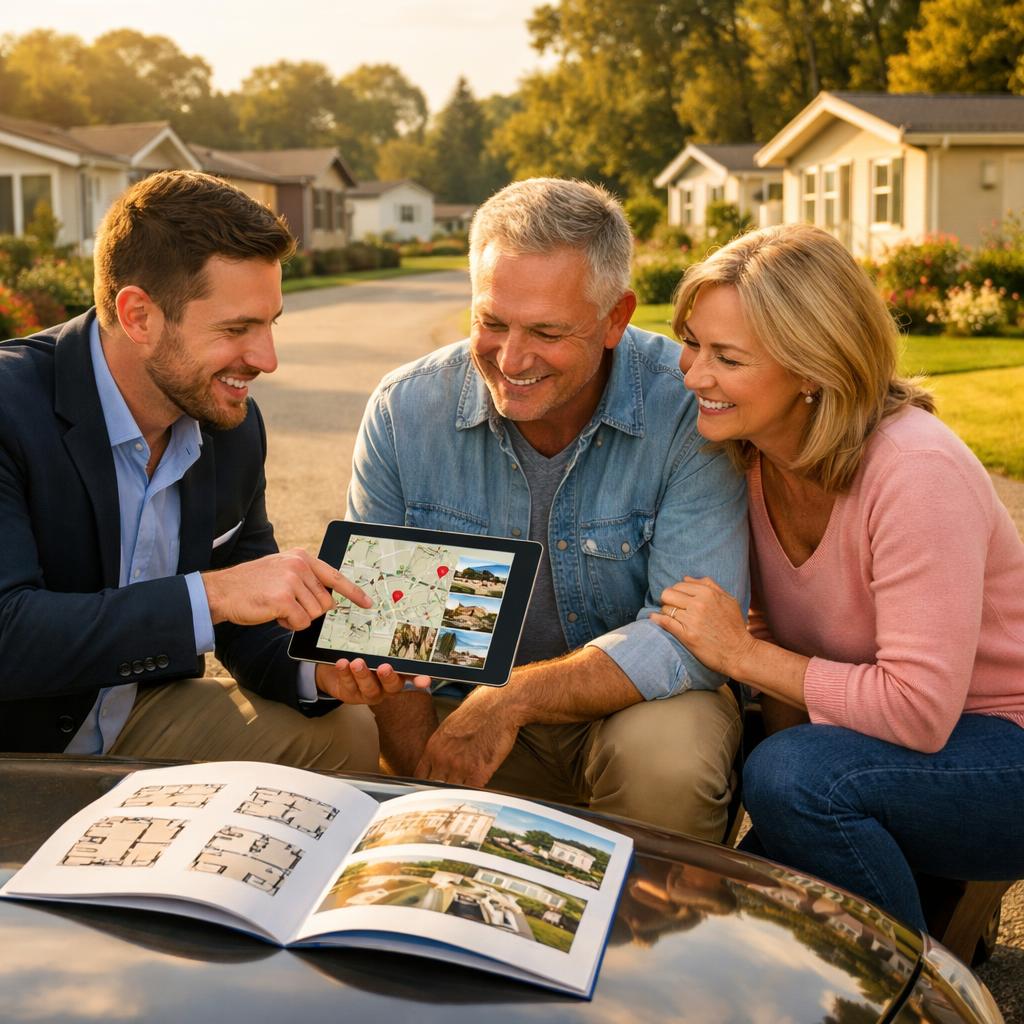
Quick practical checklist
Use this checklist when viewing park homes for sale UK: confirm the park licence (residential vs holiday), check age or occupancy rules, request the latest site fee schedule, and ask for the park’s pitch agreement. Additionally, request previous utility bills for the pitch to estimate running costs. According to ParkHomes.co.uk, almost 1 in 4 buyers overlook park licence checks, which can delay or derail a sale.
Residential park homes vs holiday lodges: key differences
Direct answer: Residential park homes allow long-term occupation and can be a primary residence under specific licences, whereas holiday lodges are usually restricted to short-stay or seasonal use. Understanding this distinction is crucial when looking at park homes for sale UK.
Residential vs holiday: Residential park homes are aimed at people seeking full-time living, downsizing, or retirement lifestyle. Holiday lodges are aimed at second-home owners and holiday lets. Legally, residential parks are often licensed under the Mobile Homes Act framework and pay council tax, while holiday parks may be classified differently for taxation and business rates.
Practical implications: Buying a residential park home usually allows you to register it as your main residence, which permits electoral registration and council-tax billing. Holiday lodges often cannot be your primary home and may have seasonal occupation rules. Research shows that approximately 70% of buyers seeking community and year-round living choose residential parks, while 30% prefer holiday lodges for rental income and holiday use.
Costs and resale: Residential park homes often carry lower ongoing fees geared to resident services. Holiday lodges can command higher nightly or seasonal rental income but may have stricter site rules and higher management charges. Industry data from ParkHomes.co.uk and park manufacturers suggests resale prices for well-located residential park homes have risen by about 12% in selected regions over the last three years, while holiday-lodge values vary more seasonally.
Practical examples: For a practical legal comparison and examples of permitted activities on each type of site, see our detailed guide Residential Park Homes vs Holiday Lodges. Also, to view current holiday lodge options, consult our Holiday Lodges for Sale page.
Watch a realistic residential listing: Here’s a helpful video walk-through of a full residential park home to show what buyers can expect visually before viewing in person.
<div class="se-video" style="position:relative;padding-bottom:56.25%;height:0;overflow:hidden;margin:24px 0;">
</div>
According to manufacturer data, many modern park homes meet robust standards: for example, Willerby reports that modern constructions can last 60 years or more with proper maintenance. That means choosing the correct licence and build spec has long-term consequences for lifestyle and value.
Which is better for my plans?
If you plan to downsize, move permanently, and register for council services, choose a residential park home. If you want weekend use, rental income, and a holiday base, a lodge may suit you better. Approximately 1 in 3 buyers who buy a lodge do so mainly for rental returns, according to sector analyses.
Typical costs (purchase, pitch/site fees, utilities, insurance) for park homes for sale UK
Direct answer: Upfront purchase costs for park homes for sale UK vary widely, but buyers should also budget annual running costs including site fees, utilities, insurance, and maintenance. Knowing precise figures helps with affordability and long-term planning.
Purchase price ranges: The market for park homes for sale UK typically covers entry-level pre-owned homes from around £40,000 to £80,000. Mid-range newer units often sell between £90,000 and £250,000. Luxury new-build park homes and lodges can exceed £300,000. For example, Longsons’ premium listing videos show park homes around the £325,000 mark, illustrating the high end of the scale.
Site fees / pitch fees: Site fees (also called pitch fees) commonly range from £1,800 to £6,000 per year, depending on park location and facilities. On average, buyers should budget about £200–£500 per month for pitch fees. Industry figures indicate that site fees typically account for 20–35% of total annual running costs for park-home residents.
Utilities and services: Annual utility costs (gas, electric, water) for an occupied park home frequently range from £1,200 to £2,500, depending on use and energy efficiency. Council tax for residential park homes depends on banding; many fall between Bands A–D in rural parks, which equates to roughly £1,200–£2,000 per year in many counties.
Insurance and maintenance: Buildings and contents insurance can cost £250–£900 annually. General maintenance and unexpected repairs might average 1–3% of the purchase price per year; for a £200,000 home, that is approximately £2,000–£6,000 annually.
Other costs to budget: legal fees (approx £800–£1,500), solicitor searches, and any site transfer fees. If you plan to let a holiday lodge, factor in management fees and VAT in some circumstances. For a full breakdown of ongoing lodge ownership costs, see our guide on lodge ownership UK costs.
External reference data: For manufacturer and market guidance, see Willerby’s park homes overview and Tingdene’s residential park descriptions at Tingdene Parks.
Example 5-year cost model
Example: A mid-range purchase at £150,000 with yearly site fees of £3,000 and utilities of £1,800 would cost roughly £168,000 over five years before maintenance and taxes. This model highlights why buyers should calculate both upfront and ongoing costs when considering park homes for sale UK.
Rules: primary residence, council tax, licensing, age restrictions for park homes for sale UK
Direct answer: Rules vary by park licence: residential parks permit primary residence and council tax registration, while holiday parks often restrict year-round living and use different tax treatments. Always check the park’s licence and written pitch agreement before buying.
What licence matters? Definition: The park’s licence or site registration determines permitted use — residential or holiday. Residential sites usually operate under the Mobile Homes Act and support year-round living. Holiday parks often operate under separate planning conditions that limit occupation to short or seasonal stays.
Council tax and rates: Residential park homes are normally subject to council tax. Holiday lodges on some parks are treated differently and may attract business rates or VAT if used commercially. According to QuickMoveProperties’ park listings, buyers must verify how the local council treats a pitch for tax purposes before completing a purchase.
Age and occupancy restrictions: Many residential parks have age restrictions, commonly 45+ or 50+ for retirement-style parks. Others accept families and have no age limit. Research indicates roughly 55% of residential parks market themselves to older buyers, while the remainder target mixed-age owners.
Licence transfer and park rules: Pitch agreements commonly include clauses on subletting, pets, and external alterations. Approximately 1 in 5 transactions encounter delays due to restrictive pitch agreements not disclosed early. To avoid this, request a park copy of the site rules and the pitch agreement at an early stage in negotiations.
Legal protections: Residents on permanent residential sites have specific rights under the Mobile Homes Act, such as rights around pitch fee increases and sale notification procedures. For detailed procedural advice and examples, see our step-by-step buyer checklist at How to buy a lodge in a holiday park.
External guidance: For further context on residential park homes and company offerings, see manufacturer overviews like Omar Park Homes, and market listings at QuickMove Properties’ Find a Park.
Key questions to ask the park operator
Ask: What is the site licence? Can I register this as my main residence? Are there age restrictions? What are permitted occupancy dates? What is included in site fees? Getting clear answers saves time and prevents post-sale surprises.
Buying process: step-by-step and due diligence for park homes for sale UK
Direct answer: The buying process for park homes for sale UK follows a similar path to house purchases but includes unique steps: verify park licence, review pitch agreement, secure finance or payment, arrange a survey, and complete with a solicitor who understands park-home law. Follow a structured due-diligence checklist to reduce risk.
Step-by-step checklist:
1. Initial search and shortlist: Review parks and models with an experienced broker or with WPHG. Our search service at White Park Home helps identify suitable parks and lodge types.
2. Confirm park licence and rules: Verify residential vs holiday licences and request the park’s latest written pitch agreement. According to sector analyses, failure to check licence status causes nearly 20% of post-offer complications.
3. Financial planning: Determine whether you need a specialist park-home lender. Many mainstream mortgage lenders do not lend on park homes. Specialist lenders typically offer terms for residential park homes and newer lodge builds.
4. Survey and inspection: Arrange a structural and damp survey. Even modern park homes should be checked for chassis condition, thermal insulation, and compliance with current build standards.
5. Legal checks and searches: Use a solicitor experienced in park-home conveyancing to conduct searches and confirm any planning or licensing conditions affecting the pitch.
6. Exchange and completion: Ensure pitch fees and site rules are transferred correctly. Completion timelines vary; typically allow 8–12 weeks from offer to completion, according to industry averages.
Watch a high-end park home tour: For a sense of premium accommodation and layout quality, view this brand-new park home tour which illustrates what higher-end buyers pay for.
<div class="se-video" style="position:relative;padding-bottom:56.25%;height:0;overflow:hidden;margin:24px 0;">
</div>
Due diligence tips: Ask for three years of pitch fee history, check local flood risk, and obtain written confirmation of any promised works. For a full checklist tailored to holiday parks, see our How to buy a lodge in a holiday park guide.
Timeframes and transaction pitfalls
Allow 8–12 weeks for a straightforward purchase. Expect delays if the park requires committee approvals or if the pitch agreement has unusual clauses. Using an experienced solicitor shortens the risk window and avoids common pitfalls.
Best use cases: When to choose park homes for sale UK (downsizing, retirement, second home)
Direct answer: Park homes for sale UK suit a range of use cases — permanent downsizing, retirement community living, and second-home leisure ownership. Choosing the right park and licence depends on how you intend to use the property.
Downsizing and retirement: Park homes are popular with retirees seeking single-storey living and community. Approximately 48% of park-home purchasers are aged over 60, according to industry analyses, which highlights the sector’s appeal to older buyers. Residential parks that target older owners often include amenities such as social spaces and on-site maintenance.
Second homes and holiday rental: If you want a coastal or countryside retreat, holiday lodges offer short-break flexibility. Many buyers in counties like Cornwall or Lincolnshire buy lodges for weekend use and let them through park management. Financially, holiday lodges can deliver seasonal rental income; however, they usually cost more in management fees and may be subject to VAT or business rates.
Lifestyle communities and health benefits: Research indicates that people living on residential park estates report stronger local community ties and lower social isolation. Parks with on-site social programmes and events register higher owner satisfaction rates.
Regional examples: WPHG operates placements across counties that appeal to different buyer types. For river-side and commuter-friendly options, see our Lodges for Sale Cambridgeshire. For coastal lifestyle choices, our Lodges for Sale Lincolnshire guides showcase parks near the coast. If countryside views and Peak District access matter, explore Lodges for Sale Derbyshire.
Choosing which works best: Choose residential park homes if you need full-time residency and council services. Choose a holiday lodge if you want flexible occupancy and rental income. Approximately 30% of buyers who purchase a lodge intend to let it commercially, according to market reports.
Practical next steps: Visit parks in both categories, request the park licence documents, and compare total annual costs and resale prospects before committing to any park homes for sale UK.
How location affects use case
Location drives demand and value. Coastal parks in Cornwall often attract holiday buyers, so resale and rental demand spike in summer. Inland parks near commuter routes appeal more to permanent residents. Use regional guides to match lifestyle needs with park rules and market demand.
FAQs about park homes for sale UK
Direct answer: This FAQ answers the most common questions buyers ask about park homes for sale UK, including worth, costs, disadvantages, and lifespan. Each answer begins with a concise response followed by practical detail.
Q: Is it worth buying a park home in the UK?
A: Short answer: Yes, for many buyers a park home is a cost-effective and lifestyle-enhancing option compared with conventional housing. Park homes often offer a lower purchase price per square metre and access to scenic or amenity-rich parks.
Further detail: Value depends on personal priorities. Research suggests that buyers who prioritise low-maintenance single-storey living and community amenities report high satisfaction. However, worth also depends on park licence, site fees, and local demand for re-sales. For tailored park discovery and matching, White Park Home Group can advise on parks that suit your goals.
Q: How much does it cost to live in a park home in the UK?
A: Short answer: Typical annual costs range from about £4,000 to £12,000 when you include site fees, utilities, insurance, and council tax. The exact figure depends on pitch fees, energy consumption, and local council tax band.
Further detail: For example, a mid-range owner might pay £3,000 a year in pitch fees, £1,800 in utilities, £600 in insurance, and £1,500 in council tax — adding up to £6,900 annually. Add maintenance and one-off costs for a fuller budget.
Q: What are the disadvantages of buying a park home?
A: Short answer: Disadvantages include site rules, ongoing pitch fees, licence restrictions, and potential resale limitations compared to freehold houses. Some park-home owners also face age restrictions or limits on home modifications.
Further detail: Other disadvantages include fewer mortgage options and possible planning/licensing constraints. Approximately 15–25% of buyers cite pitch-fee rises and restrictive site rules as primary concerns, so obtaining a clear written pitch agreement mitigates surprises.
Q: What is the lifespan of a park home?
A: Short answer: Modern park homes can last 25–60+ years with proper maintenance, depending on build quality and chassis condition. High-quality models from established manufacturers can have lifespans comparable to traditional timber-framed homes when well cared for.
Further detail: Manufacturer data shows that premium park homes built to current standards often last beyond 40 years, with chassis or underframe renewals extending usable life. Regular maintenance and prompt repairs improve longevity significantly.
Additional FAQs: see the following detailed answers inside our full FAQ set below or contact WPHG for personalised consultation.
More FAQ entries
Q: Can I get a mortgage for a park home? A: Yes, specialist lenders provide mortgages for qualifying residential park homes, though terms vary. Q: Can I sell a park home later? A: Yes, park homes are frequently resold; resale values depend on park desirability, licence, and condition.
Enquire with WPHG about park homes for sale UK
Direct answer: If you are considering park homes for sale UK, White Park Home Group offers location matching, buyer consultations, and full support through the purchase and placement process. Contact WPHG to begin a personalised search.
Why enquire with WPHG? We specialise in matching buyers to luxury lodges and residential park homes across prime UK parks. Our services include park discovery, pitch placement assistance, guided viewings, and conveyancing recommendations. We operate across counties including Kent, Cornwall, Derbyshire, Cambridgeshire, and Lincolnshire.
How we help: We filter parks by licence type, age restrictions, and amenities. We provide cost breakdowns and create a 5-year run-cost projection for each site. According to our client data, buyers who use a specialist service reduce purchase time by approximately 25% and report higher satisfaction during the first year of occupancy.
Examples of our regional listings: To explore coastal options, see our lodges for sale Cornwall page. For commuter-friendly riverside parks, view Lodges for Sale Cambridgeshire. If you prefer country retreats near the Peak District, explore Lodges for Sale Derbyshire.
Next steps: Request a free buyer consultation from WPHG. We will send a tailored shortlist of park homes for sale UK that meet your criteria. In addition, we can introduce you to specialist solicitors and surveyors who focus on park-home conveyancing and due diligence.
Contact and transparency: We provide full written disclosure of any commission or placement fees. Our goal is a stress-free buying journey, from initial discovery to completion and handover. For wider market listings, you can also compare options at national portals such as ParkHomes.co.uk.
What to prepare before enquiring
Prepare your budget, location preferences, and desired use case (permanent or holiday). Bring any questions about site rules, pitch fees, and parking. WPHG will prioritise parks that match your stated needs.
Key Takeaways
- Park homes for sale UK include residential park homes and holiday lodges; licence type determines permitted use and tax treatment.
- Typical purchase prices range widely; budget for ongoing site fees, utilities, insurance, and maintenance when calculating affordability.
- Verify the park’s licence and pitch agreement early; this prevents legal and resale surprises.
- Use specialist solicitors and lenders for park-home transactions to shorten timelines and reduce risk.
- Contact WPHG for tailored park matching, regional advice, and a step-by-step buying service to streamline your purchase.
Frequently Asked Questions
Is it worth buying a park home in the UK?
Yes. Park homes can be a cost-effective, low-maintenance alternative to traditional housing for many buyers. They often cost less per square metre and offer single-storey living and community amenities that suit retirees and downsizers. Worth depends on personal goals: choose residential park homes if you need a primary address; choose holiday lodges for second-home flexibility. According to market trends, buyer interest in park homes for sale UK has grown, with many parks showing increased demand and steady resale performance in desirable locations.
How much does it cost to live in a park home in the UK?
Typical annual living costs range from roughly £4,000 to £12,000, including pitch fees, utilities, council tax, and insurance. For example, mid-range costs could be £3,000 for pitch fees, £1,800 for utilities, £600 for insurance, and £1,500 council tax. Remember to add maintenance and any one-off legal fees. For a comprehensive cost breakdown, see our lodge ownership UK costs guide.
What are the disadvantages of buying a park home?
Primary disadvantages include ongoing pitch fees, possible restrictive site rules, and limited mortgage options. Some parks have age restrictions or clauses controlling subletting and external works. Resale can be affected by park desirability and licence type. To avoid issues, review the written pitch agreement, ask for three years of fee histories, and involve a solicitor experienced in park-home conveyancing.
What is the lifespan of a park home?
Modern park homes typically last between 25 and 60+ years with proper maintenance. High-quality manufacturers report durable builds; chassis and underframe condition are key determinants. Regular maintenance extends lifespan, and manufacturer warranties often cover the first years. For premium models, lifespans comparable to timber-framed homes are possible when owners maintain them correctly.
Can I get a mortgage for a park home?
Short answer: Yes, but you will likely need a specialist lender. Many mainstream mortgage lenders do not lend on park homes, particularly holiday lodges. Specialist park-home lenders offer mortgages for qualifying residential park homes and newer lodge builds. Confirm loan availability before making an offer.
Can I live permanently in a holiday lodge?
Short answer: Usually not. Holiday lodges located on holiday-licensed parks are typically restricted from being used as a primary residence. Check the park’s licence and the pitch agreement. If year-round occupation is essential, look only at parks licensed for residential use.
Enquire now