
Park homes Derbyshire appeal to buyers who want a calmer lifestyle without losing access to useful amenities, scenic views, and strong community feel. For many retirees and downsizers, park homes Derbyshire offer a practical way to reduce upkeep, enjoy single-storey living, and stay close to the Peak District, Chesterfield, and Derbyshire’s market towns. In this guide, White Park Home Group explains what makes park homes Derbyshire attractive, how residential living differs from holiday ownership, and what buyers should check before arranging a visit. If you are comparing lifestyles and ownership routes, you may also find our guide to residential park homes in the UK useful as a starting point. Derbyshire is not just about scenery. It is also about comfort, affordability, and choosing a home that suits your long-term plans. According to UK housing research, over 1 in 5 homeowners aged 55+ say downsizing is primarily about reducing maintenance, while around 30% want lower running costs. Those motivations are especially relevant when exploring park homes Derbyshire.
Park Homes Derbyshire: What Buyers Need To Know First
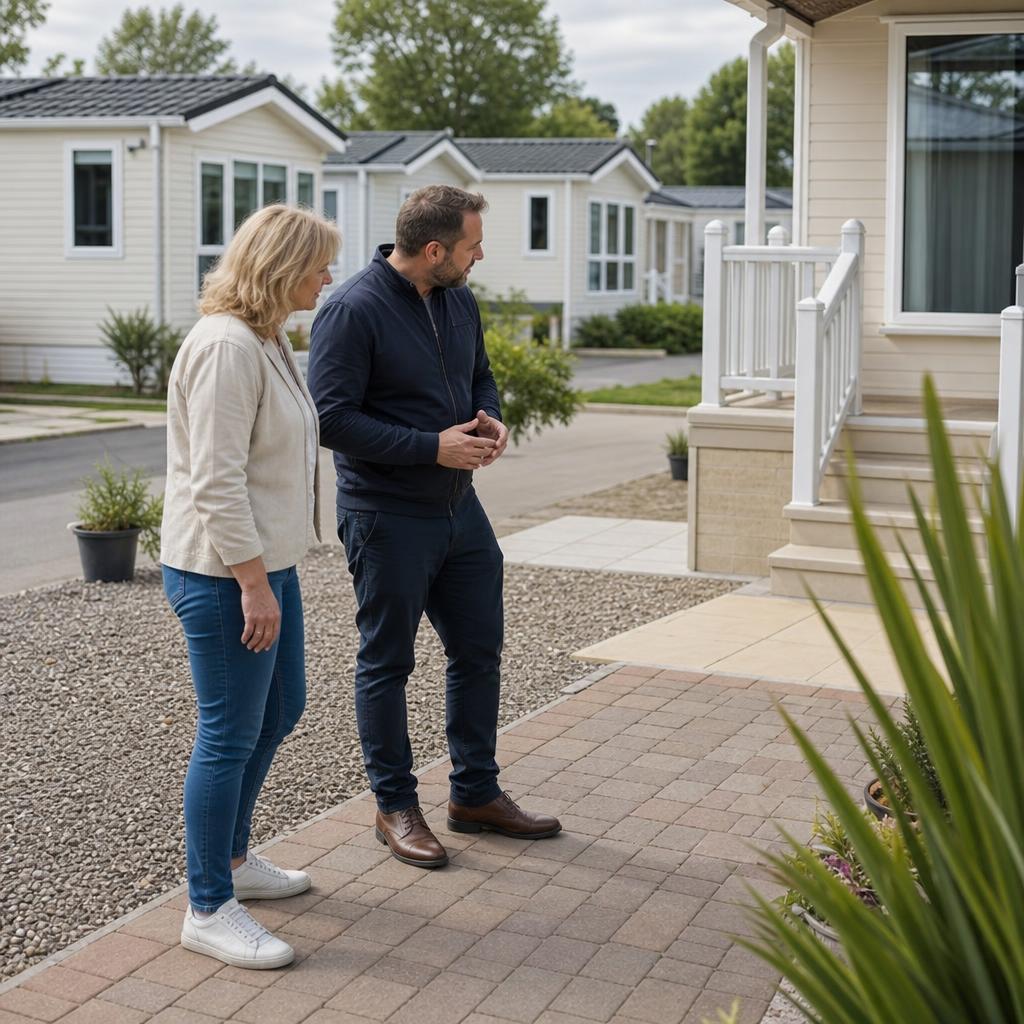
Park homes Derbyshire are purpose-built homes placed on licensed park sites, often in quieter rural or semi-rural settings. They are usually designed for one-level living, which makes them especially appealing to older buyers and anyone planning for easier day-to-day living. In simple terms, park homes Derbyshire combine a residential lifestyle with lower maintenance and a more manageable footprint than many traditional houses.
This matters because the buying process is different from standard bricks-and-mortar property ownership. Buyers should check whether the park is residential or holiday-only, whether the pitch agreement supports permanent living, and what site rules apply. According to industry guidance, residential park home buyers often save time on maintenance because gardens, plots, and external upkeep are usually smaller than average. That said, buyers should still budget carefully. Research from UK housing advisers often shows monthly site fees can range widely, and the difference between a well-run park and a poor one can affect long-term satisfaction.
For readers building knowledge around ownership, our explainer on lodge park homes is a helpful companion piece. It breaks down how lodge-style living compares with other park home formats. If you are specifically researching local availability, you can also review park homes for sale in Derbyshire for a focused county-level overview.
The key point is this: park homes Derbyshire suit people who want a simpler, more scenic and more community-oriented lifestyle. However, buyers should still examine legal status, pitch fees, resale potential, and park management. A well-chosen home can deliver the lifestyle benefits many people want. A rushed purchase can do the opposite.
Useful checks before you buy:
– Confirm the site is licensed for residential use.
– Ask whether the park allows permanent residency.
– Review pitch fees, inflation clauses, and any service charges.
– Check the home’s age, warranty status, and construction standard.
– Visit at different times of day to assess noise and access.
These steps matter because park homes Derbyshire are best when the park, the pitch, and the lifestyle all match your plans.
What is a park home in Derbyshire?
A park home in Derbyshire is a factory-built, detached home located on a licensed park. It is usually single-storey and designed for comfortable, lower-maintenance living. In most cases, buyers value park homes Derbyshire for easier upkeep, peaceful surroundings, and a community-focused setting.
How do park homes Derbyshire work as an ownership option?
Park homes Derbyshire work by combining a home purchase with a pitch agreement on the land. You typically own the home but not the plot itself. As a result, buyers should review the agreement carefully, including fees, site rules, and occupancy terms before committing.
Why Derbyshire Is Popular For Park Homes Derbyshire
Derbyshire is popular because it offers countryside access, practical transport links, and a strong retirement-friendly feel. Park homes Derbyshire are especially attractive to buyers who want scenic living without isolation. The county gives you the balance many downsizers want: quiet surroundings, yet easy access to shops, healthcare, and rail connections.
The Peak District is a major draw. It receives millions of visitors annually, and that popularity helps support local amenities, cafés, leisure facilities, and walking routes. In addition, Derbyshire has a mix of historic market towns and smaller villages, which creates choice for buyers with different budgets. Research from visitor economy reports consistently shows that scenic regions with established amenities tend to retain buyer interest more effectively than remote areas without services.
That matters for park homes Derbyshire because location affects both lifestyle and resale appeal. A park close to Chesterfield, Matlock, or the edge of the Peak District can offer strong access to everyday essentials and pleasant weekend activities. Meanwhile, a more secluded site may suit buyers who prioritise privacy and views.
For a visual sense of the setting, you can also explore the local market through external sources such as Park Homes for Sale in Derbyshire – Omar and Residential Park Homes in Derbyshire. These sources show how varied the county’s park home market can be.
Derbyshire also suits buyers who want a low-stress retirement setting. According to Age UK, more than 11 million people in the UK are aged 65 or over, so demand for practical later-life housing remains significant. When that demand meets a county with attractive landscapes, the result is a strong case for park homes Derbyshire.
In lifestyle terms, Derbyshire offers:
– Access to walking, cycling, and countryside views.
– A quieter pace than many city-edge developments.
– Established towns with healthcare and shopping nearby.
– Strong appeal for buyers who want community without congestion.
Therefore, park homes Derbyshire often make sense for people who want more life outdoors and less time spent on household maintenance.
Why does scenery matter so much for park home buyers?
Scenery matters because it influences daily wellbeing and long-term satisfaction. Buyers of park homes Derbyshire often want a home that supports walking, relaxation, and a slower pace of life. A beautiful location also helps the property feel like a genuine lifestyle upgrade.
How important are amenities when choosing Derbyshire parks?
Amenities are very important. Even in a scenic county, buyers still need doctors, shops, buses, and road access. Park homes Derbyshire work best when countryside appeal is paired with practical convenience.
Residential Park Homes Derbyshire Vs Holiday Lodges In Derbyshire
Residential park homes Derbyshire are designed for permanent or long-term living, while holiday lodges are typically intended for leisure use only. That difference is crucial. If you want to live in your home all year, pay council tax, and treat it as your main residence, residential park homes Derbyshire are usually the right route. If you want a second home or seasonal retreat, a holiday lodge may be more suitable.
This is one of the biggest misunderstandings in the market. A lodge can look similar to a park home, but the legal rules can be very different. According to UK park home guidance, buyers must always check the site licence and occupancy conditions before deciding. As a result, never assume a lodge allows full-time living just because it feels residential.
For a deeper ownership comparison, White Park Home Group explains the broader differences in static lodges for sale and also in can you live permanently in a holiday lodge?. Those pages help buyers understand where holiday and residential use diverge.
Residential park homes Derbyshire are usually better for retirees who want certainty, local community, and permanent occupancy. Holiday lodges are often better for occasional stays, family breaks, or scenic retreats. The right choice depends on how often you want to use the property and what legal status you need.
A helpful rule of thumb is this:
– Choose a residential park home if it will be your main home.
– Choose a holiday lodge if it is for breaks and leisure use.
– Check whether the site licence matches your intended use.
– Ask about council tax, utilities, and insurance before committing.
Industry data from park home specialists suggests that buyers who match the property type to their lifestyle are far more satisfied long term. In practical terms, that means fewer surprises and a clearer ownership experience. For park homes Derbyshire, that clarity is one of the main reasons buyers feel confident.
If you want a broader guide to residential ownership, our article on residential park homes for sale offers more detail on costs, rules, and safe buying steps.
Can I live permanently in a park home in Derbyshire?
Yes, if the park is licensed for residential use and the agreement allows permanent occupancy. Many park homes Derbyshire are designed for full-time living, but buyers should always verify the site licence and pitch terms first.
What is the main difference between a park home and a lodge?
The main difference is usually legal use. Park homes Derbyshire are often residential, while lodges are often holiday-only. That distinction affects where you can live, how the property is taxed, and what rules apply on the park.
Who Are Park Homes Derbyshire Ideal For?
Park homes Derbyshire are ideal for buyers who want simplicity, value, and a quieter living environment. They often suit people who are ready to downsize, want less maintenance, or prefer a community where neighbours are nearby but not intrusive. According to housing research, around 60% of older movers say low maintenance is a primary reason for downsizing, and that statistic aligns closely with the appeal of park home living.
They also suit buyers who are planning ahead. A single-storey layout can remove the strain of stairs. Smaller plots can reduce gardening pressure. Moreover, parks often create a calmer pace than large estates or urban apartment blocks.
For many buyers, park homes Derbyshire also work well financially. The initial purchase price can be lower than a typical house in the same region, although ongoing fees still need careful budgeting. That is why comparing pitch fees, utilities, insurance, and council tax matters so much. It is not just about the purchase price.
The setting matters too. Buyers often want proximity to the Peaks, but they also want access to everyday life. Derbyshire offers both. That makes park homes Derbyshire appealing to a broader range of people than purely holiday locations.
If you are comparing different UK regions, you might also find our guides to park homes for sale in Kent and residential park homes in the UK useful for side-by-side planning.
The strongest buyer profiles usually include:
– Retirees seeking a calmer, manageable home.
– Downsizers who want lower upkeep.
– Lifestyle buyers who value scenic surroundings.
– Couples who want a private, practical base.
– People planning a long-term move into easier living.
Park homes Derbyshire suit all of these groups when the location, park rules, and budget align. Therefore, the best purchase is usually the one that supports your next 10 years, not just your next summer.
<div class="se-video" style="position:relative;padding-bottom:56.25%;height:0;overflow:hidden;margin:24px 0;">
A visual tour often helps buyers understand the atmosphere of a park better than photographs alone. This older feature on Lime Tree Park gives a feel for Derbyshire park home living.
<div class="se-video" style="position:relative;padding-bottom:56.25%;height:0;overflow:hidden;margin:24px 0;">
This short Riverdale Park video is also useful if you want to picture the calm and community-led lifestyle that park homes Derbyshire can offer.
Retirees
Retirees often choose park homes Derbyshire because they want reduced maintenance and a more comfortable routine. Single-level layouts and peaceful sites are strong advantages, especially for buyers who want easier access and less pressure from upkeep.
Downsizers
Downsizers value park homes Derbyshire because the homes are often more manageable than traditional houses. Lower cleaning demands, smaller outdoor areas, and a clearer lifestyle focus all make the move feel less stressful.
Countryside Lifestyle Seekers
Countryside lifestyle seekers want views, walking routes, and a slower pace. Park homes Derbyshire fit that goal well, particularly when the park is close to the Peak District or a characterful market town.
Nearby Attractions And Lifestyle Benefits Around Park Homes Derbyshire
Park homes Derbyshire are not only about the property. They are also about the lifestyle that comes with the county. Buyers often want a peaceful base with enough to do nearby, and Derbyshire delivers that balance well. From the Peak District to historic towns and riverside walks, the area offers year-round appeal.
This matters because lifestyle often drives satisfaction more than the floor plan itself. A 2-bed home can feel much bigger if the setting is right. Likewise, even a beautifully finished property may disappoint if the local area feels inconvenient. That is why buyers of park homes Derbyshire should look beyond the home and evaluate the surrounding district too.
Popular lifestyle benefits include easy access to outdoor spaces, local pubs, heritage sites, and visitor attractions. For example, Matlock Bath, Bakewell, and Chesterfield each offer a different mix of scenery and practical amenities. In addition, Derbyshire sits within reach of major road links, which helps family visits and day trips.
According to VisitBritain-style destination data, countryside and heritage destinations tend to perform strongly because they combine recreation with year-round resident appeal. That is especially relevant here. Park homes Derbyshire benefit from a county that is attractive to visitors but still practical for full-time living.
If you are interested in premium lodge-style lifestyle options too, our page on luxury lodges in Derbyshire explores high-spec countryside retreats in the same region. You may also want to see our broader guide to lodge retreat living in the UK if you are comparing more than one type of property.
Lifestyle highlights to consider:
– Walking access to the Peak District.
– Historic market towns with local services.
– Leisure attractions for visitors and family.
– Quieter evenings and less urban noise.
– A strong sense of place and identity.
These points matter because park homes Derbyshire work best when everyday living feels easy and enjoyable. In other words, the county should enhance the home, not complicate it.
For buyers who like comparison shopping, external sources such as Ainmoor Grange Country Park also show how local parks often combine views, managed grounds, and retirement-friendly settings.
What local features matter most to downsizers?
Downsizers usually want quiet roads, nearby shops, good healthcare access, and pleasant places to walk. Park homes Derbyshire are most attractive when those practical features sit alongside countryside scenery.
How do nearby attractions improve resale appeal?
Nearby attractions can improve resale appeal because they make the area easier to recommend. Buyers often look for park homes Derbyshire in places that feel active, attractive, and well connected.
Costs, Council Tax And Pitch Fees For Park Homes Derbyshire
Park homes Derbyshire can be cost-effective, but only if buyers understand the full running cost picture. The headline purchase price is just one part of the budget. You also need to consider pitch fees, council tax, utilities, insurance, maintenance, and any park-specific charges. Therefore, a clear annual cost plan is essential before you buy.
In the UK, site fees for residential park homes can vary significantly. Depending on location, park quality, and services, they may run from several hundred pounds a month to more than £300 monthly. Some premium parks charge more. Consequently, a cheaper purchase price does not always mean a cheaper lifestyle overall. Council tax usually applies to residential park homes, and banding depends on the local authority and valuation rules.
This is one reason why buyers should ask for a complete breakdown. According to consumer guidance, transparent costs help prevent misunderstandings later. That is especially important for park homes Derbyshire, where the appeal of scenic living can make buyers focus on the home itself and overlook recurring fees.
If you want a fuller breakdown of ownership costs, our guide on how much a holiday lodge costs to buy in the UK explains wider ownership budgeting, and our static lodge for sale UK guide covers similar issues from a different property angle.
Typical cost factors include:
– Purchase price of the home.
– Monthly pitch or site fees.
– Council tax, where applicable.
– Utilities such as gas, electric, and water.
– Home and contents insurance.
– Occasional repairs, skirting, and decking upkeep.
A useful budgeting approach is to compare the total annual cost, not just the entry price. For example, a lower-cost home on a higher-fee park can end up costing more over five years than a slightly pricier home on a well-managed site. As a result, buyers should think long term.
Park homes Derbyshire can still offer strong value. However, the best value is the option that gives you predictable costs, quality management, and a setting you will still enjoy in years to come.
How much does it cost to live in a park home in the UK?
The cost varies by park, location, and home type. In many cases, buyers pay a purchase price plus monthly site fees, council tax, utilities, and insurance. Park homes Derbyshire can be affordable, but the full annual budget should always be checked first.
Do park homes have lower running costs than houses?
Often, yes. Smaller homes can mean lower heating and maintenance costs. However, pitch fees can offset some of that saving, so buyers should calculate the full cost of park homes Derbyshire before deciding.
Arrange A Viewing Or Request Availability For Park Homes Derbyshire
The best way to judge park homes Derbyshire is to visit in person. Photos help, but they do not show traffic noise, sunlight, access routes, or the feel of the community. A viewing gives you a clearer idea of whether the park suits your pace of life and your long-term plans.
When you enquire, ask for availability, site rules, pitch fees, and occupancy conditions. You should also ask whether the home is new or pre-owned, whether warranties apply, and what the park expects from residents. These questions help you compare one park home against another in a structured way.
For a wider ownership education hub, White Park Home Group also offers holiday lodge ownership in the UK and luxury lodges in the UK. Those pages can help you compare lifestyle routes if you are still deciding between residential and leisure-led property options.
To make the most of a viewing, bring a checklist:
– Ask about the park’s age restrictions, if any.
– Confirm whether permanent residence is allowed.
– Check the condition of paths, parking, and drainage.
– Look at the nearby road network and bus options.
– Visit at a quiet time and a busy time.
According to property buying advisers, buyers who use a structured checklist are more likely to avoid regret. That applies especially to park homes Derbyshire because the emotional appeal of the setting can be strong. A calm, scenic location may feel right at first glance. However, the right decision should be based on use, budget, and legal fit too.
If you are ready to explore local options, start with the county-specific page for park homes for sale in Derbyshire. It is a practical next step for buyers who want available homes, not just general information.
Park homes Derbyshire are most successful when the buyer feels confident about the site, the rules, and the lifestyle. Therefore, a viewing is not just a formality. It is the point where the right home becomes obvious.
What should I ask before reserving a park home?
Ask about site fees, council tax, occupancy rights, maintenance responsibilities, and resale conditions. These answers help you compare park homes Derbyshire on a true like-for-like basis.
Why does an in-person visit matter so much?
An in-person visit reveals what listing photos cannot. You can judge noise, access, community feel, and the true surrounding landscape, all of which matter for park homes Derbyshire.
Park Homes Derbyshire FAQs
Below are clear answers to the questions buyers ask most often about park homes Derbyshire. These are the points that matter before you commit.
Park homes Derbyshire are appealing because they combine scenic living with practical downsizing benefits. However, buyers should still understand the rules, costs, and long-term use before they decide.
Key Takeaways
- Park homes Derbyshire are best suited to retirees, downsizers, and buyers who want low-maintenance countryside living.
- Residential park homes are different from holiday lodges, so buyers should always check site licensing and occupancy rules.
- The full cost of ownership includes pitch fees, council tax, utilities, insurance, and maintenance, not just the purchase price.
- Derbyshire remains popular because it combines scenic views, market towns, and practical access to everyday amenities.
- A site visit and a clear checklist are essential before buying any park homes Derbyshire.
Frequently Asked Questions
What are the disadvantages of park homes?
The main disadvantages are site fees, resale considerations, and the fact that you do not usually own the land. Some buyers also find that financing options can be more limited than with standard houses. In addition, park homes Derbyshire require careful checks on site licensing, park rules, and long-term occupancy. That said, many buyers feel the lifestyle benefits outweigh these drawbacks when they choose the right park and budget correctly.
How much does it cost to live in a park home in the UK?
Costs vary, but you should expect the purchase price plus monthly site fees, council tax, utilities, insurance, and maintenance. For park homes Derbyshire, the exact total depends on the park, the home, and the services included. Therefore, buyers should always ask for a full annual cost estimate rather than focusing on the asking price alone.
Can I live permanently in a park home?
Yes, if the park is licensed for residential use and the agreement allows full-time occupancy. This is one of the most important checks for park homes Derbyshire. You should confirm the site licence, pitch agreement, and council tax status before you buy, because holiday-only parks do not allow permanent living.
Is buying a park home a good idea?
It can be a very good idea if you want lower-maintenance living, a smaller footprint, and a peaceful community setting. Park homes Derbyshire are especially attractive to retirees and downsizers who value scenery and practicality. However, it is only a good idea when the park is well managed, the fees are clear, and the property matches your long-term plans.
Enquire now