
Buying a park home or lodge should feel exciting, not confusing. Yet many buyers worry about park home site fees because they are often the biggest recurring cost after purchase. That concern is sensible. The monthly or annual figures matter, but so do the rules behind them, the services included, and the other costs that appear once you move in. In this guide, we explain park home site fees in plain English, along with utilities, insurance, maintenance and ownership rules. If you are comparing locations, our park home ownership costs UK guide is a useful companion piece, and it covers the wider cost picture in more detail. Here, the goal is simpler: give you a transparent FAQ-style breakdown so you can ask better questions before you buy. Whether you are considering a residential park home or a holiday lodge, knowing how park home site fees work helps you avoid surprises and choose a park that suits your budget and lifestyle.
What Does It Cost to Own a Lodge or Park Home?
The total cost of ownership includes the purchase price, park home site fees, utilities, insurance, maintenance and any park-specific rules that affect day-to-day use. In other words, the asking price is only the starting point.
For many buyers, the key question is not just what a home costs today, but what it will cost every month. That is why park home site fees deserve close attention. They can vary by location, park quality, plot size and the facilities offered. Some parks also include services such as landscaping, road upkeep or communal area care within the fee.
If you want a broader overview of lodge ownership, our lodge ownership costs UK guide explains the usual cost categories in more depth. For site fee definitions, the lease-advice explanation of pitch fees for park homes is also useful because it shows what the payment is generally meant to cover.
A clear way to think about ownership is this:
– Purchase price: the one-off cost to buy the home or lodge
– Park home site fees: the recurring payment for the plot and park services
– Utilities: gas, electricity, water, drainage and sometimes bottled gas
– Insurance: home cover and, where relevant, contents cover
– Maintenance: exterior care, servicing and repairs
– Living costs: council tax for residential homes, plus broadband and transport
The important point is simple. Park home site fees are not the whole story, but they are one of the most important numbers to verify before you commit.
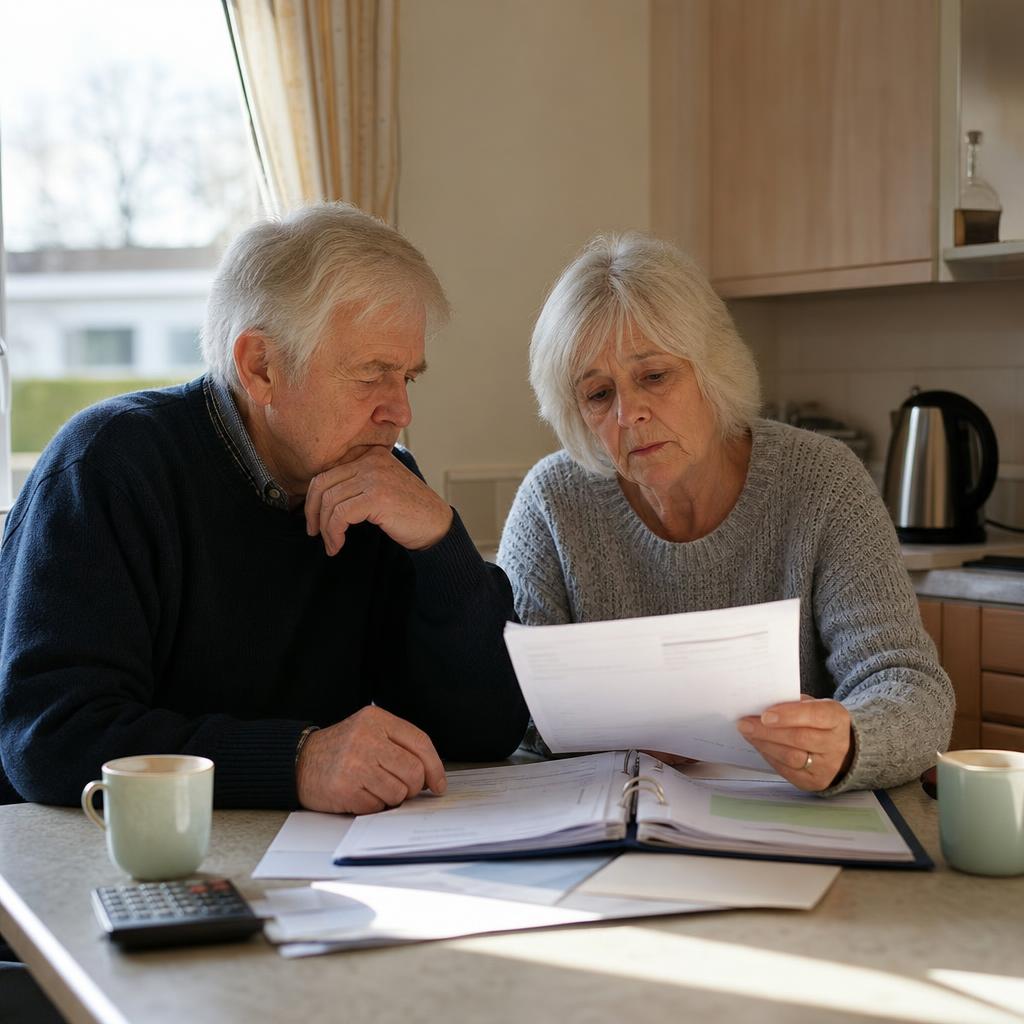
What makes park home ownership feel different from a normal house?
The difference is mainly in the structure of the costs. With a traditional house, you own the land and the building. With a park home or lodge, you usually own the home but pay for the plot through park home site fees.
That changes how you budget. It also changes the questions you should ask. For example, you need to know what the fee includes, how often it is reviewed and whether it changes when the park improves facilities or services.
What Are park home site fees?
Park home site fees are the regular payments made to the site owner for occupying the pitch or plot. They are often called pitch fees, and they can cover the land use, communal upkeep and other site services. In plain terms, park home site fees are what keep your home on the park.
That definition matters because buyers sometimes assume the fee is a vague admin charge. It is not. It is a core ownership cost, and it should be explained clearly before purchase. The amount depends on the park, the location and the services included. A quiet inland park may charge differently from a premium coastal or lodge retreat setting.
For a practical breakdown of what those payments usually fund, see Pitch Fees Explained: What Park Home and Lodge Owners Pay For. You can also compare living styles in Residential Park Homes vs Holiday Lodges, because the type of ownership often affects the fee structure.
Many park home site fees include some combination of:
– Plot rental or ground occupation rights
– Road, verge and communal area maintenance
– Lighting and landscaping in shared spaces
– Waste and site management services
– Access to park amenities, where offered
However, not every park includes the same things. Therefore, you should ask for a written list of inclusions. That single step can prevent misunderstandings later.
<div class="se-video" style="position:relative;padding-bottom:56.25%;height:0;overflow:hidden;margin:24px 0;">
If you are comparing current running costs, this real-world update from Caravan Life UK is helpful context for how site fees can change over time. It is especially useful if you are checking whether a fee looks realistic for the type of park you are considering.
The best rule is straightforward: compare park home site fees like-for-like. A cheaper fee is not automatically better if it excludes services that another park includes.
How often are site fees usually reviewed?
The review pattern depends on the park agreement and the park operator. Buyers should never assume a fee is fixed forever.
Ask how increases are handled, what notice is given and whether the review is linked to costs, park investment or a set process under the site rules.
Park Home Site Fees, Utilities and Council Tax
Park home site fees are only one part of your monthly outgoings. Utilities, council tax and insurance can make a meaningful difference to the real cost of living.
Utilities usually sit outside park home site fees unless the park states otherwise. You may pay for electricity, gas, water, sewage, broadband and, in some holiday settings, LPG or bottled gas. The best approach is to ask how each utility is billed and whether there is any mark-up or separate meter charge.
Council tax depends on the type of home and how it is used. Residential park homes are generally treated differently from holiday lodges. If you are unsure which rules apply, our Can You Live Permanently in a Lodge in the UK? guide and the related holiday lodge ownership rules in the UK page are useful starting points.
Insurance is another area buyers should not overlook. Home cover, contents cover and, in some cases, specialist park home insurance may be needed. The Age UK factsheet on park homes is a well-known reference point for residents and families who want a plain-language overview of the lifestyle.
A sensible budget checklist includes:
– park home site fees
– electricity, gas, water and drainage
– council tax, if applicable
– home and contents insurance
– internet and TV services
– servicing for boilers, appliances and safety checks
This is where transparency matters most. A home can look affordable on paper, yet feel expensive if the utility setup is inefficient or the council tax band is higher than expected. Therefore, always ask for a typical monthly cost breakdown before you reserve.
Do holiday lodges and residential park homes pay the same charges?
No, they do not always share the same cost pattern. Holiday use and residential use often follow different rules, and that affects council tax, services and how the park can be used.
That is why park home site fees should be reviewed alongside the licence and planning status, not in isolation.
What Fees Do You Pay on a Park Home?
The main fees are predictable once you know what to look for. Most owners pay park home site fees, utilities, insurance and maintenance costs. Depending on the park and the agreement, there may also be legal fees, transfer costs or charges linked to services on the site.
The good news is that many of these costs can be checked before you buy. Ask for a written summary of the monthly and annual outgoings. If the seller or park owner cannot provide a clear answer, that is a warning sign.
Common fees include:
– park home site fees or pitch fees
– electricity and gas bills
– water and sewage charges
– council tax for residential homes
– insurance and warranty-related cover
– maintenance for the home, decking or garden areas
For a wider buyer checklist, How to Buy a Park Home in the UK is a useful guide. It helps buyers organise the practical steps before committing.
It is also worth reviewing the park itself. Some sites are built around privacy and peace. Others add facilities that can justify higher park home site fees. If you want to compare lifestyle value as well as cost, the lodge living in the UK overview shows how community, setting and specification shape the ownership experience.
The safest approach is not to chase the lowest number. Instead, match the fee to the service level and the lifestyle you actually want.
What are the disadvantages of a park home?
The main disadvantages are ongoing park home site fees, restrictions on use and the fact that you do not usually own the land. Some buyers also find that resale values and park rules require more careful checking than a standard house purchase.
These drawbacks do not make park homes poor value. They simply mean the buyer must read the agreement carefully and understand the running costs.
Holiday Lodge Costs vs Residential Park Home Costs
Holiday lodge costs and residential park home costs are similar in some ways, but they are not interchangeable. The difference usually lies in use rights, licensing, council tax treatment and the style of park home site fees.
A holiday lodge normally comes with holiday-use restrictions. That means it is not intended as a permanent main home. A residential park home is designed for year-round living, subject to the park’s licence and rules. If you are comparing those options, our Holiday Lodge vs Residential Park Home guide is a practical comparison, and Can You Permanently Live in a Lodge in the UK? answers the related residency question.
In many cases, the monthly cost structure differs like this:
– Holiday lodges: park fees, utilities, insurance and seasonal maintenance
– Residential park homes: park home site fees, council tax, utilities, insurance and upkeep
Holiday settings may also include rules about letting, subletting, occupation periods and site closures. Residential parks usually focus more on long-term living standards and year-round access.
<div class="se-video" style="position:relative;padding-bottom:56.25%;height:0;overflow:hidden;margin:24px 0;">
For a legal overview of pitch fee increases and notice requirements, this short explainer from Fistral Retreat helps illustrate why buyers should ask about future reviews before they commit.
If you are a lifestyle buyer, the right question is not just “Which is cheaper?” It is “Which structure suits my plans, and are the park home site fees fair for what I receive?” That mindset leads to better decisions and fewer surprises.
What is the best way to compare two parks?
Ask each park for the same information in writing. You want the fee, what it includes, how often it is reviewed, and which costs sit outside the fee.
That makes park home site fees comparable, which is essential when parks look similar but charge differently.
Rules, Licences and Residency Conditions
Rules matter because they affect how you use the home and whether the costs make sense. Park home site fees should always be reviewed alongside the park licence, residency conditions and site rules.
If a home is for holiday use only, you may not legally live there all year as your main residence. If it is a residential park home, year-round occupation is usually allowed, subject to the park’s licence and the home meeting the relevant standards. That is why the wording on the park agreement matters so much.
The rule set can affect:
– whether you can live there 12 months of the year
– whether the address can be your main residence
– whether guests or family can stay long-term
– whether you can sublet or let the home
– what exterior changes require permission
A good park should explain those points clearly before you reserve. If the information is vague, ask for it in writing. You may also find our luxury lodge retreats UK guide helpful if you are weighing lifestyle, setting and permitted use together.
Park home site fees can feel more acceptable when the rules are clear, the park is well managed and the facilities genuinely support the lifestyle you want. By contrast, low fees on a restrictive site can be a poor fit if the usage terms do not match your plans.
The key takeaway is simple: fees and rules must be judged together. Separating them gives an incomplete picture.
Can I live in a park home 12 months of the year?
Yes, if the park is licensed for residential use and the home is sold on that basis. Holiday-use parks are different, so you cannot assume year-round living is allowed.
Always check the licence and written site rules before you buy.
Questions to Ask Before You Buy About park home site fees
The best buyers ask direct questions. That is the simplest way to avoid hidden costs and make park home site fees easy to understand.
Before you buy, ask:
– What exactly do the park home site fees include?
– How often are the fees reviewed?
– What notice is given before any increase?
– Are utilities billed separately or through the park?
– Is council tax payable on this home?
– What repairs or exterior maintenance are my responsibility?
– Are there rules on pets, guests, letting or alterations?
– Are there extra charges for parking, refuse, amenities or landscaping?
If you want a development-led overview of ownership and location choice, Lodge Homes for Sale: How to Choose the Right Lodge, Park and Plot can help you compare options. You can also browse White Park Home for the wider brand and park range.
A useful habit is to compare not just the fee amount, but the clarity of the answer. A park that explains park home site fees openly is often easier to deal with later. That does not guarantee every cost will stay flat, but it does suggest better management and better communication.
Transparency is the best protection a buyer has. If the park gives you a clean breakdown, you can budget properly and buy with more confidence.
What should be in a written cost summary?
A written summary should show the site fee, utility setup, insurance expectations and any known extra charges. It should also explain what changes may happen over time.
That document makes park home site fees easier to compare and reduces the risk of misunderstandings later.
Request Park-Specific Cost Information Before You Decide
The smartest next step is to ask for park-specific figures. Generic estimates are useful for orientation, but park home site fees should always be checked against the exact park, plot and licence terms.
If you are reviewing a shortlist, ask for a full cost sheet that covers the purchase price, ongoing fees, utilities and any special rules. You should also ask whether the park is intended for residential or holiday use, because that shapes everything from council tax to occupancy rights.
For buyers comparing settings, the location itself also matters. Coast, countryside and village-edge parks can all feel different in both lifestyle and fee structure. The right park is not simply the one with the lowest headline number. It is the one that offers a fair balance between cost, comfort and ownership clarity.
If you want help narrowing options, start with the park pages and then request exact figures from the development team. That way, you can judge park home site fees against the real facts, not guesswork.
What is the final rule of thumb?
Never buy on the headline price alone. Always compare park home site fees, utilities, rules and long-term suitability together.
That gives you a much more accurate view of the true cost of ownership.
Key Takeaways
- Park home site fees are a recurring ownership cost, not a one-off charge.
- The true budget must also include utilities, insurance, council tax and maintenance.
- Holiday lodges and residential park homes follow different rules, so the costs are not identical.
- Buyers should always ask for a written breakdown of what the fee includes and how it may change.
- The best value comes from transparent fees, clear rules and a park that matches your lifestyle.
Frequently Asked Questions
What fees do you pay on a park home?
You usually pay park home site fees, utilities, insurance and maintenance costs. If the home is residential, council tax may also apply, so the true monthly cost is higher than the purchase price alone.
The exact mix depends on the park and the type of home. Some parks include more services in the fee, while others bill those separately. Therefore, ask for a written breakdown before you buy.
Who pays the 10% on a park home sale?
In many park home sales, the seller pays the commission to the site owner when the home is sold. That commission is commonly discussed as the 10% on a sale, but the exact treatment should be checked against the agreement and the current legal position.
Because sale terms can vary, buyers and sellers should confirm the wording in writing before exchange. If you are unsure, ask the park or your legal adviser to explain the sale process clearly.
Can I live in a park home 12 months of the year?
Yes, if the park is licensed for residential use and the home is sold for permanent occupation. Holiday-use lodges and holiday homes are different, and they usually come with restrictions.
Always check the site licence, planning status and written rules. Those documents tell you whether year-round living is allowed and whether the property can be your main residence.
What are the disadvantages of a park home?
The main disadvantages are ongoing park home site fees, restrictions on use and the fact that you do not usually own the land. Some buyers also need to think carefully about resale, park rules and future cost reviews.
These points do not rule out park home living. They simply mean you should read the paperwork carefully and budget for all recurring costs.
Enquire now