
How much does it cost to live in a park home in the UK? The short answer is that it depends on more than the asking price. Buyers need to look at purchase cost, site fees, utilities, council tax, insurance, and maintenance together. That total picture matters whether you are downsizing, planning retirement, or comparing park home living with a traditional house.
At White Park Home Group, we see the same mistake again and again: people focus on the headline price and forget the monthly running costs. That can lead to a poor comparison. A well-chosen park home can offer a simpler lifestyle, but only if you understand the numbers clearly. If you are also exploring related options, our guide to park home ownership costs in the UK gives a useful wider breakdown, while our page on pitch fees explained helps you understand the biggest recurring charge. In this article, we will keep the answer practical, transparent, and focused on what UK buyers really need to know before they enquire.
Main costs of park home living: How much does it cost to live in a park home in the UK?
The cost of living in a park home usually comes from six main areas: purchase price, site fees, utilities, council tax, insurance, and maintenance. In most cases, the ongoing monthly cost matters more than the initial purchase price, because that is what shapes affordability over time.
For many buyers, the biggest surprise is the pitch fee. This is the regular charge for the plot and the park’s shared services. It can cover grounds upkeep, park management, road maintenance, and sometimes communal facilities. Our detailed guide to park home site fees explains what is commonly included and what you should ask before signing.
You should also check whether the home is for residential or holiday use. The rules affect how you live there and what taxes apply. If you are comparing lifestyle options, residential park homes vs holiday lodges is a helpful next step. In addition, the UK Government’s guidance on Park Homes Act protections is worth reading, because it explains buyer rights and site responsibilities in plain terms. You can find official background on the UK government park homes guidance.
The right question is not just how much does it cost to live in a park home in the UK? It is also what you get for that cost. Some parks offer a quiet, low-maintenance setting with strong community appeal. Others may charge more because of location, plot quality, or the standard of the development. That is why comparing like with like is essential.
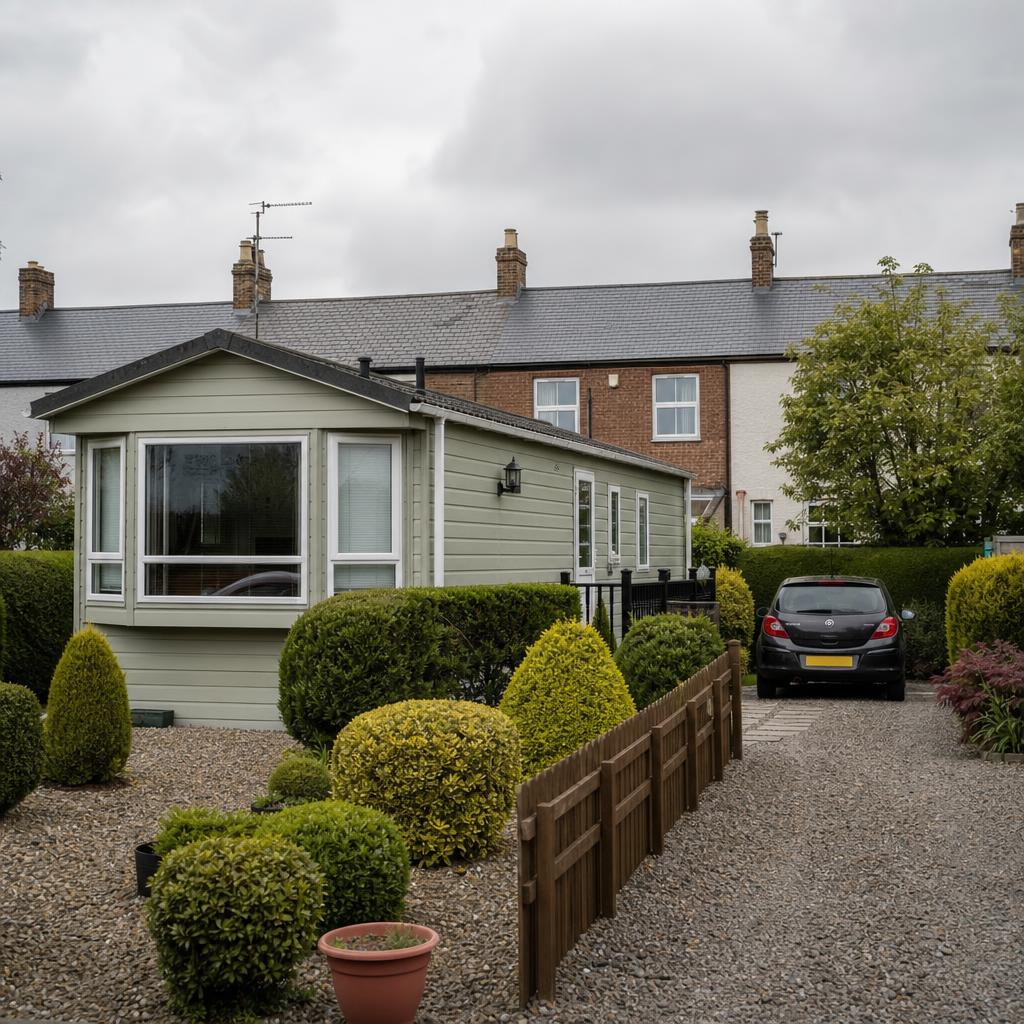
Purchase price
The purchase price is the first cost, but it is only part of the picture. Park homes can vary widely based on size, specification, age, location, and whether they are brand new or resale units.
A modern home in a premium countryside or coastal park will usually cost more than a smaller older home on a basic pitch. However, the headline price can still look attractive compared with conventional housing. For buyers seeking a luxury setting, our page on lodge homes for sale shows how plot quality and specification can affect value.
When asking how much does it cost to live in a park home in the UK?, remember that a lower purchase price does not always mean lower overall cost. A cheaper unit may need more upkeep, and it may sit on a park with higher site fees. That is why the total cost matters more than the sticker price.
Pitch or site fees
Site fees are usually the most important ongoing cost to understand. They are the regular charge for the plot your home sits on, and they can be fixed or reviewed according to the park agreement.
Before you buy, ask exactly what the fee covers. For example, does it include grounds maintenance, refuse collection, road care, lighting, or general site management? Those details can change the real monthly burden. Our article on pitch fees explained is a useful reference point.
This is also where transparency matters most. If you are comparing options across the UK, ask for the current fee, the review method, and any expected changes. That is the only reliable way to answer how much does it cost to live in a park home in the UK? with confidence.
Utilities
Utilities usually include electricity, gas if supplied, water, wastewater, and broadband. The exact setup depends on the park and the home’s specification.
Energy use can be efficient in a well-insulated modern home, but you should still check the heating system, the glazing, and whether the home is designed for year-round use. It is wise to ask for recent bills from the seller or park operator if possible.
If you are comparing a park home with a lodge or a holiday unit, our guide to lodge ownership costs in the UK can help you separate utility costs from other running costs. That makes it easier to see how much does it cost to live in a park home in the UK? in real terms, rather than just in theory.
Council tax
Council tax usually applies to residential park homes, but the band depends on the local authority and the individual home’s classification.
This is a cost buyers should verify early, because it affects the monthly budget. Holiday homes and holiday lodges are treated differently, so do not assume the same rules apply.
If you need a clearer comparison between holiday and residential use, our page on holiday lodge ownership rules in the UK is a helpful companion read. The key point is simple: when asking how much does it cost to live in a park home in the UK?, council tax may be part of the answer, so it should never be overlooked.
Insurance and maintenance
Insurance protects your home, while maintenance protects your lifestyle. Both are important, and both should be budgeted for from day one.
Park homes need routine care. That can include external cleaning, checking seals, servicing heating systems, and general seasonal upkeep. Newer homes often reduce maintenance pressure, but no home is maintenance-free.
For practical buyer insight, it can help to hear from real residents. Before you budget, watch [VIDEO_EMBED_1] and consider how daily living, comfort, and affordability are discussed by someone already living the lifestyle. After that, you may also want to review the cautionary perspective in [VIDEO_EMBED_2], which highlights the financial questions buyers should ask before committing.
Insurance and upkeep do not need to be expensive, but they should be planned. That is the difference between a well-managed purchase and a costly surprise.
How much does it cost to live in a park home in the UK compared with traditional property?
How much does it cost to live in a park home in the UK compared with a traditional house? In many cases, the upfront purchase price is lower, but the comparison must include ongoing fees and ownership rights. A park home can feel more affordable at the point of purchase, yet the monthly structure is different from a standard freehold or leasehold home.
Traditional property usually involves a mortgage, repairs, insurance, and council tax, but it does not usually include pitch fees. Park home living often replaces some of those costs with site charges and a different ownership model. Therefore, the better question is not whether it is cheaper in every case. It is whether the overall package suits your budget and lifestyle.
Location also changes the equation. A well-positioned park in Cambridgeshire, Cornwall, Kent, Derbyshire, or Lincolnshire may command a premium because buyers value the setting and the lifestyle. If you want to see how location and park quality influence value, browse park homes in Cornwall or park homes in Kent for examples of different regional markets.
As a rule, buyers should compare total monthly cost, not just sale price. That means adding site fees, utilities, council tax, and maintenance to the purchase figure. It is also wise to ask whether the park is intended for residential living or holiday use, because the legal and financial rules differ. The UK government’s consumer guidance on park homes is a good place to start when checking your rights, and the government guide for mobile home residents is especially useful for understanding day-to-day ownership issues.
Why the cheapest asking price is not always the best value
A low asking price can be tempting, but it may hide higher site fees or more frequent repairs. That is why value should be measured across the full ownership period.
For example, a home with better insulation, a stronger specification, and a reputable park location may cost more upfront but be easier to manage later. Likewise, a newer development may have clearer park rules and a more predictable service structure.
If you are comparing options, our guide to static caravans and lodges for sale can help you understand the differences in build style and cost expectations. That context is useful when you are asking how much does it cost to live in a park home in the UK? and want a fair comparison.
Questions to ask about site fees before you buy a park home
Site fees need careful scrutiny. They affect affordability now and in the future.
Ask for a written breakdown of what the fee includes, how often it is reviewed, and whether any extra charges apply. You should also ask about pitch agreement terms, park rules, and what happens if the site is sold or restructured. These are practical questions, not legal trivia.
How much does it cost to live in a park home in the UK? often comes down to what is hidden inside the monthly fee. A park may look affordable until you factor in services that another site includes at no extra charge. So, compare the full offer, not just the monthly figure.
Here is a simple checklist:
– What exactly does the site fee cover?
– How is the fee reviewed?
– Are there separate charges for parking, refuse, landscaping, or drainage?
– Is the home on a residential or holiday pitch?
– Can I see the park rules in writing before I proceed?
If you are exploring new locations, our pages on park homes in Cambridgeshire and park homes in Derbyshire show how lifestyle, setting, and park management can shape the final cost. That is why asking the right questions early saves time later.
What should be in the paperwork?
The paperwork should explain the home, the pitch, the fees, and the park conditions in plain language. If anything is unclear, ask before you reserve.
You want to understand your obligations and the park operator’s responsibilities. That includes maintenance boundaries, fee review terms, and any restrictions on letting, pets, or alterations.
A clear contract reduces risk. It also makes the answer to how much does it cost to live in a park home in the UK? much more reliable, because you are working from documented terms rather than assumptions.
Are park homes good value for retirees asking how much does it cost to live in a park home in the UK?
For many retirees, park homes can be good value because they simplify day-to-day living. They may reduce garden work, lower maintenance pressure, and create a calm setting that suits downsizers.
However, value depends on the individual park, the home specification, and the ongoing cost structure. A retiree may value peace, good management, and community more than square footage. That means the best choice is not always the cheapest one.
How much does it cost to live in a park home in the UK? is especially relevant for retirees because fixed income planning matters. Buyers need predictable monthly outgoings and a clear understanding of what can change. Site fees, utilities, and upkeep should all be reviewed before a decision is made.
Many retirees also compare park homes with luxury lodges, especially when they want a scenic setting and an easier lifestyle. If that is part of your search, our page on lodge living in the UK may help you decide whether a residential park home or a lodge-based setting fits your needs better.
For a real-world perspective, the resident-led discussion in
<div class="se-video" style="position:relative;padding-bottom:56.25%;height:0;overflow:hidden;margin:24px 0;">
is useful because it shows how affordability and lifestyle meet in practice. Meanwhile,
<div class="se-video" style="position:relative;padding-bottom:56.25%;height:0;overflow:hidden;margin:24px 0;">
is a reminder to check the financial details carefully before you buy. Good value comes from clarity, not just attraction.
Why lifestyle matters as much as price
Retirees often choose park homes for quiet surroundings and simpler upkeep. Those benefits can be worth a lot, especially when they support a more relaxed routine.
At the same time, the location must suit practical needs. Access to services, transport, shops, and healthcare may matter more than a small saving on price.
That is why the question how much does it cost to live in a park home in the UK? should always be linked to lifestyle goals. When the home supports the life you want, the cost is easier to justify.
Request park home pricing and availability
If you are seriously comparing options, the next step is to request current pricing, site fee details, and availability from the park operator. That is the only way to build a realistic budget.
How much does it cost to live in a park home in the UK? can only be answered properly when you know the exact home, the plot, the site terms, and the level of specification. Generic price guides are useful, but they are never a substitute for park-specific information.
At White Park Home Group, we recommend comparing a few parks side by side. Look at purchase price, monthly costs, location, and the quality of the surrounding development. Then ask for the park rules in writing and review them carefully. If you are still weighing up lifestyle choices, the overview on White Park Home is a sensible starting point for exploring the brand and its developments.
A transparent enquiry process helps you avoid surprises. It also gives you a stronger basis for deciding whether a park home is the right move for you.
What to request before you reserve
Ask for the purchase price, the current site fee, any extra charges, and the park rules. Also ask whether the home is residential or holiday use.
If the park is in a location you like, check whether comparable homes exist nearby. That helps you judge value more confidently.
When buyers ask how much does it cost to live in a park home in the UK?, the best answer always starts with current, written figures.
Key Takeaways
- The real answer to how much it costs to live in a park home in the UK depends on the full package: purchase price, site fees, utilities, council tax, insurance, and maintenance.
- Site fees are often the most important ongoing cost, so buyers should always ask exactly what they include and how they are reviewed.
- Park homes can compare well with traditional property, but only when you compare total monthly cost rather than headline price alone.
- Retirees often value park homes for simpler living, lower upkeep, and a peaceful setting, but location and park quality still matter.
- Written pricing, park rules, and fee details are essential before you reserve any park home.
Frequently Asked Questions
How much does it cost to live in a park home in the UK?
It depends on the purchase price, site fees, utilities, council tax, insurance, and maintenance. The biggest ongoing cost is often the site fee, so the best comparison is total monthly cost, not just the asking price.
What is the meaning of hows?
“Hows” is not a standard everyday meaning on its own. In English, it can be used informally to refer to methods or ways of doing something, or as a pluralised form in some casual contexts.
What is the synonym of how?
Common synonyms depend on the sentence. In many cases, “how” relates to “in what way,” “by what means,” or “in what manner.”
How can we use how?
You use “how” to ask about method, condition, or reason. For example, you can ask how something works, how someone is feeling, or how a decision was made.
How ming hindi?
In Hindi, “how” is commonly translated as “kaise” for “in what way” or “how,” and sometimes as “kitna” depending on the question. The exact meaning changes with context.
Enquire now