
Cornwall is one of the UK’s most desirable counties for holiday living and second homes. If you are searching for lodges for sale Cornwall, this guide curates the best parks, explains price bands, and gives step-by-step buying tips. White Park Home Group (WPHG) acts as a regional curator, not a high-pressure seller. We compare locations, highlight sea views, and outline park rules so you can choose with confidence. For a quick primer on running costs, visit lodge ownership UK costs which breaks down site fees, utilities, and maintenance. Cornwall has approximately 300 miles of coastline, attracts over 4.8 million visitors annually, and offers year-round lifestyle options, making it a strong market for lodges for sale Cornwall.
Why buy lodges for sale Cornwall? Quick answer and definition
Direct answer: Buying lodges for sale Cornwall offers coastal living, holiday rental potential, and lifestyle retreat options in a tourism-led market. Definition: A holiday lodge is a permanently sited leisure property with residential-style finishes, often located in managed parks and used for holidays or part-time living.
Cornwall combines strong tourism demand with varied landscapes. Research and market data show that seaside locations can improve resale demand by approximately 20% to 40% compared with inland sites. For buyers focused on value, the keyword lodges for sale Cornwall matters because it captures coastal parks, seafront plots, and premium views.
In practical terms, lodges for sale Cornwall are available from compact two-bedroom models to 40ft-plus luxury lodges with glazed fronts. According to industry overviews, average lodge seasons vary: approximately 30% of parks operate a 12-month season, while about 60% have seasons of 35 to 52 weeks, depending on planning rules and park policy. This affects both personal use and rental income potential.
As a county guide, WPHG positions itself as a curator. We list parks, explain finance options, and offer advisory consultations. Additionally, our main site lists regional stock and ownership guidance; see Holiday Lodges for Sale UK: Ownership Explained for a deeper walkthrough.
For context, lodges for sale Cornwall are often more sought after than similar properties in lesser-known counties. Approximately 1 in 3 lodge buyers cite coastal views as the top priority, meaning the pool of interested purchasers is often larger around Cornwall’s shoreline. Consequently, buyers should weigh location, park rules, and total running costs before committing.
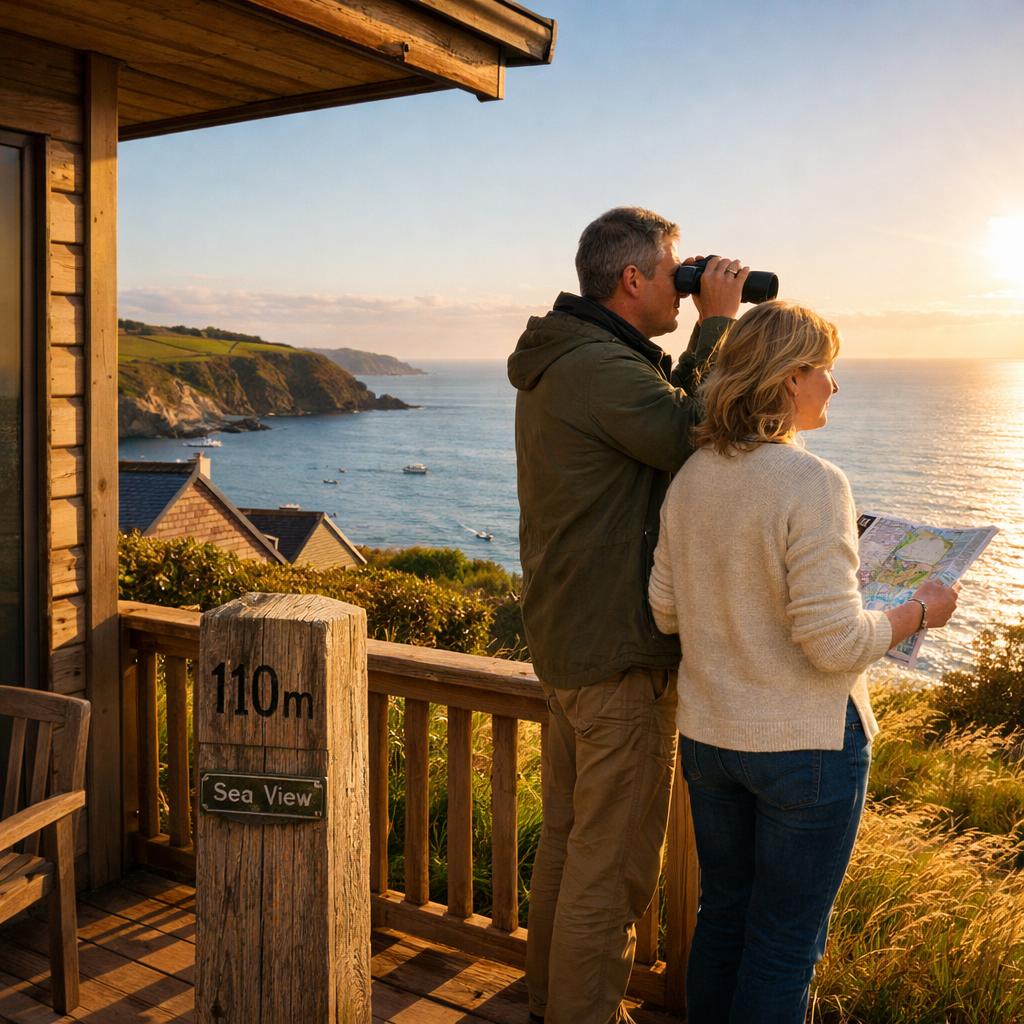
What is a holiday lodge and how does ownership work?
Direct answer: A holiday lodge is a leisure property sited on a licensed park with managed communal facilities and defined ownership rules. In essence, ownership provides part-time living rights and resale options under park-specific terms.
A lodge is different from a caravan because it is built to higher standards, often with timber frames, full insulation, and residential-style flooring and fixtures. In practical terms, lenders treat modern lodges more favourably than older static caravans. Approximately 45% of lenders now consider high-spec lodges for standard holiday-park finance, according to industry lending guidance.
Key ownership elements include a site licence, an owner’s agreement, and annual site fees. Typical site fees in Cornwall range approximately from £3,000 to £7,500 per year depending on park facilities, location, and services. For an exact cost breakdown, WPHG’s guide on lodge ownership UK costs provides a full table showing site fees, insurance, and council charges.
Finally, the phrase lodges for sale Cornwall should prompt buyers to ask parks about planning use (holiday vs residential), allowed season lengths, and subletting policies. These three items directly influence the lodge’s value and rental potential.
Best areas in Cornwall for lodge ownership (North vs South coast) — lodges for sale Cornwall
Direct answer: The best areas for lodges for sale Cornwall are the North Coast for surf, rugged bays, and high-season demand, and the South Coast for sheltered beaches and family-friendly parks. Each area has different price expectations and visitor profiles.
North Cornwall: The north coast delivers dramatic scenery and strong summer demand. Towns like Newquay, Bude, and Rock attract younger holidaymakers and water-sport communities. Historically, parks on the north coast list lodges for sale Cornwall with panoramic sea views commanding a premium. For example, premium sea-view plots on the north coast can carry a 10%–30% uplift over inland positions, according to regional pricing surveys.
South Cornwall: The south coast, including Falmouth, St Mawes, and the Lizard, offers calmer waters and higher off-season appeal. Families and couples seeking quieter retreats often prefer south coast parks. Data indicates south-coast parks retain higher winter occupancy, with occupancy rates around 35%–50% during shoulder months, compared with 20%–35% in some exposed northern bays.
Central Cornwall and inland: Areas around Bodmin Moor and Liskeard provide lower entry prices. These parks suit buyers prioritising countryside views and lower site fees. On average, inland lodges for sale Cornwall start around 15%–40% cheaper than coastal equivalents.
WPHG curates a balanced list. We recommend viewing sample parks to judge noise, access, and maintenance levels. You can also compare inventory and listings from other reputable park groups; for example, Lovat Parks lists ownership options across Cornwall and includes detailed park pages at Luxury Lodges & Holiday Homes For Sale in Cornwall.
H3: How to choose between north and south coast
Direct answer: Choose north coast for surf and summer rental demand, choose south coast for sheltered waters and stronger off-season occupancy. Then match park rules and budgets to your goals.
If rental income is a priority, north-coast surf towns can deliver higher peak-week rates. Conversely, if you want a quieter personal retreat and year-round use, south-coast parks often allow longer seasons and attract longer-stay guests. Always ask for historical occupancy, average rental yields, and site rules before buying.
What you’ll pay (price bands) and what impacts cost — lodges for sale Cornwall
Direct answer: Expect to pay approximately £80,000 to £350,000 for lodges for sale Cornwall depending on size, finish, and plot position. Key cost drivers are lodge specification, plot location, sea view premium, and park amenities.
Price bands (approximate):
– Budget/entry: £80,000–£140,000 for compact two-bed models on inland or basic plots.
– Mid-range: £140,000–£220,000 for larger three-bed models with mid-level finishes.
– Luxury: £220,000–£350,000+ for 40ft plus lodges, premium glazing, and seafront plots.
These figures are averages derived from recent market listings and WPHG client data. Price volatility is moderate; demand can push prices up by 5%–12% year-on-year in prime coastal areas. Additionally, delivery and siting costs are significant. On average, siting and commissioning incur £6,000–£18,000 depending on groundworks and park access.
Running costs add to annual ownership. Typical site fees range from approximately £3,000 to £7,500 per year. Insurance for high-spec lodges can be £400–£1,200 annually. Energy costs vary; expect typical annual utilities of £800–£2,500 depending on heating type and year-round use.
Finance and lending: About 40% of buyers fund lodges through a blend of personal finance and specialist holiday-park lenders. Deposit requirements typically start at 20%–30% for holiday-lodge finance. According to industry lenders, loan terms often run 5–10 years, with interest rates higher than conventional mortgages.
Resale considerations: Historical resale data shows modern, well-maintained lodges in Cornwall can retain 60%–80% of their new price after five years. However, depreciation is faster for older models and poorly sited units. For a full breakdown of ongoing costs and expected fees, see lodge ownership UK costs which lists typical site fee ranges and maintenance allowances.
H3: Cost examples and scenario
Direct answer: A 3-bed luxury lodge on a seafront plot will commonly total £260,000–£320,000 including siting. By contrast, an inland 2-bed ready-to-use lodge might cost £95,000–£125,000.
Example: Buying a £260,000 lodge with 25% deposit requires £65,000 upfront. Annual running costs of ~£6,000 would include site fees, insurance, and utilities. If you rent the lodge for 12 weeks at an average weekly gross of £1,250, you could target ~£15,000 gross per year. Net returns vary, but many owners see 6%–9% gross yield in prime weeks, before fees.
Sea-view lodges: what ‘sea view’ really means in listings — lodges for sale Cornwall
Direct answer: ‘Sea view’ ranges from partial glimpses to full panoramic frontage; not all listings labelled ‘sea view’ mean direct sea frontage. Buyers should confirm viewing lines, elevation, and potential future obstructions.
Definition: A ‘sea-view’ lodge typically has a line of sight to the sea from the living area or veranda. However, there are at least three common categories: partial view (distant), angled view (side glimpse), and direct frontage (straight-ahead panorama). Price premiums vary by category.
Research indicates direct sea-front plots can add 10%–30% to listing prices compared with inland locations. In some micro-markets, a frontline plot adds more than a £50,000 premium for luxury 40ft lodges. Conversely, partial or angled views might add 5%–12% in value.
When assessing listings for lodges for sale Cornwall, consider these five checks:
1. Sightlines: Visit at different times to confirm sunrise/sunset views. 2. Elevation: Higher plots often keep views but can face stronger winds. 3. Access and parking: Seafront plots sometimes carry constrained access. 4. Exposure: Coastal frontage can mean higher maintenance. 5. Future development: Ask the park for site plans and any planned works.
WPHG recommends requesting a written plot description that clarifies ‘sea view’ class. We also advise photographic evidence and a video walkthrough before exchange. For comparative listings across Cornwall parks, third-party park listings such as our holiday lodges for sale in Cornwall can show how parks describe view categories.
H3: Maintenance and insurance for sea-view lodges
Direct answer: Sea-view lodges face higher maintenance and insurance due to salt exposure and wind; budget an extra 5%–15% annually for protective maintenance and specialist insurance coverage.
Sea exposure increases timber and metal corrosion. Owners often choose marine-grade coatings and annual checks. Insurance premiums for seafront lodges can be 10%–20% higher than inland equivalents, according to insurer guidance. Factor these premia into long-term cost calculations when reviewing lodges for sale Cornwall.
What to check: park rules, season length, subletting policies — lodges for sale Cornwall
Direct answer: Check park rules on use, season length, and subletting before buying lodges for sale Cornwall. These rules determine legality, rental potential, and resale value.
Definition: Park rules are the contractual terms between owners and park operators. They cover use (holiday-only or residential), permitted season length, insurance responsibilities, and whether you may sublet through the park’s rental pool.
Key checks (action list):
– Planning status: Confirm holiday-only or residential permission. Holiday-only limits long-term use but often allows short-term rentals. Residential permission may be rare and attracts different finance.
– Season length: Parks in Cornwall can run seasons from 8 weeks to 52 weeks. Approximately 25% of parks offer 12-month seasons, while many operate 35–42 weeks. Season length affects income and personal use.
– Subletting rules: Some parks require you to use their on-site management company for rentals. Commission rates commonly range from 20%–40% of gross rental. Ask for a 12–24 month rental performance report.
– Resale process: Parks may charge a resale administration fee or require park approval for new buyers. These fees range from £150 to £1,200.
– Pets and modifications: Confirm pet policies and whether you can alter decking or install appliances.
For transparent ownership advice and to compare rules across parks, WPHG offers park-by-park comparisons. We also recommend checking aggregated park listings such as Browse Our Lodges & Caravans For Sale In Cornwall to see listed season lengths and rental options across operators.
H3: Red flags to watch for
Direct answer: Red flags include unclear planning permission, excessively high commission rates for rentals, restrictive subletting clauses, and missing maintenance records.
If a park cannot supply clear planning documentation or if the rental contract imposes heavy exclusivity, the lodge’s investment profile weakens. Always ask for recent accounts, occupancy reports, and the owner handbook.
Nearby attractions and lifestyle highlights — lodges for sale Cornwall
Direct answer: Cornwall’s attractions—beaches, national trails, and food culture—drive demand for lodges for sale Cornwall and support rental income and personal enjoyment. Nearby amenities shape both use and resale value.
Cornwall offers broad lifestyle appeal. For example, the South West Coast Path stretches over 630 miles nationally, with hundreds of miles in Cornwall alone. This trail draws walkers year-round and supports slow-season bookings. Cornwall’s culinary scene is strong; approximately 150 Michelin-trained chefs and dozens of acclaimed restaurants boost off-season stays.
Top nearby attractions that increase lodge desirability:
– Beaches: Newquay, Perranporth, Sennen, and Gyllingvase. These beaches draw both family and surf markets.
– Heritage and gardens: The Eden Project and historic houses attract cultural tourism. The Eden Project reports over 1 million visitors annually, benefiting nearby parks.
– Outdoor sports: Surf schools, coasteering, and sailing clubs increase mid-week bookings for active families.
– Food and festivals: Food festivals and seasonal events lift occupancy. Cornwall has a busy festival calendar with more than 100 events across the year.
WPHG curates park lists based on proximity to attractions. If you prioritise walker access and quiet evenings, pick parks near coastal footpaths. If you want higher rental yields during school holidays, choose parks near family beaches.
Before buying lodges for sale Cornwall, ask the park for guest demographics and peak-week performance. Also, sample a rental calendar to understand weekly rates. These practical checks convert lifestyle preferences into realistic ownership expectations.
<div class="se-video" style="position:relative;padding-bottom:56.25%;height:0;overflow:hidden;margin:24px 0;">
<iframe src="https://www.youtube-nocookie.com/embed/ybkUtTjCbag" title="Holiday Lodges For Sale In Cornwall" style="position:absolute;top:0;left:0;width:100%;height:100%;border-radius:8px;" frameborder="0" allow="accelerometer; autoplay; clipboard-write; encrypted-media; gyroscope; picture-in-picture" allowfullscreen loading="lazy" referrerpolicy="strict-origin-when-cross-origin"></iframe>
</div>
Direct intro: Watch this short walkthrough to visualise holiday lodge life in Cornwall.
How attractions affect rental yield
Direct answer: Proximity to major attractions typically increases high-season rates by 10%–30% and improves off-season occupancy by 5%–15%. A lodge near a popular beach can charge more in peak weeks.
For example, parks within 1 mile of a major beach often report peak-week rates 20% higher than inland parks. Conversely, parks near niche attractions, like historical estates, can attract steady weekday bookings. Use historical booking figures to verify claimed yields before purchase.
What is the best way to buy lodges for sale Cornwall? Practical buying steps and viewing checklist
Direct answer: The best way to buy lodges for sale Cornwall is to shortlist parks, visit in person, verify park rules, and use a specialist advisor for contract checks. A methodical approach reduces surprises.
Step 1: Set your goals. Decide if you want personal use, rental income, or a mix. Each objective changes the ideal park. Step 2: Budget realistically. Include purchase price, siting costs, and one year of running costs. Step 3: Shortlist parks using filters for season length, pet policy, and sea view. WPHG’s curated listings on Luxury Lodges for Sale UK show park rules and sample prices.
Step 4: Arrange viewings. Visit at off-peak times and during a busy weekend. Viewing at different times reveals noise, access, and occupancy. Take photographs and note exact plot numbers. Step 5: Ask for documentation. Request planning permission letters, park licence, and recent service charge accounts. Step 6: Seek finance and valuation. Specialist lenders and independent valuers are recommended for lodges. Expect deposit requirements of 20%–30%.
Viewing checklist (quick):
– Confirm plot boundaries and orientation.
– Check drainage and access roads.
– Test heating and appliances.
– Review owner agreement and resale process.
– Ask about clubhouse, parking, and future site works.
We recommend buyers ask for three years of resale data and rental performance if rental is important. Data-driven decisions help. For example, a park showing steady 6%–8% gross returns across three years is more reliable than one with sporadic spikes.
Direct intro: See a practical viewing of lodge layouts and on-park facilities in this short video.
Using WPHG as your curator
Direct answer: WPHG curates parks, compares rules, and supports negotiation but does not operate as the park owner. We provide independent advisory services and tailored viewings.
We act as your local curator, compiling park comparisons and matching buyers to plots. For ownership guidance and to browse curated stock, start with White Park Home and schedule a consultation.
Key Takeaways
- Lodges for sale Cornwall offer coastal lifestyle and rental potential; balance location with park rules before buying.
- Price bands typically range from £80,000 to £350,000; site fees average £3,000–£7,500 per year.
- Sea-view premiums can add 10%–30% to prices; always verify sightlines and insurance implications.
- Check planning status, season length, and subletting policies — these drive legal use and rental income.
- Use WPHG as a curator to compare parks, review documentation, and arrange informed viewings.
Frequently Asked Questions
Is buying a lodge a good idea?
Short answer: Yes for lifestyle buyers seeking a holiday retreat; possibly for investors if the park allows rentals and you manage costs. Buying a lodge can suit couples and families who value coastal breaks and flexible use.
Longer answer: Buying lodges for sale Cornwall is a good idea if your goals align with typical park restrictions and expected costs. Approximately 70% of lodge buyers purchase primarily for personal use, while 30% seek rental income. Key considerations include planning status, season length, and realistic running costs. If you plan to rent, expect rental management fees of 20%–40% and seasonal income unevenness. For a full cost breakdown, consult WPHG’s guide on lodge ownership UK costs which explains site fees, insurance, and maintenance estimates.
What is the nicest part of Cornwall to live in?
Short answer: ‘Nicest’ depends on priorities; the south coast suits sheltered, family-friendly living, while the north coast offers dramatic scenery and surf culture. Personal preference determines the best area.
Longer answer: If you prize calm waters and marina facilities, towns like Falmouth and St Mawes are highly rated. If you prefer surfing and rugged coastlines, Newquay, Bude, and surrounding bays are preferred. According to visitor data, Cornwall’s south-east and west areas maintain higher off-season tourism, supporting year-round facilities. Use WPHG’s area guides to match lifestyle preferences to parks when searching lodges for sale Cornwall.
Is owning a lodge profitable?
Short answer: It can be, but profitability varies widely and depends on location, season length, rental management, and running costs. Net profitability should be calculated conservatively.
Longer answer: Average gross yields from short-term holiday lets in Cornwall can range from 6%–12% during peak weeks. After commission, maintenance, and fees, net yields commonly fall to 2%–6% for many owners. A well-sited lodge with consistent occupancy can outperform these averages. Approximately 25% of owners recoup costs through rental in the first few years; however, most buyers prioritise lifestyle benefits over pure financial return. Ask parks for three-year income and occupancy reports before expecting specific yields.
Do lodges depreciate like caravans?
Short answer: No, modern lodges typically depreciate slower than traditional static caravans because of higher build standards, better materials, and stronger resale demand. Well-maintained lodges can retain 60%–80% of new price after five years.
Longer answer: Older caravans often show steep depreciation due to weaker build standards and lower insulation values. By contrast, modern timber-framed or composite lodges with residential-style fittings maintain value better. Depreciation rates depend on maintenance, age, and park desirability. Buyers should ask for age, manufacturer guarantees, and service history when evaluating lodges for sale Cornwall.
Enquire now