
If you are comparing lodges vs park homes vs static caravans, the best choice depends on how you want to use the property, how much space you need, and whether you want holiday use or something closer to residential living. These three options may look similar at first glance, but they serve different buyer needs and site rules. A lodge often feels more like a small luxury home, a park home is built for residential-style occupation on approved parks, and a static caravan is usually the simplest and most flexible leisure option. Understanding those differences can save you time, money, and a lot of confusion later. If you want to explore lifestyle fit as well as property type, you may also find our guide to lodge living in the UK useful before you shortlist a specific park or development.
Lodges vs park homes vs static caravans: how do they really differ?
The main difference in lodges vs park homes vs static caravans is the level of construction, the intended use, and the park licence behind the home. Lodges are usually the most spacious and upscale of the three. Park homes are intended for residential-style living, while static caravans are typically the most compact and leisure-focused.
That means you should not judge them only by appearance. A lodge may have vaulted ceilings, larger windows, and a more house-like layout. A park home is normally built to suit year-round occupation on a residential park. A static caravan is often lighter, narrower, and better suited to holiday use rather than long-term living.
This is why many buyers start with a general comparison like holiday lodge vs static caravan and then narrow the choice by location, budget, and intended use. If you are also weighing up a residential model, our residential park homes vs lodges guide helps explain where the line is drawn.
For a neutral external overview, Away Resorts’ guide to buying a luxury lodge vs a static caravan gives a useful holiday-home perspective. Likewise, Red Deer Village’s explanation of residential park homes and static caravans is helpful for understanding the residential angle.
If you only remember one thing from lodges vs park homes vs static caravans, remember this: the right choice is not about the fanciest brochure image. It is about licence, comfort, intended occupancy, and how you plan to use the home over time.
<div class="se-video" style="position:relative;padding-bottom:56.25%;height:0;overflow:hidden;margin:24px 0;">
For a short visual summary, this quick video from Great Birchwood is a practical starting point: Static Caravan v Lodge, Explained Quickly | Holiday Homes Lytham.
<div class="se-video" style="position:relative;padding-bottom:56.25%;height:0;overflow:hidden;margin:24px 0;">
If you want the legal context behind residential and leisure ownership, the Holiday and Residential Parks Association video on buying a holiday caravan or park home is also worth watching.
What is the most important difference for buyers?
The most important difference is not just the home type. It is whether the park is licensed for holiday use or residential use. That single detail affects how you can use the property, who can live there, and what you should expect from the site.
Quick comparison table: lodges vs park homes vs static caravans
A simple comparison makes lodges vs park homes vs static caravans easier to understand. In practice, the best choice often becomes clear once you compare use, comfort, and ownership rules side by side.
- Lodge: usually larger, more luxurious, and designed for leisure or holiday living.
- Park home: typically residential-style and suited to approved residential parks.
- Static caravan: generally lighter, narrower, and more budget-conscious.
- Best for space: lodge.
- Best for residential-style living: park home.
- Best for lower entry cost and holiday flexibility: static caravan.
If you want to understand ownership costs as part of the comparison, our park home ownership costs UK guide is a useful next step. It explains the types of running costs buyers should budget for, including park-related charges and upkeep. You can also review pitch fees explained if you want a clearer picture of what owners usually pay for on managed parks.
Here is the shortest way to think about lodges vs park homes vs static caravans. Lodges lean toward lifestyle and comfort. Park homes lean toward residential-style practicality. Static caravans lean toward affordability and leisure use. That does not make one universally better. It just means each one serves a different buyer.
Some manufacturers and park operators frame the same choice in slightly different ways. For example, Willerby’s explanation of the difference between a static caravan and a lodge is useful for understanding the layout and build differences from a manufacturer’s perspective.
What is a lodge?
A lodge is a premium leisure home that usually offers more space, better finishes, and a more house-like feel than a static caravan. In lodges vs park homes vs static caravans, the lodge is often the option buyers choose when comfort and style matter most.
Lodges are commonly used for holiday breaks, second homes, or luxury retreat ownership. They often feature larger bedrooms, open-plan living, upgraded kitchens, and stronger visual appeal. Many buyers like them because they feel less temporary than a caravan and more relaxed than a standard holiday unit.
However, lodges still depend on the park licence and the site rules. A lodge on a holiday park is not the same as a residential park home on a residential site. That distinction matters if you plan to stay for long periods or use the home as a main residence. Our buying a lodge in the UK guide explains the process in more detail, especially if you are comparing plots and site types.
If you are asking, “Are lodges better than caravans?”, the honest answer is that lodges are usually better for space, finish, and comfort. But they are not always better for every buyer. A couple who wants a simple coastal retreat may prefer a compact, lower-maintenance static caravan. Meanwhile, a lifestyle buyer may prefer a lodge because it delivers a more premium experience.
For buyers researching holiday settings, our coastal lodges for sale in the UK page and lodge park locations UK page can help you compare the kinds of environments lodges are usually placed in.
What is a park home?
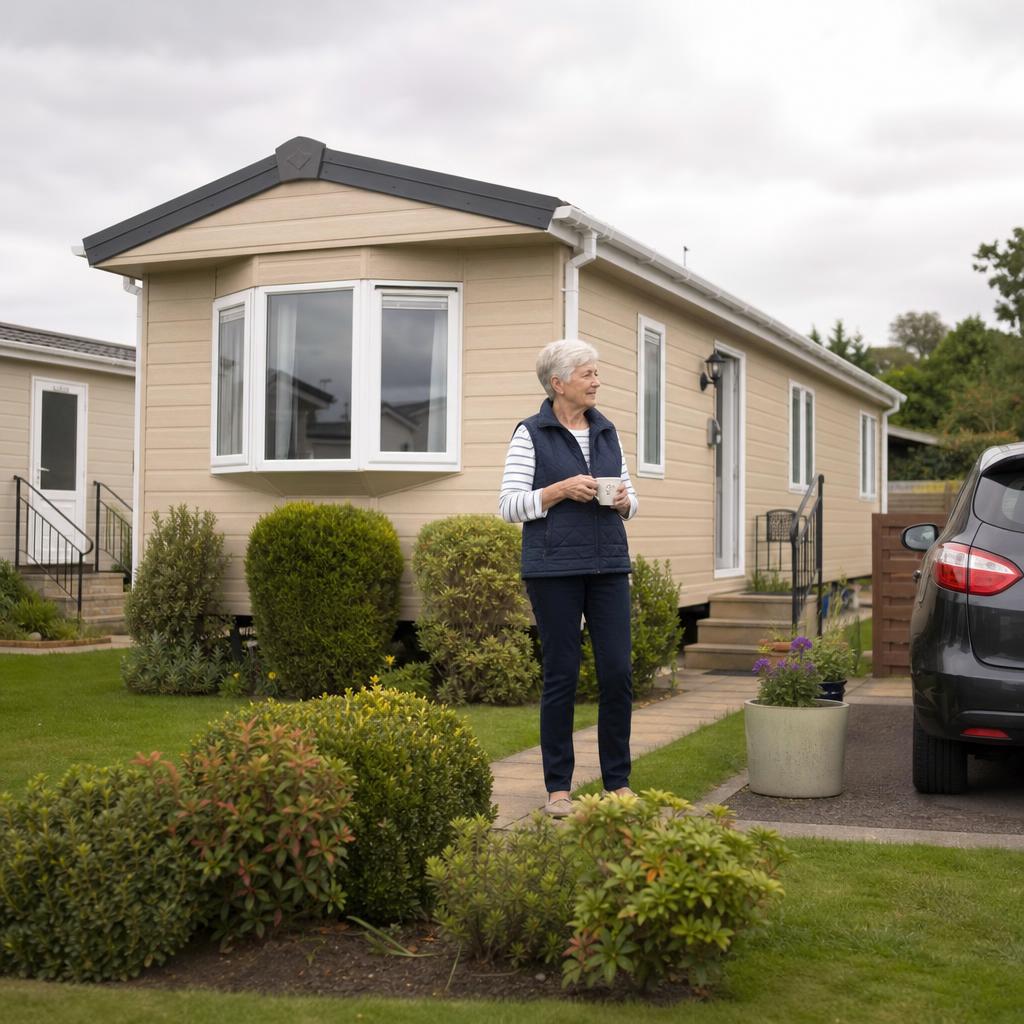
A park home is a purpose-built home designed for residential-style living on a licensed park. In lodges vs park homes vs static caravans, the park home is the option most closely aligned with full-time or near full-time occupation where the site allows it.
Park homes usually feel more like compact bungalows than leisure units. Buyers often choose them for downsizing, retirement, or simpler living in a managed community. They can offer privacy, comfort, and a calmer pace of life without the upkeep of a traditional bricks-and-mortar property.
The big point here is suitability. A park home is not just another holiday unit with a different label. The park licence, occupancy rules, and home specification all matter. That is why buyers often compare options through pages like park home living and park homes for sale in the UK before they decide.
If your goal is retirement-style living, a park home may be more suitable than a lodge or static caravan. If your goal is a holiday base with occasional use, the other two may be more practical. Therefore, do not choose based on appearance alone. Ask how the park is licensed, whether pets are allowed, and what level of occupation is permitted.
For more detailed buyer context, the external guide from Lovat Parks on how a static caravan differs from other holiday homes helps show why residential and holiday categories should never be mixed up.
What is a static caravan?
A static caravan is usually the most affordable and compact of the three options in lodges vs park homes vs static caravans. It is generally designed for leisure use, not as a residential home.
Static caravans are popular with buyers who want a simpler holiday base. They can still be attractive and comfortable, but they are usually narrower and less substantial than lodges. As a result, they often suit shorter breaks, seasonal use, or buyers who want lower upfront commitment.
The phrase “static caravan” can be misleading, because some models look very modern. However, the underlying purpose remains different from a park home. A static caravan is usually best viewed as a holiday home product, not a residential home product. That difference affects both how you use it and how you assess long-term value.
If you want a straightforward explainer, our holiday lodges vs static caravans page covers the key practical differences in comfort, lifespan, and buying considerations. You may also find static lodges for sale useful if you are trying to understand where some park operators position these terms.
So, what is the difference between a static caravan and a park home? In simple terms, the static caravan is generally a leisure unit, while the park home is built for residential-style living on the right kind of site. That distinction is central to lodges vs park homes vs static caravans, and it should guide every buyer decision.
Build quality, insulation and year-round comfort in lodges vs park homes vs static caravans
Build quality is where lodges vs park homes vs static caravans becomes especially important. The three products can all be attractive, but they are not built with the same priorities.
Lodges are typically designed to feel more substantial and spacious. Park homes are designed around comfortable year-round occupation on a residential plot. Static caravans are usually lighter and more leisure-oriented, which can affect insulation, layout, and the sense of solidity underfoot.
This matters most if you want to use the home beyond peak holiday periods. A well-specified lodge can feel warm and inviting in cooler months. A park home can feel practical and homely throughout the year. A static caravan may still be perfectly fine, but it is generally chosen for a different level of use.
Before you buy, ask to inspect heating systems, windows, flooring, and insulation details. Also check what the park allows during colder months. Many buyers overlook this and focus only on the show unit. That is a mistake.
If your buying journey is leaning toward a more permanent lifestyle, our can you live in a lodge all year round in the UK? guide will help you separate year-round use from residential permission. For a broader lifestyle comparison, lodge homes for sale can be a useful place to compare different property styles and specifications.
In short, lodges vs park homes vs static caravans is not just a question of looks. It is a question of how the home performs when you are actually living in it or using it through colder, wetter months.
Residential use and holiday use differences: why the licence matters
The licence matters because it determines how you may legally use the home. A holiday lodge, a residential park home, and a static caravan are not interchangeable when it comes to site permissions.
This is one of the most common buying mistakes. A property that looks suitable for full-time living may still sit on a holiday-licensed park. That can create problems if your plans change later. Therefore, always check the park’s rules before you fall in love with the plot.
If you want a focused explanation, our can you permanently live in a lodge in the UK? guide and holiday lodge vs residential park home article are both helpful next reads. They explain why the words “holiday” and “residential” should never be treated as the same thing.
For an outside perspective, Spring Lea Park’s comparison of a static caravan and a holiday lodge adds useful context around holiday use. Meanwhile, the Holiday and Residential Parks Association video can help buyers understand the broader legal distinction.
If you are buying for retirement or a lifestyle move, this section is the one to pay closest attention to. The right home type on the wrong site is still the wrong purchase.
Costs, site fees and depreciation: what should buyers expect?
Costs are an important part of lodges vs park homes vs static caravans, but they should never be judged on purchase price alone. The cheapest option to buy is not always the cheapest to own.
A lodge often costs more upfront because it offers more space and a higher-spec finish. A park home may also command a higher price than a basic caravan because it is built for residential-style use. A static caravan can be the lowest entry point, but it may also have different expectations around long-term wear and resale.
Site fees, utilities, maintenance, insurance, and park rules all shape the real cost of ownership. That is why a park with a lower asking price can still be expensive overall. Our holiday lodge site fees page and holiday lodge vs residential park home page help buyers think beyond the headline figure.
You should also think about depreciation carefully. Leisure homes can lose value over time, especially if the market changes or the home ages. That does not mean you should avoid them. It means you should buy for the right reason. If your goal is lifestyle enjoyment, location quality and management standards matter more than speculation.
For buyers who want a deeper commercial view, our park home living UK and buying a holiday lodge UK guides explain fees, rules, and ownership questions in a more practical way.
Which option is best for retirement, holidays or investment?
The best option depends on your end goal. In lodges vs park homes vs static caravans, retirement buyers usually want comfort and permission clarity, holiday buyers want flexibility and location, and investment-focused buyers want demand, usability, and sensible running costs.
For retirement-style living, a park home is often the most suitable because it is designed for residential-style occupation. For holidays or second-home use, a lodge often feels like the strongest all-round choice because it balances comfort with lifestyle appeal. For a lower-cost leisure purchase, a static caravan may be the most practical starting point.
If your priority is scenic location, our holiday homes in Cornwall and park homes Kent pages show how different settings can suit different ownership goals. If you prefer countryside access, park homes in Derbyshire may be worth exploring too.
For investment, be cautious with any promise of guaranteed returns. A lodge or park home can make sense as part of a wider lifestyle and asset plan, but the value depends on demand, location, licence, and the condition of the park. It is better to think in terms of suitability than speculation.
In practical terms, lodges vs park homes vs static caravans becomes simple when you start with purpose. Choose the home that matches the life you want, not the one that merely looks best in a brochure.
How to choose the right option without making a costly mistake
The safest way to choose between lodges vs park homes vs static caravans is to work from use first, then budget, then location. That sequence prevents rushed decisions.
Start with these questions:
– Will this be for holidays, retirement, or occasional stays?
– Do you need residential-style permission?
– How much space do you actually use every day?
– Is year-round comfort important?
– What are the site rules on occupation, pets, and letting?
Next, inspect the park itself. A high-quality location can make a bigger difference than a slightly larger unit. Quiet surroundings, reliable management, and access to countryside or coast all add to the experience. That is why our lodge park locations UK and White Park Home pages are useful starting points when you are ready to shortlist actual sites.
Finally, get the terminology confirmed in writing. Ask whether the home is classed as a lodge, park home, or caravan, and check the licence attached to the park. This one step can prevent problems later. It is especially important if you plan to use the home more often than originally intended.
If you want the cleanest summary: lodges vs park homes vs static caravans is a question of lifestyle fit, not just product category. Once you understand the differences, the right choice usually becomes obvious.
FAQs about lodges vs park homes vs static caravans
These are the questions buyers ask most often when comparing lodges vs park homes vs static caravans. The short answers come first, followed by a little extra context.
If you are still undecided, it can help to revisit our park home vs holiday lodge guide after reading these answers.
Key Takeaways
- Lodges are usually the most spacious and premium leisure option.
- Park homes are designed for residential-style living on the right licensed site.
- Static caravans are typically the most compact and budget-focused choice.
- The park licence matters as much as the home type.
- Choose based on use, comfort, and rules, not just appearance.
Frequently Asked Questions
What is the difference between a lodge and a static caravan?
A lodge is usually larger, more luxurious, and closer in feel to a small house. A static caravan is typically narrower, lighter, and aimed more at holiday use. In lodges vs park homes vs static caravans, the lodge is normally the premium leisure option.
What are the disadvantages of lodges?
The main disadvantages are higher upfront cost, ongoing site fees, and the need to check the park licence carefully. Lodges are attractive, but they are not right for every buyer. Some people may prefer a simpler static caravan or a residential park home instead.
Are lodges better than caravans?
Lodges are often better for space, comfort, and finish. However, that does not mean they are always the better purchase. If your goal is lower-cost holiday ownership, a static caravan may suit you better. The best option depends on how you plan to use it.
What is the difference between a static caravan and a park home?
A static caravan is usually a leisure unit, while a park home is designed for residential-style living on the right kind of site. That means the park licence, build expectations, and intended use are different. This is one of the most important distinctions in lodges vs park homes vs static caravans.
Enquire now