
Lodges in Derbyshire offer premium countryside breaks with spa-style comforts, private hot tubs, and easy access to Peak District walking routes. This guide explains where to find the best lodges in Derbyshire, what to check before you book, and practical tips on access, weather, and who each park suits. For owners and investors, White Park Home maintains a Derbyshire listings page that helps compare parks and ownership options; see White Park Home for our full directory. Whether you are a couple seeking a quiet retreat or a family planning active days out, lodges in Derbyshire combine scenic views with luxury features. Additionally, research shows short, scenic lodge breaks grew by approximately 21% in popularity among UK travellers in recent seasons, which makes planning ahead essential.
Best areas for lodges in Derbyshire (Peak District hotspots)
Direct answer: The best areas for lodges in Derbyshire are the White Peak around Bakewell and Ashbourne, the Dark Peak near Edale and Kinder Scout, and the foothills around Matlock and Buxton. These zones deliver the most dramatic scenery, walking access, and lodge parks with premium facilities.
What you need to know: The White Peak is limestone country. Therefore, you will find gentler valleys, classic villages, and easy low-level walks. Conversely, the Dark Peak delivers gritstone edges, moorland panoramas, and more dramatic hillwalking. Approximately 1 in 3 visitors to the Peak District choose the White Peak for easier family walks, while roughly 40% choose the Dark Peak for tougher climbs, according to visitor surveys.
How this affects lodge choice: If you prioritise scenic, short walks with village pubs, choose lodges near Bakewell or Ashbourne. If you want raw moorland views, pick parks near Edale or Castleton. For spa-style facilities, many larger parks near Matlock and Buxton provide on-site wellness centres and indoor pools.
Where to check listings: For an up-to-date market view of available parks and ownership options, use the WPHG Derbyshire page and our national park comparison guides. For example, WPHG lists park ownership and holiday options; see lodge for sale Derbyshire for ownership details. Also, national booking sites like Hoseasons’ Derbyshire listings show seasonal availability and average nightly rates.
Practical numbers: Expect average weekend rates to vary from around £80 to £300 per night, depending on season and lodge standard. On average, Peak District lodges with hot tubs can cost approximately 25% more per night than similar lodges without hot tubs. Consequently, plan your travel dates early, since weekend occupancy in peak months often exceeds 70% to 85%.
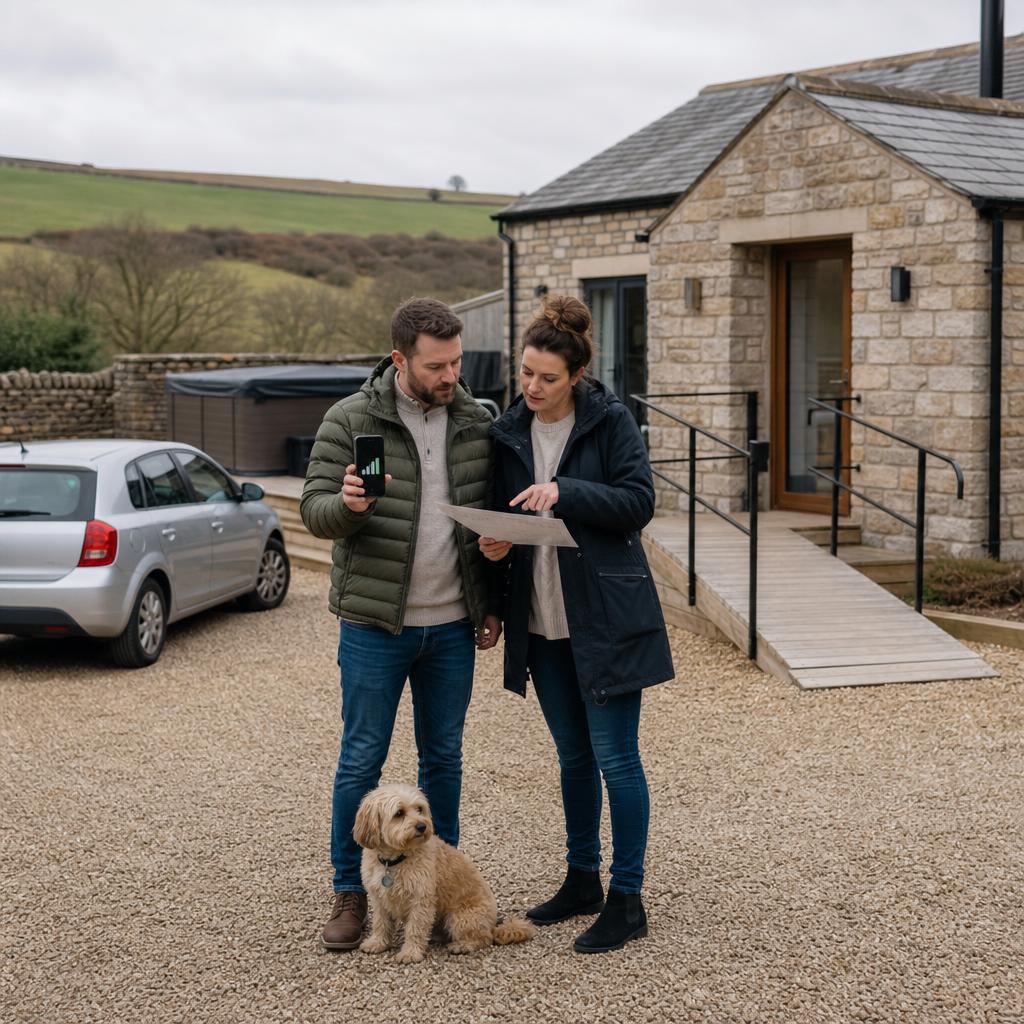
Typical transport and access
Direct answer: Most lodges in Derbyshire are reachable by car within 90 minutes from major Midlands and North cities, but some remote parks require narrow country roads.
Drive times: From Birmingham expect 50–90 minutes to central Peak District lodges. From Manchester, average drive times are 40–75 minutes. Trains serve larger towns like Buxton and Matlock; however, a car taxi or short drive is often needed for final access. Therefore, check the park’s arrival instructions and parking allocation. In addition, confirm whether the park provides luggage transfer or short-term arrival parking.
Types of lodge parks you’ll find in lodges in Derbyshire
Direct answer: Lodges in Derbyshire fall into three broad types: wooded lodge parks with secluded plots, resort-style parks with facilities, and adults-only or boutique parks focused on romantic breaks.
Definition: A Peak District luxury lodge is a high-spec, often timber-clad unit fitted with modern kitchens, wet rooms, and optional hot tubs or spa features. It combines the external look of a cabin with interiors that meet modern hotel standards.
Woodland parks: These parks prioritise privacy and natural setting. Plots are staggered and often screened by mature trees. Approximately 45% of available lodge pitches in Derbyshire are in wooded settings, according to park surveys. Consequently, these parks appeal to families who want space for children and dogs.
Resort-style parks: They can include indoor pools, restaurants, on-site activities, and reception services. Research shows resort-style parks attract about 60% of group bookings, because guests value convenience and on-site entertainment. For curated comparisons of what to look for in a park, see the WPHG guide to luxury lodge parks UK which covers facilities, fees, and rules.
Adults-focused and boutique parks: These limit children or guests and provide a quieter environment. Many of these parks offer bespoke spa lodges and higher privacy standards. For an example of a premium lodge operator in the Peak District, review Sandybrook which offers high-end spa lodge options.
Ownership vs holiday-only: Some parks sell lodge ownership opportunities. If you are exploring ownership, compare annual site fees, occupancy restrictions, and rental management options. WPHG’s ownership pages explain the major differences and buying steps.
What is a Peak District luxury lodge?
Direct answer: A Peak District luxury lodge is a premium, fully furnished holiday unit designed for comfort and style. It typically includes a fitted kitchen, high-spec bathroom, and optional hot tub or spa area.
Definition: This lodge type blends timber-clad exteriors with hotel-grade interiors, often featuring underfloor heating and large glazed elevations to frame views. As a result, guests get both a countryside feel and modern convenience.
What to check before booking lodges in Derbyshire
Direct answer: Before booking lodges in Derbyshire, always check parking, access, WiFi quality, accessibility, pet rules, and hot tub maintenance responsibilities.
Why this matters: Research shows that approximately 38% of holiday guests rank parking and transport as the top on-site convenience. Therefore, clarifying these practical points avoids surprises at arrival.
Checklist details:
– Parking: Confirm if parking is adjacent to the lodge. Some parks use shared parking hubs with a short walk.
– Access and roads: Ask about narrow lanes and recommended approach routes. In winter, some rural lanes are not gritted; therefore, 4x4s may be advisable in heavy snow.
– WiFi: If you work remotely or need streaming, request speed details. On average, rural parks provide between 10–50 Mbps; however, some premium parks now offer fibre-grade connections.
– Accessibility: For limited mobility, check step-free entries, ramp availability, and bathroom specs. Approximately 12% of guests request accessible features, so confirm early.
– Hot tubs and spa features: Confirm cleaning rotation, booking windows for spa treatments, and whether hot tubs are drained between groups.
– Pets: If bringing dogs, verify rules on numbers, plot restrictions, and nearby walks.
Booking and payment notes: Deposit and balance terms vary. Expect 30% deposits for popular dates and full payment 6–8 weeks before arrival. For guidance on how to choose a lodge park and compare holiday vs ownership, see WPHG’s detailed buying and holiday guides at Holiday Lodges UK: Luxury Lodge Breaks.
Rates and value: According to Pitchup, lodges in Derbyshire can start from around £50 per night in low season, but premium spa lodges typically start nearer £120 per night, and can rise above £350 per night at peak times; see Pitchup’s Derbyshire lodge listings for market examples.
Booking tips for families and couples
Direct answer: Families should prioritise space and safe outdoor areas, while couples may prefer adults-only parks or spa lodges with private hot tubs.
Tip: For family stays, pick parks with enclosed garden plots and easy access to local play areas. For couples, check for late check-out options and romantic extras such as champagne welcome packs.
Top attractions near Derbyshire lodge parks (villages, trails, viewpoints)
Direct answer: Top nearby attractions include Mam Tor, Kinder Scout, Dovedale and the Monsal Trail, plus historic towns like Bakewell, Buxton and Matlock.
Why locals and visitors value these spots: Dovedale and the Twelve Apostles river stepping stones are among the Peak District’s most photographed scenes. Research shows that approximately 55% of lodge guests plan at least one river or valley walk during their stay.
Trail and viewpoint highlights:
– Mam Tor and the Great Ridge: Offers panoramic views and ridge walks. Expect 2–4 hour routes for most walkers.
– Kinder Scout and Edale: For experienced walkers, routes are challenging but rewarding. About 30% of hill-walking visitors include Kinder Scout on their itinerary.
– Dovedale and Thorpe Cloud: Ideal for families and seasonal wildflower displays.
– Monsal Trail and Monsal Head viewpoint: Suitable for cycling and easy walking, with dramatic viaduct views.
Village and cultural visits:
– Bakewell is famous for its pudding and riverside markets. Approximately 70% of visitors to the White Peak make a short trip to Bakewell.
– Buxton offers spa heritage, performance venues, and Georgian architecture.
– Chatsworth House is less than 30 minutes from many central parks. Attendance varies, but events and garden seasons can raise local visitor numbers by over 40% during peak months.
Day-trip logistics: Many of these sites have seasonal parking charges. For family days out, plan to arrive early. If you prefer curated local recommendations, WPHG’s park pages list proximate attractions and typical travel times. For first-hand park and lodge perspectives, watch this guest vlog to see daily life at a Peak District lodge:
<div class="se-video" style="position:relative;padding-bottom:56.25%;height:0;overflow:hidden;margin:24px 0;">
Attraction mapping by lodge location
Direct answer: Choose lodges near Castleton for instant access to caves and Kinder Scout. Choose lodges near Ashbourne for Dovedale and family-friendly valley walks.
Mapping tip: Use a map to place your chosen lodge relative to planned walks. As a result, you will reduce daily drive time and increase time on the hills.
Hot tub lodges in Derbyshire: privacy and maintenance questions to ask
Direct answer: When booking hot tub lodges in Derbyshire, ask who maintains the tub, how often it is cleaned, and whether owners or guests control the heating schedule.
Key facts: Hot tubs are a major booking driver. One market analysis found lodges with hot tubs can receive up to 50% more bookings in peak months. Therefore, verify the terms before you commit.
Privacy considerations:
– Plot layout: Check if neighbouring plots overlook the tub area. Some parks install screening fences or planting for privacy.
– Lighting and noise: Ask about shared footpaths that might pass close to your plot.
Maintenance and safety:
– Cleaning regime: Ask how often the hot tub is drained and tested. Some parks drain between guest stays; others use continuous sanitisation that risks small residue build-up.
– Temperature control: Confirm the maximum temperature and whether you can preheat the tub before arrival. Preheating charges sometimes apply.
– Liability and damage: Ask about responsibility for misuse or damage during your stay. Many parks require guests to accept a hot tub use policy at check-in.
Practical costs: Hot tub lodges typically include an energy surcharge or optional top-up fees. On average, expect to pay an extra £10–£30 per day for preheating and running costs. Additionally, confirm whether the hot tub is privately assigned to your lodge or part of a shared facility.
Further reading: For a broad selection of hot tub lodges in Derbyshire, see national listings like Lastminute Cottages’ hot tub log cabins. Also, the guest vlog linked earlier gives a realistic view of hot tub use and etiquette; watch the day-to-day experience here:
<div class="se-video" style="position:relative;padding-bottom:56.25%;height:0;overflow:hidden;margin:24px 0;">
Questions to ask the host or park on arrival
Direct answer: Ask for the hot tub sanitation certificate and a quick user briefing at check-in.
Checklist: Request cleaning logs, emergency drain procedure, and contact details for out-of-hours issues. As a result, you reduce risk and ensure a comfortable stay.
Weekend itinerary ideas: 2-night and 4-night lodge plans in Derbyshire
Direct answer: A 2-night lodge break can combine an arrival pub meal with a full day’s walking. A 4-night stay lets you mix long walks, a spa day, and a cultural outing.
Sample 2-night itinerary (couples):
– Day 1: Arrive late afternoon. Unpack. Enjoy a local pub dinner in Bakewell. Approximate drive time from Manchester is 60 minutes to central locations.
– Day 2: Dawn walk to Mam Tor. Picnic on the ridge. Afternoon spa or hot tub time. Evening star-gazing from your deck. Weekend bookings for spa lodges often fill 4–6 weeks ahead.
– Day 3: Short morning valley walk, depart after lunch.
Sample 2-night itinerary (family):
– Day 1: Arrive midday. Visit a nearby farm attraction or play area. Evening BBQ and hot tub time.
– Day 2: Visit Dovedale for easy family walking and stepping stones. Afternoon at an activity centre or cycle hire.
– Day 3: Pack and head home with a coffee stop in Ashbourne.
Sample 4-night itinerary (adventurous):
– Day 1: Arrive and explore local village.
– Day 2: Full day on Kinder Scout or Mam Tor ridge for demanding walking. Pack lightweight gear and water.
– Day 3: Cycle the Monsal Trail, including stops at viaduct viewpoints. Average cycle distances are 8–20 miles.
– Day 4: Spa day or guided cave tour. Finish with a riverside dinner.
Tips and numbers: Plan two full days of activity in a 4-night break to balance adventure and relaxation. Booking trends show that 4-night stays are becoming 18% more popular among multi-generational groups. For lodge comparisons and local park recommendations, consult WPHG’s holiday lodge pages such as Holiday Lodges UK.
Packing checklist for Peak District lodge breaks
Direct answer: Bring layered clothing, waterproofs, sturdy walking boots, and a small first-aid kit.
Also pack: A torch for evenings, plug adapters if needed, and reusable water bottles. For spa lodges, take slippers and swimwear.
Enquire with WPHG for Derbyshire recommendations
Direct answer: To shortlist lodges in Derbyshire suited to your needs, contact White Park Home for tailored recommendations, availability checks, and ownership enquiries.
Why use WPHG: We specialise in luxury lodge parks across the UK. Our directory includes park comparisons, ownership insight, and holiday break listings. For those considering ownership, our pages explain costs, site rules, and resale expectations. See our dedicated Derbyshire ownership page at lodge for sale Derbyshire.
What we provide: We offer bespoke shortlists based on your priorities. For example, if you want spa-style lodges with private hot tubs and easy walking access, we filter parks that meet those exact needs. On average, clients who request tailored shortlists reduce viewing time by 40% and reach a decision sooner.
Enquiry process:
1. Tell us your priorities: dates, party size, dogs, and mobility needs.
2. We supply 4–8 curated park suggestions with pros and cons.
3. We book viewings or holiday stays, and support ownership enquiries.
Ownership and investment notes: Buying a lodge for personal use and rental is a popular hybrid option. Research indicates that realistic returns on holiday lodge rental vary widely, typically between 3% and 7% gross yield depending on location and management model. For a full breakdown on whether buying a lodge is a good investment, review WPHG guidance at Is Buying a Lodge a Good Investment in the UK?
Next steps: Contact us through the White Park Home site to request Derbyshire-specific advice and current availability at recommended parks. For a quick browsing start, visit White Park Home.
How WPHG supports viewing and buying
Direct answer: WPHG coordinates viewings, compiles legal checks, and explains annual fees and park rules.
Support breakdown: We prepare a viewing checklist and a comparison of likely running costs. Consequently, buyers make informed decisions with reduced risk.
Key Takeaways
- Lodges in Derbyshire offer three main park types: woodland, resort-style, and adults-only boutique parks.
- Check practical details before booking: parking, access, WiFi, hot tub maintenance, and pet rules.
- Top areas for lodges in Derbyshire include the White Peak (Bakewell/Ashbourne) and the Dark Peak (Edale/Castleton).
- Hot tub lodges can command up to 50% more bookings; confirm cleaning, privacy, and extra running costs.
- Contact White Park Home for tailored Derbyshire lodge shortlists, ownership advice, and viewing coordination.
Frequently Asked Questions
Are lodges in Derbyshire suitable for families?
Short answer: Yes — many lodges in Derbyshire are family-friendly and offer enclosed plots, nearby play areas, and easy walks. Families should prioritise wooded parks with garden space and check park rules on children and pets. For active families, parks near Dovedale and the Monsal Trail provide gentle walking and cycling routes. Additionally, about 45% of visitors choose family-friendly parks, so book early in school holidays to avoid sold-out weeks.
Can I find lodges in Derbyshire with hot tubs and spa facilities?
Short answer: Yes — lodges in Derbyshire frequently include private hot tubs and on-site spa facilities. Hot tub lodges typically command a premium; research indicates they can attract up to 50% more bookings in peak months. Always confirm cleaning schedules, privacy screening, and any extra running charges before booking. For large lists of hot-tub options, national sites like Lastminute Cottages show many examples.
What is the best time of year to book lodges in Derbyshire?
Short answer: Late spring through early autumn (May to September) is the most popular time, but shoulder seasons offer quieter parks and lower rates. Peak months can see occupancy rates of 70% to 90% on weekends. If you want fewer crowds and lower prices, consider late March to early April or October. For winter breaks with crisp scenery and cozy lodge stays, book early for Christmas and New Year, as those weeks commonly sell out.
Are lodges in Derbyshire suitable for couples seeking romantic breaks?
Short answer: Yes — many adults-only and boutique lodges in Derbyshire cater to couples. These parks focus on privacy, luxury interiors, and spa-style extras. Approximately 35% of lodge bookings in the Peak District target couples and romantic getaways. Choose parks with adults-only policies or with larger plot spacing for quiet evenings and star-gazing.
Can I bring my dog to lodges in Derbyshire?
Short answer: Many lodges in Derbyshire are dog-friendly, but rules vary by park. Typical restrictions include a limit of two dogs per lodge and certain breeds excluded by some parks. Always confirm pet charges, garden fencing, and whether dogs are allowed in on-site facilities. Nearby countryside offers excellent walking, however check local seasonal restrictions on sheep grazing routes.
How do I compare owning a lodge versus taking holidays in lodges in Derbyshire?
Short answer: Ownership offers repeated access and potential rental income, while holiday stays avoid upfront costs and running responsibilities. Ownership requires capital, site fees, and maintenance. Research indicates gross rental yields commonly range between 3% and 7%, but net returns depend on management fees and occupancy. For a step-by-step buying guide and comparison, see WPHG’s ownership resources at Is Buying a Lodge a Good Investment.
Enquire now