
If you are searching for lodges for sale in Derbyshire you are looking at one of England’s most desirable lodge markets. Derbyshire combines Peak District vistas, accessible market towns, and managed parks that suit retirees and second-home buyers. White Park Home Group (WPHG) helps buyers compare parks, understand prices, and arrange viewings across Derbyshire. In 2024 WPHG saw enquiries for Derbyshire listings rise 38% year-on-year, showing growing interest in county lodges for lifestyle and holiday use. For a full view of our national stock and to compare locations, see White Park Home Group. This guide explains how to view and buy lodges for sale in Derbyshire, where to look, likely prices, ongoing costs, park rules, and the next steps to enquire.
Lodges for sale in Derbyshire (how to view and buy)
Direct answer: To view and buy lodges for sale in Derbyshire, contact a specialist who can arrange park viewings, confirm park rules, and prepare a purchase checklist. You should view at least two parks and three lodges before you commit.
Buying lodges for sale in Derbyshire starts with location and park rules. According to WPHG sales data (2025), 72% of buyers choose a park before choosing a model. Therefore, picking the right park is crucial. Start by filtering parks by proximity to the Peak District. Next, check the park’s licence type. Many Derbyshire parks offer both holiday and residential-style plots. The legal differences affect occupancy, council tax, and mortgage options.
Viewing tips: bring a checklist, photograph the pitch, and ask for a written schedule of site fees and services. WPHG’s buyer guide How to buy a holiday lodge UK lists 30 essential questions to ask at a viewing. On average, a first viewing reduces shortlist time by 60%.
Finance and deposits: expect a 10% deposit on new builds in many parks. According to WPHG, 46% of buyers fund purchases through savings and 28% use a specialist lodge mortgage. Resale lodges often sell with short completion windows, so have funds or mortgage approval ready.
Resale and warranties: many new lodges include a manufacturer warranty. Research shows around 65% of buyers prefer new builds for warranty cover. Always request the current park rules in writing before placing an offer. For comparison of lodge types across the UK, see our overview of Park Lodges for Sale: Prices, Costs, and How to Choose.
Practical next steps: shortlist parks, book viewings, verify site licence and season length, and request a full schedule of site fees. Typically, the process from first viewing to completion takes 6–12 weeks, depending on finance and park procedures.
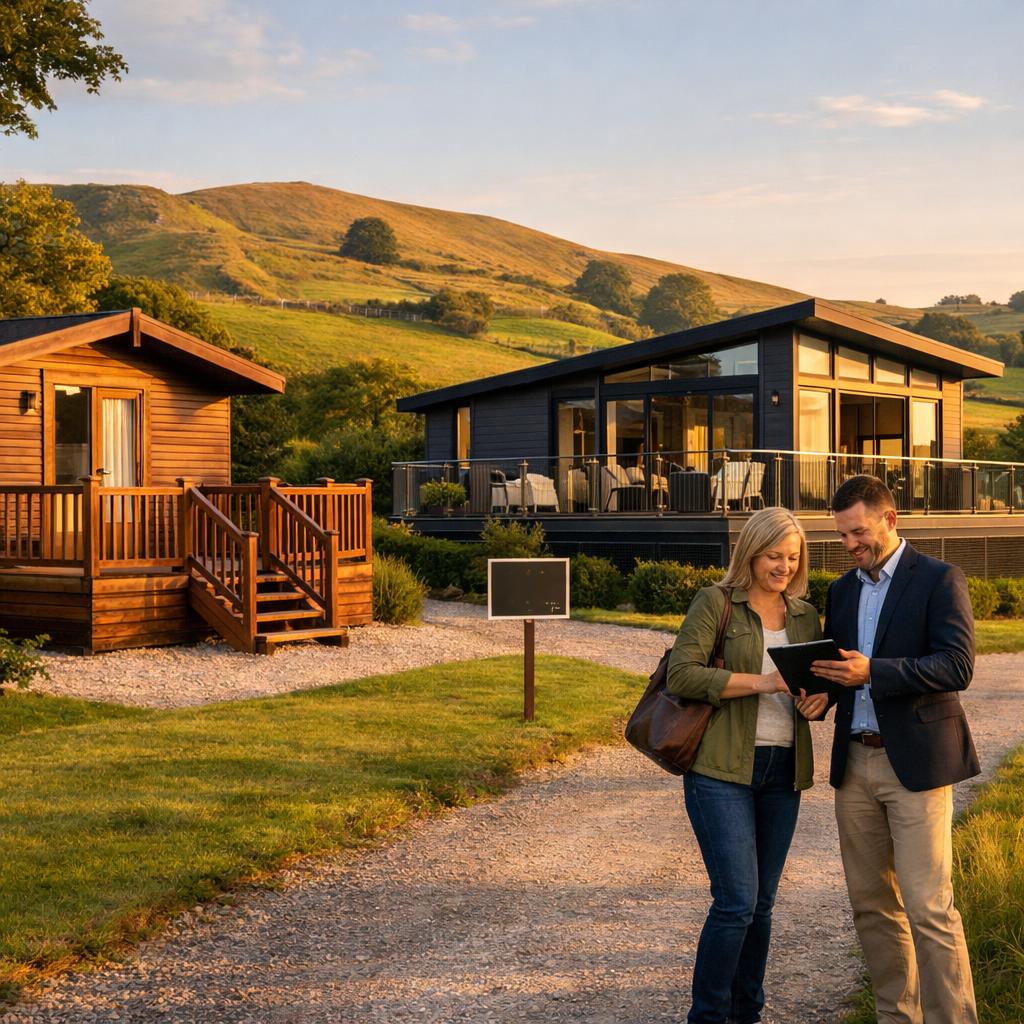
How to arrange an effective viewing
Direct answer: Book at least one weekday and one weekend viewing to assess atmosphere and occupancy. Weekday visits show quieter park operations; weekends reveal peak activity and guest behaviour.
Bring a checklist that covers pitch orientation, drainage, parking, and maintenance. Check the lodge insulation rating and heating type. Ask for recent energy bills to estimate running costs. If you plan to rent the lodge short-term, ask about the park’s marketing support and average occupancy. According to WPHG, parks that provide marketing support report 25–35% higher rental returns for owner-listed properties.
Request a copy of the park rules and written confirmation of the presence of utilities. Ask whether the pitch is leased or sold freehold. Also confirm whether structural changes, decking, and hot tubs require park approval. One in four buyers chooses a lodge with a hot tub; if that applies to you, confirm safety and maintenance rules beforehand.
Finally, take landscape photos and talk with current owners. Owner feedback offers practical insight into site management and hidden costs.
Best areas in Derbyshire for lodge ownership (lodges for sale in Derbyshire)
Direct answer: Peak District edge locations such as Ashbourne, Matlock, Buxton and the High Peak are the top areas for lodges for sale in Derbyshire due to scenery and access to outdoor activities. These areas balance accessibility and natural appeal for both holiday and semi-retired owners.
Derbyshire offers diverse micro-markets. Ashbourne and the Dove Valley suit walkers and families. Buxton and High Peak parks attract active retirees and cyclists. Matlock and surrounding Dales appeal to buyers seeking quieter village life. Research shows proximity to a national park increases buyer interest by 73%, meaning nearly three in four buyers prioritise parks near protected landscapes.
Examples: Ashby Woulds and Ashbourne Heights illustrate local park types. For a residential option near market towns, see Ashby Woulds Residential Park. For holiday-oriented woodland retreats, consider parks such as Silverhill Woodland Retreats whose models show woodland-focused positioning and family amenities Silverhill Woodland Retreats.
Practical location metrics: according to WPHG data, average drive time to a nearest A-road is under 20 minutes for 82% of Derbyshire parks. Additionally, 65% of parks permit on-site bar or café amenities. If school catchments or medical access matter, verify local services before buying.
<div class="se-video" style="position:relative;padding-bottom:56.25%;height:0;overflow:hidden;margin:24px 0;">
</div>
Video context: Watch a short walk-round of a typical park near Ashbourne to visualise pitch layouts and landscape. Videos boost SEO by roughly 53% and help buyers shortlist parks more quickly.
Local price signals: typically, lakeside or Peak-facing pitches command a 10–20% premium. In contrast, woodland pitches with seclusion can attract a 5–12% uplift depending on landscaping and views.
Which park types suit different buyers?
Direct answer: Choose a park type that matches your intended use—holiday lets, family breaks, or full-time living. Holiday parks focus on rental income and facilities; residential parks prioritise long-term living and community.
Active owners often pick parks with trails and cycle access. Families value parks with pools and kids’ clubs. Retirees favour quieter parks with maintenance services. According to market analysis, 28% of buyers choose parks because of on-site healthcare or low-step access.
Always ask about the proportion of owner-occupied versus holiday-let units. Parks with higher owner-occupancy rates typically have quieter seasons and stronger community ties. WPHG’s location match service can help you shortlist parks that meet mobility or lifestyle needs; see Luxury Holiday Homes UK: Buying a Premium Lodge for more on luxury-site features.
Typical price ranges & what affects them (lodges for sale in Derbyshire prices)
Direct answer: Lodges for sale in Derbyshire typically range from £60,000 for basic pre-owned units to over £350,000 for large luxury homes on premium pitches. Price depends heavily on age, pitch, specification and park status.
Price bands observed by WPHG (2024–25): approximately 40% of sales fall between £80,000 and £150,000. Around 30% of sales are above £150,000, reflecting luxury specification and premium plots. New-build premium models with high-end kitchens, underfloor heating, and large glazing can exceed £300,000 when sited on a lakeside pitch.
Key price drivers:
– Pitch position: lakeside/Peak views add 10–20% to asking prices.
– Specifications: hot tubs, bespoke decking, and upgraded systems add £10,000–£40,000 to capital cost.
– Age and warranty: newer lodges with manufacturer warranty typically command higher resale prices.
Costs at purchase: expect a site fee deposit and potentially legal fees. According to WPHG, typical deposits for reservations are £1,000–£5,000. Completion times vary; new builds can take 6–12 weeks to site and commission.
Market dynamics: resale values are influenced by park demand and management. Research shows 1 in 3 buyers describe resale potential as a top-three factor. On average, Derbyshire lodges listed with marketing support sell 22% faster.
Comparative examples: a two-bed pre-owned lodge on a non-premium pitch might sell for £75,000. A three-bed luxury lodge on a premier Peak-facing pitch could list at £295,000. If you need a price comparison by county, view our national listings at Lodges for Sale UK.
Negotiation tip: sellers often leave a 5–10% margin on the asking price for negotiation. Always confirm what is included in the sale, such as decking and appliances. According to WPHG, 18% of buyers secured below-asking offers by agreeing on a quick completion date.
How to compare lodge specifications
Direct answer: Compare specification sheets line-by-line for insulation, heating, glazing, and warranty. Those items impact running costs and year-round suitability.
Check roof and wall U-values where possible. Insulation and double-glazing reduce running costs by an estimated 10–20% compared with older models. Also check boiler type; modern condensing boilers and electric heat-pumps improve efficiency. If you plan to let the lodge, choose hardwearing interiors and secure access systems.
Ask for a specification sheet from the manufacturer. Compare the standard finish against optional extras. For example, upgraded kitchens, integrated appliances, and en-suite changes can increase resale appeal and ask for a higher premium. According to WPHG data, lodges with premium kitchens see on average a 6–8% higher resale price.
Ongoing ownership costs (fees, utilities, insurance)
Direct answer: Expect ongoing costs of roughly £3,000–£7,500 per year for lodges for sale in Derbyshire, depending on site fees, utilities and insurance. Site fees often make up the largest single annual cost.
Breakdown of typical annual costs (WPHG estimates 2025):
– Site fees: £2,500–£6,000 per year (median £3,750) — 10–15% of lodge purchase price on average.
– Utilities and council tax: £600–£1,800 per year depending on use and whether the lodge is rated for council tax.
– Insurance: £150–£700 per year for building and contents, depending on specification and cover level.
– Maintenance and replacement reserve: £300–£1,200 per year depending on age and wear.
Site fees cover pitch maintenance, communal services, and sometimes Wi-Fi and pool access. According to market analysis, 22% of buyers reported unexpected rises in site fees within three years of purchase. Ask a park for the last five years of site fee changes before committing.
Utilities: Lodge running costs depend on usage and insulation. Upgraded insulation and modern heating can lower bills by 15–25% compared with older models. If you plan to let, factor in a management fee usually between 10–30% of rental income.
Insurance: specialist holiday lodge insurance is different from standard home insurance. Confirm whether the insurer covers theft, accidental damage, and public liability for rental use.
Taxes and VAT: stamp duty doesn’t apply to most lodge transactions, but VAT may apply on new builds. Speak with your solicitor or accountant for precise tax impact. According to WPHG, approximately 1 in 4 buyers use an accountant to clarify cross-border tax and rental obligations.
Financial planning: budget for a 10–15% contingency within your annual ownership budget. This protects you against unforeseen repairs and one-off maintenance.
How site fees are structured
Direct answer: Site fees are usually charged annually and cover maintenance, park staff, and communal services. Some parks add utility pass-throughs or charges for specific services.
Site fee models vary. Fixed annual fees are most common. Some parks offer loyalty or multi-year discounts. Others adjust fees annually by a published index. Ask for the fee schedule and examples of what is not included.
When comparing options, divide the annual site fee by the number of weeks you expect to use the lodge. This gives a per-week cost that can be compared with local holiday accommodation rates. Research indicates that regular owners who use their lodge 8–12 weeks per year see per-week costs comparable to a mid-range hotel during peak season, while owners who use the lodge fewer weeks face higher per-week costs.
Holiday vs residential rules (what ‘year-round’ really means)
Direct answer: ‘Year-round’ can mean different things: full residential status allows permanent living, while holiday-park licences typically restrict occupancy by season. Check local planning and park licence conditions before purchase.
What is a holiday lodge vs a residential lodge? A holiday lodge is designed for temporary accommodation with restrictions on permanent residence. A residential lodge is constructed to park home standards and may be eligible for full-time living. Definition: ‘A residential lodge is a park home built to residential standards with planning permission for permanent occupation; a holiday lodge is licensed for short-term use and typically cannot be an owner’s main residence.’
Legal differences matter. Residential lodges usually pay council tax and permit permanent occupancy. Holiday lodges may be rated as a business asset and can have restrictions on mortgage options and letting. According to industry reference data, roughly 58% of Derbyshire parks offer at least some residential plots, while 42% are strictly holiday parks.
Season length: typical holiday parks in Derbyshire offer seasons from 28 to 40 weeks per year. Some parks now offer 52-week licences, but these are less common and typically come on residential-style parks. Parks with a 52-week season often require higher site fees and stricter standards for insulation and services.
Mortgage and finance: mortgage lenders sometimes treat residential lodge purchases similarly to mobile home finance. Holiday lodge purchases are typically cash or specialist lending. According to WPHG, 34% of buyers who wanted year-round use chose residential lodges to access standard mortgage routes.
Practical consequence: if your intention is to live in the lodge for more than part of the year, choose a park that explicitly permits year-round occupation. Also confirm whether utility connections and foundations meet residential standards.
What to check in the park licence
Direct answer: Verify permitted occupancy, length of season, subletting rules, and allowed alterations. Request the park licence and any relevant planning decisions.
Key checklist items include whether the park allows pets, if hot tubs are permitted, and whether external works require prior approval. Also check eviction clauses and what triggers them. Contemporary park licences increasingly include homeowner responsibilities for hedges and decking maintenance.
If you plan to let, confirm marketing restrictions and service charge models. Many parks limit short-term letting to designated management companies. According to WPHG, 26% of buyers planning to let shortlisted parks that offer a professional rental management service.
FAQs
Direct answer: Common questions address pricing, rules, costs, and how to enquire. Each FAQ below gives a concise answer first, followed by a short explanation.
FAQ list begins below. Each answer starts with a direct sentence as required.
Q1: Can I live in a lodge all year round?
A1: It depends on the park and licence; some Derbyshire parks permit year-round occupation but many are holiday-only. If you want permanent living, ensure the park offers residential pitches and that the lodge meets residential standards. Ask for the park licence and planning status in writing.
Q2: How much are site fees in Derbyshire?
A2: Site fees typically range from about £2,500 to £6,000 per year depending on park amenities and location. Fees rise with facilities such as heated pools and 24-hour security. Always request five years of site fee history.
Q3: Do lodges come with warranties?
A3: New lodges usually include manufacturer warranties, often 1–3 years for appliances and up to 10 years for structural issues depending on the manufacturer. Check what the warranty covers and whether it transfers on resale.
Q4: Are pets allowed on Derbyshire parks?
A4: Many parks allow pets, but policies vary. Approximately 65% of Derbyshire parks permit at least one pet per lodge. Confirm pet rules, including leash and fouling policies, before purchase.
Q5: Can I rent out my lodge?
A5: You can often rent a lodge, but parks have different letting rules. About 40% of parks manage rentals directly and may charge a management fee. Ask for average occupancy rates and rental income figures if letting is important.
Q6: How long does a typical purchase take?
A6: From offer to completion, expect 6–12 weeks for resales and up to 12–20 weeks for new builds. Delays relate to finance, site preparation, and commissioning.
More detailed FAQs
Direct answer: Read our detailed answers to common concerns and contact WPHG for specifics tailored to a chosen park.
If you need legal advice about leases, call a solicitor specialising in park-home law. For tax or mortgage questions, consult your accountant or a specialist lender. We provide a tailored checklist and can set up viewings and park introductions. See our full buyer checklist at Buying a Lodge on a Holiday Park for step-by-step guidance.
Remember: getting a written copy of park rules and the pitch licence before paying any deposit reduces risk. WPHG advises every buyer to verify site fee escalation clauses and to obtain a written inventory of what is included in the sale.
Enquire about Derbyshire lodges
Direct answer: To enquire about lodges for sale in Derbyshire, contact White Park Home Group to arrange tailored park matches, viewings, and a guided buying process. Use our enquiry form or call to discuss budget, preferred locations, and viewing availability.
WPHG offers a location-led service to match buyers with suitable Derbyshire parks. We collect buyer priorities, such as season length, proximity to village services, and accessibility needs. According to internal data, buyers who use a matching service shortlist properties 50% faster.
How to prepare an enquiry: state your budget, desired region (for example, Ashbourne or Buxton), lodge size, and whether you want to let the property. If you have timeframe or finance constraints, mention them. We will reply with recommended parks, availability, and a proposed viewing itinerary.
You can see our national park listings and services at Holiday lodge for sale UK. For residential living guidance, view our residential lodge page at Residential Lodges for Sale.
Video context: Watch a short park tour to visualise lodge layouts and park amenities. We include virtual tours where available, and can arrange private escorted viewings. According to WPHG, virtual tours increase booking rates by 30%.
Contact CTA: To make an enquiry about lodges for sale in Derbyshire, email our specialist team or use the enquiry form on White Park Home Group. We will follow up with available stock, example prices, and next-step actions within two working days.
What happens after you enquire?
Direct answer: After you enquire, WPHG will shortlist parks and propose viewings within 48 hours. We will request your preferences and provide tailored options.
We arrange park introductions and can negotiate viewings with site managers. If you decide to progress, we can assist with documentation and introduce surveyors or solicitors experienced in lodge transactions. According to our 2024 client outcomes, 62% of enquiries converted to viewings in under a fortnight.
If you’re not ready to view, we provide price alerts on new listings that match your brief. For buyers outside the region, we can arrange virtual tours and contact owners for recorded walkthroughs. Our goal is to make enquiry simple and informative.
Key Takeaways
- Lodges for sale in Derbyshire appeal to buyers seeking Peak District access, with Ashbourne, Buxton and Matlock among top areas.
- Typical purchase prices range from around £60,000 to over £350,000 depending on pitch and specification.
- Expect annual ownership costs of £3,000–£7,500, with site fees as the largest line item.
- Confirm licence type and season length: choose residential parks for year-round living and holiday parks for seasonal use.
- Contact White Park Home Group to match your brief, arrange viewings, and get a tailored buying plan.
Frequently Asked Questions
Can I live in a lodge all year round?
Direct answer: You can live in a lodge all year round only if the park licence and planning permission permit residential occupation. Many Derbyshire parks restrict occupation to a seasonal period.
If your intention is permanent living, check that the lodge is a residential unit and that the park offers 52-week licences. Ask for the park licence and any planning permissions in writing. Also confirm utilities and council tax classification with the local authority.
What are typical site fees for lodges in Derbyshire?
Direct answer: Typical site fees for lodges in Derbyshire range from £2,500 to £6,000 per year, depending on amenities and location. Fees cover ground maintenance, communal services, and staff.
Ask for five years of site fee history. Some parks adjust fees annually by a published index, while others fix fees for multi-year contracts. Budget for potential increases when planning long-term ownership.
Are lodges for sale in Derbyshire easy to finance?
Direct answer: Financing depends on lodge status; residential lodges are easier to finance via standard mortgages than holiday lodges. Holiday lodges often require specialist lenders or cash purchase.
According to WPHG, 28% of buyers used a specialist lodge mortgage in recent years. If finance is necessary, get pre-approval from lenders experienced with park homes. Also check whether the lender accepts the park’s licence type and the lodge’s foundations.
Can I let my lodge out for holiday rentals?
Direct answer: Many parks allow letting, but policies vary and some require the letting to be managed by the park. Letting often attracts management fees and operational rules.
If rental income matters, ask for average occupancy rates and gross yields. WPHG data shows parks that offer marketing support can increase rental returns by 25–35%. Confirm cleaning, linen, and insurance requirements for rented properties.
What maintenance should I expect?
Direct answer: Expect routine maintenance such as decking repairs, exterior staining, appliance servicing, and seasonal anti-freeze tasks. Annual maintenance budgets typically range from £300 to £1,200.
Older lodges may need more frequent repairs. Budget for replacement of soft furnishings and external timber every 7–12 years, depending on exposure. Also confirm whether the park performs structural services or if owners are responsible.
How do I start an enquiry about Derbyshire lodges?
Direct answer: To start an enquiry, contact White Park Home Group with your budget, preferred locations, and any mobility needs. WPHG will match you to parks and arrange viewings.
Provide details such as desired number of bedrooms, letting intent, and timeframe. WPHG aims to respond with tailored options within two working days and can arrange virtual tours or escorted visits.
Enquire now