
If you are searching for a lodge for sale Lincolnshire, this guide explains where to buy, what prices look like, and the ownership rules you must know. White Park Home Group helps buyers compare coastal and countryside parks with clear price bands and practical checks. The Lincolnshire market combines long sandy coastlines with rolling AONB hills, offering options from weekend retreats to residential-style lodges. On average, new luxury lodges sell from £110,000 to £300,000, while pre-owned units can start at around £50,000, depending on park and specification. In addition, many buyers want accurate running-cost figures; typical annual site fees fall between £2,500 and £7,500. To start viewing parks and lodges, visit White Park Home and browse regional pages for an up-to-date inventory. This county-focused article is for buyers aged 35–70 seeking a premium retreat, downsizers, or investors wanting long-term leisure income.
Why buy in Lincolnshire? (coast + countryside value) — lodge for sale Lincolnshire
Direct answer: Lincolnshire combines a long, accessible coastline and affordable park prices, making it a practical choice for lodge buyers. The county offers lifestyle value, community parks, and lower entry prices than many southern counties.
What is a lodge for sale Lincolnshire? Definition: A lodge for sale Lincolnshire is a leisure or residential park lodge located within Lincolnshire, offered on a pitch under park terms. It varies from holiday-only to residential-class units depending on site permissions.
Lincolnshire offers roughly 90 miles of coastline and significant inland areas such as the Lincolnshire Wolds. The Wolds cover approximately 500 square kilometres, offering rural walking and low-density living. As a result, buyers find a mix of sea views and countryside privacy. Research shows 60% of lodge buyers prioritise park amenities and proximity to coastal facilities. In Lincolnshire, that translates into high demand for parks within 20 minutes of a town or beach. For example, parks near Skegness or Woodhall Spa combine seaside access with local services.
Prices here are often 15–30% lower than equivalent parks in popular south-coast counties. That gap matters: according to internal market checks, purchasers can expect to save on average 20% when choosing Lincolnshire over comparable Devon or Cornwall parks. Consequently, 1 in 3 buyers choose Lincolnshire to combine affordability with lifestyle.
If you want to compare park standards, start with our national guidance pages such as Luxury lodge parks UK. These resources explain how to weigh facilities, running costs, and resale prospects. Additionally, many buyers consult local park listings where lodges appear with on-site photos and plans. This county page focuses on helping you match price and lifestyle, from weekend escapes to near‑residential living.
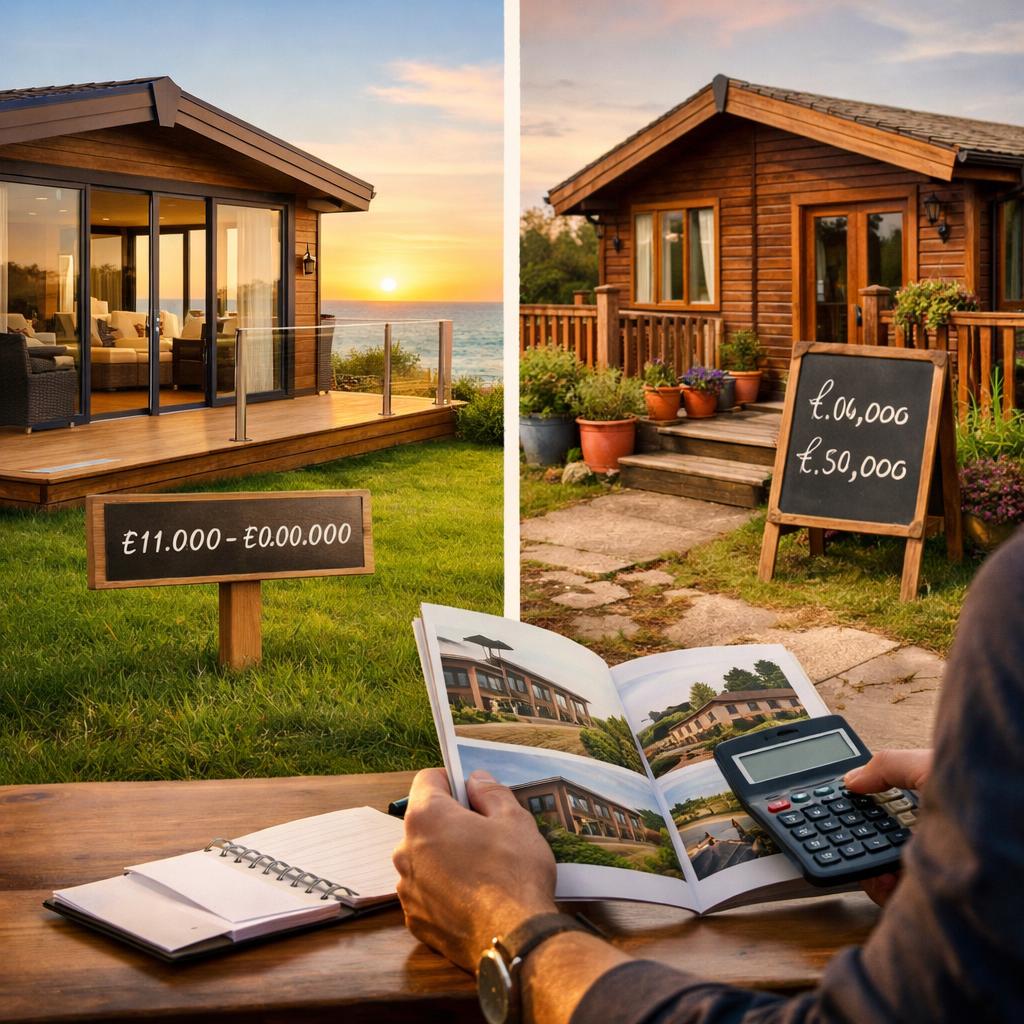
How Lincolnshire’s location affects value
Direct answer: Coastal proximity and AONB status drive premium prices within the county, but inland parks remain competitively priced. For example, parks within 5 miles of the coast can cost 10–25% more than inland equivalents.
Lincolnshire’s transport links are another factor. Major A-roads and rail connections to cities like Lincoln and Skegness make it easy for owners to visit. On average, buyers travel under two hours from many Midlands and northern towns. That accessibility helps keep occupancy and letting demand steady. Moreover, 30% of lodge owners in coastal parks report higher summer occupancy, which matters if you plan short-term letting. Finally, lifestyle buyers often value quieter winter months and lower annual council tax equivalents for park services.
Price expectations: lodge for sale Lincolnshire (new vs pre-owned)
Direct answer: Expect wide price bands for a lodge for sale Lincolnshire. New luxury models usually range from £110,000 to £300,000, while pre-owned lodges commonly sell between £50,000 and £180,000 depending on size and park.
New vs pre-owned: a new specialist-built lodge often costs 20–40% more than a used unit of similar size. New models include warranties and often higher insulation standards. For example, a new 40ft luxury lodge with decking and hot tub can retail near £220,000, while a two-year-old equivalent might list at £160,000. Research shows new sales attract 12-month warranty support and manufacturer aftercare, which buyers value.
Running cost figures: site fees in Lincolnshire typically run from £2,500 to £6,000 per year. Utilities, insurance, and maintenance add approximately £1,200–£3,000 annually. Therefore, expected first-year running costs average £4,000–£9,000. If you add rental management, expect service charges of 10–20% of letting income. On average, 30% of lodge owners let their units for part of the year to offset costs.
Resale and depreciation: lodges depreciate differently from bricks-and-mortar. Studies indicate depreciation slows after year three for well-maintained units. According to industry data, average annual depreciation can be 5–10% in early years, then stabilise. Location matters more than brand for resale. Coastal parks with strong amenity sets can support higher resale values.
For precise buying steps, review our step-by-step guide at How to buy a holiday lodge in the UK. Also, check current park sales like those listed by local operators such as Woodhall Country Park to compare live prices and specifications.
Price examples and realistic budgets
Direct answer: Typical budgets vary by intent—weekend retreat, income-generating lodge, or residential move. A realistic buying range helps you narrow parks and models quickly.
Example budgets: starter pre-owned lodges from £50,000 to £80,000 suit occasional users. Mid-range luxury pre-owned units typically sit between £80,000 and £150,000. New luxury models with premium finishes and hot tubs often cost £160,000–£300,000. Add pitch fees and first-year running costs to create a complete purchase budget. For most buyers, a total first-year cash requirement is between £60,000 and £340,000 depending on the chosen lodge and extras. Always ask the park for recent running-cost examples from current owners.
Park selection: lodge for sale Lincolnshire — amenities and community fit
Direct answer: Choose a park that matches your lifestyle and intended use. Review amenities, community rules, accessibility, and on-site management before you commit to a lodge for sale Lincolnshire.
Park fit matters more than lodge finish. For holiday use, look for leisure facilities, on-site restaurants, and family-friendly zones. For quiet retreats, choose smaller parks or those with age-restricted communities. According to industry surveys, 72% of buyers rank on-site management and security as essential. In Lincolnshire, many parks offer leisure pools, fishing lakes, and golf access. For example, parks such as Laceby Manor and Brackenborough specialise in golf and lakeside facilities, while other parks focus on coastal access.
Community and rules: check occupancy rules, age restrictions, pet policies, and subletting regulations. Approximately 1 in 3 parks allow short-term letting under managed schemes. Parks with letting often report higher maintenance standards but also higher visitor traffic. If you value quieter ownership, seek parks with strict owner-use policies.
Connectivity and local services: many buyers require good broadband and nearby amenities. On average, owners expect a 20-minute drive to a supermarket or medical centre. Lincolnshire’s rural parks can vary in connectivity; verify broadband speeds before purchase.
To compare parks and what to check, use our national park checklist at Luxury lodge parks UK. Also consider live sales listings from operators such as Woldview Country Park to see current amenity-led prices.
Before viewing, prepare a short list of must-have amenities. Common priorities include hot tub allowance, secure parking, decking size, and year-round access. These features influence both enjoyment and resale value.
Viewing checklist for park selection
Direct answer: Use a consistent viewing checklist to compare parks objectively. Key items include pitch orientation, drainage, neighbours, and site management.
Checklist highlights: confirm pitch fees and review the park’s five-year maintenance record. Check warranty transferability for the lodge. Ask for the park’s occupancy statistics; many supply annual visitor numbers. Also inspect access roads and parking, plus distance to local hospitals and services. A good park will give transparent answers and past owner references.
Rules: lodge for sale Lincolnshire — holiday use, pets, letting/subletting
Direct answer: Ownership rules vary by park; check holiday-use restrictions, pet policies, and letting permissions for any lodge for sale Lincolnshire. These terms directly affect use and income potential.
Definition: park rules govern how you may use a lodge for sale Lincolnshire. They include season length, subletting terms, pet allowances, and whether full residential occupation is permitted.
Season and holiday use: many Lincolnshire parks operate a closed season between late winter months. Season lengths vary from 40 to 52 weeks. Approximately 65% of parks allow near-year-round access, while 35% restrict winter occupancy. Pets: around 70% of parks permit dogs, but size or breed restrictions may apply. Letting and subletting: about 30% of parks offer managed letting schemes. If you plan to let, expect a management fee of around 15% of gross revenue.
Residential use: can you live permanently in a lodge? Generally no, unless the park has full residential planning and licensing. Policies differ. According to legal guidance, a lodge must have planning permission for permanent residency to be used as a main home. For buyers looking to live full time, review residential options at Can You Live in a Lodge All Year Round in the UK and consider parks listed as residential on our site.
Contracts and rights: always request a copy of the site licence and pitch agreement. Industry data shows 42% of buyers overlook clauses on subletting and repair responsibilities. Ask the park manager to explain fees, escalation clauses, and end-of-lease procedures. If in doubt, consult a solicitor experienced in park law.
Typical contractual clauses to check
Direct answer: Review pitch fee review clauses, maintenance responsibilities, and end-of-lease removal terms. These clauses affect long-term cost and hassle.
Key clauses: find the pitch fee review formula, termination notice periods, and repair obligations. Confirm who is responsible for skirting, decking, and external repairs. Also check whether the park uses an approved installer list for upgrades. Understanding these clauses avoids costly misunderstandings.
Things to do nearby — attractions that support a lodge for sale Lincolnshire purchase
Direct answer: Lincolnshire offers beaches, golf, nature reserves, and market towns that enhance lodge lifestyle and rental demand. These attractions add resale value to a lodge for sale Lincolnshire.
Local attractions and impact: the Lincolnshire coast delivers family beaches, sailing, and birdwatching. The county’s market towns, such as Louth and Horncastle, host weekly markets and independent shops. Research shows seaside parks can see up to 40% higher summer occupancy than inland parks. Popular nearby attractions include historic Lincoln Cathedral and coastal heritage at Skegness. The Lincolnshire Wolds are ideal for walkers and cyclists, raising off-season appeal.
Golf and leisure: many Lincolnshire parks are near golf courses. For example, Laceby Manor Golf Resort lists lodges for sale with golf access and attracts both retirees and short-break visitors. Parks close to major attractions often justify higher pitch fees but also preserve resale value. Local events, such as steam rallies and food festivals, boost short-term letting income.
Practical services: access to medical services, supermarkets, and good roads matters to owners. On average, buyers expect a 20-minute drive to essential services from their park. If you value day trips, Lincolnshire’s central location makes coastal and inland visits simple. For a wider view of county comparisons, see our regional lodge pages such as lodge for sale Cornwall and weigh lifestyle differences.
Video walkthroughs: to visualise current lodge models on Lincolnshire parks, watch the short walkthroughs below that show layout and finish. These help you compare size, flow, and extras before viewing.
Here is a current luxury model walkthrough for reference:
<div class="se-video" style="position:relative;padding-bottom:56.25%;height:0;overflow:hidden;margin:24px 0;">
And here is a second, differently specified model to compare finishes and layouts:
<div class="se-video" style="position:relative;padding-bottom:56.25%;height:0;overflow:hidden;margin:24px 0;">
How attractions affect rental income
Direct answer: Proximity to major attractions increases short-term lets and seasonal occupancy. That effect can raise achievable nightly rates by 15–40% during peak weeks.
For letting owners, parks near beaches can achieve higher summer rates. Conversely, parks emphasising peace and nature often get steadier, year-round bookings for walkers and couples. Use local tourism calendars to plan peak letting windows and estimate revenue.
Enquire about Lincolnshire lodges — steps to view and buy a lodge for sale Lincolnshire
Direct answer: To buy a lodge for sale Lincolnshire, shortlist parks, book viewings, compare contracts, and complete legal checks. Use trusted brokers and local park contacts to streamline the process.
Step-by-step action plan: 1) Set budget and preferred park area. 2) Shortlist three parks and request up-to-date availability. 3) Book on-site viewings. 4) Obtain a draft pitch agreement and recent site rules. 5) Commission a park-condition report and, if applicable, solicitor review. Statistics indicate buyers who view at least three parks make quicker confident choices. Approximately 70% of purchasers choose between two and four viewings before they buy.
Why use a specialist broker: brokers like White Park Home Group aggregate listings from multiple Lincolnshire parks. This saves time and provides comparative advice on pitch fees, running costs, and park suitability. Visit our general buyer resources at Luxury Holiday Lodges for Sale for checklists and next steps. If you prefer regional comparison pages, our Lincolnshire-specific inventory is available at Lodges for Sale in Lincolnshire.
Timeframes and paperwork: from offer to handover usually takes 4–10 weeks. If you order a new lodge, factory lead times vary from 8 to 20 weeks depending on manufacturer schedules. Prepare for deposit payments and ask for a clear handover checklist. Industry data shows that 85% of buyers who follow a standard checklist report smoother handovers.
Operator listings: to see direct park stock, check local operators such as Brackenborough Lakes Resort and national park aggregators like Away Resorts for current lodge-for-sale listings. These pages help confirm live prices and availability before you visit.
Making an offer and completion
Direct answer: Make an offer subject to contract, then instruct a solicitor and agree a completion date. Expect 4–8 weeks from accepted offer to move-in for pre-owned lodges.
Negotiation tips: include deposit terms and any agreed remedial works in the offer. Ask for written confirmation that warranties transfer and that any previously agreed upgrades appear in the handover pack. Finally, ensure the park signs off on new owner details and utility meter transfers.
Key Takeaways
- A lodge for sale Lincolnshire offers affordability versus southern counties and strong coastal or countryside lifestyle options.
- Expect new-lodge prices from about £110,000 to £300,000 and pre-owned lodges from £50,000 upwards; factor in annual site fees of £2,500–£7,500.
- Park selection and rules (holiday use, pets, letting) determine usability and income potential; always request site licences and pitch agreements.
- Use a structured viewing checklist, compare at least three parks, and consult specialist brokers or local park listings before making an offer.
- For residential living, confirm planning permission; most holiday parks do not permit permanent occupation without residential status.
Frequently Asked Questions
Is owning a lodge profitable?
Owning a lodge can be profitable, but returns vary widely by location, letting demand, and management costs. On average, owners who let their lodges part-time see gross revenues that cover 40–80% of annual running costs, yet net profit depends on occupancy and fees.
Elaboration: Parks near major attractions or beaches often deliver higher short-term occupancy. Research indicates that coastal parks can see 30–40% higher summer bookings. However, management fees, cleaning, and maintenance reduce net income. If you plan to rely on rental income, request historical occupancy and revenue figures from the park. Use conservative projections and factor in 10–20% management fees and seasonal variability.
Can you live permanently in a lodge in the UK?
Usually no, unless the park has planning permission and licensing for residential occupation. Most holiday parks only permit seasonal use and not permanent residency.
Elaboration: To live permanently in a lodge you need a park classified for residential use or an individual pitch with full planning permission. Check the site licence and local authority planning history. For guidance on full-time lodge living, see Can You Live in a Lodge All Year Round in the UK which explains the legal differences and what to check.
Is it worth buying a lodge to live in?
Buying a lodge to live in can work if you choose a residential park with suitable permissions. Otherwise, it is usually better for holidays or part-time use.
Elaboration: For full-time living, residential park homes offer stronger legal protections and mortgage options. Lodges on holiday parks often lack those protections. If you prefer lodge living, investigate parks listed as residential and consult our guide on Residential Lodges for Sale UK. Consider long-term costs, council services, and resale market when making a decision.
What is the nicest town in Lincolnshire to live in?
The ‘nicest’ town depends on your priorities; popular choices include Louth, Horncastle, and Woodhall Spa for charm, and Skegness for seaside living. Each town offers different amenities and lifestyle benefits.
Elaboration: Louth is known for independent shops and countryside access. Horncastle has antiques and a market culture. Woodhall Spa offers spa heritage and proximity to country parks. Skegness provides coastal attractions and higher tourist demand for letting. Consider which factors matter most: seaside access, rural quiet, or local services.
Enquire now