
If you are comparing lodge ownership costs UK buyers often face, the biggest mistake is focusing only on the sale price. The real picture includes site fees, utilities, insurance, routine maintenance, and occasional upgrades, all of which can shape your long-term budget. That is why White Park Home Group explains lodge ownership costs UK in a clear, practical way, so you can judge value with confidence before you enquire.
This guide is designed to help you plan properly, not guess. It also shows where costs differ between parks, how holiday-use rules can affect outgoings, and why a well-managed site can make budgeting easier over time. If you are still comparing the type of home that suits your lifestyle, it may also help to read Lodges vs Park Homes vs Static Caravans and Pitch Fees Explained before you move forward. For many buyers, lodge ownership costs UK become much clearer once the running costs are broken into simple categories.
What Does It Cost to Own a Lodge in the UK?
The true lodge ownership costs UK buyers should plan for include the upfront purchase, annual site charges, utilities, insurance, and maintenance. In other words, the sale price is only the starting point.
A lodge can feel straightforward to buy, but ownership works more like a lifestyle budget. The most predictable costs are usually site fees and utilities. The less predictable costs are repairs, decorating, and replacement items. Therefore, a good comparison should separate fixed charges from variable spending.
It also helps to think about use. A holiday lodge, a residential-style retreat, and a lodge in a managed park community can each have different bill structures and rules. If you are comparing locations, browse Luxury Lodges UK For Sale for a sense of the types of properties available across different settings.
For a wider view of how parks describe running costs, some useful external references include holiday home ownership cost guides and running costs of owning a caravan or lodge. These help buyers understand the categories, even though the exact figures always depend on the park.
As a rule, lodge ownership costs UK should be reviewed in three layers:
– upfront purchase and setup
– recurring annual operating costs
– occasional replacement or upgrade costs
That approach makes your budget far more realistic. It also helps you compare parks fairly, because a lower asking price can be offset by higher annual charges. Consequently, the cheapest lodge is not always the best-value lodge.
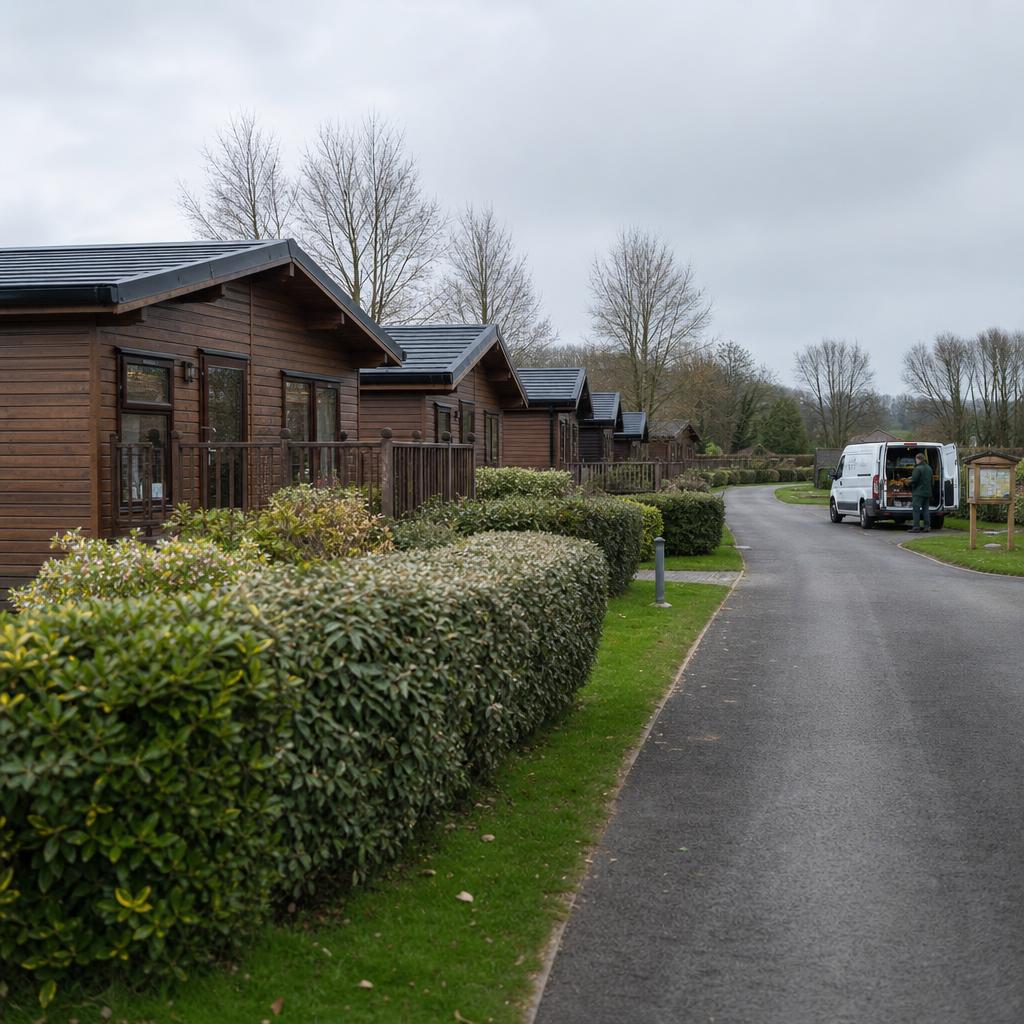
How much does it cost to run a lodge?
How much it costs to run a lodge depends on site fees, energy use, insurance, and upkeep. Some owners spend more in winter because heating and servicing costs rise, while others spend more on upgrades after purchase.
The key point is that lodge ownership costs UK are easier to manage when you separate must-pay bills from lifestyle choices. Must-pay costs include pitch fees and basic utilities. Lifestyle costs include decking, furnishings, and decorative improvements. If you want a deeper explanation of the difference between holiday and residential-style ownership, Holiday Lodge Ownership Rules in the UK is a useful next step.
Purchase Price and Deposit
The purchase price is the first major part of lodge ownership costs UK buyers need to plan for. It usually depends on size, specification, age, location, and whether the lodge is new, pre-owned, or off-site.
A higher-spec lodge often includes better insulation, upgraded interiors, and stronger outdoor living space. That can improve comfort and reduce some long-term upkeep, but it also raises the initial commitment. Therefore, buyers should consider the total ownership picture, not just the headline price.
Deposits can vary by seller and finance arrangement, so it is best to ask for written pricing before reserving. If you are considering a lodge away from a managed park, it is worth reading Luxury Lodges for Sale Off Site: What to Know Before Buying before you commit.
For context, one external guide on buying a holiday lodge explains that buyers should assess both the property and the park terms together. That is sensible advice. A low purchase price can still lead to high ongoing costs if the site charges are steep or the lodge needs work.
In practice, lodge ownership costs UK should always be checked against:
– the age and condition of the lodge
– whether furniture and appliances are included
– transport, siting, and connection charges if relevant
– park rules that affect how you use the lodge
This is where clearer comparison pages can save time. For example, Lodge Homes for Sale helps buyers narrow choices before they ask for exact park figures. As a result, you can compare like with like rather than comparing a basic lodge with a premium, fully furnished retreat.
Do lodges hold their value?
Lodges can hold their value reasonably well when they are well located, well maintained, and on a desirable park. However, value depends on condition, demand, and site terms.
This is why lodge ownership costs UK should never be judged on purchase price alone. A lodge that is cheaper to buy may need more work later. Meanwhile, a well-kept lodge in a strong location may feel more expensive upfront, but it can be easier to enjoy and potentially easier to resell.
Site Fees and Pitch Fees in Lodge Ownership Costs UK
Site fees are one of the most important parts of lodge ownership costs UK because they are usually recurring and unavoidable. They cover the right to keep your lodge on the park and often contribute to the upkeep of shared spaces.
These charges may include landscaping, road maintenance, lighting, security, drainage, and general park management. However, the exact mix varies by park, so buyers should always ask for a written schedule of what is included.
A clear fee explanation can prevent surprises later. That is why our Pitch Fees Explained page is a useful companion read. It helps buyers understand what they are paying for and why parks structure fees differently.
If you are comparing parks across the UK, this external guide from a lodge and static caravan ownership cost guide is helpful because it shows how site charges sit alongside other running costs. Another useful reference is how much it costs to own a holiday home, which reinforces the same point: recurring site charges matter as much as the purchase price.
When reviewing lodge ownership costs UK, ask these questions:
– What is included in the site fee?
– Are there separate charges for waste, water, or leisure facilities?
– How often are fees reviewed?
– Is there a written fee schedule?
These questions improve comparison quality. They also help you avoid hidden assumptions. Consequently, you can judge whether a park offers genuine value or simply a low entry price with higher ongoing costs.
What should buyers ask before paying site fees?
Buyers should ask exactly what the site fee covers and what it excludes. They should also ask how often the fee changes and whether any add-on services are billed separately.
This matters because lodge ownership costs UK vary widely between parks. Two lodges with similar purchase prices can have very different annual budgets if one park includes more services than the other.
Utilities, Wi-Fi and Local Charges
Utilities are another core part of lodge ownership costs UK, and they can vary more than many buyers expect. Electricity, gas, water, internet, and waste services may be billed separately or partly through the park, depending on the development.
Your actual usage matters. For example, a lodge used every weekend will usually cost more to run than a lodge used only during a short holiday season. Heating, cooking, hot water, and dehumidifiers can all influence bills.
Because internet matters so much to modern owners, Wi-Fi is worth checking before you buy. Some parks include it, while others offer it as an extra. If connectivity is important, ask for the provider details and coverage terms before you reserve.
For a useful overview of how running costs are described by the sector, you can also review the full cost of owning a holiday home in the UK. It reinforces a practical truth: the utility bill is only one part of the monthly picture.
If you are comparing locations, you may also like Luxury Lodge Retreats UK for a broader view of retreat-style ownership in scenic settings. That can help you match your usage habits with a park that suits your budget.
When assessing lodge ownership costs UK, remember:
– energy-efficient lodges can be easier to run
– water and sewerage arrangements differ by park
– some parks bundle services into the pitch fee
– seasonal use usually lowers annual utility spend
Therefore, ask for a realistic running-cost explanation, not just the brochure summary. That one conversation can prevent budget stress later.
How does seasonal use affect bills?
Seasonal use usually lowers total utility spending, but it does not remove fixed charges. Site fees and some service costs still apply even when you are not there.
That is why lodge ownership costs UK should be budgeted across the whole year. A lodge used for short breaks can still generate meaningful annual outgoings, especially if heating, cleaning, and maintenance are included.
Insurance, Warranties and Maintenance
Insurance and maintenance are essential parts of lodge ownership costs UK because they protect both the building and your lifestyle investment. Without them, a small issue can become a much larger bill.
Lodge insurance is usually arranged separately from a standard home policy, so buyers should check exactly what is covered. You will want to understand protection for the structure, contents, accidental damage, storm exposure, and public liability where relevant.
Maintenance is the most variable cost. It can include cleaning gutters, servicing appliances, resealing joints, checking decking, refreshing exterior finishes, and replacing worn furniture. A well-kept lodge usually feels more secure and more enjoyable to use. It may also present better if you later decide to sell.
This is also where first-hand owner perspectives help. Before deciding, watch
<div class="se-video" style="position:relative;padding-bottom:56.25%;height:0;overflow:hidden;margin:24px 0;">
for a practical lodge tour and real-world discussion of the pros and cons of lodge living. A candid view often highlights the everyday upkeep buyers miss in brochures.
Internal guidance can also help you plan ahead. Our Lodge Living UK page explains the lifestyle side of ownership, while Buying a Lodge in the UK walks through the wider purchase journey.
If you want a simple rule, use this: the better you maintain a lodge, the more predictable lodge ownership costs UK become. Small repairs are cheaper than urgent replacements, and regular checks often save money over time.
What maintenance should be budgeted for each year?
Budget for cleaning, servicing, seal checks, exterior inspection, and small repairs. Also allow for occasional replacement of soft furnishings or appliances.
The exact figure varies, but lodge ownership costs UK become much more manageable when maintenance is treated as routine, not optional. That mindset protects comfort and reduces avoidable surprises.
Council Tax: When It Does and Does Not Apply
Council tax does not apply to every lodge, so this is one of the most important distinctions in lodge ownership costs UK. Whether you pay it depends on how the lodge is classified and how it is used.
Holiday lodges on managed parks are often treated differently from permanent residential homes. However, the exact position depends on the property type, site rules, and local authority interpretation. Therefore, buyers should never assume. They should always confirm the tax position before purchase.
If you are unsure how your intended use affects the rules, read Holiday Lodge Ownership Rules in the UK. It helps buyers understand the difference between holiday use and permanent living.
This is also where the so-called 10-year rule for caravans causes confusion. In simple terms, it is not a universal tax rule for every lodge. Buyers often use the phrase when discussing age, siting, or compliance issues, but the real answer depends on the type of unit and the park’s legal framework. So, always get written clarification.
Council tax is one reason lodge ownership costs UK can look simple at first and then become complicated later. A lodge that seems affordable may still have local charges or tax obligations if its classification changes. Consequently, the safest approach is to ask the park and the relevant authority for clear confirmation before you proceed.
What is the 10 year rule for caravans?
There is no single blanket rule that applies the same way everywhere. People often use the phrase loosely, but the legal and practical position depends on the unit type and site context.
For that reason, lodge ownership costs UK should be checked alongside the park’s rules, your intended use, and any local authority guidance. Written confirmation is always better than a verbal assumption.
Optional Costs: Decking, Furnishings and Upgrades
Optional extras can significantly affect lodge ownership costs UK, especially in the first year. They are not always essential, but they often make the lodge more comfortable, usable, and attractive.
Common optional costs include decking, skirting, furniture upgrades, blinds, outdoor seating, storage, landscaping, and appliance replacements. Some buyers also choose additional heating controls, better bedding, or a premium kitchen package.
These extras are worth considering carefully. Decking can improve outdoor living, while good furnishings can make a lodge feel ready to enjoy from day one. However, upgrades can also stretch the budget if you try to do everything at once.
If you are comparing styles and layouts, browse Luxury Lodges for Sale and Luxury Lodges for Sale in Wales for ideas on how different settings and specifications affect the final choice.
A sensible approach is to separate needs from wants:
– needs: safe access, warm interiors, working appliances
– wants: decorative finishes, premium outdoor spaces, designer furniture
That distinction keeps lodge ownership costs UK under control. It also lets you improve the lodge in stages, which is often easier than funding every enhancement upfront.
Are upgrades worth it?
Yes, if they improve comfort, usability, or long-term durability. Well-chosen upgrades often make day-to-day ownership more enjoyable.
However, lodge ownership costs UK should stay proportionate to how often you will use the lodge. Practical upgrades usually deliver better value than decorative spending alone.
Example Annual Ownership Cost Breakdown
A sample breakdown helps buyers understand lodge ownership costs UK without pretending every park is identical. The exact figures will vary, so treat this as a budgeting framework rather than a quote.
A typical annual budget should include:
– site fees or pitch fees
– electricity, gas, water, or other utilities
– insurance
– cleaning and routine maintenance
– garden or decking upkeep
– internet or TV services, if separate
– a reserve for repairs and replacements
The most useful way to budget is to split costs into fixed and flexible categories. Fixed costs are the charges you are likely to pay each year. Flexible costs change with use and condition. That split makes planning clearer and gives you a better sense of affordability.
If you want to compare a lodge with another ownership type, Holiday Lodge Vs Static Caravan explains the differences in comfort, durability, and typical cost profile. You can also explore Holiday Lodge Vs Static Caravan: Which Is Better for UK Holiday Home Ownership? for a simpler decision framework.
Before you buy, ask the park for written confirmation of all regular charges. That one step makes lodge ownership costs UK much easier to forecast. It also helps you compare parks on a like-for-like basis, which is exactly what serious buyers need.
How should buyers compare parks on price?
Compare the full annual cost, not just the purchase price. Ask what is included in the fee, what is billed separately, and what maintenance is expected from the owner.
That method gives lodge ownership costs UK real meaning. It also helps you choose a park that fits your budget and lifestyle, not just your initial deposit.
FAQs About lodge ownership costs UK
These quick answers address the most common questions buyers ask before they enquire. They are designed to help you understand lodge ownership costs UK in a practical, decision-ready way.
For buyers who want to see how ownership works in a real park setting,
<div class="se-video" style="position:relative;padding-bottom:56.25%;height:0;overflow:hidden;margin:24px 0;">
is worth watching. It gives a candid view of the risks and hidden considerations people should check before buying a lodge or park home.
How much does it cost to own a caravan in the UK?
It depends on the unit, the park, and how often you use it. The main costs usually include the purchase price, site fees, utilities, insurance, and maintenance.
The same budgeting logic applies to lodge ownership costs UK. A caravan can be cheaper upfront, but annual charges and upkeep still matter, so buyers should review the total cost of ownership before deciding.
How much does it cost to run a lodge?
Running costs vary by park and usage, so there is no single figure that suits every buyer. The most important recurring costs are pitch fees, utilities, insurance, and routine maintenance.
That is why lodge ownership costs UK should be reviewed as an annual budget, not just a one-time purchase. Ask for written fee details before you commit.
Do lodges hold their value?
Some lodges hold value better than others, especially when they are well located and well maintained. Condition, park quality, and market demand all play a role.
In lodge ownership costs UK terms, value retention is only part of the equation. Comfort, usage, and enjoyment also matter, particularly for lifestyle buyers.
Key Takeaways
- Lodge ownership costs UK go beyond the purchase price and include site fees, utilities, insurance, and maintenance.
- Site fees are one of the most important recurring costs, so buyers should ask exactly what is included.
- Council tax does not apply to every lodge, but classification and use must be confirmed in writing.
- Optional extras like decking and furnishings can improve comfort, but they should be budgeted separately.
- The best way to compare parks is to review the full annual cost, not just the headline asking price.
Frequently Asked Questions
How much does it cost to own a caravan in the UK?
It depends on the caravan type, the park, and your usage. Most owners should budget for purchase price, site fees, utilities, insurance, and maintenance, just as they would for lodge ownership costs UK. The cheapest upfront option is not always the cheapest overall, so always compare annual running costs as well.
What is the 10 year rule for caravans?
There is no single universal rule that applies the same way everywhere. People often use the phrase loosely, but the real position depends on the unit type, park rules, and local authority context. Because lodge ownership costs UK can change with classification and use, always ask for written confirmation before you buy.
Do lodges hold their value?
They can, especially when they are well built, well maintained, and located on a desirable park. However, value depends on condition, demand, and site terms. For buyers assessing lodge ownership costs UK, resale value matters, but long-term enjoyment and predictable running costs matter too.
How much does it cost to run a lodge?
There is no one-size-fits-all answer because costs vary by park and how often you use the lodge. The main expenses are site fees, utilities, insurance, and upkeep. The best way to understand lodge ownership costs UK is to request a written breakdown from the park and budget for both fixed and variable charges.
Enquire now