
Lodge living UK appeals to buyers who want more than just a home. It offers a quieter pace, stronger links to nature, and often a more manageable property than a traditional house. For many downsizers and retirees, that balance is the real attraction. For others, it is about escaping busy streets and choosing a setting that feels like a year-round retreat.
At White Park Home Group, lodge living UK is usually part of a bigger lifestyle decision. Some buyers want full-time residential living. Others want a holiday base or a scenic investment. The key is understanding the rules, the running costs, and the type of park that suits your plans. If you are still comparing options, our lodge park homes guide and residential park homes vs holiday lodges are useful starting points. In this article, we will explain what lodge living UK actually feels like, who it suits, and what to check before you move.
What is lodge living UK?
Lodge living UK means owning or occupying a lodge on a managed park, often in a scenic countryside or coastal setting. In simple terms, it is a lifestyle-led way of living that combines comfort, privacy, and access to shared park services.
The most important point is this: lodge living UK is not one single arrangement. Some lodges are for holiday use only, while others sit on residential parks that allow year-round living. That distinction matters because planning rules, licensing, and occupancy conditions can differ. According to park industry guidance, the right license determines whether a lodge can be used as a permanent home, a second home, or a holiday retreat.
This is why location pages such as lodge park locations across the UK and practical ownership pages like buying a lodge in the UK are so valuable. They help you compare lifestyle, rules, and value before you commit.
For buyers researching the market, external listings also show how broad the category has become. For example, the UK lodge market on lodges for sale in the UK demonstrates that demand spans everything from compact holiday units to larger premium homes. Meanwhile, residential operators such as residential park ownership guidance explain why many purchasers are prioritising community, security, and simpler upkeep.
Statistics help put the trend in context. The UK population is now more than 68 million, and a growing share is aged 55 and over. That matters because lifestyle housing demand is rising, especially among movers who want less maintenance and more freedom. In fact, industry reporting often shows that buyers first look at location, fees, and tenure, not just the model itself. That is exactly why lodge living UK works best when you understand both the home and the park.
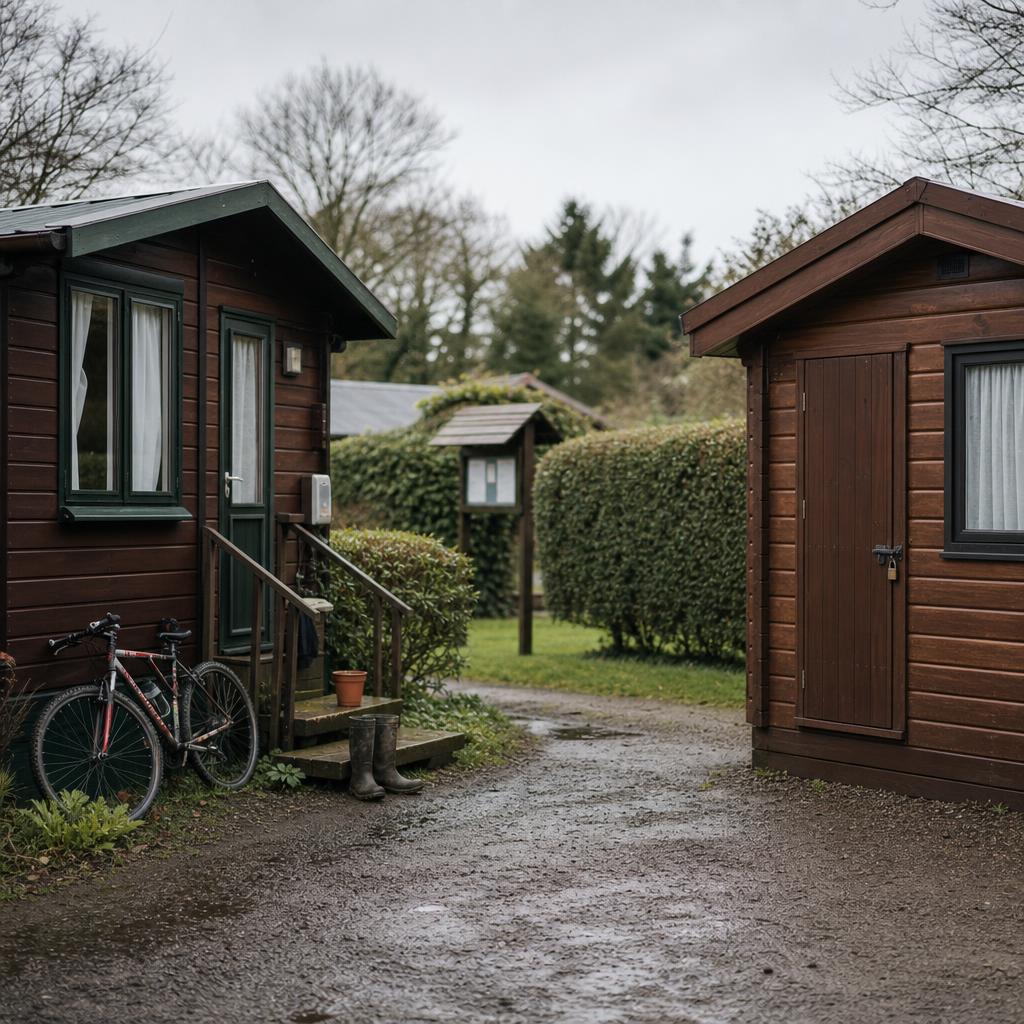
How does lodge living work in practice?
In practice, lodge living UK starts with the park agreement. That document sets out whether you can live there year-round, what the pitch fees cover, and what rules apply to the site.
A typical lodge park is managed, not just sold. That means landscaping, communal areas, and site standards are usually maintained for you. As a result, many buyers find the experience simpler than maintaining a traditional detached house.
Who is lodge living UK best suited to?
Lodge living UK is best suited to buyers who value comfort, calm, and lower upkeep. It is especially appealing to downsizers, retirees, semi-retired couples, and people looking for a second home that feels easy to manage.
If you want a smaller footprint without sacrificing style, lodge living UK can be a strong fit. Many modern lodges include open-plan kitchens, en-suite bedrooms, decking, and better insulation than older holiday units. That combination makes them attractive to buyers who want a more relaxed daily routine.
It also suits people who want to live closer to nature. For example, countryside developments often appeal to walkers, gardeners, and anyone who prefers quieter surroundings. Coastal parks are often chosen by buyers who want sea air, weekend access, and a strong sense of escape. Our park homes in Kent and holiday homes in Cornwall pages show how location shapes the lifestyle as much as the lodge itself.
That said, lodge living UK is not ideal for everyone. If you want a large plot, a conventional mortgage, or complete freedom over alterations, a lodge park may feel restrictive. On many managed parks, rules around pets, subletting, external storage, and appearance are tighter than in a standard housing estate. Therefore, the lifestyle works best for buyers who welcome structure.
Research into downsizing consistently shows that many over-55s want fewer household tasks and lower day-to-day pressure. In practical terms, that often means reducing cleaning time, cutting garden maintenance, and improving access to community support. For many buyers, those benefits are worth more than extra square footage.
What kind of buyer usually enjoys it most?
The strongest fit is often a buyer who wants stability without the burden of a full-size home. Couples who travel, retirees who want a quieter pace, and lifestyle movers who value scenery tend to adapt fastest.
If you want to compare real-world options, our park home living overview gives a helpful picture of how managed community living feels day to day.
The benefits of lodge living UK
The main benefits of lodge living UK are comfort, convenience, and setting. However, the value goes beyond the brochure image. For the right buyer, it creates a simpler life with fewer demands and more space to enjoy the surroundings.
According to UK housing research, more than half of downsizers say lower maintenance is a top priority. That makes sense. A smaller, well-designed lodge can reduce cleaning time, landscaping effort, and general property stress. In many cases, the result is more time for travel, hobbies, and family.
Another important advantage is location. Lodge parks are often placed in countryside or coastal areas where access to walking routes, nature, and calmer roads is part of the appeal. Our holiday lodges in Cambridgeshire and coastal lodges for sale pages are good examples of how scenery can shape everyday enjoyment.
It is also worth noting that managed lodge communities can create a reassuring environment. That does not mean everyone becomes close friends. It does mean there is often a stronger sense of shared standards, visibility, and care. For many older buyers, that feeling is a major benefit.
Videos also help buyers see the lifestyle clearly. Before making a decision, many people watch a real-life tour such as
<div class="se-video" style="position:relative;padding-bottom:56.25%;height:0;overflow:hidden;margin:24px 0;">
. It is a useful way to hear practical questions about daily life and comfort. You can also compare expectations with a modern lodge walkthrough like
<div class="se-video" style="position:relative;padding-bottom:56.25%;height:0;overflow:hidden;margin:24px 0;">
, which shows how new builds look and feel in real use.
Below are the most common benefits buyers mention:
Peaceful surroundings
Peace and quiet are among the biggest reasons people choose lodge living UK. Many parks have fewer vehicles, less noise, and more green space than urban housing.
For buyers leaving busy streets, that change can feel immediate. In fact, it is often the first thing they notice after moving.
Lower-maintenance homes
Lower upkeep is a major reason lodge living UK appeals to downsizers. Smaller plots, managed grounds, and modern materials can reduce the burden of home ownership.
That matters because maintenance can consume time and money. Even saving 2 to 5 hours a week on chores can make a big lifestyle difference.
Community and security
Many parks offer a more settled community feel. This can support peace of mind, especially for buyers who want a well-managed environment.
Security is usually about design and layout rather than formal surveillance. Clear site rules, good visibility, and active management all help.
Access to countryside and coast
Location is a core part of lodge living UK. Buyers often choose parks near beaches, nature reserves, walking routes, or scenic villages.
That access turns a home into a lifestyle asset. It is one reason lodge ownership is often compared with premium holiday accommodation.
What to consider before moving to a lodge
Before you choose lodge living UK, check the rules, the costs, and the long-term suitability. A lodge can be an excellent lifestyle move, but only when the park and the ownership type match your plans.
First, confirm whether the park is residential or holiday use only. That is the single biggest issue. If you want to live there full time, you need a park that permits it. Otherwise, you may be limited to holiday occupancy periods. Our holiday lodge vs residential park home page explains the difference clearly, while can you live in a lodge all year round in the UK? answers the residency question directly.
Second, review the park agreement carefully. Look at pitch fees, maintenance responsibilities, and any restrictions on pets, letting, or external changes. According to industry guidance, site fees can vary widely depending on location, facilities, and service levels.
Third, think about access. A beautiful rural park is only ideal if you are happy with the nearest shops, hospitals, and transport links. For example, a buyer near Cambridge may value convenience as much as scenery, which is why lodges in Cambridgeshire can suit people who want both.
Finally, consider future flexibility. If your health, travel habits, or family needs change, will the lodge still suit you in five or ten years? A good purchase should work now and later. That is why lodge living UK should be treated as a lifestyle and housing decision, not just a scenic purchase.
Typical checks before buying include:
– Who can legally live on the park
– Whether pets are allowed
– Whether the lodge is fully insulated for year-round comfort
– What pitch fees cover
– How the site is managed
– What resale demand looks like in the area
Can you live in a lodge permanently in the UK?
Yes, but only on parks that allow permanent or residential use. Lodge living UK can be a full-time home in the right setting, yet holiday-only parks do not permit permanent residency.
This is why buyers should always confirm the licence and ask for written clarification before they reserve.
Residential lodge living versus holiday lodge ownership
Residential lodge living and holiday lodge ownership are not the same. The difference affects where you can live, how often you can use the property, and what costs or obligations you face.
Residential lodge living is for permanent occupation. Holiday lodge ownership is for leisure use only, usually on parks that limit how long you can stay consecutively. That distinction has practical consequences for tax, services, and lifestyle planning. If you are comparing use types, our park home vs lodge comparison and park home living UK guide are useful next steps.
According to market guidance, holiday lodges often attract buyers who want a second home or holiday base, while residential parks are better aligned with retirees and full-time movers. In other words, the use case should come before the model.
Holiday ownership can still be attractive if you want flexibility and weekend escapes. However, residential lodge living is more appropriate if you want to replace a house entirely. That is why asking where you want to be in three years matters as much as asking what the lodge looks like today.
This is also where the lifestyle difference becomes clear. Holiday buyers often think in terms of breaks, local attractions, and low-commitment use. Residential buyers think in terms of utilities, community, healthcare access, and year-round comfort. Both can work well. They just solve different problems.
What are the disadvantages of lodges?
The main disadvantages are rule restrictions, limited financing options, and site fees. Some parks also limit pets, external changes, or long-term subletting.
In addition, a lodge may not suit buyers who want a conventional freehold house. So lodge living UK is best for people who value lifestyle over absolute flexibility.
Typical running costs of lodge living UK
The running costs of lodge living UK depend on whether the lodge is residential or holiday use, plus the size, specification, and location of the park. However, there are a few common cost categories every buyer should expect.
The biggest regular expense is usually pitch or site fees. These can cover ground rent, park maintenance, communal services, and access to facilities. Our pitch fees explained guide breaks this down in more detail, and park home ownership costs UK adds the broader picture.
Other typical costs include utilities, insurance, council tax for residential homes, and routine maintenance. Research from the park home sector suggests that predictable monthly costs are one reason many buyers prefer managed living. The upside is clarity. The downside is that fees can rise, so you need to check review terms and notice periods.
As a rough guide, many buyers budget for four core areas:
– Pitch fees or site fees
– Electricity, gas, water, and broadband
– Insurance and repairs
– Council tax, if the lodge is a residential home
It is smart to ask for a sample annual budget before you buy. Even a difference of 10% in fees can materially affect affordability over time. For example, a £200 monthly fee increase adds £2,400 a year. That is significant for retirees on a fixed income.
Therefore, lodge living UK is often affordable in practical terms, but only when the full cost picture is clear. A lower-maintenance lifestyle still needs disciplined budgeting.
Can you live full time in a lodge?
Yes, you can live full time in a lodge if the park is licensed for residential use. The key issue is not the lodge itself, but the site rules.
Always check the agreement, because a holiday lodge cannot usually become a permanent home just because you want it to.
How to choose the right lodge park
The right park can make lodge living UK feel effortless. The wrong park can make even a beautiful lodge feel limiting, so the setting matters as much as the home.
Start with location. Decide whether you want countryside peace, coast, or easy access to towns and transport. Then check the park type, because residential and holiday parks operate differently. If you are comparing regions, our park homes in Derbyshire and park homes Cornwall pages show how regional character influences buyer choice.
Next, assess the park’s management. Well-run sites usually have clear rules, maintained landscaping, responsive communication, and visible standards. That matters because managed parks rely on consistency. It also affects resale value.
You should also check nearby services. Good shops, GP access, rail links, and road connections can matter more than buyers expect. A scenic park is only practical if daily life still works.
Before you commit, compare at least three parks and ask these questions:
– Is the park residential or holiday use?
– What are the annual fees?
– What is included in those fees?
– Are there age restrictions?
– What are the resale conditions?
– How close are shops, health services, and transport?
Finally, visit at different times of day if possible. A park can feel very different on a weekday morning than on a busy weekend. That kind of real-world check often reveals whether lodge living UK suits your habits.
Where can I live in a lodge?
You can live in a lodge on parks that are licensed for residential occupation. Some parks allow year-round living, while others are holiday-only.
The best approach is to shortlist locations first, then verify the licence, fees, and local amenities before proceeding.
FAQs about lodge living UK
These are the most common questions buyers ask when researching lodge living UK. The short answers matter first, then the detail helps you decide with confidence.
If you are still early in your research, it may also help to compare different park types on the main White Park Home Group website before narrowing down locations.
Can you live in a lodge permanently in the UK?
Yes, you can live in a lodge permanently in the UK if the park is licensed for residential use. That is the deciding factor.
Holiday-only parks do not normally permit permanent living, so always check the site licence and written terms first.
What are the disadvantages of lodges?
The main disadvantages are site restrictions, ongoing fees, and limited flexibility compared with a conventional house.
Some buyers also find that finance options are narrower, so it is important to understand the full ownership model before committing.
Can you live full time in a lodge?
Yes, but only on a residential park that allows full-time occupation. Lodge living UK can work very well as a permanent home when the park is set up for it.
The lodge itself is not the issue. The licence and occupancy rules are what matter.
Where can I live in a lodge?
You can live in a lodge on parks that allow residential occupation, including selected countryside and coastal developments.
Always confirm the park type, local amenities, and long-term costs before you choose a location.
Key Takeaways
- Lodge living UK suits buyers who want comfort, scenery, and lower maintenance more than a traditional house layout.
- Permanent living is possible, but only on parks licensed for residential use.
- The main checks are park type, pitch fees, local amenities, and long-term flexibility.
- Residential lodge living and holiday lodge ownership are different, so the use case should come first.
- The best lodge purchase balances lifestyle, cost clarity, and the right location.
Enquire now