
Lodge homes for sale appeal to buyers who want a lower-maintenance property with space, comfort, and a setting that feels more relaxed than a standard house. However, the term can cover several very different ownership routes. Some lodge homes are designed for holidays only, while others are intended for permanent living, and park homes sit in a separate category that many buyers also consider.
That is why it helps to start with the basics. Before you compare finishes or layouts, you need to understand how the site is licensed, how the home can be used, and what costs continue after purchase. If you are still learning the differences, our guide to Lodges vs Park Homes vs Static Caravans is a useful starting point. For buyers focused on a specific lifestyle, Lodge Living UK also explains what daily life in this type of home can feel like. In this article, we will help you narrow down lodge homes for sale with clear, practical buying advice.
What Do Buyers Mean By Lodge Homes For Sale?
Lodge homes for sale usually means any premium park-based home built for comfort, leisure, or residential-style living. The phrase is broad, so buyers should always check whether a home is a holiday lodge, a residential lodge, or a park home before they decide.
That distinction matters because the intended use affects everything from legal occupancy to finance, fees, and resale. A holiday lodge is typically for holiday use only. A residential lodge may be suitable for full-time living if the site licence allows it. A park home is usually positioned as a permanent or semi-permanent residential option on an approved park.
If you want a clear comparison before going further, our guide to Holiday Lodge vs Residential Park Home explains the main rules and lifestyle differences. You can also read more about Park Home vs Holiday Lodge if you are narrowing your shortlist.
In practical terms, the best lodge homes for sale are the ones that match your intended use. A couple looking for weekend escapes may prioritise scenery and easy upkeep. A retiree may want year-round access, reliable heating, and a quiet community. A second-home buyer may care most about location, letting potential, and resale appeal. Therefore, the right choice starts with purpose, not just appearance.
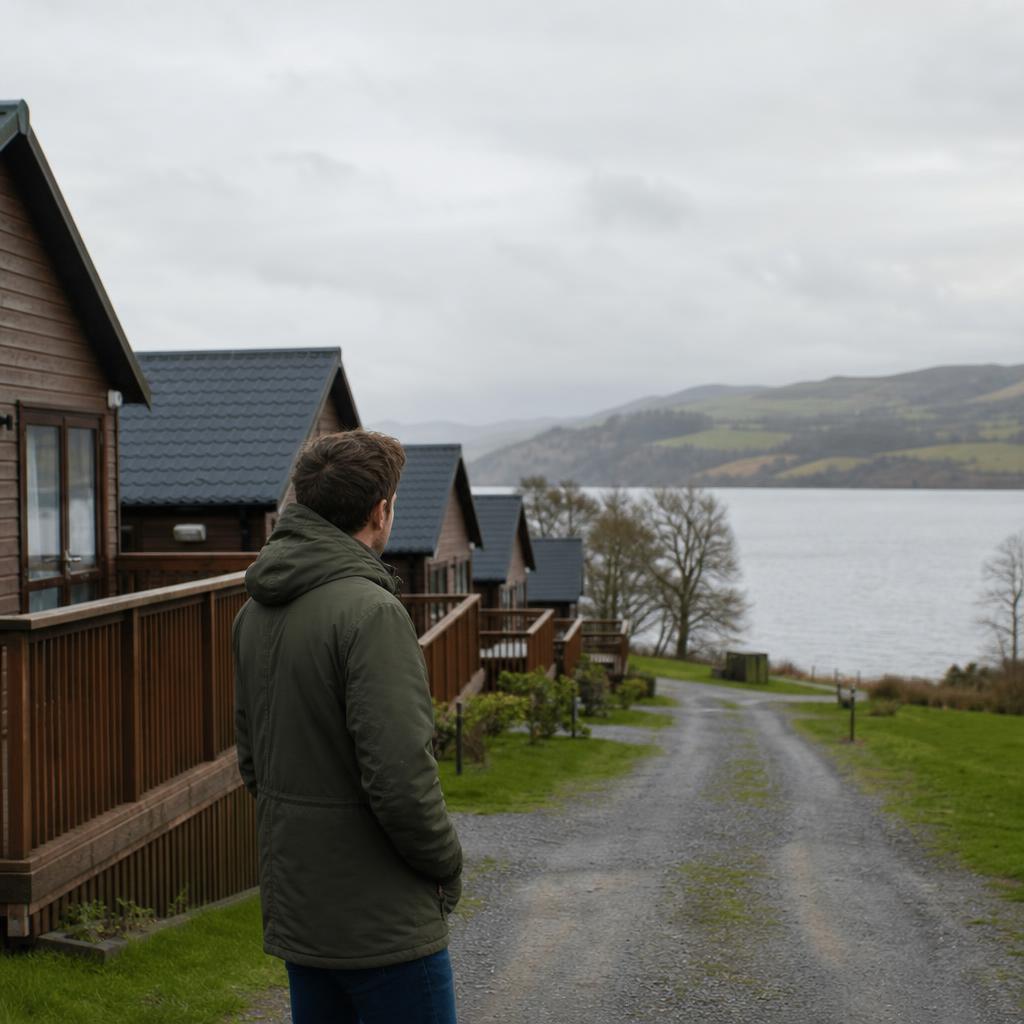
How do you tell a lodge from a park home?
The simplest way is to look at the site rules and the home’s approved use. A lodge often leans toward holiday or leisure use, while a park home is more commonly associated with residential living. However, you should never rely on the marketing label alone.
Ask for the site licence details, occupation rules, and any written restrictions before you proceed. That approach protects you from buying lodge homes for sale that look suitable on paper but do not fit your plans in practice.
Lodge Homes For Sale: Holiday Lodge Homes Versus Residential Lodge Homes
Lodge homes for sale fall into two main usage categories: holiday and residential. The correct one depends on whether you want a retreat, a main home, or a long-term downsizing move.
Holiday lodge homes are meant for leisure use. They are ideal for buyers who want a peaceful base near the coast, countryside, or a managed park setting. Residential lodge homes are intended for full-time occupation where the site licence permits it. That makes them more suitable for buyers who want to live there all year.
If you are considering full-time use, read Can You Permanently Live in a Lodge in the UK? before you commit. It explains why the site licence is the deciding factor. For a broader lifestyle view, Park Home Living is also helpful because it shows how low-maintenance community living works day to day.
Holiday lodge homes often suit buyers who want flexibility and a second property feel. Residential lodge homes suit buyers who want a quieter, more manageable main residence. Either way, lodge homes for sale should be assessed on use first, then on specification, then on location. That order keeps your shortlist realistic and prevents costly mistakes.
Can you legally live in a lodge?
Yes, but only if the lodge and the site are licensed for residential use. If the site is holiday-only, you cannot legally treat it as your main home.
This is one of the most important checks when reviewing lodge homes for sale. Always confirm the written occupancy rules before you pay a reservation fee or instruction money.
What Features Should You Look For In Lodge Homes For Sale?
The best lodge homes for sale combine smart layout, year-round comfort, and easy upkeep. A good lodge should feel practical in winter, bright in summer, and simple to maintain over time.
Start with the build quality. Look at insulation, windows, heating, ventilation, and overall finish. Then review the floorplan. Buyers often prefer open-plan living, generous storage, and a separate utility or dressing area if available. These features matter because lodge living is about comfort without clutter.
It also helps to compare specification levels across manufacturers and park operators. For example, luxury residential and holiday lodges show how high-end design can include modern interiors and thoughtful layouts, while holiday homes and lodges for sale in Devon and Cornwall demonstrate how location and lifestyle often shape buyer interest.
When reviewing lodge homes for sale, ask yourself three questions. Is it comfortable enough for the season you plan to use it? Is it practical enough for the amount of maintenance you want? And does the layout suit your routine? If the answer is yes to all three, you are likely looking at a strong fit.
Do not overlook the park itself. A beautiful lodge on the wrong site can still disappoint. Managed grounds, privacy, parking, and peaceful surroundings all influence how the home feels after purchase.
Which details matter most for year-round comfort?
Heating, insulation, glazing, and ventilation matter most. These features affect how the lodge feels in colder months and how easy it is to live in day to day.
Storage, layout flow, and bathroom placement also matter. Many buyers underestimate these practical details when comparing lodge homes for sale, but they shape everyday enjoyment more than décor alone.
How Should You Choose The Right Location For Lodge Homes For Sale?
Location should match how you plan to use the lodge, not just where you would enjoy visiting once. The right location depends on whether you want a holiday escape, a retirement-friendly base, or a residential setting with easy local access.
If you want a quiet retreat, countryside and waterside settings are often appealing. If you want stronger year-round convenience, choose a location near roads, shops, healthcare, and services. This is especially important for buyers who may spend extended periods there.
White Park Home Group offers a useful starting point through Lodge Park Locations UK, which helps buyers think about the wider setting as well as the home itself. If Cambridgeshire appeals, Holiday Homes In Cambridgeshire can help you assess peaceful lodge retreats near countryside and waterways. For buyers comparing residential options, Park Homes Cambridgeshire is also worth reviewing.
Good lodge homes for sale are rarely just about the building. They are about the park, the local area, and how easy life will feel after the purchase. Therefore, visit at different times of day if possible. That gives you a better sense of noise, access, and atmosphere. It also helps you judge whether the setting suits your lifestyle for the long term.
What makes a location better for a holiday lodge?
Holiday buyers often prefer scenic, easy-to-reach locations with strong appeal for short breaks. Coastal, countryside, and waterside parks can all work well if they offer privacy and a relaxing feel.
However, convenience still matters. A lodge that is hard to reach or poorly serviced may be less enjoyable, even if the view is excellent.
What Do Lodge Homes For Sale Cost To Own Over Time?
The purchase price is only part of the total cost. When comparing lodge homes for sale, you should also review site fees, utility bills, insurance, maintenance, and any park rules that affect ownership.
Site or pitch fees are especially important because they continue for as long as you own the home. Our guide to Pitch Fees Explained shows what owners usually pay for and why those charges vary by park. If you want a fuller breakdown of ongoing costs, Park Home Ownership Costs UK is a practical companion read.
Some buyers focus on the initial price and overlook recurring costs. That can create problems later. As a result, it is better to ask for a full monthly and annual estimate before you buy. Check whether the site fee includes maintenance of communal grounds, refuse collection, or water-related services. Then confirm what sits outside the fee.
If you are looking at holiday lodge homes for sale as a lifestyle purchase, also think about how often you will use the property. A lodge that sits unused for long periods may still carry ongoing costs. That does not make it a bad choice. It simply means the budget should match your usage pattern.
For buyers who want to understand possible income offsets, Is Owning a Holiday Lodge Profitable? offers a sensible overview. Even then, it is better to treat rental income as a bonus rather than a guarantee.
Is buying a lodge a good investment?
It can be a good lifestyle purchase, but it should not be judged like a standard property investment. The strongest value usually comes from enjoyment, convenience, and use, rather than pure financial return.
Some lodge homes for sale may support letting or strong resale interest, but costs, park rules, and seasonal demand all matter. Therefore, think carefully about your goal before buying.
Questions To Ask Before You Buy Lodge Homes For Sale
The right questions help you avoid expensive surprises. Before you commit to lodge homes for sale, ask about use rights, site rules, maintenance, and exit terms.
Start with the licence. Is the lodge holiday-only or residential? Then ask who owns the land, how fees are reviewed, and what happens if you want to sell later. You should also check whether pets are allowed, whether subletting is permitted, and what improvements need approval.
A useful buying checklist includes:
– What is the site licence and permitted use?
– What are the current site fees and what do they cover?
– Is the lodge freehold, leasehold, or licence-based?
– What maintenance is the owner responsible for?
– Are there restrictions on letting, pets, or alterations?
– What is the park’s resale process?
If you are still learning the buying process, How to Buy a Park Home in the UK gives a good step-by-step overview, even if you are comparing several property types. Likewise, Buying a Lodge in the UK is a helpful next read for ownership questions.
The most important habit is simple. Never rely on a brochure alone. Always ask for written confirmation. That protects you and makes lodge homes for sale easier to compare on real facts.
What are the disadvantages of lodges?
Common disadvantages include site fees, occupancy restrictions, and limited control over the park environment. Some lodges also have resale limits or rules on letting.
These issues do not make lodge homes for sale unattractive. They simply mean buyers should understand the ownership model before proceeding.
View Lodge Homes For Sale With White Park Home Group
Lodge homes for sale are easiest to judge when you can compare location, lifestyle, and usage rules in one place. White Park Home Group focuses on luxury park homes, holiday lodges, and residential lodge developments across the UK, which helps buyers match the right home to the right purpose.
If you want a calm setting, a practical layout, and a considered ownership route, start with our main site at White Park Home Group. You can then explore lodge living, park home living, and location-led guides to narrow your shortlist. For buyers interested in a peaceful retreat near countryside and waterways, the Cambridgeshire pages are especially useful.
The best lodge homes for sale are not always the most dramatic ones. They are the ones that fit your lifestyle cleanly. That may mean a holiday lodge for regular getaways, a residential lodge for downsizing, or a park home for a more established living arrangement. When the use case is clear, the buying decision becomes much simpler.
If you are still weighing holiday use against residential use, revisit the rules first. Then compare the setting, fees, and long-term comfort. That approach will help you choose a lodge home with confidence rather than guesswork.
Can I buy a lodge to live in?
Yes, if the lodge is on a site licensed for residential living. If it is on a holiday-only park, you can usually use it for holidays, not as your main home.
This is one of the first checks to make when searching lodge homes for sale. It can change the whole buying decision.
Lodge Home FAQs
These quick answers help buyers compare lodge homes for sale with more confidence. They focus on the most common legal and lifestyle questions.
Remember, the site licence and written park rules always matter more than the marketing description. That is the best way to avoid misunderstandings.
Key Takeaways
- Lodge homes for sale can mean holiday lodges, residential lodge homes, or park homes, so always confirm the intended use.
- The site licence is critical because it decides whether you can live there full-time or only use the lodge for holidays.
- Location, running costs, and park rules matter just as much as the lodge itself.
- Buyers should ask about fees, occupancy limits, resale rules, and maintenance responsibilities before committing.
- The best lodge home is the one that fits your lifestyle, budget, and long-term plans.
Frequently Asked Questions
Can you legally live in a lodge?
Yes, but only if the lodge is on a site licensed for residential use. If the park is holiday-only, you cannot legally make it your permanent home. Always check the written licence and occupation rules before buying lodge homes for sale.
Is buying a lodge a good investment?
It can be a good lifestyle purchase, but it is usually best viewed as a use-led property rather than a pure investment. The value depends on site fees, rules, location, demand, and resale conditions, so lodge homes for sale should be judged on the full ownership picture.
What are the disadvantages of lodges?
The main disadvantages are ongoing site fees, occupancy restrictions, and less control over the park environment. Some lodge homes for sale also have limits on letting or resale, so buyers should always confirm the rules in writing first.
Can I buy a lodge to live in?
Yes, if the lodge and park allow residential occupation. If the property is classed as a holiday lodge, you may be restricted to holiday use only. That is why checking the site licence is essential before you commit to lodge homes for sale.
Enquire now