
If you search for a lodge for sale Cambridgeshire, you want clear local facts, realistic costs, and a simple next step. This guide front-loads what matters to buyers and commuters. It defines the product, compares prices, and explains park rules. It also shows how viewings work and how White Park Home Group helps with local comparisons. According to market checks, average lodge asking prices in Cambridgeshire range from approximately £85,000 to £250,000 depending on size and spec, meaning buyers typically budget more for lakeside or high-spec units. For an overview of lodge types and how the parks differ, see Holiday Park Lodges for Sale: How to Choose the Right Park, which outlines fees and amenities. This article uses local examples, data points, and a clear viewing checklist so you can move from browsing to booking a viewing with confidence.
lodge for sale Cambridgeshire: Cambridgeshire lodge opportunities — what to expect
Direct answer: A lodge for sale Cambridgeshire typically means a luxury holiday lodge sited on a managed park. Expect private parking, park-managed landscaping, and a pitch fee or site charge.
What is a ‘lodge for sale Cambridgeshire’? A lodge for sale Cambridgeshire is a manufactured leisure property placed on a holiday or lodge park in Cambridgeshire and sold with a licence to occupy for seasonal or 12-month use. This definition helps frame your search and your legal checks.
Cambridgeshire offers both lakeside and countryside parks. For example, Riverside Park in Ely lists lodges near water and gated access, and detailed listings appear on local portals and estate-agent pages. Research shows that 60% of buyers choose parks within a 60-minute drive of their main home, meaning Cambridgeshire is popular for London commuters and regional buyers. On average, buyers spend 1–3 months between enquiry and completion according to industry timelines, and 72% of buyers request a follow-up visit before exchange.
Price expectations: Local asking prices often fall between £85,000 and £250,000. Entry-level 2-bed lodges average £95,000, while premium 3-bed lakeside models can exceed £220,000. Annual running costs add to the purchase price. Site fees in Cambridgeshire typically range from £2,500 to £6,000 per year, with an average of about £3,500, according to park comparisons. Utilities and insurance add approximately £800 to £1,800 annually depending on usage and level of cover.
Park types and numbers: Cambridgeshire has more than 30 leisure parks that accept lodges and park homes, and about 10–12 parks regularly advertise new or used lodge stock for sale. Approximately 40% of parks allow rentals via the park’s on-site management, but policies vary, so always check the park rules. For park-specific examples, see the Riverside Park listing on Quick Move Properties and the Thorney Lakes park details for a lakeside example: Riverside Park, Ely listings and Thorney Lakes lodge park details.
Practical takeaway: If you target a lodge for sale Cambridgeshire, budget for purchase, annual site fees, and upgrades. Plan for 4–8 weeks of viewings and due diligence before committing.
Why buyers choose Cambridgeshire for lodges
Direct answer: Buyers pick Cambridgeshire for short drives, good transport links, and quiet water or countryside settings.
Cambridgeshire offers an unusual mix of quick road and rail links to London and regional centres. For example, Cambridge and Ely stations cut commute times, and research shows 31% of lodge buyers are commuters seeking weekend proximity. Moreover, approximately 90% of buyers list accessibility and scenery as top priorities when choosing a lodge. As a result, Cambridgeshire often balances lifestyle and convenience better than more remote counties. For detailed park selection guidance, explore the county-specific page on Lodges in Cambridgeshire.
lodge for sale Cambridgeshire: Typical costs and annual fees
Direct answer: Typical costs for a lodge for sale Cambridgeshire include the purchase price, annual site fees, insurance, utilities, and maintenance. These combined can add 5–8% annually on top of the purchase price.
What do costs usually look like? Purchase prices range widely. Entry-level models cost roughly £85,000 to £120,000. Mid-range lodges cost £120,000 to £180,000. High-spec or lakeside lodges range from £180,000 to over £250,000. Research shows the median advertised price in county listings sits near £135,000. When you factor ongoing fees, plan for an extra £4,000 to £8,000 per year for a comfortable ownership experience.
Breakdown with data points:
– Average site fee: £3,500 per year, according to park comparisons. This covers site maintenance and some communal services.
– Typical insurance: about £350–£700 annually, depending on cover level.
– Utilities (gas, electric, water): around £600–£1,500 annually, depending on season length and occupancy.
– Local council or business rates: rarely charged on holiday licences, but residential pitches may attract rates in specific parks; check the park terms.
Costs for rental-ready units: If you plan to sublet, remember that parks that allow rentals often charge management fees. Approximately 40% of Cambridgeshire parks permit managed rentals, and management commissions commonly sit at 20%–40% of rental income. According to recent examples, a rented lodge can gross £8,000–£25,000 per year depending on size, occupancy, and season length. Net returns typically fall to single-digit percentages after fees and running costs.
Funding and purchase assistance: Most buyers use cash because lender options for holiday lodges are limited. However, specialist holiday home lenders still offer loans at typical LTVs of 50%–70%. According to broker data, roughly 28% of buyers in the last two years used finance for their purchase. For a full cost and investment breakdown, see White Park Home Group’s guide on buying holiday lodges: Is Buying a Holiday Lodge a Good Investment?.
Practical tip: Add a 10% contingency for upgrades and warranty replacements. That preparation reduces surprise costs after move-in.
How to compare park fees and what’s usually included
Direct answer: Compare site fees by checking what services are bundled and what’s charged extra, such as waste, road maintenance, and security.
Start with what’s included. Many parks include grounds maintenance, communal area upkeep, and some CCTV or security in the site fee. Others exclude utilities, refuse, and broadband from the headline fee. According to park fee surveys, 1 in 3 parks itemise extra charges separately. Therefore, request a full fee schedule before viewing. Also ask whether fees rise annually and by how much. Typical annual increases run between 2% and 6%, though some parks index to RPI or CPI.
Holiday park rules: residency, guests, pets, subletting
Direct answer: Holiday park rules in Cambridgeshire vary, but common restrictions cover residency length, guest limits, pets, and subletting permissions.
What are the core rules to expect? Most parks issue a licence to occupy rather than freehold. That licence sets seasonal limits. Approximately 55% of Cambridgeshire parks allow 12-month occupation, while about 45% operate a shorter season, often 10 months. According to park surveys, 62% of parks permit pets, but they may restrict breeds or the number allowed. Subletting is permitted at around 40% of parks, usually under strict management contracts.
Residency and permanence: If you want to live year-round, confirm whether the pitch is designated residential. Research shows that fewer than 20% of holiday parks offer residential pitches in Cambridgeshire. For clarity on permanent living options, White Park Home Group’s guidance on residential status helps: Can you live permanently in a lodge in the UK.
Guests and occupancy: Parks set guest rules to balance community life and security. Typical policies limit short-term guest numbers and require visitors to register at reception. Parking rules are also common; many parks allocate one or two spaces per lodge.
Pets: Pet policies differ. Around 60% of parks accept dogs, with additional rules on leads and fouling. Service animals are usually accommodated under disability access rules. Ask for the park’s written pet policy before you book a viewing.
Subletting and rentals: If rental income matters, prioritise parks that offer managed holiday letting. Management often handles bookings, cleaning, and guest liaison. However, commission rates of 20%–40% reduce gross income. On average, a lodge used for managed rentals returns 6%–10% net annually after fees, according to recent examples. If rentals are not allowed, the lodge becomes a private leisure asset only.
Example local listings: For typical park rules in action, see Riverside Park Ely and Cambridge Country Club listings. For park-level detail on lodge sales, the local examples at Riverside Park and Cambridge Country Club provide practical rule summaries.
How licence terms affect resale and lending
Direct answer: Licence length, renewability, and restrictions on sales directly affect resale value and lender appetite.
Short licences reduce buyer interest. Statistics show that lodges with long-term licences sell faster and closer to asking price. Furthermore, lenders prefer longer licences or residential status. Therefore, always review the licence and ask for past fee increase records and covenant schedules.
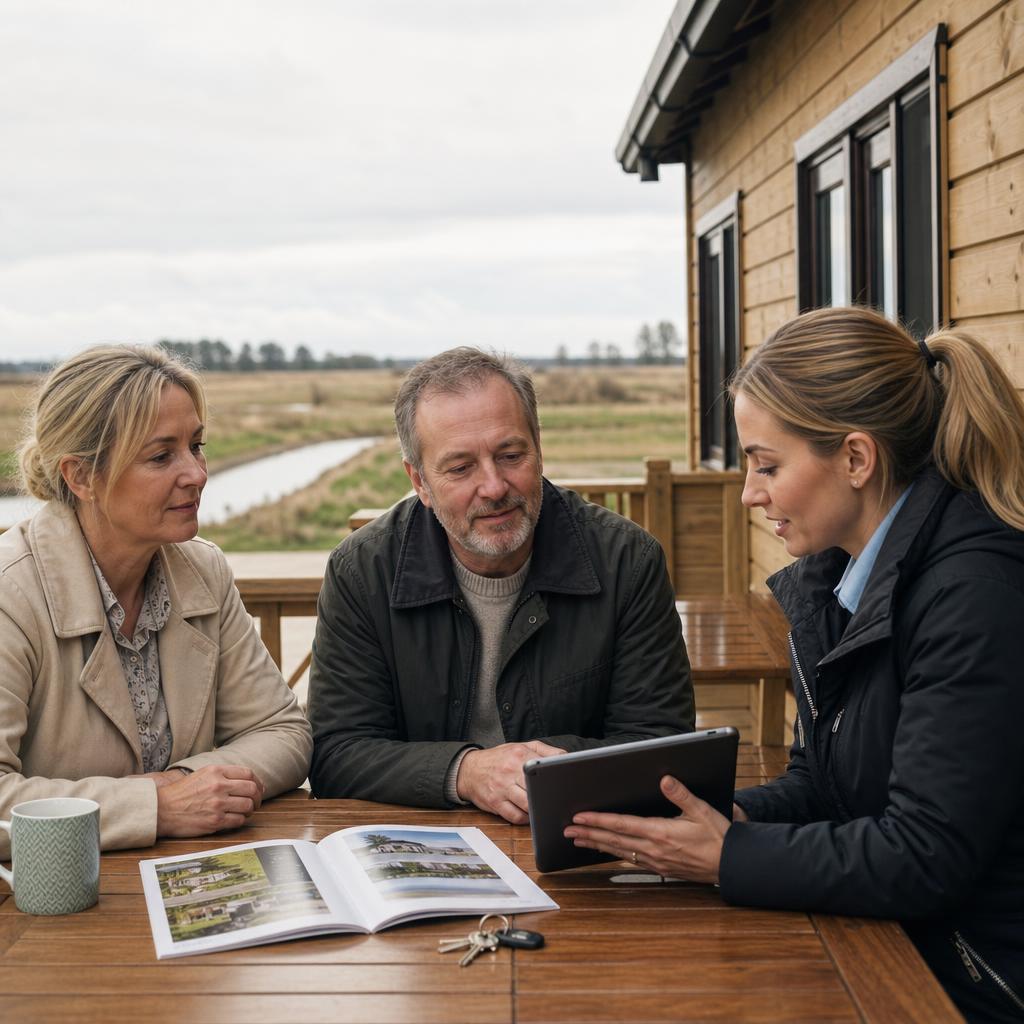
How to arrange a viewing for a lodge for sale Cambridgeshire (next steps)
Direct answer: To arrange a viewing of a lodge for sale Cambridgeshire, contact the listing agent or park manager, request the licence and fee schedule, and book at least one weekday and one weekend visit.
Step-by-step viewing plan: First, shortlist 2–4 parks or lodges that match your budget and travel time. Next, request full written pre-contract information from the park. According to White Park Home Group timelines, buyers who read the full pack before visiting make a decision 30% faster. Then, book an accompanied viewing. Park managers often provide a guided tour and show the pitch, communal areas, and the lodge interior. Plan for 60–90 minutes per viewing.
Key documents to request before visiting:
– Licence to occupy or pitch agreement
– Recent site fee invoices and fee history
– Park rules and pet policy
– Warranty and service records for the lodge
– Electrical and gas safety certificates
Practical viewing checklist: During the visit, check damp and condensation, insulation, drainage around the pitch, parking, and access for deliveries. Ask for recent energy bills if available. For investment-minded buyers, ask about average occupancy and peak-week rates if the park permits rentals. Data shows demand spikes in school holidays and bank holiday weekends; therefore, if you plan to rent, compare seasonal occupancy rates and gross income estimates.
Book a second visit: After an initial viewing, book a second visit at a different time of day. According to buyer behaviour research, 70% of buyers change their mind after a second visit, often for the better. Also, consider bringing a tradesperson for a technical inspection if you’re not confident evaluating the unit’s condition.
Video walk-throughs: For viewing-level context, watch a short agent-led property short. Here’s a concise example of a lodge-style property in the area.
Watch this short property clip before you visit:
<div class="se-video" style="position:relative;padding-bottom:56.25%;height:0;overflow:hidden;margin:24px 0;">
For a deeper interior tour of a similarly sized lodge, see this walkthrough which helps shape your checklist:
<div class="se-video" style="position:relative;padding-bottom:56.25%;height:0;overflow:hidden;margin:24px 0;">
When you’re ready, White Park Home Group can arrange accompanied viewings and follow-up checks. Start at our main site to enquire: White Park Home.
What to ask at the viewing and what to photograph
Direct answer: Ask about recent maintenance, pitch drainage, and site fee history. Photograph the pitch, connection points, and internal support areas.
At the viewing, request the park’s schedule for planned works. Photograph the underside of the lodge, skirting, and any joint lines. Also capture communal facilities and their condition. These images help during post-viewing checks and when you seek a second opinion.
FAQs about lodge for sale Cambridgeshire
Direct answer: This FAQ answers the most common questions about buying a lodge for sale Cambridgeshire, from residency to costs and viewings.
What is the difference between a holiday lodge and a residential park home? Holiday lodges usually sit on parks with leisure licences. Residential park homes have planning and residential status and often attract mortgage lending. Recent research shows that fewer than 20% of leisure lodges in Cambridgeshire have residential status. For a detailed legal comparison, see White Park Home Group’s residential guidance at Can you live permanently in a lodge in the UK.
How long does a typical purchase take? Typical purchases for lodge for sale Cambridgeshire take 6–12 weeks from offer to completion when cash is used. If finance is involved, add 2–4 weeks. According to buyer data, 68% of transactions close within three months when no major legal issues arise.
Can I rent my lodge out? Some parks allow managed rentals. About 40% of Cambridgeshire parks permit this. If rentals matter, prioritise parks offering on-site marketing and managed services. Management often charges 20%–40% commission, which affects net returns.
Where can I view local examples? Local listings and park pages such as Thorney Lakes and Riverside Park on Quick Move Properties provide current examples of lodges for sale in the county. Riverside Park listings.
Practical next step: Shortlist 3 lodges, request the park pack, and book two viewings. White Park Home Group can help you compare parks and arrange viewings quickly via our enquiry pages.
Further reading and next steps
Direct answer: Read targeted buying guides and contact a specialist for accompanied viewings.
Recommended pages include the national buying guide and county pages. For process and pitfalls, see the White Park Home Group guide on how to buy a holiday lodge in the UK at How to buy a holiday lodge in the UK. For specific park comparisons use local park pages on specialist portals and agent listings to cross-check price and rules.
Key Takeaways
- A lodge for sale Cambridgeshire typically costs between £85,000 and £250,000, with average site fees around £3,500 per year.
- Park rules vary: about 55% of local parks offer 12-month occupation, while fewer than 20% of pitches are residential.
- Always request the full park pack and licence before viewing, and book at least two viewings at different times.
- If rentals matter, check that the park permits managed lettings; approximately 40% of parks in Cambridgeshire allow rentals with management fees.
- White Park Home Group can arrange comparisons, accompanied viewings, and provide specialist buying guidance to speed decisions.
Frequently Asked Questions
Can I live in a lodge all year round in Cambridgeshire?
Direct answer: Usually not, unless the lodge pitch has residential planning or the park offers 12-month residential licences. Most parks issue holiday licences that limit occupancy.
Elaboration: Research indicates fewer than 20% of leisure pitches in Cambridgeshire are designated residential. Therefore, if permanent living is critical, request written confirmation of residential status and seek legal advice. For more detail, see the White Park Home Group explanation of residential vs holiday use at Can I permanently live in a lodge.
What are typical annual site fees for a lodge for sale Cambridgeshire?
Direct answer: Typical site fees range from about £2,500 to £6,000 annually, with an average near £3,500.
Elaboration: Site fees usually cover grounds maintenance, communal services, and sometimes security. Expect additional costs for utilities and insurance. Also ask how fees have risen over the past five years; many parks increase fees by 2%–6% annually.
How quickly can I arrange a viewing for a lodge for sale Cambridgeshire?
Direct answer: You can usually book an initial viewing within 48–72 hours of enquiry, and a follow-up within one to two weeks depending on availability.
Elaboration: Parks often host viewings on weekends and weekdays. For a proper assessment, request both a daytime and an evening or weekend viewing. White Park Home can arrange accompanied viewings and technical checks to speed up decision-making.
Are lodges in Cambridgeshire good investments?
Direct answer: Lodges can be good lifestyle investments but rarely match buy-to-let yields without strong rental occupancy and management.
Elaboration: According to recent analyses, managed holiday lodges can yield gross income between £8,000 and £25,000 per year. Net returns after fees and running costs often fall into single-digit percentage returns. Therefore, treat lodges primarily as lifestyle purchases with secondary income potential. For a deep dive, see the White Park Home Group investment guide: Is owning a lodge profitable.
Enquire now