
If you are asking can you live permanently in a lodge UK, the short answer is that it depends on the park’s status, not just the lodge itself. A lodge can feel like a full-time home, but many are sold for holiday use only. That is where buyers get caught out. The key is to separate lifestyle appeal from legal permission. A residential lodge park is different from a holiday park, and the rules can affect everything from your main address to council tax and utility setup. If you want to compare lodge living with residential-style ownership, it helps to start with the basics on holiday lodge ownership rules in the UK and the broader guide to lodge living in the UK.
Can You Live Permanently in a Lodge in the UK?
Yes, you can live permanently in a lodge in the UK only when the site is approved for residential occupation. If the park has a holiday licence, then can you live permanently in a lodge UK becomes a legal no, even if the building looks suitable for year-round living.
This is the most important point for buyers. A lodge is not automatically a home for full-time use. The deciding factor is the park’s planning status, the site licence, and the terms of sale. In practice, that means two lodges can look similar, but one may be legal for permanent living while the other is holiday only.
This is why White Park Home Group encourages buyers to look beyond the brochure. If you want a fuller comparison before enquiring, the guide on residential park homes vs holiday lodges is a useful starting point. It explains the difference between lifestyle-led ownership and homes intended for full-time occupation.
You should also speak to the park directly about whether the pitch is residential or holiday use only. The wording matters. Some parks market a lodge as peaceful, private and comfortable all year, but that does not mean you can register it as your main home. Therefore, always ask for the written rules before paying a reservation fee.
A good rule of thumb is simple: if you are planning to sleep there, receive post there, and treat it as your main address, you need residential permission. If you are buying for breaks, seasonal stays or family holidays, a holiday lodge may be suitable. That difference answers the core question of can you live permanently in a lodge UK far more reliably than the appearance of the building itself.
For buyers exploring genuine lifestyle-led options, it can help to review lodge homes for sale and the wider luxury lodge retreats UK page, then confirm which developments support residential living.
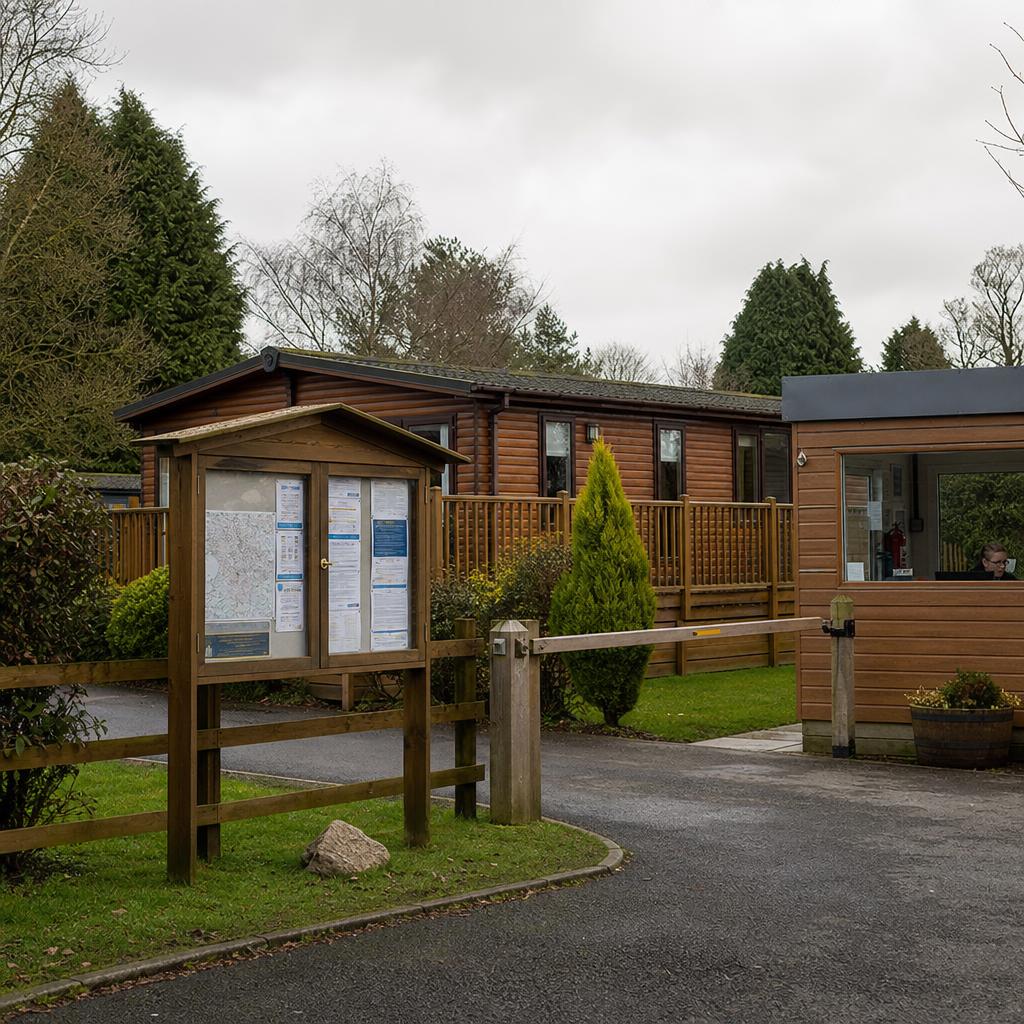
What is the practical difference between a lodge and a home?
A lodge can be built to a very high standard and still be classed as holiday accommodation. That means the structure may feel residential, but the legal use may not be residential. So when people ask can you live permanently in a lodge UK, the real issue is use class and site approval, not comfort alone.
For buyers, that distinction matters because it affects where you can register, how long you can stay, and what bills you may face. It also affects mortgage and lending options in some cases.
Holiday Lodges vs Residential Lodges: can you live permanently in a lodge UK?
Holiday lodges and residential lodges are not interchangeable. A holiday lodge is designed for leisure use, while a residential lodge is intended for permanent occupation and sits on a site with the right approval.
This is the clearest way to answer can you live permanently in a lodge UK. If the site is holiday-only, you usually cannot make it your permanent home. If the site is residential, you may be able to live there full time, subject to the park rules and local authority requirements.
Many buyers are drawn to holiday lodges because they offer attractive settings, open-plan layouts and lower-commitment ownership. However, holiday use comes with restrictions. Those often include limits on how long you can stay at one time, a prohibition on using it as your sole or main residence, and rules around business mail or electoral registration.
If you want a lodge that supports year-round living, you need to focus on residential-style developments and not just scenic locations. A helpful companion page is holiday lodge ownership rules in the UK, which explains common occupancy limits in plain English. You may also find the comparison on holiday lodge vs static caravan useful if you are still deciding between property types.
The lifestyle differences are equally important. Holiday lodges often suit buyers who want flexible use, a second home feeling, or a retreat close to nature. Residential lodges suit people who want continuity, community, and the ability to settle. Therefore, can you live permanently in a lodge UK is less a question of style and more a question of legal status.
If you are still early in your research, the article on buying a lodge in the UK can help you ask the right questions before you visit a park.
How do you spot a holiday-use lodge?
Holiday-use lodges often come with occupancy restrictions, such as no permanent residency and limits on how long you can stay in one visit. The paperwork should say this clearly. If it does not, ask for the written site licence and park rules before you proceed.
What Site Licences and Planning Status Mean for can you live permanently in a lodge UK
The site licence and planning status are the legal backbone of lodge use. They tell you whether the park is authorised for holiday stays or full-time residential living.
This is where buyers should be especially careful. Even a beautiful lodge on a well-kept park may still be restricted to holiday use. That is why can you live permanently in a lodge UK cannot be answered from the brochure alone. You need the site’s official documentation.
A residential site licence usually aligns with permanent occupation. A holiday licence usually does not. Local planning rules may also limit how the park can be used, so it is wise to check both the licence and the planning consent. The park should be able to explain this in writing.
If you want a broader view of the lifestyle and location side before you ask those questions, explore White Park Home Group lodge park locations UK. It helps buyers understand how different developments are positioned, whether they are countryside retreats, waterside settings or community-led parks.
For independent reading, the guide on whether a holiday lodge can be a permanent home is useful because it reinforces the same core point: licence status controls use. Likewise, the page on residential lodge parks shows why park classification matters so much for long-term living.
Always ask for these documents before committing:
– Site licence or licence summary
– Planning permission details
– Written occupancy rules
– Council tax position
– Utility and services information
In short, can you live permanently in a lodge UK is a documentation question first and a lifestyle question second. If the paperwork is unclear, treat that as a warning sign.
Why written confirmation matters
Verbal reassurance is not enough. You need written confirmation because park rules can be specific, and they can affect your ability to use the lodge as a main home. That is especially important if you plan to sell later, since future buyers will ask the same question.
The Difference Between 12-Month Holiday Use and Residential Use
Twelve-month access does not always mean permanent living. A park can allow year-round holiday occupation and still forbid it from being your main residence.
This is one of the biggest sources of confusion for buyers asking can you live permanently in a lodge UK. Year-round opening hours are not the same as residential permission. A holiday lodge may be available in every season, but the terms can still limit how you use it.
In practical terms, holiday use usually means you can stay there whenever the park is open, subject to the site’s occupancy rules. Residential use means the property is intended as your ongoing home, with fewer restrictions on length of stay and main-address use.
If you are comparing lodge types, the article on lodges vs park homes vs static caravans can help you understand the legal and lifestyle differences. It is especially useful if you are trying to decide which route best suits permanent living.
The lifestyle side also matters. The video below gives a first-hand view of the upsides and compromises of lodge living, which can help buyers think beyond the legal label.
<div class="se-video" style="position:relative;padding-bottom:56.25%;height:0;overflow:hidden;margin:24px 0;">
For a practical warning-led perspective before purchase, the next video highlights what some buyers wish they had checked earlier.
<div class="se-video" style="position:relative;padding-bottom:56.25%;height:0;overflow:hidden;margin:24px 0;">
So, if you are asking can you live permanently in a lodge UK, do not rely on 12-month access wording alone. Ask whether the park is holiday only or residential, and ask how the use is recorded in the agreement. That is the difference that really matters.
Can you live full time in a lodge if it is open all year?
Not necessarily. All-year opening may simply mean the park is accessible in every season. It does not automatically grant permanent residence rights. Always check whether the occupancy terms allow the lodge to be your only or main home.
Council Tax, Main Address and Utilities
Council tax is usually linked to residential use, not holiday use. If the lodge is a genuine main home on a residential site, council tax may apply; if it is a holiday lodge, the position can be different.
This is another reason can you live permanently in a lodge UK must be checked carefully before purchase. Buyers often focus on the building and overlook local tax and registration details. However, those details affect everyday living.
You should ask the park how the lodge is treated for council tax, whether the address can be used as your main residence, and how utilities are billed. Some parks use metered services. Others have site-based charging arrangements. Therefore, it is worth reviewing ongoing costs early. Our guide to pitch fees explained is a good companion read because site charges can shape the real cost of ownership.
For an external reference, this council tax guide for holiday homes explains the general principle that tax depends on use. Similarly, this holiday-home year-round living guide reinforces why holiday use and permanent residence are not the same thing.
Main address use is also important. If you plan to receive post, register with services, or make the lodge your centre of life, you need to confirm the site permits that. Can you live permanently in a lodge UK is therefore partly a tax and administration question, not just a comfort question.
Always get the council tax position in writing before you commit.
Do you pay council tax if you live in a lodge?
Often yes, if the lodge is your permanent home on a residential site. The exact treatment depends on the park’s status and local authority rules. Holiday-use lodges are usually treated differently, so always confirm the position in writing.
Questions to Ask Before Buying a Lodge
The right questions can prevent a costly mistake. If you ask early, you can quickly tell whether can you live permanently in a lodge UK is realistic for a specific park.
Start with the basics. Ask whether the site is holiday-only or residential, whether permanent occupation is allowed, and what the occupancy limits are. Then ask for a copy of the site rules. That document should answer many of your concerns.
You should also ask about year-round access, winter maintenance, insurance requirements, and service connections. These details matter because a lodge that works beautifully for holidays may still be unsuitable for full-time living.
A useful internal reference is lodge living UK, which explores what everyday life can look like in a lodge community. If you are comparing lifestyle options across different parts of the country, the page on luxury lodges UK for sale can also help you narrow down locations and ownership types.
Use this buyer checklist:
– Is the park residential or holiday use only?
– Can the lodge be your main home?
– What does the site licence say?
– Is council tax payable?
– Are utilities metered or site-charged?
– Are there seasonal restrictions?
– What happens on resale?
If the answers are vague, pause. A clear park operator should explain the rules confidently. In addition, the article on lodge homes for sale: how to choose the right lodge, park and plot can help you structure your enquiry.
In short, can you live permanently in a lodge UK becomes much easier to answer when you ask the right operational questions before you reserve.
What should you request before paying a deposit?
Ask for the site licence, written occupancy rules, details of any residential approval, and a summary of ongoing costs. Those documents give you a clearer picture than a sales conversation alone. They also help your solicitor or adviser review the purchase properly.
What Happens If You Break Site Rules?
Breaking site rules can lead to warnings, enforcement action, or in serious cases the loss of your right to occupy the lodge. The exact consequences depend on the park agreement and the nature of the breach.
This is why can you live permanently in a lodge UK should never be treated as a loose assumption. If a lodge is sold for holiday use only, living there as your main home may breach the park’s terms. That can create problems for you and for any future buyer.
Common breaches include using a holiday lodge as a main residence, failing to follow occupancy restrictions, or ignoring site-specific requirements around upkeep and access. Therefore, it is worth treating the rules as part of the property itself.
The safest approach is to buy only where the intended use matches the paperwork. If you want a residential lifestyle, choose a development that is clearly set up for it. If you want a retreat, a holiday lodge may still be ideal, provided you understand the limits.
For readers comparing retreat-style ownership with permanent living, the page on luxury lodge retreats UK can help you think through the lifestyle side before you commit to a specific site.
A simple caution applies here: if the park says holiday only, believe the paperwork, not the appearance. That is the cleanest way to avoid disappointment and legal trouble. It also protects resale value, because buyers will ask the same question later: can you live permanently in a lodge UK, and is this one actually permitted for that use?
Can the park remove you for misuse?
Yes, serious breaches can lead to action under the park agreement. That is why it is so important to match your intended use to the site’s approved status. If you want permanent occupation, only buy where that is clearly allowed.
Get Guidance Before Choosing a Lodge
The safest lodge purchase is the one that matches your lifestyle and the site’s legal status. If you want to live there full time, make sure the park is residential, not holiday only.
That simple rule sits at the heart of can you live permanently in a lodge UK. It is also the reason White Park Home Group takes a careful, advice-led approach to lodge and park home enquiries. Buyers benefit when the legal and practical questions are answered early.
If you are still comparing options, start with the location guides and then confirm the occupancy rules for each development. For example, park homes in Kent and luxury lodges for sale in Wales show how different settings can support different ownership goals. Some buyers want a holiday retreat. Others want a settled, community-based home.
The final check is simple. Ask whether the lodge is legal for permanent living, whether the site supports that use, and whether the financial commitments make sense long term. If those answers line up, you are much closer to a confident purchase.
When in doubt, ask for written confirmation and seek professional advice before you exchange anything. That is the most reliable route to buying the right lodge for the right purpose.
How does White Park Home Group help buyers?
White Park Home Group helps buyers compare locations, lodge styles and ownership rules before they enquire. That makes it easier to separate holiday use from residential living and avoid buying a lodge that does not fit your plans.
Key Takeaways
- You can live permanently in a lodge in the UK only if the park is approved for residential use.
- Holiday lodges can be open all year without allowing permanent residence.
- Always check the site licence, planning status, occupancy rules and council tax position in writing.
- Can you live permanently in a lodge UK depends on paperwork first, then lifestyle fit.
- Ask for clear confirmation before paying a deposit or reserving a plot.
Frequently Asked Questions
Can I live in a lodge all year round in the UK?
Only if the lodge is on a residential site that allows permanent occupation. A holiday lodge may be open all year but still not allow you to live there full time. Always check the site licence, planning status and written occupancy rules before you buy.
What is the lifespan of a lodge home?
The lifespan of a lodge home depends on build quality, maintenance and site conditions. Well-kept lodges can last for many years, but buyers should always inspect the structure, insulation, services and manufacturer guidance before assuming long-term durability.
Do you pay council tax if you live in a lodge?
Usually yes, if the lodge is your permanent home on a residential site. Holiday-use lodges are treated differently, so the council tax position depends on whether the park is residential or holiday only.
Can you live full time in a lodge?
Yes, but only where the park is authorised for residential use and the lodge is sold and occupied in line with those rules. If the site is holiday-only, full-time living is usually not allowed.
Enquire now