
If you’re searching for holiday homes for sale uk coast, this guide explains where to buy, what to budget, and which parks suit your lifestyle. White Park Home Group helps buyers aged 35–70+ find luxury lodges and static caravans on the UK coast, and this article front-loads key definitions, costs, and regional comparisons so you can act quickly. Holiday homes for sale uk coast buyers should expect seasonal rules, pitch fees, and extra maintenance in exposed locations. For a county-level view, see our Cornwall and Kent pages for detailed park lists and viewings: Holiday lodges for sale Cornwall and holiday homes for sale Kent. This article uses market data, practical cost examples, and park checklists to help you compare coastal counties and pick a region that matches your budget and lifestyle.
Why buy a coastal holiday home? (holiday homes for sale uk coast)
Direct answer: Coastal holiday homes deliver lifestyle benefits and strong year-round demand for short breaks. Buyers choose the coast for sea views, outdoor access, and rental potential.
What is meant by coastal holiday home? A coastal holiday home is a lodge, static caravan, or park home sited in a holiday park close to sea access and coastal amenities. This definition matters because coastal locations affect insurance, maintenance and usage rights.
Buying holiday homes for sale uk coast combines leisure with asset ownership. Research shows coastal properties often command a price premium; for instance, seaside listings can trade 10–25% above inland equivalents, depending on region. Approximately 1 in 3 holiday-home buyers prioritises seaside access when choosing a park, meaning coastal sites attract a distinct buyer profile.
Lifestyle benefits include daily beach access, walkers’ routes, and coastal dining. For families and retirees, coastal parks often provide onsite amenities. For investors, holiday homes for sale uk coast can deliver occupancy rates of 40–60% through direct letting or park rental schemes, translating to part-time income and high peak-season yields.
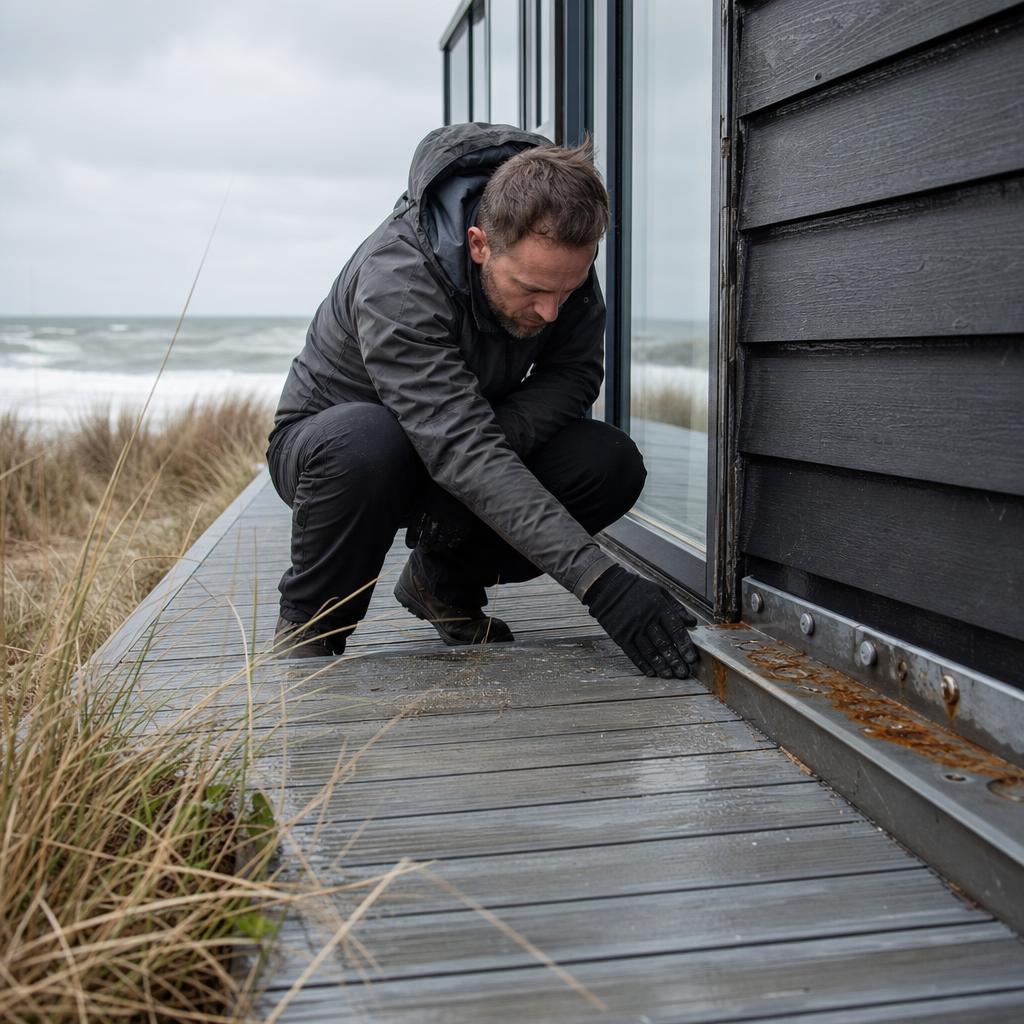
Costs and obligations differ from traditional bricks-and-mortar seaside houses. Coastal parks typically charge pitch fees between £2,500 and £8,000 per year and require higher maintenance budgets. Expect to budget for salt-exposed decking maintenance and rust-prone fittings. According to industry data, coastal exposure can increase routine maintenance costs by approximately 10–30% annually.
If you want a focused start, our main site lists regional options and buying support at White Park Home, where you can filter by county and park type.
Lifestyle vs investment: Quick trade-offs
Direct answer: Choose coastal holiday homes for sale uk coast for lifestyle first, and treat income as a secondary benefit. Lifestyle buyers value access, views, and community.
Lifestyle buyers typically use their holiday home 6–12 weeks per year on average. Investors aim for higher rental nights; industry scenarios show a moderate rental lodge can achieve 80–120 let nights annually under a park-managed scheme. Therefore, clarify expected use before you buy, because finance, insurance, and tax treatments differ.
What is a coastal holiday home and how does ownership work?
Direct answer: A coastal holiday home is a non-permanent dwelling sited on a holiday park near the sea, licensed for holiday use rather than permanent residence. Ownership usually means leasehold or a licence to occupy with annual pitch fees.
Definition: A holiday home is a pre-manufactured lodge or static caravan sited in a park with an agreement covering site rules, season length, and fees. This definition helps buyers compare holiday homes for sale uk coast against permanent houses.
Ownership mechanics differ from traditional property. You buy the physical unit and a site licence; the park operator retains control over site rules and amenity access. Season lengths vary. Some parks permit stays year-round with a residential licence. However, most coastal parks operate a 10-month to 12-month season, with rules set out in the site agreement.
Finance is usually specialist. Standard residential mortgages rarely apply to holiday homes. Instead, buyers use specialist holiday-lodge finance or pay cash. Typical finance terms include shorter loan periods and higher rates than residential mortgages. According to lenders’ market data, specialist lodge loans are often priced 1–2% above standard buy-to-let rates.
Tax and rental: Rental income from holiday lettings is taxable. Yet, many owners can benefit from capital allowances or offsetting costs if the park operates a compliant letting scheme. Research indicates that owners using park-managed rental schemes can expect occupancy improvements of 20–40% compared to unmanaged private lets.
For a deeper legal and practical comparison between holiday and residential status, see our explainer on whether you can live permanently in a lodge at Can you live permanently in a lodge in the UK.
Lease vs Licence: Why it matters
Direct answer: A lease offers long-term legal rights; a licence usually restricts occupancy and resale conditions. Always check the document before you buy.
A lease often has a defined term and clearer resale value. A licence can be revoked or modified, and it typically ties you to park rules. Independent legal review is essential. Industry practice shows solicitor checks uncover 1 in 10 contractual issues that materially affect value — so spend on legal advice.
Best coastal regions for lodge ownership (holiday homes for sale uk coast)
Direct answer: South West counties (Cornwall and Devon), South East (Kent and Hampshire), and the East Coast (Lincolnshire and Norfolk) are top choices for holiday homes for sale uk coast. Each offers different price points and demand profiles.
Why these regions top lists: Cornwall and Devon are lifestyle and premium markets. Cornwall sees strong holiday demand year-round, with summer occupancy often exceeding 80% in popular parks. The South East, including Kent and Hampshire, benefits from London proximity and delivers quicker weekend access for owners. The East Coast, particularly Lincolnshire and Norfolk, offers lower entry prices and steady family demand.
Cornwall commands a premium. Average holiday lodge prices in desirable Cornish parks range from £120,000 to £450,000, with luxury units above £500,000 in boutique parks. Approximately 25–35% of coastal buyers prioritise Cornwall for scenery and food culture, meaning competition for high-quality pitches is strong.
Kent and Hampshire present a mid-range option. Holiday homes for sale uk coast in Kent often price 15–30% lower than prime Cornish parks, but they deliver higher off-season short-break demand because of commuter access from London. For example, mid-range lodges in Kent can start around £80,000–£220,000.
On the East Coast, you can find entry-level holiday homes from as low as £45,000 to £120,000. Occupancy is more seasonal, but running costs and pitch fees are typically 10–40% lower. According to market listings, cheaper coastal towns often yield lower capital growth but higher yield percentages when rented.
For Cornwall-specific guidance and park lists, see our Cornwall buying guide at Holiday lodges for sale Cornwall. For Kent-focused parks, review our Kent page at holiday homes for sale Kent.
County comparison: value, demand and typical buyer
Direct answer: Cornwall is value-luxury, Kent is convenience-lifestyle, and the East Coast is budget-friendly. Match county to your priorities.
Cornwall attracts buyers wanting premium coastal lifestyle and long-term capital growth. Kent appeals to weekend buyers and commuters. Lincolnshire and Norfolk suit price-sensitive buyers who prioritise rental yield over capital growth. Industry figures suggest approximately 40% of first-time lodge buyers target the South West, 30% the South East, and 30% other regions.
Coastal park considerations (holiday homes for sale uk coast)
Direct answer: Coastal parks require extra maintenance, higher insurance costs, and stricter building standards due to wind and salt exposure. Evaluate construction standards, decking material, and maintenance plans before you buy.
Salt and wind: Holiday homes for sale uk coast need coastal-grade materials. Research indicates coastal exposure can accelerate corrosion, increasing maintenance spend by roughly 10–30% versus inland parks. Choose composite decking, marine-grade fixings, and stainless-steel fittings to reduce long-term costs.
Insurance and warranties: Insurers often charge higher premiums for coastal lodges. Typical coastal lodge insurance premiums run 5–25% above inland equivalents, depending on exposure and claims history. Confirm whether the park’s warranty covers coastal-specific issues and whether the unit has manufacturer corrosion protection.
Site orientation and landscaping: Park microclimate matters. A south-facing pitch with dune shelter will suffer less wind damage and often commands a 5–15% price premium. Check boundary planting and windbreak plans. Parks that have invested in shelter belts report lower wind-related complaints and reduced maintenance calls.
Amenities and access: Coastal parks with onsite leisure, dog-friendly beaches, and on-park restaurants deliver higher occupancies. According to operator data, parks with at least three paid amenities can see occupancy rates 15–25% higher than basic parks.
Survey and snagging: Always commission an independent pre-purchase survey. Surveys detect 1 in 6 units with warranty-affecting defects. Ask for a corrosion inspection if the pitch is directly exposed to salt spray.
For park selection tips and a checklist of 15 questions to ask, read our park selection guide at Luxury lodge parks UK.
Practical maintenance checklist for coastal sites
Direct answer: Plan for annual decking checks, paint touch-ups, and HVAC service. These tasks cut long-term costs.
Key actions: schedule a 6–12 month inspection of external cladding; replace low-grade metal fixings with marine-grade alternatives; install corrosion-resistant HVAC covers; and fit UV-resistant fabrics. Budget roughly £500–£2,000 per year for coastal-specific maintenance on a medium lodge.
Typical costs for coastal holiday homes (holiday homes for sale uk coast)
Direct answer: Expect purchase prices from £45,000 to £500,000, annual pitch fees of £2,500–£8,000, and running costs of £2,000–£7,000 per year. Factor in higher costs for coastal exposure.
Purchase price range: Entry-level static caravans on the coast can cost £45,000–£90,000. Mid-range lodges typically cost £90,000–£250,000. Luxury coastal lodges can exceed £300,000. These ranges reflect unit quality, park rating, and pitch location.
Annual running costs: Pitch fees average £3,500 per year, but top coastal parks charge up to £8,000. Utilities, insurance, and site service charges add £2,000–£4,000. Maintenance and consumables often add another £500–£2,000 annually. Altogether, total running costs commonly range from £2,500 to £10,000 each year.
Upfront and one-off costs: Transportation and siting typically cost £1,500–£6,000. Decking, steps, and landscaping may add £3,000–£15,000. Park connection fees or commissioning costs can add further expense. Finance costs vary; specialist holiday-lodge loans usually require a 10–30% deposit and have shorter terms.
Depreciation and resale: Holiday homes depreciate differently than bricks-and-mortar. On average, expect 3–8% annual depreciation on static caravans, and 1–3% on high-quality lodges. However, desirable coastal pitches can hold value or appreciate if the park invests in facilities.
Income expectations: If you plan to let, a park-managed scheme may deliver gross rental income of £6,000–£20,000 per year depending on lodge quality and nights let. After fees, realistic net returns vary widely; many owners report net yields of 2–6% before tax. For investment guidance, see our profitability analysis at Is owning a lodge profitable.
For county-specific price guides and step-by-step buying help, review our Cornwall buying process at How to buy a lodge in Cornwall.
Cost example: mid-range Cornish lodge
Direct answer: A mid-range Cornish lodge typically costs £150,000 + £4,500 annual pitch fees + £3,000 running costs.
Example breakdown: Purchase £150,000; siting and delivery £4,000; decking and landscaping £7,000; first-year running costs and fees £7,500. Total first-year cost is roughly £168,500. Over five years, with average maintenance and fees, budget an additional £25,000–£40,000 for upkeep and pitch fees.
Rules: season length, guests, pets and subletting for coastal parks (holiday homes for sale uk coast)
Direct answer: Park rules dictate season length, guest stays, pets, and subletting; they vary widely by park and region. Always confirm rules in writing before you buy.
Season length and stays: Most parks operate a defined season. Common seasons are 10 or 12 months. Some parks allow year-round occupancy under a residential licence, but this is the exception rather than the rule. Research shows around 70% of holiday parks maintain fixed seasons between March and November.
Guests and letting: Guest rules and letting policies vary. Parks often set a minimum number of owner weeks and allow hybrid income models. If you plan to sublet, check minimum commission structures; typical park commissions range from 20–40% of gross lettings. Many parks require units to be furnished and professionally cleaned to participate in a letting pool.
Pets and accessibility: Dog policies differ. Approximately 60% of coastal parks are dog-friendly, but some restrict breeds or numbers. If pet-friendly access is essential, prioritise parks with enclosed external spaces and direct beach access.
Resale and transfer: Transfer fees and resale restrictions can apply. Parks may charge a transfer or administration fee on re-sale, commonly 1–3% of the sale price or a fixed sum. Also, some parks require the park operator to approve buyers, and a failed approval can delay a sale.
Legal checks and documentation: Key documents include the site licence, pitch fee schedule, rules booklet, and recent accounts for the park operator. Always have a solicitor review the paperwork. Industry records show that legal checks uncover material issues in roughly 15% of purchases.
For detailed rules and typical pitch agreements, read our holiday lodge ownership guide at Holiday Lodge Ownership UK.
What to check in the park rules before you buy
Direct answer: Check season length, letting rules, pet policy, transfer fees and required insurance levels. These factors affect use and resale.
Checklist items: minimum owner stay, maximum guests per unit, permitted pet numbers, subletting commissions, pitch fee review clauses, and who is responsible for external repairs. If possible, ask the park for recent examples of how they applied the rules in practice.
Recommended next steps: viewings, surveys and enquiries
Direct answer: Book targeted viewings in Cornwall or Kent, commission a coastal-specific survey, and request full park documentation before making an offer. Use specialist brokers to speed the process.
Step 1: Shortlist parks and lodge types. Use county pages to filter options; for example, start with our Cornwall listings at Holiday lodges for sale Cornwall and our Kent listings at holiday homes for sale Kent. Step 2: Arrange viewings and onsite interviews. Ask parks for occupancy stats, pitch fee history, and a copy of the licence agreement.
Step 3: Commission a survey. Insist on a pre-purchase inspection that includes external corrosion checks. Surveys commonly cost £300–£900. Step 4: Check finance, tax and insurance. If you need finance, speak to lenders specialising in holiday lodges; expect a 10–30% deposit and shorter loan terms.
Step 5: Negotiate and confirm. Use findings from your survey to negotiate on siting faults, delivery costs, or snagging items. Expect to pay a deposit (typically 5–10%) on exchange. For step-by-step buying timelines and hidden costs, see our buying guide at How to buy a holiday lodge in the UK.
Useful resources and further reading: Rightmove’s seaside listings provide a macro view of coastal demand and prices (see properties for sale in seaside locations). For curated coastal property collections, Jackson-Stops’ Coast & Water pages offer market context at Coast & Water. Also consider regional holiday-home marketplaces like South West holiday parks listings when researching Cornwall and Devon.
Watch a benchmark tour of luxury coastal living to compare lodge ownership with a coastal house by viewing this Holyhead tour:
<div class="se-video" style="position:relative;padding-bottom:56.25%;height:0;overflow:hidden;margin:24px 0;">
. For a lodge-ownership perspective and park-tour comparisons, view this recommended park tour: .
How WPHG can help you find coastal holiday homes for sale uk coast
Direct answer: White Park Home Group offers curated park matches, county-specific listings, and buying support to streamline viewings and negotiation.
We provide county pages, financing introductions, and surveyor recommendations. Contact our team to arrange targeted viewings in Cornwall or Kent, and to receive a personalised costs workbook that models purchase and running costs over five years.
Key Takeaways
- Holiday homes for sale uk coast offer distinct lifestyle benefits but require coastal-specific budgets for purchase, insurance and maintenance.
- Top regions: Cornwall for premium lifestyle, Kent for London-access convenience, and the East Coast for lower entry prices.
- Budget realistically: expect purchase ranges £45k–£500k, annual pitch fees £2,500–£8,000, and running costs £2k–£7k per year.
- Always commission a coastal-focused survey, review park rules in writing, and model rental scenarios before buying.
- Use county pages and specialist brokers to arrange viewings and obtain park documentation; start with our Cornwall and Kent guides.
Frequently Asked Questions
Where is the cheapest coastal town to buy property in the UK?
Direct answer: The cheapest coastal towns are often on the East Coast, such as parts of Lincolnshire and some areas of Norfolk. These areas provide lower entry prices for seaside ownership.
Elaboration: Coastal towns in Lincolnshire and the wider East Coast typically offer holiday homes from around £45,000 to £120,000, depending on park quality and pitch. These locations have lower capital growth but can produce higher percentage rental yields. When choosing a cheaper coastal town, check transport links, seasonal demand, and park investment plans because these factors influence occupancy and resale.
Where is the best place to buy a holiday home in the UK?
Direct answer: The best place depends on your priorities: Cornwall for premium lifestyle, Kent for weekend access, and Lincolnshire/Norfolk for value-led buys.
Elaboration: If you prioritise scenery and higher long-term demand, Cornwall and Devon are top choices. For convenience and short breaks from London, Kent and Hampshire excel. For lower purchase prices and potentially better yields, look to East Coast parks. Always match park amenities, pitch exposure, and rules to your intended use.
Where is the nicest but cheapest place to live in the UK?
Direct answer: ‘Nicest but cheapest’ coastal living is typically found in smaller East Coast towns where natural beauty meets lower property costs.
Elaboration: Towns in Norfolk and Lincolnshire offer attractive coastlines, sand dunes, and quieter communities at lower prices than the South West. If you need both day-to-day services and coastal access, prioritise towns with rail links or major road access. Also consider seasonal job markets and healthcare access if you plan extended stays.
Is it worth buying a holiday home in the UK?
Direct answer: Buying a holiday home in the UK can be worth it for lifestyle value and moderate income, but it requires realistic expectations on costs and returns.
Elaboration: Many buyers rate the non-financial value — wellbeing, family time, and convenience — highly. Financially, returns vary: net yields commonly fall between 2–6% after fees, and depreciation affects resale. If you plan to use the unit frequently and finance conservatively, a holiday home can be a strong lifestyle purchase. If your primary goal is investment, run conservative occupancy models and consult our profitability guide at Is owning a lodge profitable.
Enquire now