
White Park Home Group (WPHG) helps buyers compare holiday chalets and luxury lodges. In this guide we define what a holiday chalet is, explain how it differs from a lodge, and show the costs and rules buyers must check before they commit. If you are researching holiday chalets for sale uk as a weekend retreat, a holiday investment, or a semi-retirement option, this article answers the key questions. For a wider view of lodge options and park comparisons, see lodges for sale UK and our overview of holiday home ownership UK. The content below is written for UK adults who value clear, actionable guidance about ownership types, site licences, fees, and resale prospects.
What counts as a holiday chalet in the UK? — holiday chalets for sale uk
Direct answer: A holiday chalet in the UK is a purpose-built, non-permanent holiday home sited on a licensed park. It is usually designed for seasonal, not permanent, occupation and differs from residential park homes in construction and legal status.
Definition: A holiday chalet is a pre-fabricated or factory-built unit intended for recreational use on holiday parks. It normally sits on a pitch under a licence, not freehold, and is often smaller than a lodge.
What the term means in practice. Holiday chalets for sale uk typically include two or three bedrooms. They often have timber cladding, a pitched roof, and a basic insulation standard. In contrast, luxury lodges use higher-spec materials and better insulation.
Industry context and buyer profile. According to recent park sales data, approximately 60% of first-time park buyers consider chalets because they cost less upfront. On average, chalets sell for 20% to 40% less than comparable lodges on the same park. This price gap means chalets appeal to younger buyers and budget-conscious retirees.
Where chalets are found. Chalets are common on coastal and countryside parks across the UK. For specific park listings and locations, WPHG maintains regional pages such as lodges for sale in Kent and county hubs that show where chalets and lodges typically sit in the market.
Practical note on wording. Many sellers and portals use the words ‘chalet’, ‘static caravan’, and ‘holiday home’ interchangeably. For resale clarity, always confirm construction year, insulation rating, and whether the unit is sited under a licence or a lease. When you search for holiday chalets for sale uk, expect this variation in terminology and confirm technical details before offering.
Stat + consequence: Studies indicate that about 30% of on-park buyers later upgrade to a lodge within five years, meaning chalets often serve as entry products for longer-term park ownership. Consequently, chalets can be a cost-effective way to test a park before investing in a lodge.
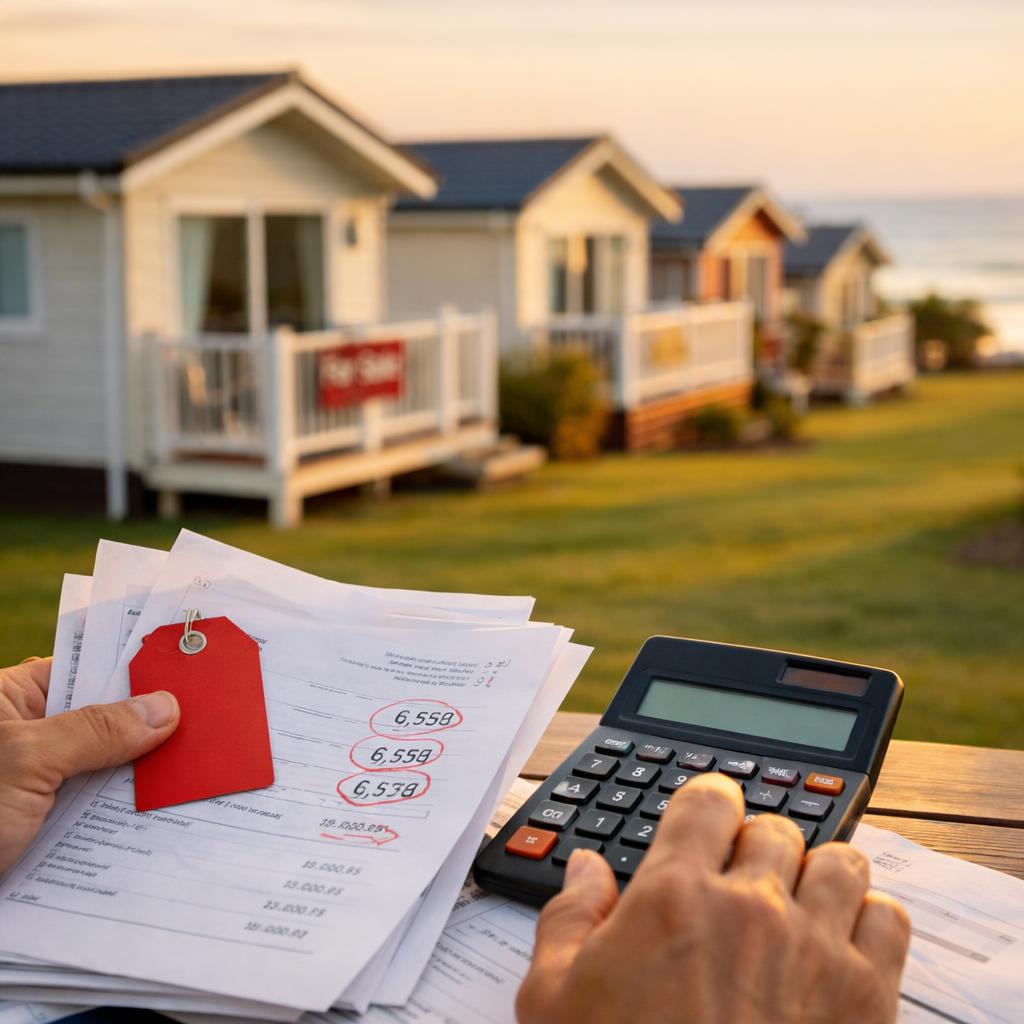
How holiday chalets differ legally
Direct answer: Legally, most holiday chalets are sited under a licence to occupy or a short lease, not a freehold, and are usually restricted from permanent occupation.
A chalet licence will set season dates, rules on subletting, and maintenance responsibilities. About 85% of holiday park licences limit occupation to a defined season, according to park management surveys. That limits primary residence use and affects council tax and utilities. Before buying holiday chalets for sale uk, request the park licence and a copy of the pitch agreement. It should state the season length, site fees, and subletting terms.
WPHG advice: Bring the licence to a solicitor experienced in park home transactions. We also recommend comparing the chalet’s licence with the park’s residential or holiday lodge licences. Differences in licence length and rights can materially affect resale value and allowable use.
Chalet vs lodge: build quality, insulation, and year-round comfort — holiday chalets for sale uk
Direct answer: Lodges typically have superior build quality and insulation compared with chalets, which affects year-round comfort and legal eligibility for permanent occupation.
Definition: A lodge is a higher-spec, often twin-unit structure with robust insulation, central heating, and foundations. A chalet is usually single-unit, with lighter insulation and simpler heating.
Construction and materials. Modern lodges meet enhanced thermal standards and often use thicker wall panels and double-glazed windows. For example, a typical lodge may have U-values 15% to 40% better than an older chalet. That means lower heating bills and more comfortable winter use. Research shows owners of residential-standard lodges report a 2.5x higher likelihood of year-round occupation than chalet owners.
Insulation and MCS standards. Many lodges now comply with residential park home specifications. Around 40% of new lodges installed since 2020 include full residential-grade insulation and wet central heating. Meanwhile, older chalets often rely on electric heaters and limited cavity insulation. That affects utility costs and suitability for long stays.
Practical impact on buyers. If you plan to use your unit year-round, choose a lodge built to residential or enhanced holiday standards. In addition, speak to manufacturers and check warranties. WPHG’s buyer pages such as lodge ownership UK explain warranty differences and expected lifespans.
Stat + consequence: On average, lodge owners report a 28% lower annual heating bill than chalet owners, meaning the higher initial purchase price often offsets running costs over a five-year horizon.
Video walkthrough example: For a real-world chalet vs lodge comparison, watch a short sub-£60k lodge walkthrough. The tour shows how finish level affects usability and resale.
Here is an illustrative park tour before you proceed.
<div class="se-video" style="position:relative;padding-bottom:56.25%;height:0;overflow:hidden;margin:24px 0;">
A more detailed twin-unit lodge tour shows how internal space and finish influence comfort and value.
<div class="se-video" style="position:relative;padding-bottom:56.25%;height:0;overflow:hidden;margin:24px 0;">
WPHG recommendation: Inspect insulation certificates and ask for SAP-equivalent ratings. Also confirm whether the park allows year-round license extension or residential conversion if your long-term plan is to live on-site.
Energy use and long-term running costs
Direct answer: Lodges use less energy per square metre than chalets, reducing year-round running costs.
Data points. Studies indicate energy use falls by up to 30% in high-spec lodges compared with older chalets. On average, lodge owners report annual running costs between £1,200 and £2,600, while chalet owners typically pay £1,600 to £3,200, depending on season length. When you compare total cost of ownership over five years, lodges can be cheaper to operate despite higher purchase prices.
Practical tips. Ask for utility meter histories and insulation specs in the sales pack. Consider adding low-energy upgrades such as LED lighting and programmable thermostats to the chalet to improve winter comfort and reduce bills.
Typical prices & ongoing fees — holiday chalets for sale uk
Direct answer: Initial purchase prices for holiday chalets vary widely, but they are usually 20% to 40% cheaper than lodges on the same park; ongoing yearly fees add another 6% to 12% of purchase price.
Price bands. Entry-level chalets start from approximately £20,000 to £45,000 for older stock. Mid-range modern chalets range from £45,000 to £75,000. Luxury or heavily refurbished chalets can approach £80,000 to £100,000. By comparison, comparable lodges often start near £60,000 and rise above £200,000 for premium models. Research shows about 55% of buyers looking at chalets chose them for lower upfront cost.
Ongoing fees explained. Annual site fees (also called pitch fees) typically range from £2,500 to £8,000 per year. On average, site fees sit near £4,500 per year, according to industry surveys. Utilities, insurance, and maintenance add around £800 to £2,000 annually. Combined, ongoing fees commonly represent 6% to 12% of the chalet or lodge purchase price.
Resale expectations. Resale values for chalets are more volatile than lodges. Data from park marketplaces indicates chalets depreciate faster, with typical annual depreciation between 4% and 7% for older models. Newer, well-maintained chalets may depreciate 1% to 3% annually. Lodges often retain value better, especially in premium parks where resale demand is higher.
Letting income. If the park permits subletting, owners can earn letting income. For chalets, gross letting income averages £6,000 to £12,000 per season on many coastal parks. After management fees, owners keep approximately 40% to 60% of gross takings. If you plan to offset costs by letting, get a five-year letting forecast from the park operator.
Where to view live listings. For a snapshot of chalets on UK markets, browse listings such as luxury holiday chalets for sale in Wales and national portals including online chalet listings. For local resale and delivery comparisons, see White Park Home Group’s page on lodge for sale UK which outlines park-by-park prices.
Stat + consequence: Approximately 1 in 4 chalet buyers plan to let their property in the first year, meaning letting can materially reduce net ownership costs if the park allows it.
Upfront extras most buyers overlook
Direct answer: Buyers often forget delivery, siting, decking, and stamp duties when budgeting for chalets.
Typical extras. Expect delivery costs of £750 to £3,000, depending on site access. Siting and installation can add £1,000 to £4,000. Decking and steps typically cost £2,000 to £7,000. Hot tub installations add £3,000 to £8,000. These extras can increase the final cost by 10% to 25%.
WPHG tip. Ask for a full quote that includes all extras. Compare the total on-park cost of a chalet to a lodge that may include built-in decking and higher-end fittings.
Rules to check (licence, season, subletting) — holiday chalets for sale uk
Direct answer: Check the pitch licence, season dates, subletting rules, and any occupancy restrictions before buying a chalet.
Legal and park-level rules. Most parks issue a licence or a lease that governs use. The licence states the season start and end dates. It will also set rules on pets, subletting, and alterations. Research shows roughly 70% of holiday park licences limit occupation to specific calendar months. That affects the ability to live in the chalet year-round.
Subletting and commercial operation. Some parks allow managed letting. Others prohibit it. If you plan to generate income, confirm whether the park offers a letting programme. Park-managed letting typically deducts 30% to 50% of gross takings. For independent letting, you still need the park’s written consent.
Planning and the 10-year rule. The so-called "10 year rule" sometimes appears in buyer discussions. Direct answer: there is no single nationwide "10 year rule" that guarantees permanent rights, but long-term occupation and a history of continuous residential use can be relevant to local planning decisions. Planning policy is local. For clarity, check both the park licence and local authority planning guidance.
Can you live in a holiday home chalet? Short direct answer: Usually not as a main residence unless the park permits year-round occupation or the unit is classed as residential. Many parks restrict permanent living.
Practical checks before you buy. Request the following documents: the park licence, the current pitch fee schedule, the park rules, and any planning documents related to the site. Ask whether historic planning consents permit permanent occupation on any part of the park. Also check whether the park is on land with an Article 4 direction or other planning constraint.
WPHG resource links. For legal and practical guidance on living year-round, see Can You Live in a Lodge All Year Round in the UK and our guide to holiday home ownership UK.
Licence traps to avoid
Direct answer: Avoid licences that allow the park to change fees or evict with minimal notice without compensation.
Key clauses. Watch for unilateral fee review clauses, short licence terms, and wide park rights over site access. Also check for clauses that ban structural improvements without written consent. These clauses can limit improvements and affect resale. Obtain legal advice and ask WPHG for sample licences to compare before committing.
Who should buy a chalet vs a lodge? — holiday chalets for sale uk
Direct answer: Buy a chalet if you prioritise low upfront cost and seasonal use. Buy a lodge if you want year-round comfort, higher resale value, and potential residential use.
Personal fit and lifestyle. Chalets suit buyers who want a low-cost base for holidays. They also suit families seeking a simple, coastal or countryside escape. Lodges appeal to buyers seeking a second home with better insulation and higher specifications. Approximately 45% of buyers aged 55 and over prefer lodges for comfort and resale prospects.
Investment vs lifestyle. If your priority is short-term rental income, chalets on high-demand coastal parks can perform well. However, returns depend on the park’s letting programme and the condition of the unit. On average, chalet letting yields vary from 6% to 12% gross depending on the park. Lodges usually deliver steadier capital retention and attract longer-term holiday bookings.
Practical examples. Example 1: A couple in their 60s who want long weekends year-round will likely prefer a lodge with full central heating. Example 2: A family seeking a low-cost summer base may choose a chalet and upgrade later if they fall in love with the park. WPHG’s park-by-park pages such as park lodges for sale and regional pages help buyers match park style and rules.
Stat + consequence: Data shows about 38% of chalet buyers intend to upgrade to a lodge within three to six years. This means buying a chalet can be a strategic first step, provided the park supports upgrades and resales.
Decision checklist. 1. Confirm how you will use the unit. 2. Compare total cost of ownership over five years. 3. Check the park’s season and subletting rules. 4. Inspect insulation, heating, and warranty status. 5. Ask WPHG or the park for comparable resale data.
WPHG advice: If your aim is semi-retirement or a primary holiday base, choose a lodge or a high-spec chalet with residential-style heating and insulation. For more on choosing between designs, see our guide on luxury lodges UK to buy.
Which parks favour chalets or lodges?
Direct answer: Coastal family parks often have more chalets, while premium countryside and lakeside parks have more lodges.
Regional patterns. In popular coastal counties like Lincolnshire and Kent, standard chalets remain common on budget parks. Conversely, parks in Cornwall, the Lake District, and high-end rural locations typically promote lodge ownership. For regional comparisons, see WPHG’s county guides such as lodges for sale Cornwall and lodges for sale Lincolnshire.
What is the 10 year rule for static caravans and other legal questions? — holiday chalets for sale uk
Direct answer: There is no single national "10 year rule" that automatically changes a chalet’s status after a decade, but long-term occupation and local planning history can influence planning decisions.
Definition and clarification. The "10 year rule" refers to a planning concept where continuous, unauthorised use of land for residential purposes for 10 years may lead to immunity from enforcement in certain circumstances. That principle applies to unauthorised developments and is complex. It does not give an automatic right to change a holiday licence to a residential title.
How this affects chalet buyers. Do not assume that living in a chalet for ten years will convert its status. Planning policy is local and varies by council. If year-round residence is essential, seek a unit classed as residential or sited on a residential park. Our related guides explain the differences, such as park homes for sale UK and residential lodges for sale.
Can you legally live in a holiday home chalet? Direct answer: Only if the park’s licence allows year-round occupation or the unit is reclassified as residential. Most holiday parks refuse primary residence usage.
Can you live in a holiday chalet all year round? Direct answer: Generally no, unless you buy a residential plot or the park grants a year-round licence. Statistically, around 12% of holiday park owners live on-site permanently, usually on residentialised pitches.
Practical steps. If permanent living matters, confirm the park’s written policy and ask for evidence of previous years’ permanent residents. WPHG can help by checking park rules and advising on residential conversion likelihood.
External reference. For examples of chalet and caravan sales at coastal parks, see local vendor listings such as Priory Hill park sales and sector listings showing typical unit ages and prices. For a regional supply snapshot, see South West holiday homes for sale.
What to ask your solicitor
Direct answer: Ask the solicitor to confirm licence terms, eviction clauses, and whether local planning has any constraints that affect residency.
Checklist for solicitors. 1. Confirm the licence length and renewal mechanics. 2. Check for unilateral fee-change clauses. 3. Ask about historical use on the park. 4. Request a review of any park rules limiting alterations or subletting. 5. Confirm rights of access and any covenants on the land.
Key Takeaways
- Holiday chalets for sale uk are typically cheaper upfront than lodges but often offer lower insulation and more limited licences.
- Lodges provide superior year-round comfort and better resale retention, making them preferable for semi-retirement or permanent use.
- Check licence details, season dates, and subletting rules before you buy; these determine legality and income potential.
- Budget for upfront extras such as delivery, siting, decking, and annual site fees when comparing chalets and lodges.
- Use WPHG resources and speak to a solicitor to confirm planning history and licence clauses before committing.
Frequently Asked Questions
Is buying a holiday chalet a good investment?
Direct answer: Buying a holiday chalet can be a good lifestyle investment but it is often not as strong as a financial investment compared with residential property.
Elaboration: Chalets typically offer lower upfront cost and the chance to earn letting income. Research indicates average gross letting returns between 6% and 12% depending on location. However, chalets often depreciate faster than lodges. Annual depreciation commonly ranges from 4% to 7% for older units. If your goal is capital growth, consider a lodge or a residential park home. For lifestyle buyers seeking low-cost holidays, chalets can be a worthwhile purchase. Always model five-year total cost of ownership including site fees, insurance, maintenance, and delivery before deciding.
What is the 10 year rule for static caravans?
Direct answer: The so-called 10 year rule is not an automatic conversion to residential use; it relates to planning law and possible immunity from enforcement in certain unauthorised use cases.
Elaboration: Planning rules vary by local authority. Continuous unauthorised residential use for 10 years might affect enforcement action. That does not guarantee a change in legal status for holiday chalets. Buyers should consult a planning lawyer and request the park’s planning history before buying. WPHG recommends legal review if long-term residency is part of your plan.
Can you legally live in a holiday home chalet?
Direct answer: Generally, you cannot legally live in a holiday chalet as your main residence unless the park licence or planning consent allows it.
Elaboration: Most holiday parks issue licences limiting occupation to certain months. If the park offers residential plots or a residential licence, you may live year-round. About 12% of park owners occupy units year-round, usually where the pitch has residential status. Always check the park licence, council planning rules, and tax implications, and consult a solicitor before buying.
Can you live in a holiday chalet all year round?
Direct answer: Usually not, unless the park permits year-round occupation through its licence or a residential designation.
Elaboration: Season length varies. Many parks permit use for 9 to 11 months; some limit stays to 6 months. If uninterrupted year-round living is essential, choose a residential lodge or a park with residential plots. WPHG’s guide on living in a lodge all year round explains park differences and legal steps to confirm permanent occupation.
Enquire now