
Buying a lodge UK can be a smart move, but only if you treat it like a property purchase with specific rules. The right lodge can give you a relaxed countryside base, a holiday escape, or a longer-term lifestyle change. However, the details matter just as much as the setting. You need to understand whether the lodge is for holiday use or residential living, what the park allows, how site fees work, and which legal checks protect you. This guide explains buying a lodge UK step by step, so you can compare options with confidence and avoid common mistakes. If you are also exploring broader lodge ownership costs, you may find our lodge ownership costs UK guide useful alongside this article. For buyers who want a practical overview of the purchase route, our step-by-step lodge buying process page is a helpful companion resource.
What is buying a lodge UK and how does the purchase process work?
Buying a lodge UK means purchasing a lodge-style home on a park or development, then following the rules that apply to that site. In most cases, the process is simpler than buying a freehold house, but it is also more specialised. You are not just choosing a property. You are also choosing a park, a licence type, a lifestyle, and a long-term cost structure.
The safest way to approach buying a lodge UK is to start with the use case. Decide whether you want holiday use, investment use, or residential living. Then check the park’s rules, the lodge’s build standard, and the site agreement. After that, review fees, insurance, warranty cover, and any resale restrictions. This is where buyers often save money later. A lodge that looks right on the day can become expensive if the park terms do not suit your plans.
For buyers comparing regions, it can also help to look at real locations early. For example, our lodges in Cambridgeshire page shows how location, setting and park style can shape the ownership experience. If you want a wider feel for lifestyle and amenities, that kind of location page is a good starting point.
You should also compare the lodge route with broader ownership guidance from established sources. Woodland Park’s guide to buying a holiday lodge is a useful external reference for first-time buyers, while Sykes Cottages’ holiday lodge to let guide is helpful if you are considering rental income. In addition, some buyers like to watch a real-world discussion first. This first-hand lodge lifestyle conversation from Leigh & Nick | The Lodge Guys is useful for understanding the practical upsides and trade-offs:
<div class="se-video" style="position:relative;padding-bottom:56.25%;height:0;overflow:hidden;margin:24px 0;">
Buying a lodge UK works best when you treat it as a structured decision. That means asking the right questions early, not after you have fallen in love with the view.
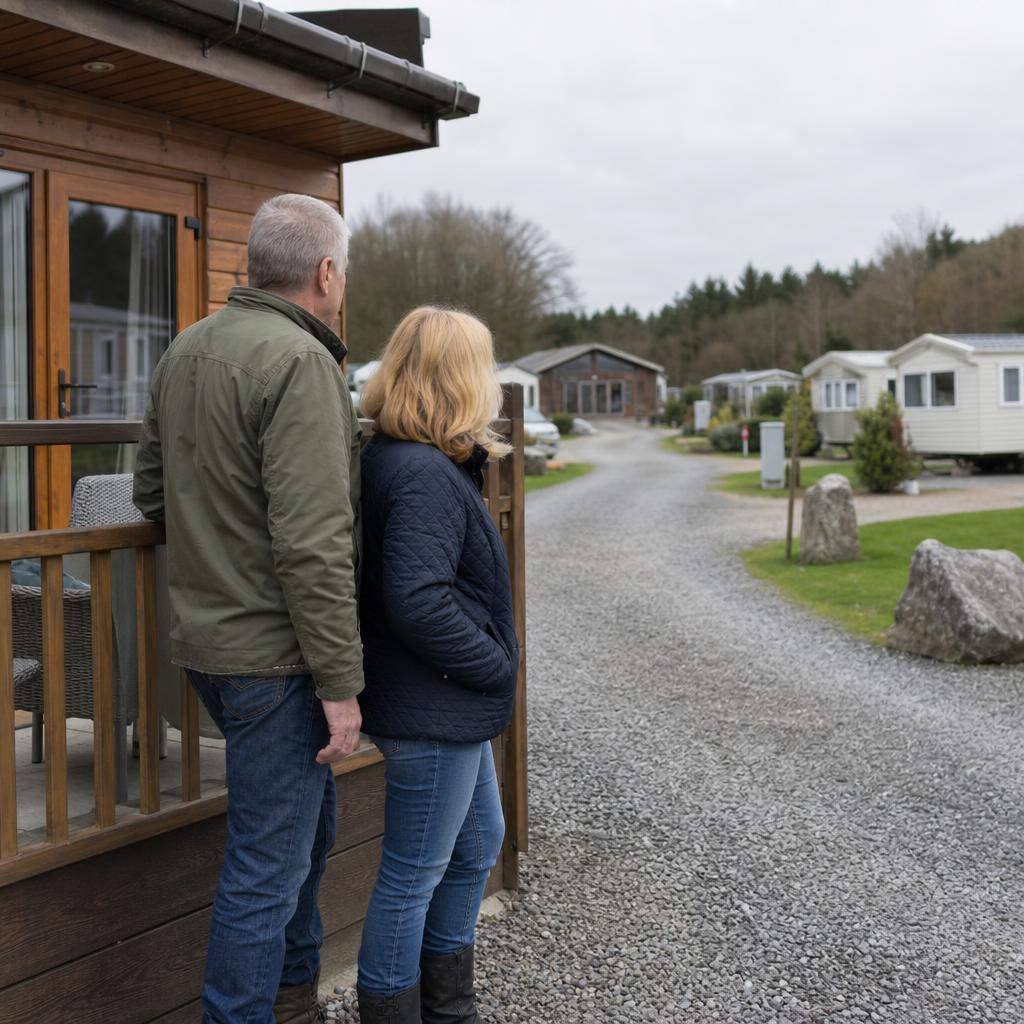
What happens first when you start buying a lodge UK?
The first step is usually a viewing or enquiry, followed by a discussion about use type and park rules. After that, you compare lodge models, site fees, and contract terms before reservation or exchange.
Step 1: Choose holiday or residential use when buying a lodge UK
This is the most important decision in buying a lodge UK. Holiday lodges and residential lodges are not the same, and the rules are different. If you choose the wrong one, you may face restrictions on year-round occupation, mortgage options, insurance, and resale.
Holiday lodges are usually designed for leisure use. That means they are often tied to park rules about how long you can stay, whether you can use the lodge as a main home, and whether you can rent it out. Residential lodges are different. They are intended for permanent living and must sit on an appropriate residential site with the right permission and licence structure.
If you want to live in a lodge all year, read our can you permanently live in a lodge in the UK guide before you proceed. It explains the holiday-versus-residential issue in plain English. Similarly, our holiday lodge ownership rules in the UK page is useful if you are buying for leisure or mixed use.
This choice also affects your finances. A holiday lodge may suit lifestyle buyers or those seeking an occasional retreat. A residential lodge may suit downsizers or retirees who want a lower-maintenance home. Therefore, you should match the lodge to your actual plans, not your idealised version of them.
<div class="se-video" style="position:relative;padding-bottom:56.25%;height:0;overflow:hidden;margin:24px 0;">
Before you sign anything, ask the park to confirm the permitted use in writing. That simple check can prevent expensive misunderstandings later. Buying a lodge UK is far easier when the intended use is clear from day one.
Can you live permanently in a lodge in the UK?
Only if the lodge is on a site that allows permanent residential occupation. Holiday-only lodges are not suitable for year-round main-home living, even if they feel comfortable and well built.
Step 2: Compare locations and park rules before buying a lodge UK
The park is just as important as the lodge. In buying a lodge UK, the site rules, licence terms and community setup can influence day-to-day enjoyment as much as the building itself. A great lodge in the wrong park can become a poor purchase.
Start by checking access, local amenities, surrounding attractions and the type of owners already on site. Then review the park rules carefully. Look for restrictions on pets, subletting, appearance, guest stays, decking, external storage and upgrades. These points matter because they shape how flexible the ownership will be.
Location also affects long-term appeal. Scenic and well-connected areas often attract a broader group of future buyers or holidaymakers. If you are comparing regional options, our internal location pages can help. For example, park homes in Cornwall suit buyers who want coastal living, while park homes in Kent appeal to those looking for countryside access with good transport links. For buyers considering a quieter inland retreat, park homes in Derbyshire can be a useful comparison point.
Park rules should never be skimmed. Read the agreement and ask what happens if the park changes ownership, raises fees, or updates its policies. Also ask whether the lodge can be sold privately later or only through the park’s process. Those details affect both flexibility and exit strategy.
Buying a lodge UK is easier when you compare lifestyle fit and rule fit together. In practice, that means choosing a site with the right permissions, the right atmosphere, and the right level of freedom for your plans.
What should you look for in park rules?
Focus on occupancy, letting, pets, structural changes, guest use, and resale conditions. These rules often matter more than decorative features.
Step 3: Review lodge specifications before buying a lodge UK
Lodge specifications tell you whether the property will suit your lifestyle and hold up well over time. In buying a lodge UK, this means checking construction quality, insulation, heating, layout, storage and appliances rather than focusing only on appearance.
A practical review should include the following:
– Size and room layout
– Build standard and materials
– Heating type and energy efficiency
– Double glazing and insulation
– Kitchen and bathroom specification
– Furniture package, if included
– Outdoor space, decking and parking
Think about how you will actually use the lodge. For example, a buyer planning long weekends may prefer an open-plan social space. A retiree may prioritise easy access, a walk-in shower and lower maintenance. Meanwhile, a buyer looking for family holiday use may need extra sleeping space and durable finishes.
You should also ask which items are included in the asking price. Some lodges are sold turnkey, while others are priced more attractively but require extra spend on furnishing, decking or landscaping. Therefore, a lower headline price is not always the better deal.
If you are comparing lodge types more broadly, our lodge homes for sale guide can help you understand how layouts and plot choice affect value. You can also review our static lodges for sale in the UK page to see how different lodge formats compare.
Buying a lodge UK should never be rushed at the visual stage. Good specification checks protect comfort, running costs and future resale appeal.
Which lodge features matter most?
The most important features are insulation, heating, build quality, layout, and included extras. These determine comfort and ongoing cost more than décor alone.
Step 4: Understand pricing, deposits and site fees when buying a lodge UK
Price is only one part of buying a lodge UK. You also need to understand deposits, site fees, utilities, insurance, maintenance and any park-specific charges.
The asking price covers the lodge itself. However, many buyers underestimate the ongoing costs. Site fees or pitch fees can be a meaningful part of the budget, and they usually cover the use of the pitch, park upkeep and shared services. For a clear breakdown, our park home site fees page explains what owners typically pay for. You may also find our how much does it cost to live in a park home in the UK guide useful if you want to compare ownership styles.
Ask whether fees are fixed, reviewed annually, or linked to a specific formula in the agreement. Also check what is included. For example, some parks include grounds care or waste collection, while others bill those separately. In addition, ask about council tax or business rates only if the lodge’s legal use makes them relevant. Do not assume one arrangement applies to every site.
Deposit terms also matter. Some parks will take a reservation fee before contracts are issued. Make sure you understand whether that fee is refundable and under what conditions. Then ask for a full written breakdown before you commit.
If you want a wider view of ownership costs, the UK Government’s general consumer guidance on purchase commitments can help you approach fees more carefully, and your solicitor should explain every line that applies to your site agreement. Buying a lodge UK is most successful when the price you see is not the only price you consider.
Is buying a lodge a good investment?
It can be, but only for the right buyer and the right site. Lifestyle value is often the main return, while rental income or resale value depends on location, park rules and demand.
Step 5: Check legal, warranty and insurance details when buying a lodge UK
Legal checks are essential in buying a lodge UK because the ownership structure is more specialised than a standard house purchase. You need to know what you are buying, what rights come with it, and what restrictions apply.
First, confirm whether the lodge is sold as chattel, leasehold, or under another site-specific arrangement. Then check the park agreement, licence terms and ownership documents carefully. A solicitor who understands lodge and park home transactions can help you review these details. The legal guidance from our do I need a solicitor to buy a lodge resource explains why specialist conveyancing support matters.
You should also ask about warranty cover. New lodges may come with a manufacturer’s warranty, but the length and scope vary. Check what is covered for structure, appliances and installation. If the lodge is pre-owned, ask for service records and evidence of any repairs or upgrades.
Insurance is another key check. Holiday and residential use usually require different policies, so you must insure the lodge correctly for its permitted use. Ask the park whether it has minimum insurance requirements and whether they need to be named on the policy.
As for stamp duty, the answer depends on the transaction structure. Some lodge purchases do not attract stamp duty in the way a standard house purchase does, but the rules can depend on the exact ownership model. For a plain-English overview, Park Holidays’ guide on whether you pay stamp duty when you buy a lodge is a useful reference point. However, you should always confirm the treatment with your solicitor before you exchange.
Buying a lodge UK becomes much safer when legal status, warranty cover and insurance are checked together rather than in isolation.
Do I need a solicitor to buy a lodge?
Yes, in most cases it is wise to use a solicitor. They can review the site agreement, confirm ownership rights and explain any occupancy or resale restrictions.
Step 6: Arrange viewing and completion before buying a lodge UK
A proper viewing is where buying a lodge UK moves from research to reality. It is your chance to test the feel of the lodge, inspect the site and ask practical questions before you commit.
During the viewing, check natural light, noise levels, access, storage and the condition of the exterior. Walk the park too. Look at road surfaces, maintenance standards and how well-kept the communal areas are. If the park looks neglected, that may be a warning sign about management quality.
Bring a checklist and use it. Ask about service charges, response times for repairs, resale support and any restrictions on future upgrades. If you are considering rental use, confirm that subletting is allowed and ask how bookings are managed.
Before completion, make sure you receive every agreed document in writing. That includes the sales specification, park rules, warranty information, fee schedule and any promises made during the sale. Verbal assurances are not enough.
For some buyers, it helps to compare lodge ownership with the broader lifestyle market first. Our lodge living UK guide explains what day-to-day life can feel like in a lodge community. That perspective often helps buyers decide whether the purchase suits their routine.
Buying a lodge UK should feel calm at completion. If anything is unclear, pause and ask for clarification before you sign. A good seller will welcome careful questions.
What should you ask at the final viewing?
Ask what is included, what the annual fees cover, how repairs are handled, whether the lodge can be resold easily, and whether any written promises will be added to the contract.
Common mistakes first-time buyers make when buying a lodge UK
First-time buyers often make the same avoidable mistakes in buying a lodge UK. The good news is that most of them are easy to prevent.
The biggest mistake is choosing a lodge before checking the rules. Buyers may fall for the setting, then discover the park is holiday-only or has strict occupancy limits. Another common mistake is focusing on the lodge price while ignoring site fees and running costs. That can distort the real budget.
A third mistake is failing to compare parks. Two lodges may look similar, but their licences, fees and resale conditions can be very different. In addition, some buyers skip the legal review because the process looks simple. That is risky. Lodge ownership is specialised, and the paperwork matters.
Here are the key mistakes to avoid:
– Buying before confirming holiday or residential use
– Ignoring the park agreement and licence terms
– Underestimating site fees and ongoing charges
– Skipping specialist legal advice
– Assuming all lodges can be lived in permanently
– Not checking warranty, insurance and resale rules
If you want a practical support page to share with family or advisors, our how to buy a lodge in the UK guide is a strong companion resource. It reinforces the main checks in a simpler format.
Buying a lodge UK is not difficult when you approach it methodically. It becomes difficult when you rush the emotional part and ignore the paperwork. Slow down early, and you reduce risk later.
What is the biggest mistake to avoid?
The biggest mistake is buying without confirming the lodge’s permitted use. If the park rules do not match your plans, the property may not suit you at all.
Lodge buying checklist for buying a lodge UK
A simple checklist keeps buying a lodge UK organised and reduces the chance of missed details. Use it before reservation, before legal review and again before completion.
Your checklist should include:
– Confirm whether the lodge is holiday or residential use
– Read the park rules and licence terms
– Check site fees, utilities and any extra charges
– Review the lodge specification and inclusions
– Ask about warranty and insurance
– Confirm whether subletting is allowed
– Check resale conditions and transfer rules
– Instruct a solicitor if the purchase is not fully straightforward
– Request all terms in writing
– Compare the lodge with other relevant location pages and park options
If you are still comparing lifestyle destinations, exploring regional pages can help you narrow the shortlist. Buyers often compare scenic parks, access to amenities and long-term ownership comfort before deciding. For example, a location-led search may start with holiday homes in Cambridgeshire or move toward broader luxury lodges UK for sale options.
Buying a lodge UK works best when every box is checked before money changes hands. That discipline protects both lifestyle and value.
How should you use this checklist?
Use it as a pre-offer and pre-completion tool. If any item is unclear, pause and ask for written clarification before progressing.
FAQs about buying a lodge UK
These are the questions buyers ask most often when buying a lodge UK. The short answers come first, so you can get the key point quickly. After that, the extra detail helps you decide with confidence.
If you are still comparing ownership models, our residential park homes vs lodges page is another useful reference for understanding the difference between holiday and residential living.
Key Takeaways
- Buying a lodge UK is safest when you confirm holiday or residential use before anything else.
- Park rules, site fees, warranty cover and resale conditions can matter as much as the lodge itself.
- A solicitor is strongly recommended because lodge ownership is more specialised than a standard home purchase.
- Stamp duty depends on the legal structure, so buyers should always confirm the position before exchange.
- The best lodge purchase matches lifestyle, budget and park rules, not just location or décor.
Frequently Asked Questions
Is buying a lodge a good investment?
It can be, but not for every buyer. Buying a lodge UK is often strongest as a lifestyle purchase first, with investment potential depending on location, permitted use, site quality and resale demand. If you want rental income, check whether letting is allowed and whether the numbers still work after fees.
Do you pay stamp duty when you buy a lodge?
Not always. Some lodge purchases do not attract stamp duty in the same way as a standard home, but the result depends on the legal structure of the sale. Always ask your solicitor to confirm the position before you exchange.
Do I need a solicitor to buy a lodge?
Yes, it is usually wise to use one. A solicitor can review the site agreement, check ownership rights and explain occupancy rules, fees and resale restrictions. That is especially important when buying a lodge UK for the first time.
Can you live permanently in a lodge in the UK?
Only if the lodge is on a residential site that allows permanent occupation. Holiday-only parks usually do not permit year-round main-home living, so you must confirm the park’s licence and planning position before you buy.
Enquire now