
Park homes in Kent appeal to buyers who want space, calm, and a better lifestyle fit. For many, that means downsizing without losing comfort, or choosing a second home with easy access to beaches, countryside walks, and historic towns. Kent works well because it combines coast, commute links, and strong local amenities. That mix is hard to beat. If you are comparing locations, our wider park homes for sale in the UK guide can help you understand the options before narrowing down to Kent. Industry data and park sector listings also show why the county remains active: Kent has dozens of residential park listings, and buyer demand is supported by its transport links, with high-speed rail from Ashford to London in around 37 minutes on the fastest services. In this guide, we look at what park homes in Kent offer, what to check before you buy, and how the lifestyle compares with other lodge and park home destinations.
What are park homes in Kent?
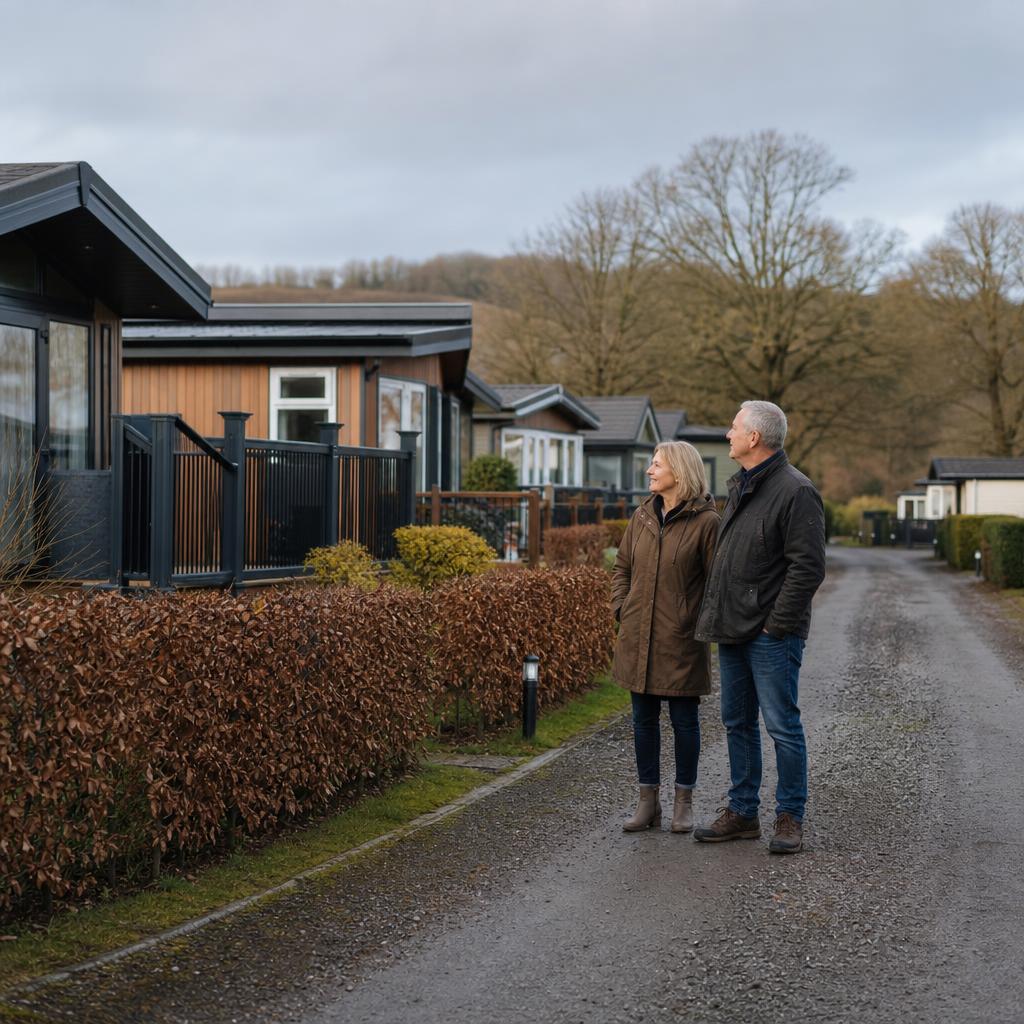
Park homes in Kent are purpose-built, single-storey homes set on managed residential or holiday parks. They are designed for buyers who want a simpler, more practical property in a quieter setting. In many cases, they suit retirees, semi-retirees, and second-home buyers who want lower upkeep and a stronger lifestyle focus.
Kent is a strong market for this type of living. According to residential park directories, the county has more than 60 listed park home estates, which gives buyers real choice. That matters, because location, licence type, and site terms can vary widely. For a broader overview of how these homes work, our park home living guide explains the lifestyle, rules, and buyer expectations in plain English.
Many buyers also compare park homes in Kent with lodge-style ownership. That is sensible. If you are weighing residential use against holiday use, our residential park homes vs holiday lodges guide is useful before you commit.
The key attraction is simplicity. Research from the park home sector often highlights 1-storey living, smaller footprints, and easier maintenance as the main reasons buyers switch. In practical terms, that can mean less cleaning, lower repair stress, and easier access as mobility changes. Meanwhile, Kent adds a location advantage. You get sea air, villages, garden-country landscapes, and direct rail and road links. That combination is why park homes in Kent continue to attract steady search interest from downsizers and lifestyle buyers.
How does park home ownership usually work?
Park home ownership usually means buying the home and paying a pitch or site fee to the park operator. The park generally controls the setting, landscaping, and shared rules, while you focus on the home itself. According to UK park home guidance, monthly site fees can vary significantly, so buyers should always request a written breakdown before reserving.
Is Kent a good county for this kind of move?
Yes. Kent is especially strong because it offers coast, countryside, and transport in one county. For buyers who still want access to London, some Kent routes keep journey times competitive. For others, the main value is the lifestyle shift away from a larger, higher-maintenance house.
Explore our Kent park homes and lodge living options
Park homes in Kent are often part of a wider luxury lodge and park home market, so it helps to compare development styles, not just plots. White Park Home Group focuses on quality-led park settings, and our Kent pages are built for buyers seeking a calmer pace of life. If you want to review our local offering, see Park Homes Kent: Luxury Park Home Living and Lodge Developments for a focused Kent overview.
For buyers who like visual research before booking a visit, there are also useful independent park listings. For example, Residential Parks in Kent gives a countywide snapshot, while Park Homes for Sale in Kent shows how varied the local stock can be. A third useful reference is Residential Park Homes for Sale in Kent, which helps buyers compare park styles and availability.
If you are looking for a named development, Yewtree Park should be reviewed directly where current availability is confirmed. That is important, because park home stock moves quickly and many developments sell through limited releases. Before visiting, buyers should ask about age restrictions, pet rules, service charges, and whether the park is residential or holiday-led.
Video tours can help you shortlist faster. For a quick look at show homes in a Kent residential park setting, watch this short tour from Serenity Parks:
<div class="se-video" style="position:relative;padding-bottom:56.25%;height:0;overflow:hidden;margin:24px 0;">
A second recent example is useful if you want a coastal feel. For a glimpse of a welcoming development in Birchington, Kent, this video from Quick Move Properties is a strong visual reference:
<div class="se-video" style="position:relative;padding-bottom:56.25%;height:0;overflow:hidden;margin:24px 0;">
In a market where some parks list homes from around £199,000 and others sit higher depending on specification, plot position, and view, comparison is essential. The best park homes in Kent balance setting, build quality, and long-term running costs.
What should you ask a park before viewing?
Ask whether the site is residential or holiday use, what the monthly fees include, and whether the pitch has year-round occupation rights. Also check the park rules, warranty details, and whether the home is new or pre-owned.
Why choose park homes in Kent for quieter living?
Park homes in Kent suit buyers who want a less demanding home without losing access to excellent places to visit. The county works because it blends practical transport with a softer lifestyle. That makes it especially attractive for downsizers and second-home seekers.
Kent’s advantages are easy to measure. The county offers more than 350 miles of coastline, including beaches near Thanet, Whitstable, and Dungeness. It also has strong road links via the M20, M2, and A2. Meanwhile, fast rail from Ashford to St Pancras can be under 40 minutes on the quickest services. Those numbers matter, because they make park homes in Kent feel connected rather than remote.
Lifestyle buyers also value green space. Kent is often called the Garden of England for a reason. You get orchards, countryside lanes, and national landscape areas, plus market towns with cafés, medical services, and everyday shopping. That is why park homes in Kent can work well for people who want a gentler daily routine, but still want reliable access to services.
The county also supports a broad buyer profile. Some people want weekend use. Others want a full residential move. A proportion, especially retirees, want a smaller home to reduce bills and maintenance. According to UK downsizing research, cutting home size can reduce cleaning time by up to 30% to 40% in practical day-to-day terms. That is a meaningful lifestyle gain.
For buyers exploring other UK regions too, it can help to compare Kent with similar lifestyle areas such as Holiday Lodges in Cornwall or Park Homes in Cambridgeshire. Both pages show how location shapes ownership value and day-to-day enjoyment.
What do buyers usually gain from downsizing?
They usually gain lower upkeep, simpler layouts, and a home that feels easier to manage. Research shows that smaller, single-level homes can also reduce accessibility issues as owners age, which is why park homes in Kent appeal strongly to later-life buyers.
Local area highlights around park homes in Kent
Park homes in Kent are popular partly because the local area is so varied. Buyers can choose coast, countryside, or better commuter access, depending on what matters most.
For coastal living, areas such as Birchington, Broadstairs, Ramsgate, and Whitstable are often attractive. They offer sea walks, cafés, and a holiday feel that still works for year-round living. For countryside buyers, villages near Canterbury, Ashford, and the Weald offer quieter roads, open views, and easy access to rural walking routes. That combination makes park homes in Kent especially flexible.
The county also performs well for practical amenities. Kent has major hospitals, retail parks, supermarkets, and rail stations spread across its towns. Consequently, buyers do not need to sacrifice convenience for calm. Many park residents also value how quickly they can reach the coast for a day out. In some parts of East Kent, beaches are under 15 minutes away by car.
If you want more development-led inspiration, our broader location pages such as White Park Home Group Lodge Park Locations UK can help you compare Kent with other regions. Meanwhile, buyers who like a coastal-retreat model often cross-shop Kent with Coastal Lodges For Sale In The UK.
In short, park homes in Kent work because the county gives you choice. You can prioritise transport, views, village life, or the sea. Therefore, the right park often comes down to lifestyle fit rather than pure postcode.
Park homes in Kent: features, lifestyle, and what to check before you buy
Park homes in Kent are usually attractive because they combine smart design with low-maintenance living. Buyers often prefer open-plan kitchens, private parking, wraparound gardens, and energy-efficient layouts. Newer models may also include insulated walls, improved glazing, and better heating systems, which can matter in a coastal county.
The lifestyle is equally important. Many parks offer quiet roads, managed communal areas, and a more settled community feel. That is one reason park homes in Kent suit buyers who want a slower rhythm without feeling isolated. In practical terms, you are often trading a large house for a home that is easier to lock up and leave.
Before you buy, check these points carefully:
– Site licence and whether the park is residential
– Age restrictions, if any
– Monthly fees and what they cover
– Council tax band and utility setup
– Warranty length on a new home
– Resale conditions and park approval rules
Costs matter too. Across the UK, park home purchase prices can start well below larger bricks-and-mortar houses, but site fees and utilities still need budgeting. A useful rule is to compare the full monthly cost, not just the headline price. According to buyer guides, site fees can influence total affordability as much as mortgage payments do in standard housing. For a deeper breakdown, our park home ownership costs UK guide explains fees, bills, tax, and maintenance clearly.
If you are still deciding between a lodge and a park home, our park home vs holiday lodge guide is a practical next step. It helps buyers avoid the most common mismatch: choosing a home style before checking the rules attached to the park.
What are the disadvantages of buying a park home?
The main disadvantages are site fees, park rules, and limited finance options compared with standard houses. Resale values can also vary more than bricks-and-mortar property, so buyers should check the park reputation and read the agreement carefully.
Arrange a Kent park viewing
Park homes in Kent are best judged in person. Photos can show the finish, but they cannot fully show road layout, noise levels, or how the park feels day to day.
A viewing should cover the home, the pitch, and the surrounding area. Ask to see the site office, the noticeboard, the entrance road, and nearby transport links. If possible, visit at a different time of day. That simple step often reveals whether the park feels lively, quiet, or exactly as you want it. Because park homes in Kent are often bought for lifestyle reasons, the emotional fit matters as much as the specification.
If you want to explore White Park Home Group’s wider offer before arranging a visit, start with White Park Home. You can also compare Kent with other popular regions such as Holiday Lodges Cambridgeshire if you are still deciding which location suits your plans.
The right next step is simple. Shortlist the park, check the rules, compare the running costs, and then book a viewing. That process keeps the purchase focused and reduces surprises. For most buyers, the appeal of park homes in Kent becomes clear very quickly once they see the setting in person.
Key Takeaways
- Park homes in Kent suit buyers who want quieter, lower-maintenance living near coast and countryside.
- Kent stands out because it combines coastal lifestyle appeal with strong rail and road access.
- Buyers should compare site fees, park rules, and residential status before reserving any home.
- A viewing is essential, especially if you are considering a named development such as Yewtree Park.
- Park homes in Kent work best for downsizers, retirees, and second-home seekers who value lifestyle over scale.
Frequently Asked Questions
What are the disadvantages of buying a park home?
The main disadvantages are site fees, park rules, and the need to understand resale conditions. Park homes in Kent can be excellent lifestyle purchases, but buyers should also check whether finance options are limited and whether the park is residential or holiday-use only.
Where can I live in a caravan in Kent?
You can only live in a caravan in Kent on sites that are licensed for residential or approved holiday use, depending on the agreement. Permanent living usually requires a residential park home site licence, not a standard touring or seasonal caravan pitch.
How much does a park home cost in the UK?
Park home prices vary widely, but many start in the low hundreds of thousands, with premium models and better plots costing more. In park homes in Kent, buyers should also budget for site fees, utilities, insurance, and ongoing maintenance.
Can I live permanently in a park home?
Yes, but only if the park is licensed for full residential occupation. Park homes in Kent can be permanent homes when the site agreement, licence, and planning status allow year-round living.
Enquire now