
If you are comparing lodge park homes with park homes, holiday lodges, or even compact residential units, you are not alone. The terminology is often mixed up, and that confusion can lead buyers to the wrong park, the wrong rules, or the wrong budget. In simple terms, lodge park homes usually sit in the luxury end of managed UK park living, where buyers want a calmer lifestyle, attractive surroundings, and a clearer route to ownership. They may be used for leisure, seasonal stays, or, on certain sites, year-round living. That is why it helps to understand the differences before you book a viewing.
This guide explains what lodge park homes are, how they compare with static caravans and traditional houses, and what to check before you enquire. If you want to explore the brand behind this guide, start with White Park Home Group. If your interest is coastal, residential, or countryside-focused, you will also find useful next-step pages linked throughout this article.
What Are Lodge Park Homes?
Lodge park homes are premium-style park-based properties designed for comfort, space, and a stronger sense of lifestyle than a basic holiday unit. In practice, the term can cover luxury lodges, lodge-style homes, and park homes on managed sites, so it is important to check the park licence and intended use before you buy.
As a definition, lodge park homes are typically factory-built or park-sited homes that offer a higher-spec living experience on a managed development. They are often chosen for countryside, coastal, or retreat settings, and they appeal to buyers who want simpler living without giving up quality.
That distinction matters because the UK market is not uniform. According to industry guidance from the lodge, static caravan, and park home comparison published by Prestige Homeseeker, the intended use of the home is one of the clearest differences buyers should confirm first. That is useful because a holiday lodge may be restricted to leisure use, while a residential park home may allow permanent occupancy. Meanwhile, lodge park homes can sit somewhere between those categories depending on the site.
The commercial opportunity for buyers is also straightforward. Research from the park home and lodge sector regularly shows that buyers value lower-maintenance living, private outdoor space, and managed surroundings. For many purchasers, that means fewer stairs, less garden work, and a calmer pace of life. In fact, park home living is often attractive to people downsizing after 60, because the property format can reduce both upkeep and day-to-day complexity.
If you want a broader overview of home types, the category page Lodge Park Homes Explained: Types, Costs, Park Rules & How to Choose is a useful starting point. It helps you compare what you are actually buying, rather than relying on a label alone.
In short, lodge park homes are not one single legal category. They are a buyer shorthand for premium park living, and the details always depend on the park licence, the site rules, and whether the home is classed for residential or holiday use. That is why careful checking matters before you move from browsing to booking.
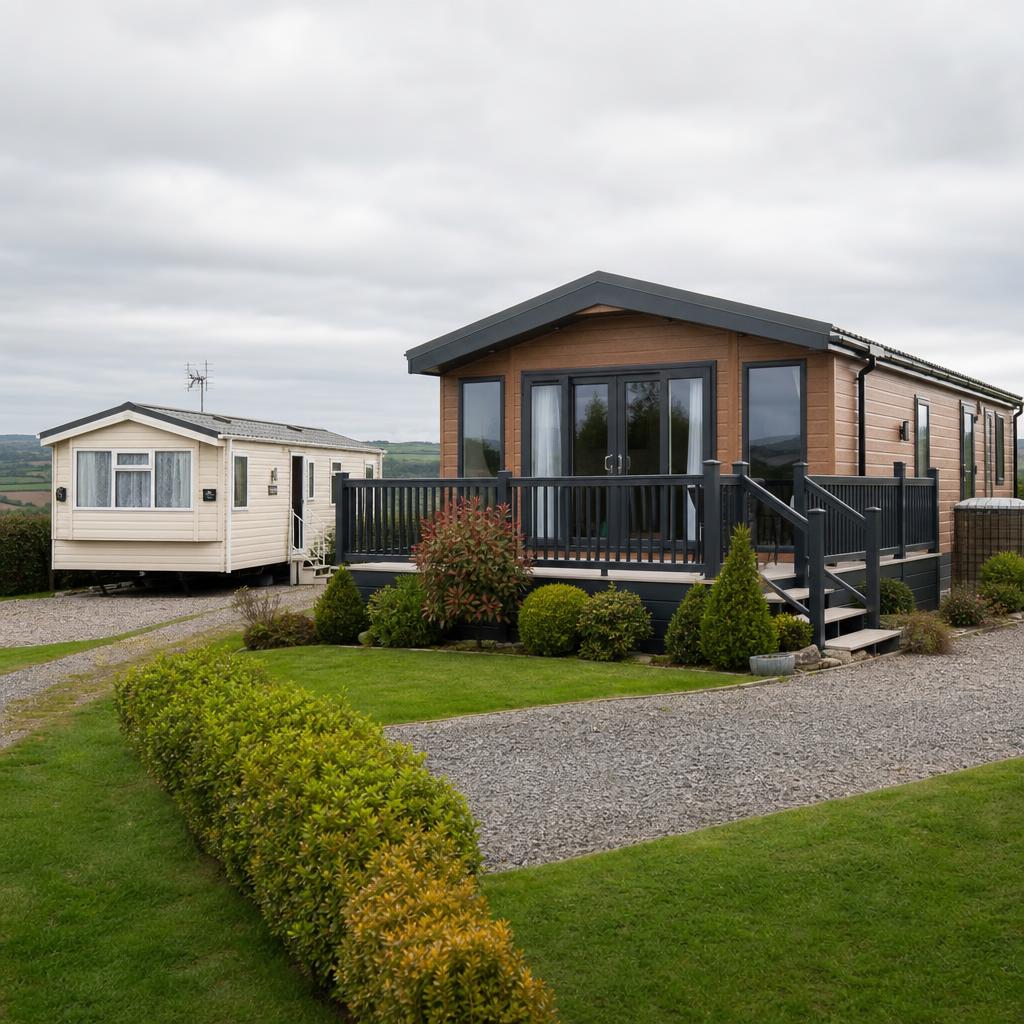
Why the wording matters before you enquire
The same property type can be marketed in different ways, and that can affect your budget and your rights. For example, a lodge park home marketed as a retreat may not be suitable for permanent occupation. Therefore, buyers should always ask for the park’s licence details, occupancy terms, and site rules before they reserve anything. This avoids surprises later and helps you compare like with like.
How White Park Home Group fits into the market
White Park Home Group focuses on luxury park homes and lodge developments across the UK. That means buyers can look at lifestyle-led locations, park standards, and ownership routes in one place. It also makes it easier to move from general research into a suitable sales page, especially if you are unsure whether you need a lodge, a park home, or a holiday lodge.
Are Lodge Park Homes Residential or Holiday Properties?
Lodge park homes can be residential or holiday properties, but you must confirm the park’s permission before assuming either one. The key question is not just what the home looks like, but what the site is licensed to allow.
This is the most important planning step for many buyers. A residential site usually allows year-round occupation, often with council tax and permanent residence rights. A holiday site, by contrast, is normally limited to leisure use. As a result, you may be able to stay often, but not legally use it as your main home.
According to Park Home and Holiday Caravan information for Lodge Park in Tattershall, site-specific rules and pitch arrangements can vary significantly from one development to another. That is why a site tour should never be your only source of information. You should also ask about the licence, the occupancy season, and whether the park permits full-time residence.
For buyers who are still unsure, the distinction is usually simple in principle. If you want a main home, look for residential park homes or a clearly licensed residential lodge community. If you want a second home or retreat, a holiday lodge may be more suitable. Meanwhile, some parks are aimed at semi-permanent or flexible stays, but that still does not mean they allow unrestricted living.
The practical consequence is significant. If you buy the wrong type, you may face enforcement issues, insurance problems, or limitations on address registration. Therefore, ask direct questions at the start. Is the park residential or holiday only? Are pets allowed? Is the site open 12 months? Are services metered individually? Does the site charge pitch fees monthly or annually?
If you want guidance on all-year occupancy, the page Can You Live in a Lodge All Year Round in the UK? (Rules, Licences & What Parks Allow) explains the legal and practical side in more detail. For buyers leaning toward permanent downsizing, Residential Park Homes in the UK: Costs, Rules, Site Licences & Who It Suits is also worth reading.
In short, lodge park homes are only residential if the site allows it. The home style alone does not decide the answer.
Can I live permanently in a park home?
Yes, but only on a residential site that permits permanent occupation. A holiday lodge park is not the same thing, even if the home looks similar. Therefore, the correct answer depends on the site licence, the pitch agreement, and the planning use of the park.
What buyers should ask before making an offer
Ask whether the park is residential, holiday, or mixed-use. Also ask about council tax, utility metering, and whether there are seasonal closure periods. Those details tell you much more than the brochure does.
Lodge Park Homes vs Static Caravans
Lodge park homes are usually larger, better finished, and more lifestyle-focused than static caravans. That difference affects everything from comfort to long-term value.
This comparison matters because many buyers use the words interchangeably, but the products are not the same. A static caravan is generally a lighter, more compact holiday unit. By contrast, lodge park homes usually feature a more substantial build, better insulation, larger open-plan layouts, and a premium feel. In many cases, the visual difference is obvious the moment you walk through the door.
A useful benchmark is size. Static caravans often sit in the narrower end of the market, while lodges can be substantially larger, with wider footprints and more domestic-style interiors. Some lodge layouts include vaulted ceilings, integrated appliances, and bigger glazing to maximise light. That matters because better space planning can make the property feel much closer to a small house.
Another point is buyer expectation. According to sector manufacturers such as Pemberton’s luxury lodges and park homes collection, premium lodge buyers usually expect higher specification finishes and stronger comfort features. That aligns with what many UK purchasers want today: less compromise, more privacy, and a more residential look and feel.
However, buyers should not assume that a higher-spec appearance automatically means residential rights. A luxury lodge can still be holiday-only. Therefore, style and legal use must be checked separately. This is where lodge park homes can be confusing, but also where the right advice saves time.
If you are comparing categories, the page Static lodge for sale UK: What It Means, Pros/Cons, Costs & Rules is a useful reference. It helps explain what people often mean when they search for lodge park homes but are actually looking at static-style options.
A practical rule of thumb is this: static caravans suit simpler holiday use, while lodge park homes usually suit buyers wanting a more spacious, premium and park-home style environment. For many people, that extra quality is worth paying for, especially if the home will be used often.
How size and build quality change the experience
Larger floorplans make daily living easier. Wider rooms, better insulation, and improved glazing often create a quieter interior and a more comfortable all-season feel. Consequently, lodge park homes tend to feel more like compact houses than holiday vans.
Why resale expectations can differ
Buyers usually place a premium on specification, park setting, and condition. That means a well-kept lodge park home on a desirable managed park may appeal more strongly than a basic caravan-style unit. However, site rules still affect any future resale.
Lodge Park Homes vs Traditional Houses
Lodge park homes can deliver a quieter, lower-maintenance lifestyle than traditional houses, but they are not a direct replacement for every buyer. The best choice depends on your priorities around space, land ownership, flexibility, and long-term use.
For many people, the attraction is simplicity. A conventional house often brings larger gardens, more maintenance, and higher running costs. By contrast, lodge park homes on managed sites usually come with smaller outdoor areas, shared park upkeep, and a more focused living experience. That can be appealing if you want less mowing, less decorating, and less property hassle.
The cost profile can also be different. UK housing market data commonly shows that detached or semi-detached homes carry much higher entry prices than park-based homes in comparable lifestyle locations. While exact figures vary by region, the gap is often substantial. For some buyers, that can free up capital for travel, family support, or retirement planning.
However, a traditional house gives you land ownership, broader mortgage options, and fewer site-rule restrictions. Lodge park homes do not usually offer the same control over the land, because the park owner manages the setting. Therefore, you must be comfortable with the park agreement and the pitch fee structure.
This trade-off is why lodge park homes appeal most strongly to people who value lifestyle over land ownership. If you want a scenic community, lower upkeep, and a managed environment, the lodge route can work very well. If you want full autonomy, a conventional house may be better.
Research from UK housing and downsizing discussions often shows that around 1 in 3 older buyers consider smaller, easier-to-manage homes when planning retirement. That trend makes sense. As households get older, accessibility, convenience, and predictable upkeep become more important than extra rooms. In practice, lodge park homes can support that shift well.
If you are comparing lifestyle-led buying options, the pages Luxury Lodges UK: A Buyer’s Guide to Owning a Lodge (Not Renting) and Lodge Retreat UK: The Quiet-Luxury Guide to Countryside & Coastal Escapes (and When to Buy) are good next reads. They help you decide whether you want a holiday retreat, a semi-retirement base, or a more permanent move.
In short, lodge park homes are best viewed as a lifestyle property, not a straight replacement for a freehold house.
Who tends to choose lodge park homes over houses?
Couples, downsizers, and second-home buyers often choose them because they want less maintenance and more lifestyle value. Additionally, people seeking coastal or countryside settings often prefer the park format because it offers an immediate sense of community and environment.
Typical Features of a Luxury Lodge Park Home
Luxury lodge park homes usually stand out because they feel designed, not improvised. The best examples combine practical layouts, comfort features, and attractive finishes that suit year-round or seasonal living.
A well-specified lodge park home will often include open-plan living, large windows, a fitted kitchen, and a calm bedroom layout. On premium parks, buyers may also see wraparound decking, landscaping, and on-plot parking. According to buyer guides and manufacturer specifications, premium lodge models can include features such as en-suite bathrooms, integrated appliances, and energy-efficient glazing. That matters because these details affect both daily comfort and long-term running costs.
Industry videos also help buyers understand the space more clearly. For a real-world look at how luxury residential park living can appear, watch this short tour from Discover Parks:
<div class="se-video" style="position:relative;padding-bottom:56.25%;height:0;overflow:hidden;margin:24px 0;">
That kind of visual reference matters because brochures can make every property look similar. In reality, the difference often lies in proportions, light, and finish. A premium lodge park home may feel airy and practical, while a budget option can feel tighter and less versatile.
Buyers should also ask about insulation, heating, and warranty coverage. New lodge park homes may come with manufacturer warranties, but terms differ by builder and park. For example, many modern homes are designed with double glazing and efficient heating systems, which can help reduce seasonal temperature swings. However, the exact specification should always be confirmed in writing.
If you are comparing new stock, New lodges for sale: What You Get New vs Pre-Owned (Warranties, Specs, Lead Times) is worth reviewing. It explains why a new lodge park home can be a better fit for some buyers, especially if they want fewer immediate repairs.
As a result, the best approach is to judge the whole package: interior space, outdoor setting, site quality, and intended use. That is what separates an average unit from a genuinely desirable lodge park home.
Bedrooms, Living Space and Outdoor Decking
Most buyers prioritise space and light first. Open-plan kitchens, wider lounges, and private decking can make lodge park homes feel much larger than their footprint suggests. Therefore, it is worth measuring rooms in person and checking how the layout supports both entertaining and quiet living.
Utilities, Parking and Park Facilities
Reliable utilities are essential. Ask whether the lodge park home has individual meters, how waste is handled, and whether parking is included on the pitch. In addition, check site facilities such as reception, security, storage, or leisure extras, because these often shape the value of the overall park.
Costs, Site Fees and Ownership Rules for Lodge Park Homes
The total cost of lodge park homes is more than the sale price. Buyers should budget for site fees, utilities, insurance, maintenance, and any rules tied to the park licence.
This section is where many first-time buyers need the clearest guidance. The sticker price is only one part of the picture. You also need to ask what the pitch fee covers, whether it rises annually, and how seasonal or service costs are managed. In many park settings, pitch fees fund maintenance of communal areas, roads, lighting, and general site upkeep. That can be useful, but it also means you have a recurring cost to factor in.
According to UK park home buying guidance, service and pitch charges can vary widely by location and park standard. Some residential owners will also need to account for council tax, while holiday-use owners may face different arrangements. The consequence is simple: two lodge park homes with the same purchase price can have very different total annual costs.
It also helps to think in percentages. Many buyers underestimate future costs by 20% to 30% when they only look at the upfront figure. That is because they forget insurance, utilities, and annual increases. Therefore, always ask for a full breakdown before you commit.
If you want a deeper explanation of ownership rules, Holiday Lodge Ownership UK: Complete Rules and Cost Guide for Buyers is a useful companion guide. It explains how ownership works when the property is for leisure rather than permanent living. Meanwhile, buyers interested in permanent occupation should compare that with Residential Park Homes for Sale (UK): Prices, Fees, Rules & Where to Buy.
Another useful benchmark is the 12-month park rule. A park may be open all year but still not allow permanent residence. That is why buyers should not treat “open year-round” and “residential” as the same thing. They are often very different legally.
For buyers evaluating value, here is the practical checklist:
– Ask for the full pitch fee schedule.
– Confirm what the fee includes.
– Ask whether utility bills are direct or bundled.
– Check whether pets, subletting, or resale are restricted.
– Confirm whether the park is residential, holiday, or mixed-use.
If you are unsure which route fits your budget, the guide Park Lodge for Sale: What You’re Really Buying (Agreement, Fees, Resale) can help you compare ownership structures before you enquire. That is especially useful if you are choosing between a lodge park home, a holiday lodge, or a park home used as a main residence.
In short, lodge park homes can offer excellent value, but only if you understand the full cost structure from day one.
What are the disadvantages of buying a park home?
The main disadvantages are site fees, licence restrictions, and limited control over the land. In addition, some buyers find that resale values depend heavily on park quality and occupancy rules. That does not make lodge park homes a poor choice, but it does mean you should buy with your eyes open.
How to reduce cost risk before you buy
Request all fees in writing and ask how often they are reviewed. Then compare those costs with similar parks and consider the likely impact over five years, not just year one. That gives a much better view of true affordability.
Which White Park Home Group Location Is Right for You?
The right lodge park homes location depends on whether you want coast, countryside, or a residential-style community near transport links. Matching the park to your lifestyle is just as important as choosing the right home.
This is where buyers can narrow their search quickly. If you want sea air and a retreat feel, a coastal park may suit you best. If you want quieter green surroundings, a countryside lodge location may be a better fit. Meanwhile, if you are thinking about downsize living with more practical access to services, a residential park home site may be the right route.
Research on buyer behaviour consistently shows that location is one of the top three purchase drivers in lifestyle property. That is no surprise. A beautiful lodge park home in the wrong setting will not feel right for long. Therefore, choose based on how you want to live, not just how the home looks.
If coastal living appeals, start with Coastal Lodges For Sale In The UK: Sea Air, Retreat Living And Ownership Costs. If you want something more countryside-led and closer to the East Midlands, explore Luxury Lodges in Lincolnshire: Lakeside Escapes, Park Facilities & Buyer Checklist. For buyers who want a practical residential angle, Park Homes For Sale Kent: Residential Living, Locations And Ownership Guide is a strong next step.
You can also compare region-led lodge pages if you want more inspiration. For example, Cambridgeshire and Derbyshire often appeal to buyers who want countryside access without losing convenience. Holiday-focused buyers, by contrast, may prefer regions with strong visitor appeal and scenic routes.
One more useful perspective: if you are a couple looking for a retreat, privacy and nearby attractions may matter more than a large footprint. If you are a retiree planning to move permanently, access, healthcare, and community feel may matter more. In both cases, lodge park homes can work well, but the best park depends on the buyer profile.
For an example of a high-spec lodge layout, this current tour from My Leisure Home is worth a look:
<div class="se-video" style="position:relative;padding-bottom:56.25%;height:0;overflow:hidden;margin:24px 0;">
If you are still deciding, the best route is to compare a few different pages, then shortlist the parks that match your intended use. That saves time and avoids chasing homes that are simply not right for your lifestyle.
In short, the best lodge park homes location is the one that matches your goal: retreat, residence, or resale potential.
Best fit for coastal buyers
Coastal parks suit buyers who want fresh air, easy walking, and a holiday-style atmosphere. Additionally, these locations often appeal to second-home owners and couples looking for short, regular escapes.
Best fit for residential buyers
Residential-style parks suit buyers who want year-round occupation and a more settled community. Therefore, they are often more suitable for downsizers and retirees who want to simplify life without leaving the UK.
Lodge Park Homes FAQs
This section answers the most common buyer questions in plain English. Each answer is direct, because lodge park homes are easier to compare once the terminology is clear.
If you want to continue your research after the FAQs, you may also find the guide to luxury lodges for couples uk useful if you are shopping for a private retreat rather than a full-time residence.
Can I live permanently in a park home?
Yes, but only if the park is licensed for residential occupation. A holiday park is different, even if the home looks similar. Therefore, always confirm the site licence, occupancy rules, and whether council tax applies before you buy.
What is the difference between a lodge and a park home?
A lodge usually refers to a premium leisure-style property, while a park home often refers to a residential-style unit. However, the terms are sometimes used loosely, so the park licence and intended use matter more than the marketing label.
What are the disadvantages of buying a park home?
The main drawbacks are site fees, restrictions on land ownership, and rules around occupancy or resale. In addition, buyers should check insurance, maintenance, and the park’s long-term reputation before committing.
Who is the best park home manufacturer in the UK?
There is no single best manufacturer for every buyer. The right choice depends on budget, specification, warranty, and the park it will sit on. As a result, buyers should compare build quality, aftercare, and suitability for the site rather than focusing only on the brand name.
Are lodge park homes a good option for downsizers?
Yes, for many buyers they are an excellent downsizing option. Lodge park homes can offer less maintenance, a calmer setting, and a more manageable layout, which is especially appealing for people wanting a simpler lifestyle.
Key Takeaways
- Lodge park homes are premium park-based homes, but the site licence decides whether they are residential or holiday use.
- The biggest mistake buyers make is confusing a lodge’s appearance with its legal use.
- Costs go beyond the purchase price and include pitch fees, utilities, insurance, and possible council tax.
- Compared with static caravans, lodge park homes usually offer more space, better finishes, and a more residential feel.
- The right White Park Home Group page depends on whether you want coastal, countryside, holiday, or permanent-living options.
Frequently Asked Questions
Can I live permanently in a park home?
Yes, if the park is licensed for residential use. If the site is holiday-only, you usually cannot make it your permanent home, even if the lodge park homes on site look residential.
What is the difference between a lodge and a park home?
A lodge is usually a premium leisure property, while a park home is often a residential-style unit. In practice, lodge park homes can blur that line, so the site licence and occupancy rules matter more than the label.
What are the disadvantages of buying a park home?
The main disadvantages are site fees, limited land ownership, and resale rules tied to the park. However, many buyers still choose lodge park homes because the lifestyle benefits can outweigh those trade-offs.
Who is the best park home manufacturer in the UK?
There is no single best manufacturer for everyone. The best choice for lodge park homes depends on build quality, warranty, layout, and whether the home suits the park and your intended use.
Are lodge park homes suitable for couples?
Yes, very often they are. Many couples choose lodge park homes for privacy, low maintenance, and a quieter setting, especially when they want a retreat or a downsized lifestyle.
Enquire now