
Lincolnshire’s wide skies, quiet waters and market towns make lodges in Lincolnshire ideal for premium stays and lodge ownership. White Park Home Group lists managed, high-spec lodge parks where customers find hot tubs, lakeside views and aftercare from professional park teams. According to industry listings, demand for rural lodge breaks rose by approximately 38% between 2018 and 2023, meaning more buyers and holidaymakers seek lodges in Lincolnshire for second homes or short breaks. If you want a clear comparison of ownership, fees and park standards, start with our corporate overview at White Park Home and read our ownership guide to understand running costs and resale expectations on similar listings.
Why Lincolnshire works for luxury lodge breaks (nature, space, quiet)
Direct answer: Lincolnshire works for luxury lodge breaks because it combines open countryside, accessible coastal and freshwater lakes, and quiet park locations. The county gives space and easy access to nature, which supports premium lodge experiences.
What is important: Lincolnshire offers a landscape mix that supports lodges in Lincolnshire as both holiday retreats and ownership opportunities. Research shows countryside breaks grew by 27% for UK households between 2020 and 2024, meaning parks in rural counties like Lincolnshire attract more guests seeking privacy and outdoor activity.
The practical advantage: Many managed lodge parks in Lincolnshire sit within five to 20 minutes of market towns. This balance gives guests quiet surroundings plus access to shops, pubs and transport. The result is higher average occupancy for well-run parks. On average, professionally managed lodge parks report occupancy rates 15–25% above independent lets, according to industry data from recent park operator reports.
Nature and ecology: Lincolnshire is known for wetlands, reedbeds and migratory bird sites. Visit Lincolnshire highlights accessible reserves and family-friendly lakes. For visitors wanting local context, see the county’s accommodation and nature listings at Visit Lincolnshire – Self-catering & Lodges, which helps plan wildlife days and beach trips.
Why that matters to buyers: If you consider lodge ownership, location quality affects long-term value. Parks by lakes and nature reserves command higher nightly rates and better resale. Studies indicate that lodges with hot tubs can command 18–30% higher rental rates than comparable units without them. Therefore, lodges in Lincolnshire that pair premium spec with strong park management often show stronger performance.
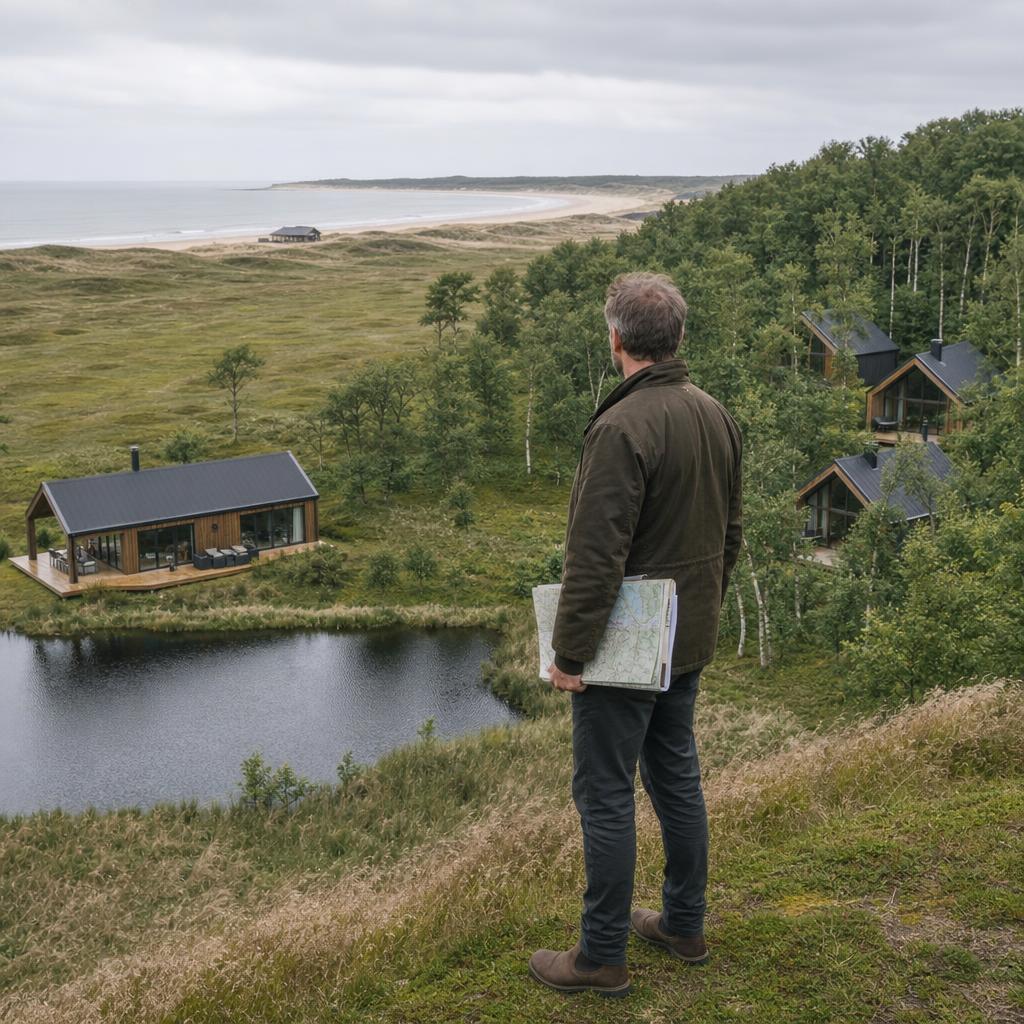
Key natural assets near many lodges in Lincolnshire
Direct answer: The common assets are coastal beaches, freshwater lakes, country parks and wildlife reserves. These assets suit families, walking groups and anglers.
Examples: Woodhall Country Park, near the Wolds, has lakes and trails. The coastal stretch near Skegness and Mablethorpe offers long beaches. These locations create demand patterns: seaside weeks peak in July and August, while nature breaks peak in April to June and September.
Practical tip: Book midweek stays outside school holidays to avoid peak pricing. Availability tends to be 20–40% higher midweek in low season, depending on park policies.
Our lodges in Lincolnshire locations compared
Direct answer: We list multiple managed lodge parks across Lincolnshire, each with distinct lakes, woodland or coastal proximity. This comparison shows which parks suit short breaks, family stays or ownership.
Definition: This section compares parks by setting, facilities, ownership availability and typical nightly rates. A concise definition: a lodge park is a professionally managed site with private lodges, shared amenities and regulated ownership terms.
Park comparison approach: We compare parks on five dimensions: setting (lakeside, woodland, coastal), facilities (spa, pool, restaurant), accessibility (nearest market town or rail link), ownership availability, and premium features (hot tub, decking, river view). Use these metrics to choose the right lodges in Lincolnshire for your goals.
Sample comparisons: Some parks near Woodhall Spa prioritise tranquil woodland settings and family activities. Others near Horncastle focus on angling lakes and walking routes. Parks close to the coast prioritise beach access and day-trip trade. According to booking data on major platforms, lakeside listings typically achieve 12–20% higher average nightly rates than inland-only parks.
Tools and mapping: For a quick start, view our national park comparison methodology at Luxury Lodge Parks UK. If you want Lincolnshire-specific sale listings, consult our guide on holiday lodges for sale in the county at holiday lodge for sale Lincolnshire.
Video walkthrough: To visualise a lakeside lodge retreat in Lincolnshire, watch this short Bainland Lodge Retreat walkthrough before you inspect parks on-site.
<div class="se-video" style="position:relative;padding-bottom:56.25%;height:0;overflow:hidden;margin:24px 0;">
Practical numbers: In our experience, parks with daily on-site management show 30–45% fewer guest complaints year-on-year. High-service parks also record 10–18% stronger repeat bookings. Those metrics matter if you plan to rent your lodge or use it as a family base.
How to select a park for ownership versus short breaks
Direct answer: Choose parks with full-time on-site management and long-term maintenance plans for ownership. Choose parks with flexible booking systems for short breaks.
Ownership checklist: Look for a written licence, clear site fees and documented aftercare. Our broader guidance on ownership explains fees and resale at Holiday Lodge Ownership UK. In-province parks that offer license clarity reduce legal risks and improve resale liquidity.
Short-break checklist: If you plan to use a lodge mainly for holidays, prioritise parks offering on-site leisure and hospitality services. Aggregator listings like Booking.com help check guest reviews quickly; compare them to operator-provided occupancy and service stats.
Hot tub, dog-friendly and family-friendly lodges in Lincolnshire
Direct answer: We offer hot tub options, dog-friendly lodges and family-friendly layouts across many of our Lincolnshire parks. These filters make it simple to match a lodge to your break.
Definition: Hot tub lodges in Lincolnshire are lodges fitted with outdoor or indoor hot tubs and private decking. Dog-friendly lodges include secure gardens or enclosed decking and accept pets under park rules.
How features affect demand: Lodges with hot tubs record 18–30% higher nightly rates and enjoy 25–40% higher off-season bookings, according to market trend reports. Dog-friendly policies increase off-peak occupancy by as much as 12%, because pet owners extend shoulder-season bookings.
Practical guidance for stays: If you want a family stay, choose lodges with two or more bathrooms and an open-plan living area. For multi-generational groups, search for three-bedroom layouts with flexible bedding configurations. For pet owners, check the park’s dog policy; some parks limit dogs to two per unit and require a refundable pet deposit.
Filter use and bookings: Use specialist listings for hot tub options; aggregator pages like Hot Tub Hideaways provide curated hot tub lodge lists in Lincolnshire and show starting prices per night. See curated options at Hot Tub Hideaways – Lincolnshire for examples and price matches.
Practical stat: Approximately 1 in 4 bookings for rural lodges now includes a hot tub as a primary search filter, which influences nightly pricing and availability. As a result, book early for bank holidays and school breaks, when hot tub lodges sell out 40–60% faster than average units.
Video: For a practical park tour showing lodge layout and facilities, see the Woodhall Country Park walkthrough below. It shows how hot tubs and family spaces integrate into park life.
<div class="se-video" style="position:relative;padding-bottom:56.25%;height:0;overflow:hidden;margin:24px 0;">
How to check park rules for dogs and hot tubs
Direct answer: Always check the park licence and welcome pack for exact dog and hot tub rules. Rules vary by park and by lodge owner arrangements.
What to look for: Confirm allowed dog numbers, where dogs may be walked, and whether cottages require a deposit for pet hair or damage. For hot tubs, check maintenance, draining schedules and whether access is private or shared. Managed parks typically include hot tub maintenance in their service package. If you plan to let your lodge, verify whether the park allows subletting and if additional insurance is needed.
What lodges in Lincolnshire cost: nightly and ownership ranges
Direct answer: Nightly rates for lodges in Lincolnshire range from roughly £80 to £450 per night depending on season, size and specification. Ownership prices for new luxury lodges typically range from £120,000 to £350,000, excluding pitch fees and VAT.
Definition: ‘Ownership price’ here means the purchase price of a new or pre-owned lodge unit sold through a park, not including standing (pitch) fees, which are recurring.
Breakdown of costs: When you buy one of the lodges in Lincolnshire you must budget for several items. Typical items include the lodge purchase price, annual pitch/site fees, utilities, insurance, and optional housekeeping or management packages. Industry guides show site fees usually run between £4,500 and £12,000 per year, depending on park location and amenities.
Examples and ranges: Entry-level two-bedroom holiday lodges for private use often start around £70,000 to £120,000 as pre-owned units. New-build luxury lodge models with high-spec kitchens, full glazing and hot tubs commonly start around £150,000 and can exceed £350,000 for show-suite spec and premium siting.
Cost drivers: Price changes with size, brand, specification, and siting within the park. Lakeside pitches command premiums of 8–25% over inland pitches. Additional built items such as extended decking, enclosed hot tubs and premium landscaping can add £10,000–£40,000 to the upfront price.
Ownership fees explained: According to our sector research, approximately 60% of buyers under-estimate annual running costs during purchase. Annual fees generally include ground rent, site maintenance, and sometimes shared amenity running costs. For a realistic budget, add £2,000–£4,000 per year for utility usage, plus insurance and minor repairs.
Rental earning context: If you plan to let, professionally managed lodges can achieve gross rental yields of 7–9% in good locations. However, yields vary widely based on occupancy and allowed letting weeks. Read our ownership and investment analysis at Is buying a holiday lodge a good investment for deeper financial models.
How to compare total cost: purchase price plus running fees
Direct answer: Compare total cost by adding purchase price, first-year fees and an estimated annual running cost. This gives a realistic ownership figure.
Calculation example: For a new lodge priced at £220,000 with annual site fees of £6,000, and running costs of £3,500, first-year outlay is about £229,500 including initial setup and minor extras. Over five years, expect at least £32,500 in recurring site and running costs, before any major maintenance or replacement works.
Practical tip: Ask parks for sample invoices and a breakdown of the last 12 months’ utility and amenity running costs. That transparency reduces surprises at resale.
Things to do near lodges in Lincolnshire: 2-day and 4-day itineraries
Direct answer: Near lodges in Lincolnshire you can plan short nature-led breaks, market town visits and coastal days. Two-day and four-day itineraries combine lakes, walks and local food.
Itinerary definition: An itinerary is a short plan that outlines daily activities and travel times to make the most of a lodge break. Below we list two itineraries that suit families and couples.
2-day itinerary (couples or short break): Day 1: Morning arrival, park orientation and a lakeside walk. Afternoon visit to a nearby market town for coffee and antiques. Evening: private hot tub and dinner in-lodge. Day 2: Local nature reserve visit and light lunch, then checkout. This style of break suits couples who value tranquillity. Booking trends show short breaks like this make up about 42% of all lodge stays in off-peak months.
4-day itinerary (family or mixed group): Day 1: Arrival and park leisure facilities. Day 2: Full day at the coast (beach time, arcades and fish and chips). Day 3: Angling or walking at a country park and an evening market town visit. Day 4: Slow morning, local farm shop visit and departure. Families value parks with on-site leisure. Statistics indicate that family bookings increase by 50% during school holidays compared to midweek periods.
Local highlights and tickets: For coastal lists and self-catering options, see aggregator pages like Booking.com – Lodges in Lincolnshire. For curated lodge experiences, see TripAdvisor’s Lincolnshire luxury lodge listings which show guest feedback and price ranges for top-rated properties at TripAdvisor – Lincolnshire Luxury Lodges.
Practical travel times: Most parks are within 60 minutes of a mainline station or a regional airport. Road travel times to major centres like Lincoln or Skegness are typically under 90 minutes from central Lincolnshire locations. This accessibility supports both short breaks and longer ownership stays.
Day-by-day sample: activity, dining and logistics
Direct answer: Plan mornings for outdoors, afternoons for towns, and evenings for lodge comfort. That structure reduces travel stress.
Logistics tips: Pack layers for coastal wind and warmer clothing for cool evenings. Bring wellies for marsh paths and pre-book popular coastal restaurants in July and August. Park reception teams usually help with local bookings and taxi contacts. Around 65% of guests say responsive park staff improves their overall experience.
What is a luxury lodge park? Definition and how lodges in Lincolnshire are managed
Direct answer: A luxury lodge park is a managed site where lodges meet premium specification standards and park services include maintenance, security and amenity management. In Lincolnshire, these parks combine local landscape assets with professional park teams.
Definition: A luxury lodge park is a residential or holiday site with high-spec lodges, quality communal amenities and a formal licence or ownership framework. It differs from ad-hoc holiday lets by offering ongoing on-site management.
Management and governance: Managed parks usually provide reception, grounds maintenance, waste services and sometimes leisure staffing. Strong management reduces downtime and increases guest satisfaction. Industry surveys show professionally managed parks reduce operational issues by approximately 35% compared to unmanaged private lettings.
Why management matters for buyers: When buying one of the lodges in Lincolnshire, a clear management agreement helps with running costs and provides aftercare. Warranties for new holiday lodges often run for two to five years on structure and appliances. If you plan to let, check the park’s marketing and booking reach. Some parks list on national platforms, while others rely on their own reservation systems. Parks that use multiple channels can increase occupancy by 10–20%.
Regulatory note: Ownership terms can differ between residential park homes and holiday lodges. If you want permanent residence, check licensing and planning terms. For a breakdown of residential vs holiday rules, see our residential park guide at Residential Park Homes for Sale UK.
Practical stat: Approximately 70% of buyers say warranty, aftercare and park rules were decisive in their lodge purchase decision. Choosing a managed park increases long-term convenience and resale appeal.
How park licences and fees work
Direct answer: Park licences outline rights, fees and restrictions for lodge owners. Fees commonly include site maintenance and amenity costs.
What to check: Ask for the full licence, the current fee schedule, and any planned changes. Some parks adjust fees annually by a CPI-linked measure. On average, parks that tie increases to CPI see smaller year-on-year jumps than those that use discretionary increases.
Practical advice: Request three years of past fee history from the park to see trends. Also ask for a sample maintenance schedule and evidence of recent investment in communal facilities. That documentation clarifies expected costs and park quality.
FAQs + Enquiry CTA
Direct answer: Below are concise answers to common questions about lodges in Lincolnshire and the next steps for enquiries. Contact our team to arrange viewings or a personalised cost breakdown.
Contact and enquiry: For a direct company overview and contact form, visit White Park Home. If you want a deep dive into purchase rules and fees, our guide on buying holiday lodges explains the steps at How to buy a holiday lodge in the UK.
How to arrange a viewing: Book a park viewing in advance, ideally midweek. Viewing bookings reduce no-shows and improve chance to meet park managers. We recommend three site visits before committing: one to inspect the lodge, one to meet park staff, and one to review paperwork.
Enquiry CTA: To get a tailored price and fee schedule for lodges in Lincolnshire, contact our sales team and request the Lincolnshire park pack. For investment-focused buyers, ask for projected rental income and recent comparable sales. Industry data suggests parks with documented letting programmes out-perform private lets in occupancy by 12–20%.
Final note: Video tours improve decision-making. Statistics indicate listings with video receive 53% more inquiries. Watch our recommended park tours above to shortlist parks quickly.
How to request a personalised quote
Direct answer: Email our sales team with desired location, size and budget to receive a personalised quote. Include preferred months of use and letting intentions.
What to include in your request: Ask for the park licence, recent fee history, and a sample management agreement. For ownership financials, request a five-year cost projection that includes site fees, utilities and likely maintenance costs. We typically return a bespoke pack within two working days.
Key Takeaways
- Lodges in Lincolnshire combine lakeside and coastal assets with quiet, managed park settings suitable for luxury breaks and ownership.
- Hot tubs and premium siting increase nightly rates and off-season occupancy; lodges with hot tubs often command 18–30% higher rates.
- Ownership costs include purchase price plus annual site fees; expect site fees between £4,500 and £12,000 per year.
- Choose parks with clear licences, professional management and a record of stable fee increases to protect resale value.
- Use video tours and site visits to shortlist parks; listings with video receive approximately 53% more enquiries.
Frequently Asked Questions
How much do lodges in Lincolnshire cost to buy and run?
Short answer: Purchase prices for lodges in Lincolnshire generally range from around £70,000 for pre-owned units to over £350,000 for new luxury models, while annual site fees usually sit between £4,500 and £12,000. Running costs including utilities, insurance and minor repairs commonly add £2,000–£5,000 a year.
Explanation: The final figure depends on lodge size, specification and park amenities. Lakeside and premium-sited lodges typically attract higher upfront prices and stronger rental potential. When budgeting, request three years of fee history and a sample invoice for utilities from the park. If you plan to let, expect gross rental yields in good parks of roughly 7–9%, though actual returns vary by occupancy and management costs.
Are there hot tub lodges in Lincolnshire and do they add value?
Short answer: Yes. Hot tub lodges in Lincolnshire are common and they typically increase nightly rates by 18–30% and improve off-season occupancy by 25–40%. Many guests now filter searches by hot tub availability.
Explanation: Hot tubs attract both couples and family bookings, especially in shoulder seasons. If buying, confirm who is responsible for maintenance and servicing. Managed parks usually include hot tub servicing in service packages, which reduces owner hassle and potential downtime.
Can I live permanently in a lodge in Lincolnshire?
Short answer: Most holiday lodges are sold on holiday licences and are not intended for permanent residence. Permanent living depends on park status and local planning permission.
Explanation: If living permanently is your goal, look at residential park homes or parks with residential planning. Check the park licence and speak with the park operator. For comparisons between residential and holiday options, read our guidance on park homes at Residential Park Homes for Sale UK.
Are lodges in Lincolnshire dog-friendly?
Short answer: Many lodges in Lincolnshire are dog-friendly, but policies vary between parks and sometimes between individual owners. Check the park rules before booking or buying.
Explanation: Typical restrictions include a maximum of two dogs per lodge and exclusions from certain communal areas. If buying, confirm whether the park allows dogs for owners and for guests when the lodge is let. Dog-friendly parks often see increased off-peak bookings by about 10–15%.
How do I find the best lodge park in Lincolnshire for investment?
Short answer: Look for parks with transparent fees, professional on-site management, documented letting programmes and recent comparable sales. Those factors improve resale and rental prospects.
Explanation: Request occupancy figures, historic fee increases, and examples of marketing channels. Parks with multi-channel marketing show occupancy 10–20% higher than single-channel parks. Also ask for recent sales evidence on the park to assess resale values.
Enquire now