
The lodge buying process should feel clear, not confusing. If you are comparing a holiday lodge, a park home, or a luxury retreat, the right approach helps you buy with confidence and avoid rushed decisions. In practice, the lodge buying process is about matching lifestyle, location, budget, and legal terms before you commit. That matters whether you want a peaceful countryside escape, a coastal base, or a residential-style home in a managed park setting.
This guide walks you through each stage in plain English, from enquiry and viewing to contracts, handover, and aftercare. It also explains where buyers often pause, such as fees, ownership rules, and finance questions. If you want a broader overview of lodge ownership, you may also find how to buy a lodge in the UK useful alongside this step-by-step guide. For buyers comparing lifestyles, holiday lodge ownership rules in the UK is another helpful starting point. The aim here is simple: make the lodge buying process feel manageable from the very first enquiry.
Step 1: Decide Between Holiday Use And Residential Living
The first step in the lodge buying process is to decide how you want to use the property. A holiday lodge and a residential park home are not the same, so the intended use should shape every later decision.
A holiday lodge suits buyers who want a retreat, a second base, or a leisure-focused lifestyle. A residential-style park home suits people looking for a permanent home in a managed community. That difference affects rules, contracts, fees, and where you can live. If you are unsure, compare the lifestyle and legal position before you view anything. Our guide to holiday lodge vs residential park home explains the key distinctions clearly.
This is also where buyers should think about flexibility. For example, some couples want a low-maintenance escape they can visit at weekends. Others want a quieter home base with strong local amenities. The lodge buying process works best when your purpose is clear, because that keeps sales conversations focused on the right parks and plots.
If you are researching whether ownership suits your plans, our page on lodge living in the UK helps you picture day-to-day life more realistically. Additionally, if permanent occupation is part of your thinking, read can you permanently live in a lodge in the UK? before you go further.
<div class="se-video" style="position:relative;padding-bottom:56.25%;height:0;overflow:hidden;margin:24px 0;">
The main decision at this stage is simple: are you buying for leisure or for living? Once you answer that, the rest of the lodge buying process becomes much easier.
What to clarify before moving on:
– Whether you want holiday use or full-time living
– How often you expect to visit
– Whether you need family-friendly or retiree-friendly surroundings
– Whether transport links, healthcare, or local shops matter most
– Whether you prefer a countryside, coastal, or village setting
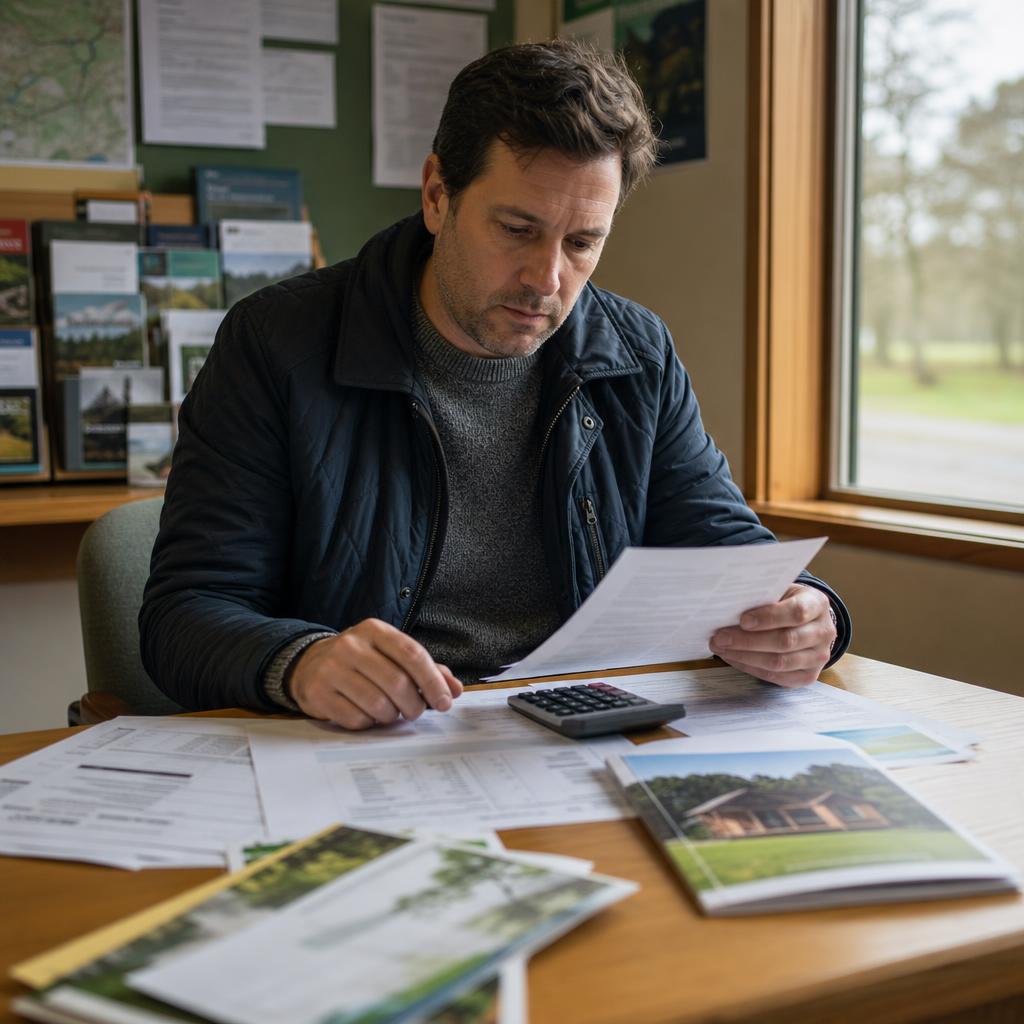
How does lodge use affect the rest of the purchase?
Your intended use affects the park rules, finance choices, and likely running costs. It also affects which developments are suitable, so deciding early saves time later.
If you want a holiday escape, focus on retreat settings and seasonal use. If you want a home, make sure the park permits residential living and that the contract matches that use.
Step 2: Choose Your Preferred Location
The lodge buying process moves faster when you know where you want to be. Location is not only about scenery. It also affects access, lifestyle, resale appeal, and how often you will use the lodge.
Start by narrowing your search to the kind of place you want. Some buyers prefer coastal air and long weekend breaks. Others want countryside peace with easy road access. Many buyers also look for strong regional appeal in places such as Cambridgeshire, Cornwall, Derbyshire, Kent, and Lincolnshire. If you are exploring region-led options, lodges in Cambridgeshire and park homes in Cornwall are useful examples of how location shapes the ownership experience.
You should also think about practical matters. For example, if family visits matter, check road connections and parking. If you plan quiet breaks, ask about the park’s atmosphere in peak and off-peak periods. The best lodge buying process does not begin with a brochure photo. It begins with a real-life picture of how the location will work for you.
At this stage, many buyers compare holiday parks, residential parks, and lodge retreats side by side. That is sensible. However, it helps to keep your shortlist tight. Too many options can blur the decision.
For buyers comparing park types, our guide to holiday home parks in the UK is a practical next read. It explains what to look for before you book a visit.
In the lodge buying process, location should answer one question: will this place still suit you in five years, not just on first impression?
What makes a good lodge location?
A good lodge location balances lifestyle and practicality. Scenic views matter, but access, park standards, and nearby amenities matter too.
Look for a setting that fits your routine. That could mean coastal walks, countryside calm, village access, or simpler weekend travel from home.
Step 3: Review Lodge Models, Layouts And Specifications
The lodge buying process becomes more concrete when you compare actual models and specifications. This is where the layout, finish, and usability of the lodge really matter.
Look beyond the exterior style. Ask how the space works in daily life. Does the lounge feel usable? Is the kitchen practical for longer stays? Are bedrooms well placed for privacy? Is there enough storage for seasonal living? These details matter more than decorative extras.
It also helps to compare construction quality and specification levels. A premium lodge should feel well insulated, comfortable, and easy to maintain. If you want a deeper look at model types, lodge homes for sale can help you understand how to assess the right design for your needs. If you are still comparing formats, static caravans and lodges for sale explains the differences without adding confusion.
This part of the lodge buying process is also about asking the right questions. For example, what comes included in the price? Which furnishings are standard? What upgrades are available? How easy will the lodge be to maintain through the year? Clear answers now reduce surprises later.
<div class="se-video" style="position:relative;padding-bottom:56.25%;height:0;overflow:hidden;margin:24px 0;">
If you are buying for a couple, think about comfort and flow. If you are buying for family stays, look at sleeping arrangements and social space. If you are planning occasional guest visits, make sure the layout supports that without feeling cramped.
A strong lodge buying process is not about choosing the prettiest brochure image. It is about choosing the model that fits your real life.
Which features matter most when comparing lodges?
Prioritise layout, build quality, storage, and comfort. These are the features you will notice every time you use the lodge.
Also check whether the specification suits your intended use. A holiday retreat and a residential-style home often demand different priorities.
Step 4: Understand Pricing, Site Fees And Running Costs In The Lodge Buying Process
The lodge buying process should always include a full cost review. Purchase price is only one part of ownership, so buyers should ask about site fees, utilities, insurance, maintenance, and any park-specific charges.
This is where many people slow down, and that is a good thing. A clear breakdown helps you compare lodges honestly. For a dedicated explanation, our page on park home site fees is a useful reference, especially if you want to understand what the monthly or annual charges usually cover. You can also read more about lodge ownership costs UK for a broader view of ongoing expenses.
Be direct when you ask questions. Find out what is included in site fees, whether utilities are separate, and how insurance is handled. Ask whether there are uplift clauses, admin fees, or rules around resale. If you are buying a holiday lodge, consider how often you will use it. Lower usage can affect the value you place on maintenance and convenience.
The lodge buying process also raises tax questions. One common query is stamp duty. In many lodge purchases, stamp duty does not apply in the same way it does for conventional freehold homes, but the answer depends on the asset type and the circumstances. Because rules can vary, always seek advice from the seller, your solicitor, or a qualified professional before you proceed. For a helpful external explanation, see the industry guidance on whether you pay stamp duty on a holiday home.
You should also compare financing options carefully. Some buyers use savings. Others need a specialist finance route. Either way, make sure the payment plan matches the ownership type.
In short, the lodge buying process works best when you understand the full cost picture before you fall in love with a plot.
Is buying a lodge a good idea?
It can be a very good idea if the lifestyle, location, and cost structure suit your needs. It is especially appealing to buyers who want a managed retreat or a lower-maintenance base.
However, it is only a good idea when you understand fees, use restrictions, and resale considerations.
Step 5: Arrange A Viewing And Ask The Right Questions
A viewing is one of the most important parts of the lodge buying process. It lets you test the park atmosphere, inspect the lodge properly, and confirm whether the setting feels right in person.
Do not rely on images alone. Visit at a time that reflects how you will use the lodge. If you plan quiet breaks, a weekday viewing may help. If you expect busy family visits, ask what the park feels like at peak times. The right viewing tells you more than any sales brochure can.
Use the visit to check practical details. Look at access roads, parking, landscaping, privacy, and the distance between plots. Ask about maintenance standards and how the park team handles support after purchase. If you want a process overview from another provider, buying a holiday lodge advice offers a useful external perspective on the viewing and decision stage.
This is also the time to compare feeling with facts. A lodge may look stylish, but does it feel comfortable? Does the park suit your pace of life? Will the location still appeal when the novelty wears off? Those questions matter in the lodge buying process because ownership is a long-term choice.
If possible, take notes during the visit. That makes later comparisons much easier. It also stops sales conversations from blending together.
A good viewing should leave you informed, not pressured. If you feel rushed, step back. The lodge buying process should reward careful buyers, not hurried ones.
How do you buy a lodge after the viewing?
After the viewing, review the offer details, cost breakdown, and legal documents before you agree anything. Then confirm the plot, specification, and next steps in writing.
If anything is unclear, ask for a pause. Good sellers welcome careful questions.
Step 6: Review Contracts, Park Rules And Licence Terms
This stage of the lodge buying process protects you from misunderstandings later. Contracts, park rules, and licence terms explain what you can do, what you must pay, and how the park operates.
Read every document carefully. Do not assume a lodge purchase works like a standard house purchase. It often does not. Pay particular attention to use restrictions, subletting rules, resale conditions, insurance requirements, and what happens if the park changes ownership or management.
If the lodge is for holiday use, check the park’s holiday rules. If it is for residential living, make sure the terms support that use. For a deeper explanation of the rules, holiday lodge ownership rules in the UK is a helpful internal guide. Buyers considering longer-term living should also read can you live permanently in a lodge in the UK?.
Do you need a solicitor to buy a lodge? In many cases, using a solicitor or legal adviser is strongly recommended, especially if the documentation is complex or you are unsure about the tenure. The lodge buying process can look straightforward, but the legal side still deserves proper attention. A qualified adviser helps you understand the terms before you sign.
You can also review consumer guidance from the National Caravan Council. Their article on guidance for consumers thinking of buying a residential park home or a holiday caravan or holiday lodge is a useful educational resource.
The key point is simple: never sign until you understand the contract. A careful lodge buying process includes legal clarity, not just excitement about the property.
What should buyers check before signing?
Check the licence term, fee structure, park rules, and resale conditions. Also confirm whether any restrictions affect family use, rentals, or year-round access.
If anything is unclear, ask for written clarification before proceeding.
Step 7: Completion, Handover And Moving In
Completion is the final stage of the lodge buying process, but it should not feel rushed. This is where ownership changes hands, documents are confirmed, and the lodge is prepared for use.
Before completion, make sure all agreed items are listed clearly. That can include furniture, appliances, keys, access details, and any instructions for heating, utilities, or park procedures. On handover day, inspect the lodge again and check that everything matches what was promised.
Ask for a clear point of contact after completion. Good aftercare matters, especially if you are new to lodge ownership. You may need help with utilities, maintenance questions, or park access during your first weeks. A well-run park should make the transition easier.
This is also a useful moment to think about practical setup. Arrange insurance, store important documents safely, and understand any park contact routines. If your lodge is part of a wider retreat or residential community, knowing who to speak to can save time later.
The lodge buying process does not end when you receive the keys. It ends when you feel settled and informed. That is why handover and aftercare are so important.
For buyers comparing purchase journeys more broadly, the external guide what’s the process of buying a holiday home or lodge is another useful reference point.
If you want a lifestyle-first view of ownership once you have moved in, the internal guide on luxury lodge retreats UK helps set expectations for long-term enjoyment.
What should handover include?
Handover should include keys, documentation, a condition check, and clear contact details for future support.
It should also confirm any agreed fittings, utilities information, and park-specific instructions.
Buyer Checklist Before You Commit
The lodge buying process is easier when you use a checklist. A simple checklist reduces pressure and helps you compare options fairly.
Before you commit, make sure you have answered these core questions:
– Is this for holiday use or residential living?
– Does the park location suit your lifestyle?
– Have you compared the lodge layout and specification properly?
– Do you understand site fees and ongoing costs?
– Have you checked the contract, park rules, and licence terms?
– Do you know what happens at completion and handover?
It also helps to keep a written note of each park you visit. Include your first impression, the practical advantages, and anything that concerns you. That way, the lodge buying process stays objective.
If you are still comparing property types, our internal guide to lodges vs park homes vs static caravans can help you narrow your shortlist. Meanwhile, buyers who want a broader ownership overview may prefer luxury lodges for sale as a starting point.
The best buyers are not the fastest buyers. They are the ones who ask clear questions, compare properly, and choose with confidence. That is the real value of a well-structured lodge buying process.
Can a lodge be a good idea for retirees or second-home seekers?
Yes, if the location, running costs, and park rules suit your plans. Many retirees and second-home seekers value the low-maintenance lifestyle and calm setting.
The key is to choose a lodge that matches how you will actually use it.
Start Your Lodge Ownership Enquiry
If you are ready to move from research to action, the next step is a focused enquiry. The lodge buying process begins to feel much simpler once you speak to a specialist who can match your needs with the right development, plot, and ownership type.
At White Park Home Group, we help buyers compare luxury lodge and park home opportunities with clarity. Whether you want a retreat, a countryside base, or a residential-style living option, the goal is the same: help you make an informed decision. If you want to begin with a practical overview, visit White Park Home or explore luxury lodges UK for sale.
You can also use your enquiry to ask specific questions about plots, availability, fees, and park suitability. That is often the fastest way to move forward without losing confidence. A good lodge buying process should leave you clearer after every conversation.
If you want to compare ownership routes first, our page on how to buy a park home in the UK is another helpful resource.
The right lodge should feel like a long-term fit, not a guess. Start with the right questions, and the lodge buying process becomes a confident, practical journey rather than a leap of faith.
Key Takeaways
- The lodge buying process is easier when you decide first whether you want holiday use or residential living.
- Location, layout, and park rules matter as much as the lodge itself.
- Buyers should review site fees, utilities, insurance, and other running costs before committing.
- A viewing and a careful contract review are essential parts of a safe purchase.
- Handover and aftercare matter, because the lodge buying process continues after the keys are handed over.
Frequently Asked Questions
Is buying a lodge a good idea?
Yes, buying a lodge can be a good idea if you want a low-maintenance retreat, a holiday base, or a residential-style home in a managed setting. The lodge buying process works best when you understand the rules, fees, and intended use before you commit. It is less suitable if you want a conventional freehold house with full flexibility.
Do I need a solicitor to buy a lodge?
You may not always be legally required to use one, but it is usually a smart choice. The lodge buying process often involves park rules, licence terms, and ownership conditions that deserve proper legal review. A solicitor or qualified adviser can help you understand what you are signing and reduce the risk of expensive misunderstandings.
Do you pay stamp duty when you buy a lodge?
Often, no, but it depends on the exact type of purchase and how it is structured. The lodge buying process is different from a standard house purchase, so buyers should never assume the tax treatment will be the same. Always check the details with the seller and a qualified professional before completing.
How do you buy a lodge?
You buy a lodge by deciding how you will use it, choosing a location, reviewing models and costs, arranging a viewing, checking the contract and park rules, and then completing with handover. The lodge buying process is straightforward when each stage is handled in order. Careful buyers ask questions early and review every document before they sign.
Enquire now