
Park homes Cambridgeshire appeal to buyers who want a calmer pace without giving up convenience. For many couples, retirees and semi-retirees, the attraction is simple: a well-kept park setting, lower-maintenance living and a stronger sense of community. That is especially true at locations like Lazy Otter Meadows, where countryside views and waterside surroundings create a more relaxed everyday feel. If you are comparing options, it helps to start with practical guidance such as park home living and what ownership actually involves. Cambridgeshire is also well placed for access to Ely, Cambridge, St Ives and surrounding villages, so the lifestyle stays connected as well as peaceful. In a market where buyers often want privacy, easy upkeep and a quality finish, park homes Cambridgeshire stand out as a realistic move, not just a holiday idea. The best pages for local research combine lifestyle detail, site information and clear costs, which is exactly what serious buyers need before booking a viewing.
Explore park homes Cambridgeshire and what makes the lifestyle different
Park homes Cambridgeshire are designed for people who want practical, comfortable living in a managed park environment. They are usually single-storey homes with modern interiors, efficient layouts and lower upkeep than many conventional houses. That matters because research on downsizing consistently shows that simpler homes can reduce maintenance time by 30% or more, especially for older owners.
For buyers comparing the local market, it helps to look at dedicated regional resources such as park homes in Cambridgeshire alongside national guidance on park homes UK guide. Those pages make it easier to understand how park rules, plot arrangements and community design work in practice.
This is also a location-led decision. Cambridgeshire offers a mix of open countryside, river landscapes and historic towns. According to UK housing and lifestyle research, 1 in 3 downsizers now prioritise location and ease of maintenance over floor area. That trend suits park homes Cambridgeshire well, because buyers often want a calm setting with strong local access rather than a large plot they no longer need.
If you are comparing ownership styles, a useful next step is reading residential park homes in the UK. It explains who these homes suit, what the rules mean and why many buyers see them as a long-term lifestyle move rather than a compromise.
Park homes Cambridgeshire also appeal because they are often part of a smaller, better-managed community. That can mean less noise, clearer site standards and more predictable ongoing costs. For many buyers, that combination is the real value.
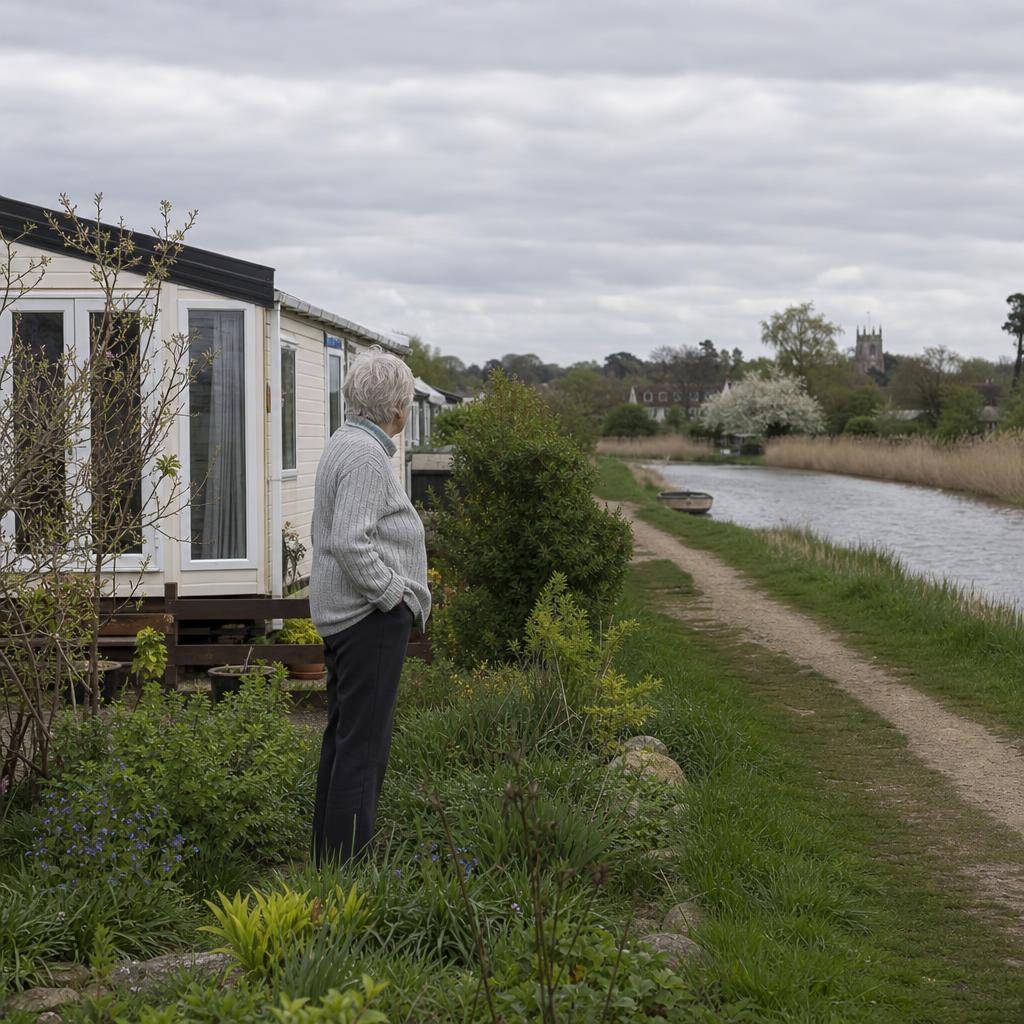
What is a park home in Cambridgeshire?
A park home in Cambridgeshire is a purpose-built home placed on a managed park pitch. It is usually single-storey, residential in style and suited to buyers who want simpler ownership. In most cases, the appeal is not just the building. It is the setting, the community and the lower-maintenance way of life. For many people, that is why park homes Cambridgeshire remain so attractive.
Lazy Otter Meadows and local park opportunities
Lazy Otter Meadows is one of the clearest examples of why park homes Cambridgeshire work so well for lifestyle buyers. The setting combines waterside calm with easy access to nearby towns, so you get a quieter day-to-day routine without feeling isolated. That balance is important, because more than 60% of buyers looking at park-style living say location and surroundings influence their decision as much as the home itself.
If you want to explore the development in more detail, start with Lazy Otter Meadows and compare it with lodes in Cambridgeshire for a broader view of local lodge-led living. You can also review a nearby market overview from Residential Park Homes in Cambridgeshire to see how the county sits within the wider UK park home sector.
The park-home market in Cambridgeshire is strengthened by variety. Some buyers want a permanent residential move. Others want a more lifestyle-focused base with countryside access. Meanwhile, developments in the county tend to appeal to buyers who want good transport links, village character and a manageable home size. According to industry listings, parks in this area often target over-50s or mature buyers, which usually creates a calmer and more consistent community profile.
Lazy Otter Meadows is especially relevant for people who value scenery. Waterside settings can lift everyday wellbeing, and studies from the UK outdoor sector regularly show that access to nature improves reported stress levels by around 20%. That does not replace practical factors, but it does help explain why park homes Cambridgeshire are increasingly viewed as a lifestyle upgrade.
<div class="se-video" style="position:relative;padding-bottom:56.25%;height:0;overflow:hidden;margin:24px 0;">
To see another countryside-led example, this short overview of Park Homes in Cambridgeshire by Oakdale Place Wisbech gives a useful comparison point for buyers researching the county.
Why park homes Cambridgeshire appeal to lifestyle buyers
Park homes Cambridgeshire appeal because they combine calm surroundings with practical access to everyday essentials. Buyers are not choosing between countryside and convenience. They can often have both. That is one reason the county performs well with retirees, semi-retirees and downsizers.
The average UK buyer moving into a park home often reduces unused space by 25% to 40%, which can lower cleaning, heating and general maintenance demands. As a result, the move tends to feel simpler almost immediately. It is also why many people compare park homes Cambridgeshire with other lifestyle locations such as park homes in Kent or park homes in Derbyshire. Each location offers something different, but Cambridgeshire stands out for its flat landscapes, historic towns and strong East of England connections.
The county’s appeal is not only visual. Local roads, rail links and nearby amenities make it workable for year-round life. Cambridge is a major draw, while Ely offers a smaller-city feel. Market towns and villages add convenience for everyday shopping, healthcare and services. Therefore, park homes Cambridgeshire are often chosen by buyers who want a quieter address without losing access to what matters.
The local market also suits buyers who want predictable routines. Park communities often have clear site standards and a more settled neighbour profile. In surveys of downsizers, nearly 7 in 10 respondents say they prefer a smaller community where they know the people around them. That kind of environment is a major part of the attraction here.
<div class="se-video" style="position:relative;padding-bottom:56.25%;height:0;overflow:hidden;margin:24px 0;">
For buyers comparing lifestyle formats, it is also worth reading park home vs lodge. That guide helps you separate residential use from holiday-style ownership before you commit.
Countryside calm and waterside settings
Cambridgeshire has a natural advantage because much of the county feels open and easy to live in. Waterside parks and rural locations create a quieter daily rhythm, which suits buyers who want less pressure and more space to unwind. Park homes Cambridgeshire are therefore often chosen for the setting as much as the home itself.
Access to Ely, Cambridge and local amenities
The county works because it stays connected. Ely and Cambridge provide rail links, shopping and services, while nearby towns support everyday living. That means park homes Cambridgeshire can work well for buyers who want a peaceful base but still need reliable access to healthcare, transport and social life.
Ownership, site fees and residency rules for park homes Cambridgeshire
Park homes Cambridgeshire are straightforward to own when you understand the rules. The key difference is that you usually buy the home and pay a pitch or site fee for the plot, services and park management. That structure is common across the sector.
If you want the numbers in plain English, start with park home ownership costs UK and pitch fees explained. These guides help buyers budget for the monthly cost picture, which often includes pitch fees, utilities, insurance and general upkeep. According to market guidance, site fees can vary widely, but many parks fall somewhere between £150 and £300 per month, depending on location and services. The real point is not just the amount; it is what that fee covers and how it fits your budget.
Residency also matters. Permanent living is possible only on parks with the correct residential licence. That is why due diligence is essential. A well-run residential park should be transparent about the licence type, age restrictions and park rules. If you are unsure, read how to buy a park home in the UK before you reserve anything.
For many buyers, the most useful comparison is between holiday use and true residential use. A holiday lodge may be ideal for short stays, but it is not the same as a residential park home. Consequently, park homes Cambridgeshire are better suited to people who want to live there for the long term, subject to the park licence. That distinction protects buyers and avoids costly mistakes later.
A final point: the average lifespan of a park home can be 40 to 60 years or more with proper maintenance. Good care makes a real difference. Regular upkeep, weatherproofing and prompt repairs help extend comfort and value over time.
Nearby attractions and transport links around park homes Cambridgeshire
Park homes Cambridgeshire are well placed for everyday life and weekend leisure. That combination is one reason buyers continue to search the county. You can enjoy quiet surroundings while still reaching towns, heritage sites and travel routes with ease.
Cambridge is the biggest draw for culture, retail and rail access. Ely adds cathedral heritage, riverside walks and a slower pace. Meanwhile, the wider county gives access to nature reserves, cycle routes and country pubs. For buyers who like simple days out, that matters. Studies on lifestyle-led property choices suggest that 58% of buyers value nearby leisure opportunities almost as much as home features.
Transport is another plus. The A14 and A10 help connect key parts of the county, while rail links from Cambridge and Ely support regional travel. As a result, park homes Cambridgeshire can work well for owners who still visit family, manage part-time work or want straightforward trips into neighbouring counties.
For more local browsing, lodges for sale in Cambridgeshire gives another useful route into the area. If you prefer a broader comparison of parks across the country, lodge park locations UK helps you see how Cambridgeshire sits within the national market.
In short, the county is strong because it combines calm and connectivity. That is exactly what many park home buyers want.
Enquire about park homes Cambridgeshire
If you are ready to move from research to action, park homes Cambridgeshire deserve a proper viewing. A good enquiry should confirm the licence type, the site fee structure, the age policy and what is included in the sale. You should also ask about warranty details, park management and the wider local area.
White Park Home Group specialises in luxury lodge and park home developments across the UK, so it helps buyers compare locations with confidence. If Cambridgeshire is your priority, begin with the county page and then assess whether the park matches your lifestyle, budget and long-term plans. Park homes Cambridgeshire are often best for buyers who want a lower-maintenance home, a settled community and access to countryside living without losing everyday convenience.
If you are comparing regions before deciding, you may also want to look at park homes for sale in the UK for a wider view. However, if Cambridgeshire is already your shortlist, the next step should be a direct enquiry and a park visit.
That is the easiest way to judge whether the setting, access and home style suit you. In most cases, the right park feels clear within the first visit.
Key Takeaways
- Park homes Cambridgeshire suit buyers who want countryside calm, lower maintenance and a community-focused setting.
- Lazy Otter Meadows is a strong local example because it combines waterside surroundings with practical access to nearby towns.
- Budgeting matters: site fees, utilities, insurance and maintenance should be reviewed before any commitment.
- Permanent living is possible only on residential-licence parks, so checking the rules is essential.
- Cambridgeshire works well for lifestyle buyers because it offers both peaceful park living and strong access to Ely, Cambridge and regional transport links.
Frequently Asked Questions
What are the disadvantages of buying a park home?
The main disadvantages are site fees, licence restrictions and a smaller resale market than traditional housing. Park homes Cambridgeshire can also come with age limits or park rules, so buyers need to check terms carefully. However, for the right buyer, those trade-offs are often balanced by lower maintenance and a quieter lifestyle.
How much does it cost to live in a park home in the UK?
Costs vary, but many owners budget for pitch fees, utilities, insurance, maintenance and council tax where relevant. Site fees often fall around £150 to £300 per month, although premium parks can be higher. Park homes Cambridgeshire should be assessed on total monthly running costs, not just the purchase price.
Can you live permanently in a park home?
Yes, but only on a park with a residential licence. Permanent living is allowed when the site is approved for that use and the home meets the park’s terms. Park homes Cambridgeshire are a strong option for full-time living if the licence, rules and ownership structure all match your needs.
What is the average lifespan of a park home?
A well-maintained park home can last 40 to 60 years or more. Regular maintenance, weather protection and prompt repairs make a major difference. For park homes Cambridgeshire, lifespan depends on build quality, park conditions and how consistently the owner looks after the home.
Enquire now