
Park homes in Cambridgeshire offer a strong balance of calm rural living and everyday convenience. For many buyers, that is exactly the appeal. You can enjoy a private, low-maintenance home in a settled community, while still staying connected to Cambridge, Ely, Wisbech, and key route links across the East of England. That makes park homes in Cambridgeshire attractive to retirees, semi-retirees, and downsizers who want a better lifestyle without losing access to services.
This county also suits buyers who compare park living with lodge ownership and want a clearer view of costs, rules, and location quality. If you are researching park home living or comparing property styles, Cambridgeshire is worth a close look. The county combines market towns, flat landscapes, river scenery, and manageable travel times. It is also supported by a growing number of residential park options, with listings from established operators such as Residential Park Homes in Cambridgeshire and Park Homes for Sale in Cambridgeshire. In short, park homes in Cambridgeshire are about lifestyle first, but they also deliver practical access to amenities, healthcare, and family visits.
What are park homes in Cambridgeshire, and who are they best for?
Park homes in Cambridgeshire are purpose-built residential homes on managed parks, usually designed for relaxed living and simpler upkeep. They suit buyers who want a quieter setting, a strong sense of community, and a property that is easier to maintain than a traditional house.
This market is especially relevant for over-50s buyers, although park rules vary by site. Many people use park homes in Cambridgeshire as a downsizing move after selling a larger family home. Others choose them for the lifestyle shift alone. According to industry listings, Cambridgeshire has a mix of residential park homes, vacant plots, and modern developments, which gives buyers more choice than many counties of similar size.
The county also works well for buyers who want a practical location. Cambridge is one of the UK’s best-known university cities, while Ely offers rail connections and a compact centre. Meanwhile, Wisbech, St Ives, March, and Peterborough fringe routes expand the range of everyday services. That means park homes in Cambridgeshire can deliver peaceful park living without feeling isolated.
If you are still deciding between a residential park home and a lodge, our guide to residential park homes vs holiday lodges explains the key ownership differences clearly. You can also compare broader UK options on park homes for sale in the UK.
<div class="se-video" style="position:relative;padding-bottom:56.25%;height:0;overflow:hidden;margin:24px 0;">
A short tour can help buyers picture the lifestyle. This ParkHomeLiving video on Yarwell Mill Country Park is useful because it shows the scale, layout, and atmosphere buyers often expect from park homes in Cambridgeshire.
Typical buyers often want three things: a manageable home, a settled park community, and access to local towns. Research into later-life housing consistently shows that low-maintenance living matters more to many downsizers than large internal floor space. As a result, park homes in Cambridgeshire often meet a very specific need rather than a broad one.
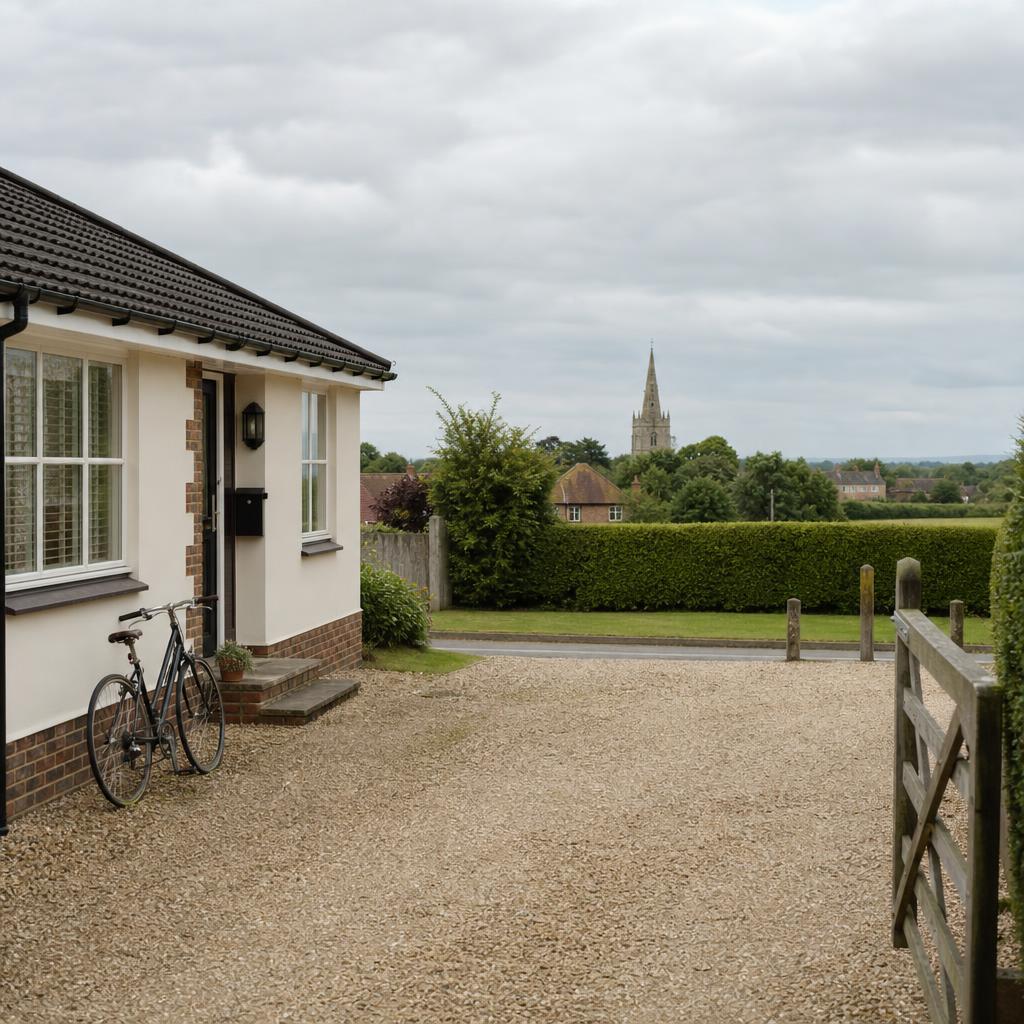
What is a park home?
A park home is a single-storey residential property built for park-based living. It is usually smaller than a standard house, but it can still feel spacious and highly practical.
In many cases, buyers choose park homes in Cambridgeshire because they want better use of space, reduced maintenance, and a calmer environment. That combination is hard to beat for later-life buyers.
Why park homes in Cambridgeshire appeal to lifestyle buyers
Park homes in Cambridgeshire appeal because the county offers a rare mix of countryside calm and useful access. That combination is ideal if you want slower-paced living without giving up convenience.
Cambridgeshire is known for open landscapes, river paths, and market towns. It is also well connected. The A14, A10, A1(M), and rail links all help buyers stay mobile. For many owners, that matters more than a large house footprint. In fact, later-life housing research often shows that transport access is a top consideration for downsizers, especially when family lives elsewhere.
The county also offers choice in village-style living. Some buyers prefer places close to Ely, which has a strong historic centre and rail services. Others look toward quieter villages near St Ives, Soham, or the outskirts of Wisbech. If you want to compare regional lifestyle options, our page on lodge park locations in the UK is useful for seeing how different counties compare.
There is also a strong comparison point with nearby regions. For example, park homes in Derbyshire suit buyers who want hills and Peak District access, while park homes in Kent often appeal to buyers wanting southern commuter access. Cambridgeshire sits in a different lane. It is flatter, quieter, and more straightforward for everyday travel.
The best villages to live in Cambridgeshire depend on what you value most. Ely, St Ives, and villages near Cambridge often rank highly because they balance services, character, and access. Meanwhile, quieter villages further out can offer more privacy and a stronger retreat feel.
According to UK housing data, buyers increasingly prioritise homes that reduce upkeep and travel stress. That trend supports demand for park homes in Cambridgeshire, where lifestyle and location work together.
Which Cambridgeshire locations work best?
Ely is strong for rail access and day-to-day convenience. St Ives works well for buyers who want easy links and a market-town feel. Wisbech can appeal to those seeking more space and a slower pace.
For many buyers, the right choice depends on whether they want local services close by or a quieter edge-of-county setting.
Local lifestyle, amenities, and travel access for park homes in Cambridgeshire
Park homes in Cambridgeshire work well because day-to-day life stays simple. You can reach shops, health services, leisure options, and family connections without sacrificing peace and privacy.
Nearby towns and services matter, especially for retirement buyers. Cambridge offers major hospitals, retail, and rail travel. Ely provides a useful station and a compact centre. Peterborough expands the wider service area, while villages around March, Chatteris, and St Neots offer practical local support. That spread means park homes in Cambridgeshire can suit different budgets and lifestyle goals.
For buyers who want more location detail, our lodges for sale in Cambridgeshire page shows how scenic settings can sit alongside practical access. Likewise, Lazy Otter Meadows is a useful reference point for understanding park lifestyle in the county.
Countryside access is another major advantage. Cambridgeshire supports walking, birdwatching, cycling, and river leisure. The Fens and nearby waterways create a distinctly open landscape. That matters because many buyers do not just want a home. They want a routine that feels healthier and less crowded.
<div class="se-video" style="position:relative;padding-bottom:56.25%;height:0;overflow:hidden;margin:24px 0;">
This Sandpiper Gardens tour shows the standard of finish buyers often expect when comparing modern residential park homes. It is not in Cambridgeshire, but it is a useful benchmark for layout, fittings, and presentation.
Access for visiting family is also important. Research shows that around 1 in 3 downsizers value regular visits from children or grandchildren as a key housing factor. Cambridgeshire performs well here because rail and road links are reliable, and many parks sit within practical reach of regional routes. Consequently, park homes in Cambridgeshire can support both independence and family connection.
Why access matters to buyers
Good access reduces friction in daily life. It makes healthcare visits, shopping, and family travel easier.
For park homes in Cambridgeshire, that convenience is one of the main reasons buyers stay confident after the move.
Available park homes in Cambridgeshire and what to look for
Park homes in Cambridgeshire are available in a range of formats, from established residential parks to newer developments and occasional vacant plots. That gives buyers more control over size, finish, and setting.
When comparing homes, check the park age, pitch position, transport links, and nearby services. You should also ask whether the plot is level, private, and easy to maintain. In many cases, buyers prefer new or nearly new homes because they want modern insulation, open-plan living, and lower running costs. According to industry comparisons, newer park homes can feel significantly more efficient than older models, especially when heating and glazing are upgraded.
If you are comparing property types, our guide to park home vs holiday lodge explains when each option makes sense. For buyers considering a second-home style retreat, holiday lodges in Cambridgeshire may also be worth exploring.
It is also worth reviewing the quality of parks in the wider market. Operators such as Oakdale Place Wisbech and Residential Park Homes for Sale in Cambridgeshire show the type of residential product currently attracting attention.
Many park home buyers now look for features such as:
– Single-storey layouts
– Private parking
– Low-maintenance gardens
– Energy-efficient glazing
– Quiet residential settings
– Managed communal areas
Because park homes in Cambridgeshire often attract lifestyle-led buyers, presentation matters. A well-kept park can make a big difference to long-term enjoyment and resale confidence.
What should buyers compare before reserving a plot?
Buyers should compare pitch fees, park rules, plot orientation, and access to local amenities. They should also check whether the park is residential or holiday-use only.
That distinction is crucial if you want year-round living in park homes in Cambridgeshire.
Costs, fees, and ownership rules for park homes in Cambridgeshire
Park homes in Cambridgeshire can be more affordable than many traditional homes, but buyers still need to budget carefully. The headline price is only one part of the total cost.
The average price of a park home varies widely by size, age, and location. In the UK, many residential park homes start around £100,000 to £200,000, although premium homes can sit above that. Site fees, utilities, insurance, and maintenance all affect the real annual outlay. According to guidance from the UK park home sector, pitch fees can range from roughly £150 to £350 per month, depending on the park and location.
It is also important to understand ownership rules. Residential park homes are usually subject to a site agreement and park licence conditions. If a park is residential, you can normally live there permanently, provided the home and the site are licensed for that use. That said, buyers should always confirm the park’s status before committing.
Our detailed guide to park home ownership costs in the UK covers site fees, council tax, bills, and maintenance in more depth. If you want broader guidance first, park homes UK: a complete guide is a useful starting point.
What is the downside of living in a park home? The main drawbacks are site fees, resale dependence on park condition, and the need to follow park rules. In addition, financing options can be narrower than for standard houses. However, many buyers accept these trade-offs because the lifestyle is quieter, simpler, and more manageable.
Consequently, park homes in Cambridgeshire are best for buyers who value lifestyle and practicality over maximum capital growth. That is a sensible trade-off for many downsizers.
Can you live permanently in a park home?
Yes, if the site is residential and licensed for permanent occupation. That is the key rule buyers must verify before they buy.
For park homes in Cambridgeshire, this is often the deciding factor between a true residential park and a holiday-only location.
Request current park homes in Cambridgeshire availability
If you are seriously considering park homes in Cambridgeshire, the next step is to request live availability. The best plots often move quickly, especially where the park is well located and the home is newly finished.
At White Park Home Group, we help buyers compare locations, understand ownership rules, and identify the right development for their needs. You can start with our main site at White Park Home, then compare Cambridgeshire with other lifestyle-led regions such as park homes in Cornwall or holiday homes in Lincolnshire if you are still narrowing your search.
If your priority is a peaceful county setting with sensible access to towns and transport, park homes in Cambridgeshire deserve a viewing shortlist. The market is compact, but it is appealing because the product fits the buyer profile so well.
Request current availability, brochure details, and park rules before you book a visit. That simple step will save time and help you compare like for like. In a market where location and park quality matter as much as the home itself, clear information is the fastest route to a confident purchase.
Key Takeaways
- Park homes in Cambridgeshire suit buyers who want quieter living with practical access to towns, rail links, and countryside.
- The county is especially appealing to retirees and downsizers who value low-maintenance homes and community-based parks.
- Buyers should compare site fees, park rules, and residential status before committing to a purchase.
- Cambridgeshire stands out for its mix of market towns, rural settings, and straightforward access to services.
- Requesting current availability is the fastest way to compare the best park homes in Cambridgeshire.
Frequently Asked Questions
What is the average price of a park home?
The average price of a park home in the UK often falls between £100,000 and £200,000, depending on age, size, finish, and location. Park homes in Cambridgeshire can sit within that range, although prime parks or newer homes may cost more. Always add site fees, utilities, insurance, and maintenance to your budget, because those costs shape the real monthly outlay.
What is the downside of living in a park home?
The main downside is that ownership includes ongoing site fees and park rules. Resale can also depend on the quality of the park and the licensing status. For park homes in Cambridgeshire, buyers should confirm whether the site is residential, check pitch charges, and review the agreement carefully before committing.
What are the best villages to live in Cambridgeshire?
The best villages depend on whether you want access, scenery, or quiet. Ely, St Ives, and villages close to Cambridge are often popular because they balance services and lifestyle. For buyers considering park homes in Cambridgeshire, the best location is usually the one that matches travel needs, healthcare access, and day-to-day convenience.
Can you live permanently in a park home?
Yes, you can live permanently in a park home if the site is residential and licensed for year-round use. That is the key rule. Buyers interested in park homes in Cambridgeshire should always confirm the park status, because holiday parks have different rules and are not suitable for permanent living.
Enquire now