
Buying a holiday lodge UK can be a smart lifestyle move, but only if you understand the full ownership picture first. The right lodge can give you a private retreat, a base for family breaks, and a long-term place to unwind, yet the wrong decision can leave you with unexpected fees, usage limits, or resale challenges. That is why this guide is designed to answer the big objections buyers raise again and again, including investment value, council tax, finance, permanent living rules, and legal checks.
If you are comparing lodge parks, it helps to start with the basics of ownership and park standards. You can also explore White Park Home Group’s lodge park homes overview for a clearer sense of what managed lodge communities can offer. Throughout this article, we will explain what buying a holiday lodge UK really involves, what it typically costs, and which questions matter before you reserve. We will also show where buyers often get caught out, so you can approach the market with confidence rather than guesswork.
Buying A Holiday Lodge In The UK
Buying a holiday lodge UK means purchasing a leisure property on a holiday park or managed lodge development, usually for seasonal use rather than permanent residence. In plain terms, you are buying a lifestyle asset, but the land is normally leased through site agreements rather than owned outright. That distinction matters, because the rules, fees, and legal responsibilities differ from a standard house purchase.
A well-chosen lodge can deliver strong personal value. Research from the leisure home sector suggests that many owners use their lodge for 20 to 40 nights a year, while others visit far more often in peak seasons. Consequently, the emotional return can be high even when financial returns are modest. For many buyers, this is about convenience, privacy, and repeat holidays in one favourite place.
However, buying a holiday lodge UK should never be approached like buying a conventional second home. Park rules can limit how the unit is used. Some parks allow only holiday occupancy, while others have clear seasonal operating windows. Therefore, you should always confirm the site licence, permitted use, and park policy before you commit.
It also helps to compare locations carefully. For example, buyers seeking countryside access may want to review Holiday Lodges Cambridgeshire: Peaceful Lodge Living Near Countryside And City, while those who prefer a coast-and-retreat setting may prefer Coastal Lodges For Sale In The UK: Sea Air, Retreat Living And Ownership Costs. Location influences footfall, usage, running costs, and resale appeal.
Before you buy, ask yourself three simple questions. How often will you use it? What are the annual costs? And what restrictions come with the park? Those answers will tell you far more than the brochure alone.
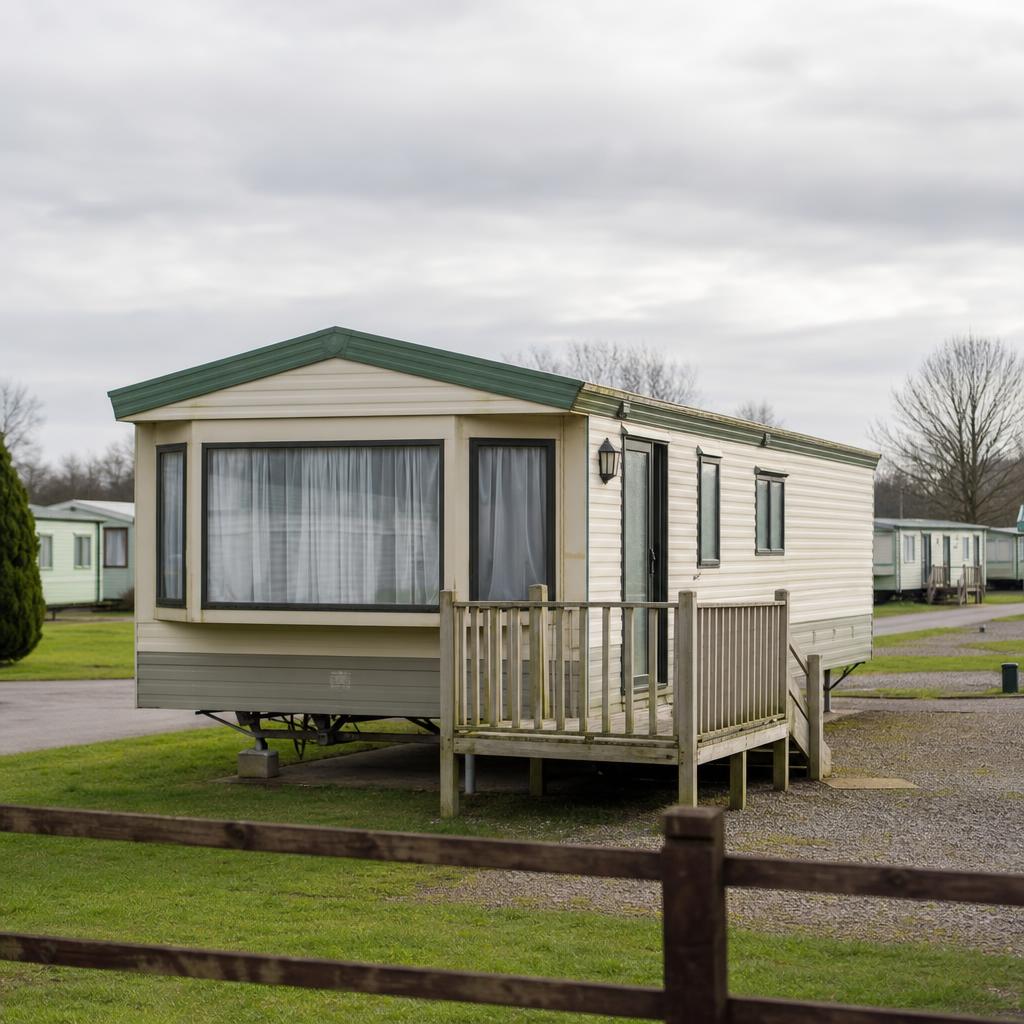
What is a holiday lodge?
A holiday lodge is a leisure unit designed for short breaks, seasonal stays, and recreational use. It is usually more spacious and better specified than a basic static caravan, with improved insulation, larger living areas, and higher-end finishes.
In buying a holiday lodge UK decision, the property is often treated as a lifestyle purchase first and an asset second. That is why buyers should focus on park quality, licence terms, and ongoing affordability rather than just headline price.
Is Buying A Holiday Lodge A Good Investment?
Buying a holiday lodge UK can be a good investment if your definition of investment includes personal use, lifestyle value, and controlled costs. It is usually not a high-yield income asset in the same way as a successful rental flat. Nevertheless, many buyers see value in the combination of holiday access, family use, and potential resale demand.
The key point is this: a holiday lodge is rarely a pure financial play. According to leisure industry guidance, depreciation is common in the early years, especially for new units, but the impact varies by build quality, park reputation, and location. A lodge on a desirable, well-managed park may retain interest far better than one on a weak site. As a result, park choice can matter more than the model itself.
When buyers ask whether buying a holiday lodge UK is a good investment, they often really mean, “Will I get value for money?” That depends on your usage pattern. If you use the lodge 30 to 50 nights a year, the effective cost per stay can compare well with repeated hotel bookings. For example, a £120,000 lodge used 40 nights a year over five years equals 200 nights of use before resale, excluding fees. That is £600 per night before running costs, which then drops if the lodge is used for longer or sold well.
By contrast, if you only visit six times a year, the economics change quickly. Annual site fees, utilities, insurance, and maintenance can easily add several thousand pounds. Therefore, the lodge must be worth it as a personal retreat, not just as a financial line item.
You can read White Park Home Group’s deeper ownership article, Holiday Lodge Ownership UK: Complete Rules and Cost Guide for Buyers, for a more detailed breakdown of the ownership model. It is also useful to compare external guidance, such as NCC guidance for consumers thinking of buying a residential park home or a holiday caravan or holiday lodge, which highlights consumer checks that are easy to miss.
In short, buying a holiday lodge UK can be a good investment if you value usage, location, and lifestyle returns. If you want guaranteed income growth, however, a lodge is usually the wrong product.
Is owning a lodge profitable?
Owning a lodge can be profitable only in limited situations. Some owners offset costs through holiday letting, but profit is reduced by park restrictions, management fees, taxes, maintenance, and seasons with weaker demand.
For most people, the real return is measured in personal enjoyment, not cash flow. That is why buying a holiday lodge UK works best when lifestyle value is the primary goal.
How Holiday Lodge Ownership Works
Holiday lodge ownership works through a mix of property ownership and park-based permission. You usually own the lodge itself, but the pitch or plot is governed by a park agreement. That means the park operator controls site rules, operating seasons, and service charges.
This is one reason buying a holiday lodge UK requires more due diligence than a normal home purchase. According to industry guidance, many parks operate under a holiday licence that restricts permanent residence. Some also limit subletting, pet numbers, or exterior changes. Therefore, the written agreement matters more than verbal assurances.
A sensible buying process usually follows six steps. First, choose the park and location. Second, inspect the lodge specification and condition. Third, review the site licence, pitch agreement, and park rules. Fourth, check the full cost schedule. Fifth, confirm finance and affordability. Finally, instruct a solicitor where needed and complete the sale.
The buying journey can feel complex, which is why it helps to see the process visually. This short explainer from The Swift Group gives a useful overview of the main stages before purchase:
<div class="se-video" style="position:relative;padding-bottom:56.25%;height:0;overflow:hidden;margin:24px 0;">
It is also wise to compare lodge types. New lodges usually offer warranties, fresh interiors, and lower immediate maintenance, while pre-owned lodges can provide lower entry prices. However, a lower price does not always mean better value. A pre-owned unit with high pitch fees or limited licence years may cost more over time.
The operational side is just as important. Many parks charge for utilities, refuse collection, landscaping, and general upkeep. On average, annual site-related costs can range from several thousand pounds to well over £10,000 on premium sites, depending on location and services. That is why buying a holiday lodge UK should always be assessed on total ownership cost, not just asking price.
If you are still comparing ownership styles, White Park Home Group’s Holiday Lodge Parks UK: How to Choose the Right Park guide is a useful next step. It explains how park quality affects comfort, compliance, and resale.
Meanwhile, buyers who want to understand the difference between holiday and residential use should also consult the Holiday and Residential Parks Association explainer:
<div class="se-video" style="position:relative;padding-bottom:56.25%;height:0;overflow:hidden;margin:24px 0;">
Once you understand the structure, buying a holiday lodge UK becomes much easier to evaluate. The real question is not simply “Can I buy it?” but “Can I live with the rules, costs, and limitations for years to come?”
What documents should you review first?
Start with the site licence, written pitch agreement, park rules, and any warranty paperwork. These documents define how the lodge can be used, what you pay, and what happens if the park changes ownership.
In buying a holiday lodge UK, the paperwork is not a formality. It is the difference between a smooth purchase and a costly misunderstanding.
Can You Live In A Holiday Lodge Permanently?
Usually, no, you cannot live in a holiday lodge permanently unless the park is specifically licensed for residential use. Most holiday parks are registered for holiday occupation only, and that means your lodge is not a legal full-time home.
This is one of the most important issues in buying a holiday lodge UK. Buyers sometimes assume that a lodge can double as a second home or downsizing option all year round. In reality, the park’s licence, planning permission, and site rules decide what is allowed. If the park says holiday use only, permanent residence can breach the agreement and create serious problems.
There is a strong reason for this distinction. Holiday parks, by design, often close for parts of the year or limit winter occupancy. Some parks are open for 10 to 11 months annually, while others operate different seasonal windows. As a result, permanent living may not just be prohibited; it may also be impractical if facilities reduce service during off-peak periods.
If your aim is all-year living, you should look at residential park homes instead. White Park Home Group explains this difference in detail in Can you live permanently in a holiday lodge? UK rules, licences, and what parks allow and Residential Park Homes in the UK: Costs, Rules, Site Licences & Who It Suits.
The rule of thumb is simple. If you want holiday flexibility, a lodge may fit. If you want a permanent retirement home or year-round downsizing base, a residential park home is often the better fit. Therefore, do not let a beautiful location distract you from the licence question.
From a buyer-protection point of view, this section is a core part of buying a holiday lodge UK because misuse can affect insurance, financing, and future resale. Always ask the operator in writing whether the park is holiday-only, mixed-use, or residential.
What is the difference between holiday and residential use?
Holiday use means short breaks and seasonal stays. Residential use means the unit is legally intended for permanent occupation as a main home.
The difference matters because buying a holiday lodge UK on a holiday licence does not give you the same rights as a residential home purchase.
Do You Pay Council Tax On A Holiday Lodge?
Usually, no, you do not pay council tax on a holiday lodge used strictly as a holiday property. However, the exact tax treatment depends on how the lodge is classified, how it is used, and whether it is available for full-time occupation.
This is another area where buying a holiday lodge UK needs careful checking. If a lodge is classed as a holiday home and meets the relevant criteria, it may fall outside council tax. In some cases, business rates can apply instead if the lodge is commercially let and meets the rating rules. Therefore, tax is not always simple, and you should not assume one answer fits every park.
According to local authority and valuation rules, classification can depend on factors such as layout, mobility, permanent foundation status, and the way the unit is marketed or occupied. Some councils also scrutinise whether a property is genuinely used for holiday letting. That means the same lodge may be treated differently depending on its use and park setup.
If you are considering buying a holiday lodge UK as a let-and-use asset, always ask the park and your accountant how the lodge is likely to be treated. Tax mistakes can quickly turn a promising purchase into a frustrating one.
A practical example helps. Suppose your annual pitch fee is £7,500 and your utilities and insurance total £1,800. If you also pay for business cleaning, repairs, and occasional letting costs, the combined running total can rise above £10,000. In that case, tax classification may materially affect affordability.
For a broader ownership framework, it is worth reading How much does a holiday lodge cost to buy in the UK? (Realistic Price Bands + Ongoing Costs), because council tax is only one part of the overall running picture. The larger point is this: buying a holiday lodge UK should be assessed as a complete annual-cost decision, not as a one-off purchase price.
If tax is a major concern, get written clarification before exchange. That simple step can prevent expensive surprises later.
Could a lodge ever attract business rates?
Yes, some lodges used for holiday letting may be assessed for business rates instead of council tax. This depends on local rules and how the property is used.
That is why buying a holiday lodge UK should always include a tax check, especially if rental income is part of your plan.
Site Fees, Maintenance And Running Costs
Site fees, maintenance, and utilities are the real cost centre in lodge ownership. In many cases, these recurring charges matter more than the purchase price over time.
When people ask about buying a holiday lodge UK, they often focus on the sticker price first. However, the annual bills can be significant. Site fees commonly cover the pitch, park upkeep, landscaping, roads, drainage, and communal areas. On premium parks, fees can rise substantially if the site offers leisure facilities, security, or concierge-style management.
As a rough guide, annual site fees can range from around £3,000 to more than £10,000, depending on location and park standard. Utilities may add another £1,000 to £3,000 or more, especially if heating, hot tubs, or all-year usage are involved. Insurance, gas checks, appliance servicing, and general maintenance can add several hundred pounds more.
That means a lodge bought for £120,000 could easily cost £10,000 to £15,000 per year to run, depending on the park and usage pattern. Consequently, buyers should ask for a full cost schedule before reserving.
The best parks are transparent about their charges. You should ask what is included, what rises annually, and how often increases are reviewed. In many cases, fees rise in line with service costs or park investment. However, some parks also pass through one-off infrastructure charges, so clarity matters.
If you want a practical cost comparison, White Park Home Group’s How much does a holiday lodge cost to buy in the UK? guide is a useful reference. It breaks down price bands and ongoing fees in a buyer-friendly way.
For location-specific insight, buyers may also want to compare the countryside and coast. For example, Holiday lodges for sale by the sea may offer a different running-cost profile from inland park communities. Coastal sites can carry stronger seasonal demand, but they may also have more exposure to weather-related maintenance.
Therefore, the true affordability question is simple. Can you comfortably pay the lodge bills even if you use it less in a given year? If the answer is yes, buying a holiday lodge UK may be sustainable. If not, the purchase may feel expensive very quickly.
What running costs are easiest to underestimate?
Insurance, pitch fee increases, exterior maintenance, and utility spikes are the most commonly underestimated costs. Owners also forget about decorating, cleaning, and appliance replacement.
In buying a holiday lodge UK, underestimating annual costs is one of the fastest ways to create buyer regret.
Finance Options And Affordability
Finance for lodge purchases is possible, but it is not always as straightforward as a standard mortgage. That is why affordability checks should happen early, not after you fall in love with a unit.
Buying a holiday lodge UK usually involves specialist finance, personal savings, or a combination of both. Some lenders offer holiday home finance, but criteria can be strict. They may look at age limits for the lodge, park approval, deposit size, and your overall income. In many cases, a deposit of 15% to 30% is common, although this varies by lender and product.
Because lodge assets depreciate differently from houses, lenders may be more cautious than they are with residential property. As a result, term lengths can be shorter, and monthly payments may be higher. This makes total affordability just as important as the headline rate.
A good affordability check should include the purchase price, deposit, finance cost, site fees, insurance, utilities, and a reserve for repairs. If your annual running costs exceed your expected usage value, the purchase may not make sense. Conversely, if the lodge replaces several expensive hotel holidays, the equation may be favourable.
For some buyers, cash purchase is simplest. It removes monthly lending pressure and makes ongoing costs easier to manage. However, cash buyers should still keep a contingency fund. A practical reserve of at least 5% to 10% of the purchase price is sensible for unexpected repairs, especially on older units.
You can also compare lodge types and ownership routes on White Park Home Group’s New lodges for sale: What You Get New vs Pre-Owned page, which helps buyers understand warranties and lead times. This matters because new and pre-owned lodges can have different finance profiles.
In the wider market, specialist lodge providers often highlight ownership flexibility. For instance, Holiday Lodges for Sale in the UK | New and Used and The ultimate guide to buying a holiday lodge – Woodland Park both underline the importance of park rules and costs.
Ultimately, buying a holiday lodge UK should feel comfortably affordable in both good years and tight years. If the numbers only work at the edge of your budget, pause and reassess.
How much deposit do buyers usually need?
Many specialist lenders ask for a deposit of 15% to 30%, although exact requirements vary. Higher deposits can improve borrowing options and lower monthly payments.
When buying a holiday lodge UK, a stronger deposit also gives you more breathing room if site fees rise or maintenance costs increase.
Legal Considerations Before You Buy
Legal checks are essential because lodge ownership is governed by park law, consumer law, and the written site agreement. This is the section most buyers skim, yet it is one of the most important.
Buying a holiday lodge UK without legal review can lead to nasty surprises. You need to confirm who owns the pitch, what the licence allows, how the agreement can change, and what happens if the park is sold. You should also check whether there are any hidden commission clauses, transfer fees, or park-specific restrictions on resale.
Do you need a solicitor to buy a holiday lodge? In many cases, yes, especially if you are financing the purchase or want proper review of the site documents. A solicitor familiar with park property can identify issues that a general conveyancer might overlook. For example, they can check whether the agreement is fair, whether the park has valid planning permission, and whether the unit has the correct classification.
The Holiday and Residential Parks Association video is a helpful reminder that holiday lodges, park homes, and holiday caravans are not interchangeable in legal terms:
<div class="se-video" style="position:relative;padding-bottom:56.25%;height:0;overflow:hidden;margin:24px 0;">
There are also practical legal issues linked to owner transfer and resale. Some parks require notification before sale. Some levy commission on resale, often at a significant percentage. Industry practice has historically seen commission rates around 10%, although terms vary by park and agreement. Therefore, any future sale should be factored into your buying decision now.
It is also wise to review park credentials. Trade associations, consumer guidance, and transparent park operators usually give buyers more confidence. White Park Home Group’s Luxury Lodge Parks UK: What to Expect, What to Ask, and How to Compare can help you assess park standards before you book a viewing.
Finally, remember that buying a holiday lodge UK is still a significant property transaction. You should not rely on glossy brochures or verbal promises. Instead, request documents, read them carefully, and keep written records of every key answer.
What should a solicitor check?
A solicitor should review the pitch agreement, licence type, park rules, ownership title for the lodge, finance terms, and any resale restrictions. They should also flag unusual fees.
In buying a holiday lodge UK, legal review helps you understand what you are really committing to before you pay a deposit.
What Is The 15 Year Rule?
The 15 year rule usually refers to the common park practice of limiting the number of years a lodge may remain on site before replacement, review, or removal. It is not a single universal law, but it is a crucial ownership issue.
In buying a holiday lodge UK, the 15 year rule matters because many parks will only accept lodges up to a certain age, or may ask owners to replace units after a defined period. This protects park presentation, safety, and long-term standards. However, the exact rule depends on the park agreement, not just the model of lodge.
Some parks set a fixed maximum age, such as 15 years, while others allow continued occupation if the lodge remains in good condition and passes inspection. Consequently, two lodges of the same age may have very different futures depending on park policy. That makes age policy a major resale and planning factor.
If you are buying an older unit, ask three questions. How long can it remain on the park? Is extension possible? And what happens when the age limit is reached? Written answers matter more than assumptions. A lodge that seems cheap today may become expensive if replacement is required sooner than expected.
This is why White Park Home Group often advises buyers to treat park rules as part of the product. The park does not just host the lodge; it shapes the ownership experience. For buyers comparing product types, the Static lodge for sale UK: What It Means, Pros/Cons, Costs & Rules page is also useful because age and siting rules can differ.
According to NCC-style consumer guidance, buyers should always ask about the expected lifespan of the unit and the park’s written policy on age limits. That advice is practical, because the age rule can materially affect exit strategy.
So, when buying a holiday lodge UK, do not ask only what the lodge costs today. Ask what it will need in five, ten, and fifteen years.
Why does the age rule matter so much?
The age rule affects resale, financing, and your long-term occupancy window. It can also determine whether the park will accept the lodge later.
For buying a holiday lodge UK, a short remaining park lifespan can reduce value even if the unit still looks attractive.
Resale Value And Depreciation
Resale value is usually lower than the original purchase price, because lodges are not typically appreciating assets. Depreciation is normal, especially in the first few years, and buyers should plan for it from the start.
That does not mean buying a holiday lodge UK is a poor decision. It means you must buy for the right reasons. In many cases, the resale outcome depends more on park quality, condition, and licence remaining than on décor. A well-maintained lodge on a respected park may attract steady interest, while a poorly located or heavily restricted unit can be harder to sell.
The biggest resale drivers are easy to identify. First, location. Second, park reputation. Third, remaining age allowance. Fourth, condition and specification. Fifth, running costs. Together, these factors can influence how quickly a buyer appears and what price they are willing to pay.
Research and market commentary commonly show that older lodges lose value faster than newer ones. In practical terms, the first five years are often the steepest depreciation period. However, a lodge that is used well, kept immaculate, and set on a desirable site can still retain useful value compared with a neglected unit.
This is where buying a holiday lodge UK differs from buying a house. A house may benefit from general market inflation. A lodge is more likely to be judged like a leisure asset with a finite service life. Therefore, you should always think ahead to exit planning.
If you want to compare ownership types, White Park Home Group’s Is buying a holiday lodge a good investment in the UK? Returns, Costs, Depreciation & Risks guide goes deeper into returns and risk. It pairs well with this article because resale and running costs are part of the same equation.
In simple terms, buying a holiday lodge UK is strongest when the use value is high. If you get years of enjoyment, family time, and repeat holidays, depreciation may matter less than the lifestyle return. If you expect house-like appreciation, disappointment is likely.
How can you protect resale value?
Choose a strong park, keep the lodge in excellent condition, and understand the age policy before buying. Low annual costs and good presentation also help.
In buying a holiday lodge UK, resale value is protected more by careful selection than by luck.
Questions To Ask Before Reserving A Lodge
The right questions can save you thousands of pounds and years of frustration. Before you reserve, you should know exactly what you are buying into.
Buying a holiday lodge UK becomes much safer when you ask direct questions. Start with the basics: Is the park holiday-only or mixed-use? What are the annual site fees? Are utilities metered separately? What is included in the sale? And are there any transfer or commission charges on resale?
You should also ask about the surrounding community and practical access. For example, how busy is the park in high season? Is parking available for guests? Are pets allowed? How close are the nearest shops and services? These details can affect your enjoyment more than the kitchen specification.
A viewing should also test real-world comfort. Visit in more than one season if possible. A lodge that feels perfect on a sunny day can feel very different in winter. Ask whether the park remains open year-round for owners, what maintenance response times look like, and how quickly issues are handled.
For a clearer buying framework, White Park Home Group’s Lodge Retreat UK: The Quiet-Luxury Guide to Countryside & Coastal Escapes can help you compare the experience buyers are actually seeking. You may also want to review Best Lodge Parks UK: How to Choose + Top Regions for Luxury Lodges if you are still narrowing down location.
A useful approach is to make a checklist before every viewing. Bring it to each park and compare the answers side by side. That stops glossy marketing from overpowering hard facts.
In buying a holiday lodge UK, the strongest decision is usually the one that survives a difficult question-and-answer process. If a park answers clearly, that builds trust. If answers are vague, keep looking.
What questions should be non-negotiable?
Ask about site fees, licence terms, resale commission, age restrictions, utility billing, and whether permanent living is allowed. Also ask what happens if the park closes or changes ownership.
Those six questions are essential in buying a holiday lodge UK because they reveal the real risks, not just the sales pitch.
Buying A Holiday Lodge UK: What To Know About The Downsides
Every ownership choice has trade-offs, and holiday lodges are no exception. The main downside is that a lodge is a lifestyle asset with ongoing costs and contractual limits.
Buying a holiday lodge UK can disappoint buyers who expect house-style freedom or investment growth. Common downsides include depreciation, pitch fee increases, restrictions on permanent living, limits on subletting, and the need to follow park rules. In addition, sale prices can be softer than some owners expect if the park is less desirable or the lodge is older.
Another issue is seasonality. Even when parks are open for long periods, some services are reduced in quieter months. That can affect usability, maintenance, and the feel of the park. Consequently, a lodge is often best suited to people who actively want a holiday base rather than a full-time property substitute.
There is also a cost of commitment. Once you own a lodge, you may feel obliged to visit to justify the expense. For some buyers, that creates pressure instead of freedom. That is why a realistic usage estimate is important before purchase.
Still, downsides do not automatically make the product wrong. They simply mean buying a holiday lodge UK should be based on honesty. If you want flexible ownership, scenic breaks, and a controlled environment, the product can work well. If you want capital growth, broad letting freedom, and permanent residence, it may not.
A helpful buyer mindset is to treat the lodge like a premium holiday membership plus accommodation. That framing is more realistic than treating it like a standard property investment. With that understanding, many owners feel the trade-off is worthwhile.
For buyers still comparing alternatives, White Park Home Group’s broader pages on Luxury Lodges UK: A Buyer’s Guide to Owning a Lodge and Holiday house for sale uk can help you compare the lifestyle fit across different ownership models.
How do you avoid buyer regret?
Avoid buyer regret by checking the licence, running costs, resale rules, and your likely usage before you reserve. A second viewing and a written cost breakdown also help.
In buying a holiday lodge UK, the best safeguard is a calm decision, not a rushed one.
Buying A Holiday Lodge UK: Final Buyer Checklist
A final checklist makes the process clearer and reduces the chance of missed details. Use it before any reservation payment.
Buying a holiday lodge UK should always be supported by a simple, practical review. First, confirm whether the park is holiday-only, mixed-use, or residential. Second, check the site fees and what they include. Third, ask about finance, deposit size, and borrowing terms. Fourth, understand tax treatment. Fifth, review the age policy and resale restrictions. Sixth, confirm whether you need a solicitor.
You should also ask about condition, warranties, insurance, and maintenance history. If the lodge is pre-owned, check for signs of damp, roof wear, heating issues, and appliance age. If it is new, review delivery timelines, spec upgrades, and warranty length. According to market practice, new lodges often come with better short-term protection, while pre-owned lodges can offer lower entry costs.
If you are still comparing regions, White Park Home Group’s location pages can help you narrow down the right setting. For example, Luxury Lodges in Kent: Countryside Breaks Near London + What to Check Before You Book or Buy is ideal for southern buyers, while Luxury Lodges in Derbyshire: Peak District Access, Quiet Parks & Premium Lodge Features suits those who prefer inland scenery. Location choice often defines satisfaction more than model choice.
From a search-intent perspective, this is the answer buyers need. Buying a holiday lodge UK is not hard when the rules are understood. It is hard when the buyer ignores the structure and focuses only on the view. Therefore, slow down, compare carefully, and treat the paperwork with the same attention as the photos.
If you do that, you will dramatically reduce the risk of regret and improve the chance of finding a lodge that truly fits your life.
What does a good lodge buying checklist include?
A good checklist includes park licence, annual fees, tax position, finance terms, warranty details, resale rules, and permanent use restrictions. It should also include the practical details of access, parking, and services.
That checklist is the backbone of buying a holiday lodge UK with confidence.
Key Takeaways
- Buying a holiday lodge UK is best treated as a lifestyle purchase with recurring costs, not a standard house investment.
- The biggest decision factors are park licence, site fees, permanent use rules, finance terms, and resale restrictions.
- Council tax, business rates, and legal status can vary, so buyers should confirm classification before they reserve.
- Depreciation is normal, especially in the early years, which makes park quality and remaining licence years crucial.
- A solicitor is often worth using because lodge agreements and park rules can be more complex than buyers expect.
Frequently Asked Questions
Is buying a holiday lodge a good investment in the UK?
Yes, if you value lifestyle use, family time, and repeat holidays more than capital growth. It is usually not a high-growth financial investment, but it can be excellent value for the right buyer.
Buying a holiday lodge UK works best when you choose a strong park, understand annual costs, and accept that depreciation is normal. If your priority is profit alone, a lodge is rarely the best fit. If your priority is enjoyment plus controlled ownership, it can be a very good choice.
Is owning a lodge profitable?
It can be, but profit is not guaranteed and often depends on letting demand, park rules, and ongoing costs. Many owners find the personal value outweighs the financial return.
In buying a holiday lodge UK, profitability is usually reduced by site fees, maintenance, utilities, and resale commission. Some owners do achieve income, but most should plan around lifestyle return first.
What is the downside of owning a holiday lodge?
The main downsides are depreciation, recurring fees, limited usage rights, and restrictions on permanent living. Those limits are normal in the sector, but buyers need to accept them.
Buying a holiday lodge UK can still be worthwhile, yet it is best for people who want a holiday base rather than a conventional home or a pure investment asset.
Do you need a solicitor to buy a holiday lodge?
Often, yes. A solicitor can review the site agreement, licence terms, finance paperwork, and resale restrictions, which are all important in lodge purchases.
When buying a holiday lodge UK, legal review is especially helpful because park rules can be more complex than buyers expect. A solicitor familiar with leisure property can help you avoid costly mistakes.
Can you live in a holiday lodge permanently?
Usually not, unless the park is specifically licensed for residential use. Most holiday lodges are for seasonal or holiday occupation only.
Buying a holiday lodge UK should never be based on the assumption that you can live there all year. Always check the licence and park rules in writing before you buy.
Do you pay council tax on a holiday lodge?
Usually no, if it is genuinely classed and used as a holiday property. However, tax treatment can vary and some properties used for letting may face different rules.
In buying a holiday lodge UK, it is sensible to confirm the tax position with the park and a qualified adviser before completion.
Enquire now