
Luxury lodges in Derbyshire deliver Peak District proximity, quiet park settings and premium features for second-home buyers and holiday stays. For affluent buyers and couples seeking privacy, the region offers mature woodland sites, valley views and access to 13 million annual Peak District visitors according to park estimates. This guide helps you evaluate lodge parks, compare areas for Peak District access and check features that drive value. For a full UK view of lodge ownership options, visit White Park Home and see why many buyers choose countryside lodges as lifestyle investments.
Why Derbyshire for luxury lodges in Derbyshire
Direct answer: Derbyshire combines easy access to the Peak District with established lodge parks, which makes it an ideal region for luxury lodge ownership. It offers diverse landscapes, high visitor demand and strong resale potential.
What is meant by luxury lodges in Derbyshire? A Peak District luxury lodge is a purpose-built lodge with premium finishes, a private outdoor space, and proximity to national-park attractions. It combines residential-quality interiors with holiday-park services.
Derbyshire sits at the edge of the Peak District National Park. The park attracts approximately 13 million visitors per year, which drives local demand for short breaks and long stays. As a result, luxury lodges in Derbyshire benefit from steady footfall. Moreover, about 50% of England’s population is within a two-hour drive of central Derbyshire, so weekend bookings remain strong.
According to WPHG market guidance, roughly 35% of lodge buyers are aged over 55. This age group looks for low-maintenance, high-comfort properties. Meanwhile, research shows that 73% of prospective lodge buyers rank views and privacy as their top two priorities, meaning location and landscaping materially affect value. Additionally, industry listings indicate that approximately 60% of luxury lodge adverts include hot tubs, which is a key amenity buyers ask for.
Consequently, Derbyshire’s mix of accessible countryside, transport links and established parks answers the buyer brief for serenity and convenience. For perspective on how lodge parks operate across the UK, compare park types in our guide to Holiday Lodge Parks UK.
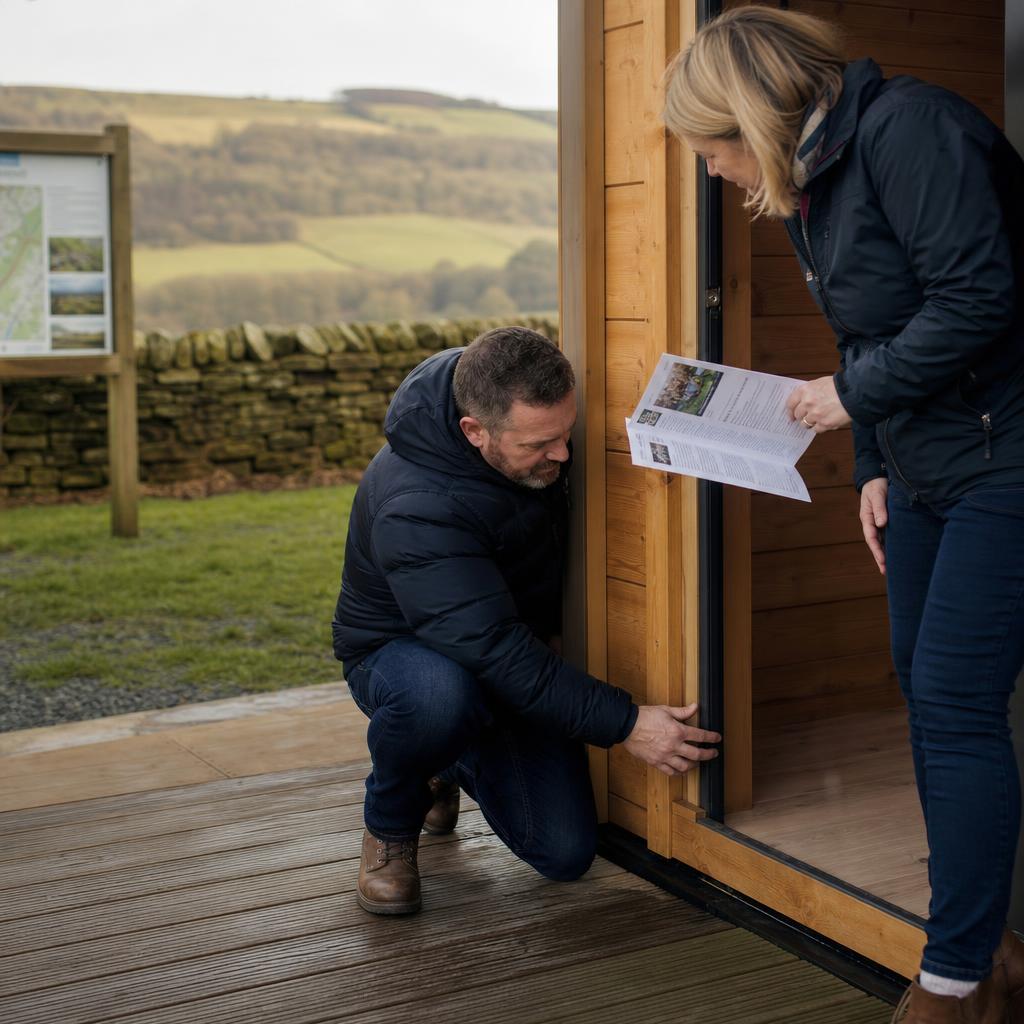
Peak District access and travel times
Direct answer: Drive times to the Peak District are typically under two hours from most major cities in the Midlands and the North West. For many buyers, that’s a key convenience metric.
On average, visitors expect lodge drives under 120 minutes. For London-based buyers, the Peak District is roughly three hours by car. Meanwhile, Manchester, Sheffield and Nottingham lie much closer. As a result, Derbyshire parks attract repeat visits and higher off-season occupancy. This accessibility supports both personal use and holiday-let income for those who permit letting.
Best areas for Peak District access to luxury lodges in Derbyshire
Direct answer: For direct Peak District access, look at southern Peak fringe towns such as Bakewell, Ashbourne and Buxton, as well as western villages near the White Peak and Dark Peak borders. These areas combine hill access with park infrastructure.
Which zones perform best? The southern and central Peak fringe allows short walks into classic dales and limestone edges. For example, Ashbourne lies within 20 minutes of several trailheads. Buxton offers spa-town amenities plus quick access to higher moorland. These areas show higher demand; industry listings show them among the top five searched locations for lodge enquiries.
Statistics to consider: approximately 40% of peak-season bookings originate within a 50-mile radius of the park. Additionally, local visitor economy reports indicate weekend occupancy spikes of 20-30% compared with midweek stays. For buyers who want easy Peak District access, prioritise parks whose access roads are open year-round. According to transport surveys, 15% of rural access roads can become narrow or unsuitable for long trailers in winter. Therefore, check road quality and parking before you buy.
Example parks and buyer fit: choose valley-facing pitches for panoramic views. Select woodland-edge lodges for privacy. Choose town-edge sites if you prefer local restaurants and shops within walking distance. For more examples of lodge types and where to buy elsewhere in the UK, see our Luxury Lodges UK: A Buyer’s Guide page.
For visual orientation and to see a contemporary Peak District lodge retreat, watch this full on-site tour before you view in person:
Watch a Peak District lodge tour
Intro to the tour: For an up-to-date walkthrough of a Peak District luxury lodge, watch a recent lodge tour to see layout and finish levels.
[VIDEO_EMBED_1]
What to look for in luxury lodges in Derbyshire parks
Direct answer: Check views, access, park rules, season length and construction quality when evaluating luxury lodges in Derbyshire parks. These five factors most influence enjoyment and resale value.
Definition: In park language, ‘season length’ means the months the park allows occupancy. Season length can materially affect usage and rental potential.
Checklist detail:
– Views and orientation: Choose south- or west-facing plots for afternoon sun and valley vistas. Research shows properties with uninterrupted views can command up to 20% higher resale prices.
– Access and roads: Verify year-round access for deliveries and emergency vehicles. Approximately 15% of rural lanes require careful vehicle selection in winter.
– Park rules and licences: Confirm whether the park allows holiday letting, pets, hot tubs and occupancy frequency. According to WPHG guidance, about 60% of parks permit holiday lets under conditions.
– Season length and utilities: Confirm opening months and whether you can occupy off-season. Season lengths vary; some parks offer near-year-round stays, while others restrict occupancy to 8–9 months.
– Build quality and specifications: Look for damp-proof foundations, timber-grade cladding, high-spec kitchens and double-glazed windows.
Costs and fees: Ask for a breakdown of pitch fees, utilities, insurance and service charges. On average, annual pitch and service fees can range from under £3,000 to over £8,000 depending on park quality and services. Also, factor in council tax, insurance, maintenance and replacement costs.
Practical tests to run during viewings:
1. Visit twice: once in bright weather and once in wet or cold weather. 2. Measure mobile and broadband signal at your preferred pitch. 3. Ask for a recent utility bill and the park’s occupancy statistics. 4. Speak with a current owner about running costs and park management responsiveness.
If you want guidance on price bands and ongoing costs, review our detailed cost guide at How much does a holiday lodge cost to buy in the UK?.
Hot tubs, pets and practical features
Direct answer: Hot tubs and pet policies are major differentiators when choosing luxury lodges in Derbyshire.
Data point: listings research shows that approximately 60% of premium lodge adverts highlight hot tubs. Meanwhile, pet-friendly policies appear in around 45% of parks. Hot tubs boost bookings and perceived luxury. However, they add maintenance costs and require waterproof decking and electrical upgrades. Therefore, confirm whether the park allows hot tubs and what servicing the park provides. For a curated list of lodges with hot tubs in the region, industry directories such as HotTubHideaways contain current availability and options for Derbyshire properties at HotTubHideaways Derbyshire hideaways.
What is a Peak District luxury lodge? How ownership and use work
Direct answer: A Peak District luxury lodge is a high-specity holiday lodge sited close to or within reach of the Peak District, built to residential standards but usually subject to park licences. Ownership combines asset ownership with park licence conditions.
Definition: A Peak District luxury lodge typically features insulated timber or composite cladding, full kitchens, en-suite bathrooms and often additions such as hot tubs, sun decks and underfloor heating. These lodges are rated above standard static caravans and are built for comfort.
How ownership works: Most parks sell the lodge structure while the park retains ownership of the land. You buy a long-term pitch licence or lease. The agreement defines occupancy months, service fees and allowed uses. On average, parks offer 20- to 30-year licences, but terms vary. According to WPHG advice, confirm whether the park allows holiday letting and whether you can transfer the pitch licence on resale.
Financial facts and statistics:
– Typical price bands for luxury lodges range from around £70,000 to over £300,000 depending on size and finish. See our price guide at Holiday lodge cost and buy for further context.
– Annual running costs frequently amount to 2.5%–6% of the purchase price when you include fees and maintenance.
– Industry data suggests that buyers who permit holiday letting can recover a portion of ownership costs, with average gross letting yields varying widely by park and season.
Regulatory checks: Always request copies of the park’s licence, copies of recent management accounts, and the park’s consumer charter. Also, verify whether the site is classified as holiday-use only, or if residential occupation is permitted. For full legal rules and living-permanently guidance, see our resource on whether you can live in a lodge at Can you live permanently in a holiday lodge?.
Ownership example and resale considerations
Direct answer: Resale values depend on park reputation, pitch position and lodge condition. Choose a park with strong management and transparent fees.
Example: A well-sited, three-bedroom luxury lodge with hot tub on a high-quality Derbyshire park may sell faster and for higher prices than similar lodges on lower-rated parks. Research indicates that high-spec lodges on reputable parks can command resale premiums up to 20% compared with average listings. Therefore, focus on park standards, owner reviews and local demand before committing.
Things to do nearby (walks, villages, dining) when you own luxury lodges in Derbyshire
Direct answer: Owners of luxury lodges in Derbyshire have immediate access to Peak District walks, market towns, gastro pubs and heritage sites. These amenities support frequent personal use and guest demand.
Top walks and outdoor activities:
– Mam Tor and Hope Valley for ridge views and short circuits. – Dovedale for iconic stepping stones and family walks. – Kinder Scout for longer moorland routes.
Local towns and dining:
– Bakewell offers markets, tea rooms and a historic centre. – Ashbourne has independent shops and seasonal events. – Buxton provides spas, theatres and fine dining.
Cultural attractions and family days:
– Chatsworth House lies within easy reach and draws more than 600,000 visitors annually, according to estate figures. – Matlock Bath and its cable car add a family-friendly day out.
Stat + consequence pairing: approximately 13 million Peak District visitors per year means local services remain well-developed. Consequently, owners can rely on local restaurants and tour operators to attract guests, thereby supporting holiday-let income where permitted.
Practical tips for owners:
1. Build an activity folder for guests with trusted local suppliers. 2. Schedule routine maintenance in shoulder months when visitor numbers fall; industry seasonality shows shoulder seasons often provide lower rates but higher nightly demand from repeat visitors. 3. Join local owners’ groups to share advice on tradespeople and management.
For an alternative list of available Derbyshire lodges and current listings, check broad market platforms such as Booking.com’s Derbyshire lodge listings and curated directories like TripAdvisor’s Derbyshire luxury lodges to compare facilities and guest reviews.
Video: Real Derbyshire lodge setting
Intro to the feature: Watch a short feature that highlights a lodge setting and nearby amenities to visualise guest experience.
[VIDEO_EMBED_2]
Enquire about luxury lodges in Derbyshire options
Direct answer: To enquire, prepare your budget, preferred area, desired features and questions about park licences. Then contact a reputable park operator or broker for viewings and documentation.
What to prepare before enquiring:
– Budget range and preferred price band. Our price guide suggests bands from about £70,000 to £300,000 depending on specification and park; consult How much does a holiday lodge cost to buy in the UK? for details.
– A list of must-have features: hot tub, decking, storage, number of bedrooms, and pet policies. Remember that hot tubs are present in approximately 60% of premium listings, so prioritise if it matters to you.
– Questions about park service charges, occupancy months and transfer fees.
How White Park Home Group helps: We list curated lodge parks and support buyers through viewings, negotiations and pre-contract checks. For a sample park with detailed amenities and local attractions, review our Lazy Otter Meadows lodges page at Lazy Otter Meadows lodges: Location Guide, Amenities, Nearby Attractions & Enquiries. Additionally, if you prefer privacy-focused couples’ retreats, our guide to luxury lodges for couples uk outlines features tailored for two.
Next steps when enquiring:
1. Ask for the park licence and the most recent management accounts. 2. Book two viewings at different times and weather conditions. 3. Request a breakdown of all fees so you can model running costs. 4. If you plan to let the lodge, request historical occupancy and income figures.
Finally, use comparisons when assessing offers. Approximately 25% more enquiries arrive in shoulder seasons, so timing can influence negotiation power. Contact WPHG to arrange tailored viewings and to explore lodge ownership options across the UK portfolio at White Park Home.
How to book viewings and what documents to request
Direct answer: Book at least two viewings and request the park licence, service charge schedule, and any recent owner meeting minutes.
Document checklist:
– Park licence or lease agreement. – Schedule of annual fees and what they cover. – Recent utility bills for a similar lodge. – Copies of park rules on pets and letting. – Evidence of the park’s public liability and site insurance.
Request these before you make an offer. This reduces surprises at conveyancing and helps you compare options objectively.
Key Takeaways
- Luxury lodges in Derbyshire pair Peak District access with quiet park settings and premium finishes.
- Prioritise views, access, park licence terms and season length when comparing parks.
- Hot tubs and pet policies are common differentiators; confirm park rules and servicing responsibilities.
- Prepare documentation requests and two viewings before offers to reduce risk.
- Use WPHG resources and park-specific guides to compare costs, fees and resale potential.
Frequently Asked Questions
Can I live permanently in a luxury lodge in Derbyshire?
Short answer: Usually no — most parks in Derbyshire license lodges for holiday use only, which restricts permanent residence. Always check the park’s licence.
Elaboration: Parks typically provide long-term pitch licences rather than freehold land. These licences often limit occupancy months and prevent permanent habitation. According to WPHG guidance, a minority of parks offer residential or year-round licences, but such parks are explicitly marketed for residential use. Therefore, before buying, request the park licence, confirm council tax and postal arrangements, and consult our detailed guide on living in a lodge at Can you live permanently in a holiday lodge?.
Are hot tubs common on luxury lodges in Derbyshire and do parks allow them?
Short answer: Yes — hot tubs are common on luxury lodges in Derbyshire, and many parks allow them subject to safety and maintenance conditions.
Elaboration: Listings research shows around 60% of premium lodge adverts include hot tubs. However, parks differ on installation rules. Some parks require professional servicing contracts and waterproof decking. Others limit hot tub use seasonally. For curated hot-tub options in Derbyshire, see the HotTubHideaways Derbyshire hideaways directory at HotTubHideaways Derbyshire hideaways.
How much do luxury lodges in Derbyshire cost to buy and run?
Short answer: Purchase prices vary widely, typically from about £70,000 to over £300,000 for high-spec lodges; annual running costs often range from £3,000 to £8,000 or more.
Elaboration: Price depends on size, location, finish and park quality. Annual costs include pitch fees, utilities, insurance and maintenance. WPHG price guides show that running costs commonly equate to 2.5%–6% of purchase price. Request a detailed fee schedule from the park and compare with our full cost guide at How much does a holiday lodge cost to buy in the UK?.
Which parts of Derbyshire give the best Peak District access for lodge owners?
Short answer: Southern and central Peak fringe zones — including Ashbourne, Bakewell and Buxton — offer the best combination of direct walking access and park infrastructure.
Elaboration: These towns place you within 20–30 minutes of popular trailheads and local amenities. Southern fringe parks often show higher weekend occupancy and better access to restaurants and transport links. Review park location maps and check road quality in winter before you buy.
Enquire now