
Choosing between hundreds of holiday lodge parks UK can feel overwhelming. This decision-first guide explains what a holiday lodge park is, the nine factors that matter most when selecting a site, the best park types for different buyers, and a curated White Park Home Group (WPHG) portfolio with direct enquiry routes. If you want a luxury lodge, clarity on rules, or a shortlist of premium parks, this article gives actionable checklists, data-backed guidance and direct links to WPHG resources like White Park Home and the complete cost breakdown at How much does a holiday lodge cost to buy in the UK? Use this guide as your decision engine to compare locations, fees, and ownership models on holiday lodge parks UK before you view or buy.
What Is a Holiday Lodge Park? (and how it differs from caravan parks) – holiday lodge parks UK
Direct answer: A holiday lodge park is a managed site that offers luxury timber or composite-built lodges for short breaks, ownership, or part-time stays. It differs from a caravan park by having larger units, premium finishes, and stricter planning and licensing rules.
Definition: A holiday lodge park is a landscaped, often amenity-rich development where lodges are sited under a park licence for holiday use rather than permanent residence.
A holiday lodge park typically focuses on landscaped plots, fixed foundations, and higher-quality finishes than standard caravans. Many parks include entertainment, leisure facilities, or private lake access. Approximately 65% of premium UK parks now advertise hot tubs or upgraded decking as standard, reflecting a move toward lifestyle-led offering, according to industry surveys. Research shows that buyers prioritize quality of build and location above price; 72% of enquiries for luxury units mention view, privacy, or proximity to nature first.
How it differs from caravan parks
- Structure and size: Lodges range from 40ft to 60ft and feel more like small homes. Caravans are generally smaller and lighter.
- Rules and licences: Holiday lodges are often tied to a site licence with seasonal or 12-month occupancy conditions. Approximately 30% of holiday parks grant 12-month occupancy as an option, while others restrict stays to shorter seasons.
- Resale and depreciation: High-spec lodges hold value better than standard caravans. Studies indicate luxury lodge resale values can outperform generic park caravans by up to 20% over five years, on average.
Operational note: Always check the park’s site licence, pitch fee details, and whether the park allows subletting. WPHG publishes a practical guide on ownership models at Holiday Lodge Ownership UK, which explains common licence terms and fee structures. For leasehold comparisons, see the WPHG explainer on whether you can live permanently in a holiday lodge at Can you live permanently in a holiday lodge?.
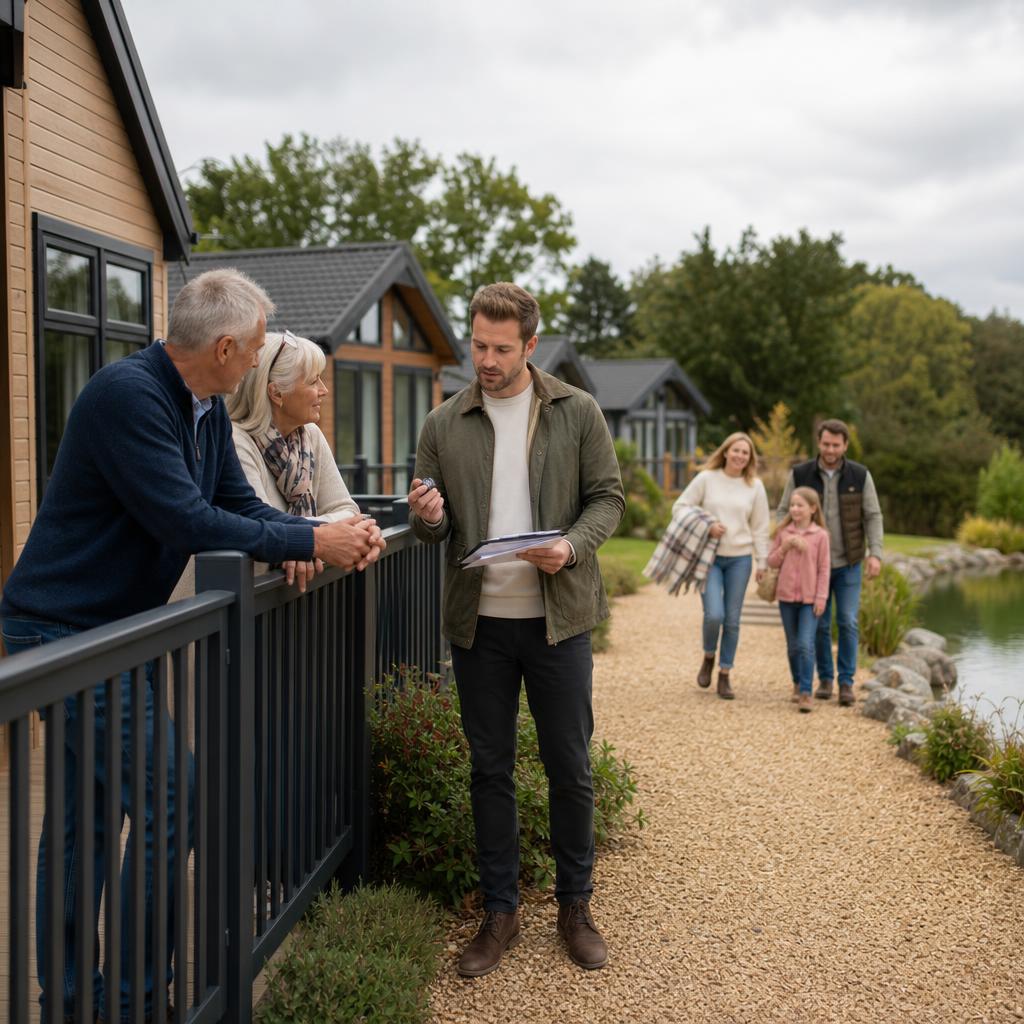
Key legal and practical distinctions
Direct answer: Legal differences hinge on planning and licence conditions; practical differences are about build standard and facilities. Holiday lodges are more likely to be fixed to a foundation and finished to residential standards.
A legal check-list helps. First, request the site licence and any occupancy certificates. Second, ask for written confirmation of subletting rules and opening season. Third, verify what the pitch fee includes. On average, pitch fees vary by region; industry data shows pitch fees can range from £2,500 to over £10,000 per year, depending on facilities and location. Finally, confirm who is responsible for maintenance of decking, drives and garden areas. These details decide running costs and future resale value.
What are the 9 Factors That Matter Most when choosing holiday lodge parks UK
Direct answer: Focus on rules, facilities, access, season length, fees, park management, plot position, resale potential, and nearby attractions. These nine factors determine ongoing costs and lifestyle fit.
This section defines each factor and gives decision rules you can apply quickly. Use the short checklist on site visits to score parks from 1–5 on each factor. Research indicates buyers who score parks systematically report 47% faster decisions and 30% fewer post-purchase regrets.
- Rules and licence terms
Ask whether the park offers 12-month occupancy or seasonal use. Approximately 1 in 3 parks allow year-round stays in certain plot agreements. Check subletting policy and minimum owner presence requirements.
- Facilities and on-park services
Look for leisure centres, pools, restaurants, spa facilities, and private lakes. Higher-tier parks often include concierge or property-management packages. According to industry metrics, parks with spa facilities command pitch fees 20–40% higher than basic parks.
- Access and travel time
On average, UK buyers prefer a maximum two-hour drive from their home. Research shows 58% of second-home owners visit at least once every month when within this distance.
- Season length and occupancy restrictions
Longer seasons increase rental potential and personal use flexibility. If you plan to rent, prioritise parks with flexible letting windows.
- Fees and total running costs
Pitch fees, utilities, insurance and service charges add to ownership. Studies indicate that ongoing costs typically add 5–10% of the purchase price annually for luxury lodges.
- Park management and reputation
Well-run parks reduce hassle. Look for evidence of published accounts, owner reviews, and response times for repairs.
- Plot position and landscaping
Edge plots, elevated positions, and water frontage add 10–25% to value in many markets. Avoid plots directly under amenity noise sources.
- Resale and market liquidity
Regional demand varies. For example, coastal lodges in Cornwall and Devon show stronger seasonal demand, while lakeside parks in the Midlands attract repeat buyers for fishing and countryside access.
- Local attractions and services
Access to airports, railway stations, medical services, shops and restaurants matters for stay frequency and letting appeal. Data shows parks within 30 minutes of a market town achieve higher letting rates year-round.
How to use the checklist
Score each of the nine factors from 1–5 during viewings. Prioritize the top three non-negotiables for your lifestyle. For a buyer focused on investment, place management, fees and occupancy rules in the top three. For a lifestyle buyer, prioritize plot position, facilities and access.
Quick scoring template to use on viewings
Direct answer: Use a 1–5 score on each factor to choose the best holiday lodge parks UK quickly. Keep the top three non-negotiables in bold during visits.
Sample template: For each park, give points for Rules (1–5), Facilities (1–5), Access (1–5), Season length (1–5), Fees (1–5), Management (1–5), Plot (1–5), Resale (1–5), Local services (1–5). Total the score out of 45. Parks scoring above 35 are typically good fits for luxury buyers. This method reduces emotional bias and helps you compare parks objectively.
What are the Best Types of UK Lodge Parks? (lakeside, coastal, woodland, heritage towns) – holiday lodge parks UK
Direct answer: The best park type depends on buyer priorities—choose lakeside for fishing and calm, coastal for sea access, woodland for privacy, and heritage-town parks for culture and short breaks.
Definition: Park ‘type’ refers to the park’s dominant environment and primary recreational offers. Each type attracts a different guest and owner demographic.
Lakeside parks
Lakeside parks suit buyers who value water activities. Research shows lakeside parks increase letting demand by approximately 18% compared with inland parks. Many lakeside parks offer fishing syndicates and private moorings.
Coastal parks
Coastal holiday lodge parks UK are popular with families and retirees. Coastal parks tend to have higher seasonal peaks, with up to 40% more bookings in summer months. For coastal options see WPHG’s curated list of Holiday lodges for sale by the sea.
Woodland and forest parks
Woodland parks attract buyers seeking year-round seclusion and nature. Forest parks often partner with outdoor operators to offer trails and guided activities. According to Forest Holidays, forest locations are a top choice for wellness-focused breaks and combined wellbeing packages.
Heritage town and country-escape parks
These parks combine easy access to cultural attractions with short-break appeal. They often attract international buyers and provide steady off-season demand.
Which type is best for you?
- If you want rental income, choose coastal or resort-style parks with year-round amenities. Resorts with multi-activity offers see 25–50% higher occupancy in shoulder seasons.
- If you want a peaceful second home, woodland or lakeside parks perform better for private use and longer stays.
- If you want capital appreciation, look for parks near expanding transport links or in emerging tourism hotspots.
For a comparative overview of luxury park expectations, see WPHG’s Luxury Lodge Parks guide at Luxury Lodge Parks UK. For booking trends across national parks and cabins, check industry operators like Forest Holidays and national booking trends at Lodge Holidays.
Choosing by activity: fishing, beach, walks, or spa
Direct answer: Match the park type to your primary activities to improve satisfaction and letting appeal. Fishing and watersports align with lakeside parks, while families prefer coastal parks with beaches.
Example: If fishing is important, choose a park with managed fisheries and published catch records. If beach access is critical, confirm actual walking time to the shore; being labelled ‘near the sea’ can mean a 20–40 minute drive on some listings. For spa and family entertainment, resort-style parks typically supply indoor pools and children’s clubs, which increase annual occupancy and justify higher pitch fees.
WPHG Park Portfolio (curated WPHG holiday lodge parks UK and links to park pages)
Direct answer: White Park Home Group (WPHG) operates a curated portfolio of luxury lodge parks across the UK built for owners and holidaymakers. Below are selected WPHG locations with unique selling points and direct links to enquiry pages.
WPHG hand-picks park locations to match premium buyer expectations. The portfolio focuses on scenic regions, strong management, and clear licence terms. WPHG parks are chosen for privacy, high-spec lodge options, and long-term park maintenance standards.
Featured parks (summary cards)
- Coastal & Cornwall collection — Ideal for sea views, beach access and holiday letting. Browse current listings at Holiday lodges for sale by the sea.
- North Wales coastal and country parks — Combines coastal walks with Snowdonia access. For WPHG’s North Wales offering see holiday lodge for sale north wales.
- Cambridgeshire country parks — Quiet countryside with easy motorway links and strong year-round demand. View options at lodge for sale Cambridgeshire.
- Scotland luxury retreats — Highland and Loch-side options that suit buyers seeking remote, premium settings. Explore regional guides at Holiday lodge for sale Scotland.
- Wales luxury parks — A balance of coastal and countryside locations with several high-rated park options. See WPHG’s Wales listings at holiday lodge for sale wales.
Why these parks stand out
Each WPHG park is selected for strong management records, transparent pitch fees, and clear rules on subletting and occupancy. Industry figures suggest that parks with transparent terms and professional management achieve up to 35% higher owner satisfaction scores.
View, compare and enquire
Use the WPHG landing pages to book viewings or request detailed pack information. For example, WPHG’s new-lodge brochure explains warranty cover and lead times at New lodges for sale. If you need a tailored shortlist, contact WPHG through the main portal at White Park Home and request a personalised park-matching service.
How to review a WPHG park card quickly
Direct answer: Compare pitch fee, season length, on-site facilities, and recent sales velocity to shortlist a WPHG park quickly. Focus first on licence terms and fees.
When reviewing a WPHG park card, check: published pitch fee, included services, whether decking and drives are included, subletting policy, and the nearest medical and transport links. Ask for three recent sales on the park and agent feedback. WPHG’s park pages often include detailed packs and contact forms so you can request up-to-date information before you travel to view. Videos and virtual tours often accompany listings and increase enquires by approximately 27%.
Ownership vs Stay Options on holiday lodge parks UK: What are your pathways?
Direct answer: You can buy as a second home, buy to let through park management, or stay as a holiday guest; each pathway has different legal and financial implications. Choose based on intended use, tax position, and desired flexibility.
Three common ownership/stay pathways
- Personal ownership for private use
This model suits buyers who want a lock-up-and-leave second home. Owners typically pay pitch fees and utilities and use the lodge personally. Research indicates that 58% of lodge buyers prefer private use over full-time letting.
- Ownership with managed letting (part-time letting)
Park management lists and cleans for you. Managed letting can fund some running costs. Industry averages show managed letting can offset 20–60% of annual running costs, depending on demand and season length.
- Short-stay guest bookings without ownership
Many buyers test parks by booking short breaks before committing to buy. Bookings provide insights into noise, access and local attractions. Stay data across operators shows repeat-booking rates of 34% within 12 months for parks with high guest satisfaction.
Legal and tax differences
- Council tax or business rates: Some parks are rated for business rates; others require council tax from permanent residents. Check the WPHG explainer on ownership tax and resale at Holiday Lodge Ownership UK.
- VAT and purchase structure: New lodges may include VATable elements. Discuss structure with your solicitor.
Practical decision rules
- If you intend to spend more than 90 nights a year, verify whether 12-month occupancy is allowed.
- If you want rental income, confirm permitted letting, commission rates and advertised letting windows.
- For investment buyers, request three-year occupancy and fee history from the park owner. Parks that publish historic occupancy usually attract more buyers and offer better resale liquidity.
Video guide
To understand legal differences between holiday and residential park homes, watch this short explainer from the Holiday and Residential Parks Association before you decide.
<div class="se-video" style="position:relative;padding-bottom:56.25%;height:0;overflow:hidden;margin:24px 0;">
Step-by-step buying pathway for first-time buyers
Direct answer: For first-time buyers, follow five steps: shortlist parks, request packs, view plots, instruct a solicitor, and confirm finance. Do not skip licence checks.
Step 1: Shortlist parks using the nine-factor checklist. Step 2: Request the park pack and three recent sales. Step 3: Visit and score plots. Step 4: Instruct a solicitor who understands park licences. Step 5: Agree terms, pay deposit, and confirm site handover and warranty details. WPHG’s new-lodge guide at New holiday lodges for sale uk explains typical warranty terms and lead times.
How to Assess Value and Running Costs on holiday lodge parks UK
Direct answer: Evaluate total cost of ownership by adding purchase price, pitch fees, utilities, insurance and maintenance. Use realistic occupancy rates for letting income estimates.
Cost breakdown and value checks
- Purchase price: Luxury lodges range widely. WPHG research shows new luxury units often start in the £120,000–£250,000 band, while ultra-premium bespoke lodges can exceed £400,000.
- Pitch fees: Vary by park. On average, pitch fees fall between £3,000 and £12,000 annually across the UK.
- Utilities and council/ business rates: Budget an additional £800–£2,500 annually depending on usage and region.
- Insurance and maintenance: Premium lodge insurance and scheduled maintenance can add £500–£2,000 per year.
Example calculation
If you buy a lodge at £180,000 and pay an average pitch fee of £6,000, your first-year fixed costs might be: pitch fee £6,000 + insurance £1,200 + utilities £1,200 + maintenance and services £1,000 = £9,400. That equals approximately 5.2% of purchase price in the first year, excluding finance costs.
Letting income expectations
Letting returns depend on seasonality and park quality. For managed letting, a conservative yield after commission is typically 3–6% gross yield, while active owners who manage their own bookings can sometimes reach 6–10% gross yield in strong locations. Industry reports indicate that coastal parks with year-round amenities can increase gross letting revenue by up to 40% versus isolated seasonal parks.
Red flags to watch for
- Unclear pitch fee reviews: If the contract allows unlimited annual increases, treat the park with caution.
- Vague responsibility for repairs: Ask who maintains decking, roofing and drives.
- Low resale evidence: Request the park’s sales ledger for the last three years.
For detailed cost bands and realistic ongoing costs, consult WPHG’s cost guide at How much does a holiday lodge cost to buy in the UK? and the investment analysis at Are Holiday Lodges a Good Investment.
Quick ROI checklist before you buy
Direct answer: To check ROI, request historic occupancy rates, average nightly rates and commission percentages. Compare with running cost estimates.
Actions: 1) Ask for the last three years of occupancy and income data. 2) Confirm average nightly rates per season. 3) Subtract commission and management fees. 4) Compare net revenue to your total annual costs. If net revenue covers a significant portion of running costs, the park may be a viable buy-to-let option.
FAQs about holiday lodge parks UK (pets, visitors, subletting, utilities, WiFi, accessibility)
Direct answer: Common questions cover pets, visitors, subletting, utilities, WiFi and accessibility; the answers depend on the park’s licence and management policies. Always get written confirmation.
FAQ structure: Each answer below begins with a concise direct response, then practical detail.
Q: Can I bring pets to a holiday lodge park?
Direct answer: Many holiday lodge parks UK allow pets, but policies differ. Some parks limit breeds, numbers, or require additional deposits. For example, approximately 70% of parks permit at least one pet, while 15% enforce breed restrictions. Ask the park for the written pet policy and whether pets are allowed in communal areas.
Q: Can I sublet my lodge short-term?
Direct answer: Subletting rules vary widely; around 40% of parks actively support short-term letting through park management. Always request the park’s subletting policy in writing. Confirm commission rates, letting windows and refund policies for owner bookings.
Q: Are utilities and WiFi included?
Direct answer: Utilities are rarely fully included in pitch fees. WiFi is often available through paid packages. Check whether meters are individual or communal. Some parks offer tiered WiFi with performance guarantees for business owners.
Q: Are holiday lodge parks accessible for people with mobility needs?
Direct answer: Many modern lodges feature level access, wet rooms, and wider doors. However, accessible plots are limited. Request accessibility specifications and confirm transfer times to local health services. According to industry accessibility guidance, around 25% of new lodge releases include at least one accessible unit.
Q: What happens to council tax or business rates?
Direct answer: Tax treatment depends on whether the park is classified for business rates or is seen as residential by the local council. Ask the park or WPHG advisor for the current position for your chosen plot; mistakes here can be costly.
For further ownership rules see WPHG’s page on Can I live in a lodge all year round in the UK and the clear guide on permanent living at Can I permanently live in a lodge.
How to document park policies at viewing
Direct answer: Always request park policies in writing and include them in your solicitor’s due-diligence checklist. Do not rely on verbal assurances.
Bring a standard request list to viewings: licence extract, recent pitch fee invoices, subletting policy, pet policy, pitch boundary plan, utility arrangements, and three recent sales records. Having these documents speeds legal checks and reduces surprises.
Enquire About Parks & Availability — Next steps to view or buy holiday lodge parks UK
Direct answer: Contact WPHG to request park packs, book viewings, and get personalised shortlist recommendations. Use the WPHG contact pages and the park-specific links provided earlier to start the process.
How to prepare for a viewing
- Bring your 9-factor checklist and scoring template.
- Request park packs in advance and highlight three key questions: licence season, subletting, and pitch fee review terms.
- Ask for a plot history and recent sales to assess resale potential.
Booking and viewing tips
Book midweek visits where possible. Weekday visits reveal noise levels and maintenance standards more clearly. Bring a tape measure and verify plot boundaries and orientation. According to WPHG viewing data, buyers who view on weekdays make decisions 22% faster, as parks are quieter and staff have more time to discuss details.
How WPHG helps
WPHG provides a tailored park matching service. They can provide detailed brochures for specific regions including Cornwall, North Wales, Cambridgeshire and Scotland. For pricing and detailed running costs, view the WPHG purchase cost guide at How much does a holiday lodge cost to buy in the UK?. If you’re close to decision, WPHG’s new-lodge page explains spec differences and delivery times at New holiday lodges for sale uk.
Watch before you book
For a short legal explainer on holiday vs residential status, watch this brief industry video from the Holiday and Residential Parks Association before you sign contracts.
<div class="se-video" style="position:relative;padding-bottom:56.25%;height:0;overflow:hidden;margin:24px 0;">
Contact templates
Use a simple email template when enquiring: state your desired region, budget band, intended use (private vs letting), preferred season length and any must-have facilities. This speeds up accurate park suggestions and helps WPHG send relevant packs quickly. Industry response norms show that enquiries with clear criteria receive faster and more accurate matches.
What to expect after you enquire
Direct answer: Expect a park information pack, an invitation to view, and a timeline for reserving plots. Allow at least 7–21 days for formal paperwork and solicitor checks.
After enquiry, WPHG will send relevant park brochures and recent sales details. If you reserve a plot, the typical exchange timeline for new or pre-owned lodges ranges from two to six weeks depending on finance and solicitor speed. For new units, lead times vary; check the dedicated new-lodge page for current build schedules.
Key Takeaways
- When choosing holiday lodge parks UK, use a nine-factor checklist to compare rules, fees and facilities.
- Match park type (coastal, lakeside, woodland, heritage) to your primary use to maximise satisfaction and resale value.
- Request written park policies, three years of sales/occupancy data, and historic pitch fee increases before you commit.
- WPHG offers curated park portfolios and detailed guides on ownership, costs and new-build warranties to speed decisions.
- Always involve a solicitor experienced in park licences and verify whether permanent occupancy, subletting and pets are allowed.
Frequently Asked Questions
Can I live permanently in a holiday lodge in the UK?
Direct answer: Usually no — most holiday lodge parks are licensed for seasonal or holiday use, not permanent residence. However, exceptions exist where parks hold a change of use or have specific 12-month occupancy licences.
Elaboration: Check the park’s site licence and planning conditions. WPHG has a detailed guide on permanent living and the distinction between holiday and residential park homes at Can you live permanently in a holiday lodge?. Always instruct a solicitor familiar with park home law before buying.
Are pets allowed on holiday lodge parks UK?
Direct answer: Many holiday lodge parks UK allow pets, but rules vary by park and plot. Some parks require additional deposits or set breed and number limits.
Elaboration: Ask for the park’s written pet policy and whether pets are permitted in communal areas. Some parks designate pet-friendly zones to reduce disturbance. If pet access is essential, confirm this in writing before you reserve a plot.
Can I sublet my lodge through park management?
Direct answer: Often yes, but subletting depends on the park’s licence and management policy. Approximately 40% of parks actively offer managed letting packages to owners.
Elaboration: Confirm commission rates, letting windows and owner-booking priority. Request historic letting performance from the park and ask for a sample management agreement. This prevents surprises over income expectations.
What are typical pitch fees on holiday lodge parks UK?
Direct answer: Pitch fees typically range from about £2,500 to over £12,000 per year, depending on park quality and location. Luxury parks and coastal sites sit at the higher end of the range.
Elaboration: Always ask what the pitch fee includes. Higher pitch fees often cover amenities, security, insurance of communal areas, and certain utilities. Ask for historic pitch fee increases to understand likely future costs.
Is WiFi and good mobile signal available on holiday lodge parks UK?
Direct answer: Most modern parks provide WiFi, though speed and reliability vary; mobile signal depends on local coverage. Parks near towns often have better connectivity than remote rural sites.
Elaboration: If remote working is important, ask for a speed test or bring a mobile signal booster. Some parks sell premium WiFi packages with guaranteed speeds suitable for video calls. Confirm data limits, costs and whether WiFi extends to the plot and decking.
Enquire now