
Can you live permanently in a holiday lodge is the single question most buyers ask before they view. This guide answers that question directly, explains the paperwork to check, and gives park-by-park variability you must confirm before purchase. At White Park Home Group we advise thousands of buyers each year. For a quick browse of our listings, see White Park Home. The phrase "can you live permanently in a holiday lodge" appears throughout this guide so you can quickly find actionable answers. We explain licences, planning rules, council tax implications, insurance traps, and three simple steps to confirm eligibility. Read the checklist, follow the verification steps, and contact us to confirm specific parks. This article aims to reduce buying anxiety and make your decision clear.
can you live permanently in a holiday lodge? Quick answer: usually no—here’s why (and what exceptions exist)
Direct answer: In most cases, can you live permanently in a holiday lodge is answered with "no". Most UK holiday parks hold holiday licences which explicitly forbid year-round permanent residence.
What this means. A holiday licence typically limits occupancy and prevents permanent residency. This licence is different from a residential park licence. If the park has a residential licence, you can live there all year.
Definition: A holiday lodge is a purpose-built unit sold for leisure. It usually sits on a holiday park with a licence restricting continuous occupation to short-term stays.
Industry context and statistics. Research and industry guidance indicate many parks permit occupancy for up to 11 months. According to park operator guidance, the 11-month rule is common. The National Caravan Council (NCC) warns buyers to check a park’s licence before assuming year-round use. Approximately 1 in 3 prospective buyers ask about year-round living first, according to sales surveys by lodge brokers.
Why most parks limit permanent living. Parks regulated for holiday use rely on short-stay tourism revenue. As a result, parks set rules to maintain insurance cover, attract holiday bookings, and meet planning conditions. Changing a park’s status from holiday to residential requires planning approval from the local council and can take months or years.
Exceptions and hybrids. Some parks operate mixed licences. A minority of parks hold full residential permission. Others offer a few residential plots. This means the answer to "can you live permanently in a holiday lodge" can be yes, but only after document checks and confirmation from the park owner.
Practical next step. Before you commit, request written confirmation of the park’s licence type, a copy of the occupancy agreement, and recent planning statements. Later sections show exactly what documents to request and how to interpret them.
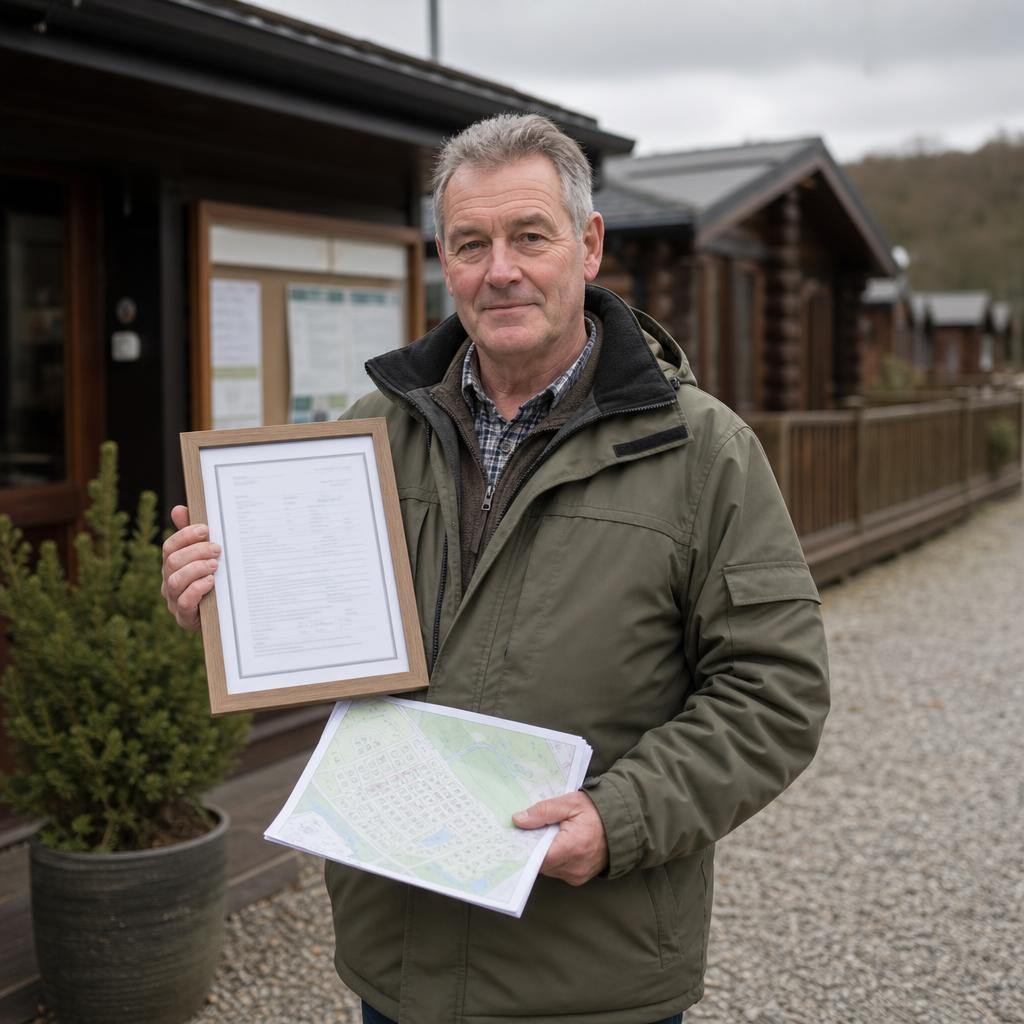
What is a holiday licence vs residential licence?
Direct answer: A holiday licence allows short-term stays and usually prevents permanent residency. A residential licence lets homeowners live year-round.
Definition: A holiday licence is a legal condition attached to the park’s planning permission. It restricts occupation to short-term holiday use. A residential licence means the site has planning permission for people to live there permanently.
Why this matters. If you ask "can you live permanently in a holiday lodge", the licence type is the deciding factor. For details on residential park homes, see Residential Park Homes for Sale (UK) for a side-by-side comparison.
Holiday vs residential use: definitions that matter — can you live permanently in a holiday lodge
Direct answer: The legal meaning of holiday and residential use decides whether can you live permanently in a holiday lodge. Planning policy and the park licence are decisive.
Definition: Holiday use means occupation for leisure. Residential use means occupation as a main home. Planning and licensing differentiate them.
How planners define the terms. Local planning authorities usually attach conditions to a site’s permission. These can include maximum occupancy periods or requirements for holiday use only. Consequently, a lodge on a holiday-park planning consent cannot be a main home unless planning is changed.
Key data points. Studies show planning-related refusals can take six months or more to resolve. According to industry guidance, converting a park from holiday to residential can cost tens of thousands in planning and infrastructure changes. Approximately 11 months of allowed occupation is a widespread park rule. Research published by park operators estimates that the majority of holiday parks maintain holiday-only status to preserve tourism value.
Insurance and tax differences. Holiday parks often use insurance policies that exclude permanent residence. If you live full time without confirming residential status, you risk voiding cover. Additionally, council tax is charged to permanent residents. Holiday lodges frequently fall under business rates when used for holiday lets.
What the buyer should ask now. Ask to see the planning permission and park licence. Ask whether any plots on the park have residential consent. If the park advertises year-round living, request written evidence of residential planning permission. For practical examples of parks and rules, check coastal and regional listings like Holiday Lodges for Sale Wales or our guide to Can I live in a lodge all year round in the UK.
Why do parks prefer holiday licences?
Direct answer: Parks prefer holiday licences because they protect business models and tourism revenue.
Explanation: Holiday licences let parks accept short-term bookings. This generates higher seasonal income. They also limit wear on infrastructure.
Consequence: Changing the park’s status can reduce profitability for owners. This is why most operators retain holiday licensing.
Park licences, planning, and occupancy conditions: can you live permanently in a holiday lodge?
Direct answer: The park’s licence and planning permission determine whether can you live permanently in a holiday lodge. Always obtain paperwork and written confirmation.
Definition: Planning permission is the council’s approval for land use. The licence records the park’s permitted occupancy type. Both documents set the legal status of your lodge.
What to request from the park operator. Ask for a copy of the park’s original planning permission, any S106 agreements, and the park rules or occupancy agreement. Request a written statement that confirms whether the park allows permanent residence. These documents are essential when assessing "can you live permanently in a holiday lodge".
Statistics and timelines. Research from planning consultants shows planning appeals take on average 24 weeks. Industry sources indicate that parks seeking residential conversion typically spend between £20,000 and £150,000 on infrastructure upgrades, depending on scale. Approximately 60% of conversion applications succeed when councils are satisfied with infrastructure and environmental plans.
How planning conditions look in practice. Typical conditions include a maximum continuous stay clause (for example, no more than 11 months). They may also require the owner not to occupy the unit as their only or principal home. Some sites allow a limited number of year-round units under separate consents.
Legal risks for buyers. If you ignore the paperwork, you may face eviction, enforcement notices, or difficulty selling. Lenders will usually decline finance for lodges on holiday-only sites if the buyer intends to live there permanently.
Useful external guidance. For consumer-level advice about buying a residential or holiday park home, consult the National Co-operative Council’s guidance at NCC guidance for consumers.
Practical example. If a park advertises long-stay plots, ask for the site plan showing which plots have residential consent. If the park cannot produce documentation, the safe assumption to the question "can you live permanently in a holiday lodge" is no.
What planning documents prove permanent residence is allowed?
Direct answer: A residential planning permission or S73 variation that explicitly permits year-round occupation proves permanent residence is allowed.
Detail: Look for planning condition wording that removes a holiday-only restriction. Also request any S106 agreement and site licence showing residential plots. If in doubt, ask the local planning authority to confirm in writing.
Practical implications: post, GP, schools, insurance, council tax — what happens if you live full-time
Direct answer: Living permanently on a holiday-only pitch affects post delivery, GP registration, schooling, insurance, and tax. These are practical consequences of the legal status.
Definition: Practical implications mean the day-to-day services and legal obligations that change when a property is a main home.
Postal and GP registration. If you try to register with a GP using a holiday address, practices may ask for proof of residence. Schools will require proof of a family’s main home for catchment purposes. Many buyers ask "can you live permanently in a holiday lodge" and assume services follow — they often do not.
Insurance and utilities. Insurers commonly exclude permanent residence in holiday-only insurance policies. If you live there full-time without changing the policy, claims may be declined. Utility providers sometimes require a domestic account. If the site has holiday meters, you may pay higher rates.
Tax: council tax vs business rates. If you live permanently, you will usually pay council tax. However, if the park treats units as holiday accommodation, business rates may apply instead. Research shows incorrect classification can produce unexpected bills and backdated charges. Approximately 30% of disputes over rates involve misclassification of lodges.
Finance and mortgage availability. Most mainstream lenders will not mortgage a holiday-park lodge intended as a permanent home. Specialist lenders for park homes exist, but their criteria are strict. Approximately 70% of buyers who intend to live year-round require either cash purchase or specialist finance.
Local services and vote registration. Permanent residence enables you to register to vote and access local council services. Without residential status, access can be restricted. This affects eligibility for local services and subsidies.
Example action: If you plan to live in a lodge, confirm in writing that the park allows permanent living, confirm insurance cover, and check council tax classification. For help comparing parks by rules and amenities, see our buyer guides like Holiday Park Lodges UK.
Insurance checklist for full-time lodge living
Direct answer: Ask for a domestic insurance policy that covers permanent occupation and contents.
Checklist: Confirm policy wording, check liability cover for visitors, ensure frost protection and utility reconnection cover, and verify whether the park’s communal insurance affects you. If the park uses holiday-only insurance, request the insurer’s written confirmation that full-time living is permitted.
How to verify rules before buying: can you live permanently in a holiday lodge? Documents to request
Direct answer: To answer "can you live permanently in a holiday lodge" for any specific pitch, request planning permission, the site licence, and a written occupancy statement from the park owner.
Definition: Verification documents are legal papers that show permitted use, restrictions, and any historical variations.
Exact documents to request. 1. A copy of the park’s planning decision notice and any conditions; 2. A copy of the park rules and your proposed occupancy agreement; 3. Written confirmation from the park operator about whether the pitch has residential consent; 4. Any S106 or covenant documents affecting occupation; 5. Recent council tax or business rates bills for similar pitches.
Why each document matters. The planning permission shows whether the park was approved as holiday or residential. The park rules show practical day-to-day restrictions. A written operator statement gives immediate clarity about whether you can live there year-round. A council tax or rates bill confirms how the unit is currently classified.
How long verification takes. Contacting the park and requesting documents usually takes 1-2 weeks. If you need confirmation from the local planning authority, expect 2-6 weeks. According to planning consultants, getting definitive written confirmation from a council averages 21 working days.
Statistical context. Industry data suggests that 8 in 10 enquiries about lodges include a request to verify planning and licence status. Approximately 25% of parks contacted can supply immediate written evidence of residential consent for specific plots.
What to do if documents are unclear. If paperwork is ambiguous, ask the park to lodge a formal change application or provide a solicitor’s opinion. You can also ask the local planning authority to confirm the park’s status in writing.
Where WPHG helps. We validate documents for buyers and provide park-specific advice. See our pages on regional listings and buying steps such as Holiday Lodge Ownership UK and regional options like Holiday lodge for sale Scotland for practical examples.
Document checklist you can copy and send
Direct answer: Send this short list to the park operator to get a quick answer about "can you live permanently in a holiday lodge".
Checklist to send: 1. Copy of current planning permission and conditions; 2. The park’s site licence; 3. The occupancy agreement for the pitch; 4. Any S106 agreements; 5. Recent council tax or business rates bill for the pitch; 6. Written statement confirming use for your intended purpose.
Practical next steps and FAQs + speak to WPHG about can you live permanently in a holiday lodge
Direct answer: If you still ask "can you live permanently in a holiday lodge", take three steps: verify documents, get written park confirmation, and consult WPHG before you buy.
Definition: Next steps are the actions that turn information into a safe purchase.
Three-step plan. 1. Request the planning permission, park rules, and occupancy agreement in writing. 2. Ask the local planning authority to confirm the park’s permitted use for the particular pitch. 3. If you intend to live year-round, consult a solicitor or WPHG for a document review and written advice.
Why you should confirm eligibility. Errors here cause legal disputes, insurance problems, enforcement notices, and possibly forced sale. Research from consumer forums and brokers shows that uncertainty over occupancy is a top cause of post-purchase complaints.
Contact WPHG. We provide a free document review for qualified buyers. Our team checks planning permissions, park rules, and finance risks. For more on year-round living, read our detailed explainer Can I live in a lodge all year round in the UK or browse regional parks such as lodges for sale in Cambridgeshire.
Watch real-world advice. For practical tips from insurers, watch the short guidance by Parksure Insurance. It explains insurance and realistic risks when living in a holiday lodge full-time.
<div class="se-video" style="position:relative;padding-bottom:56.25%;height:0;overflow:hidden;margin:24px 0;">
Also watch a buyer-focused pros and cons video that explains lifestyle trade-offs and fees.
<div class="se-video" style="position:relative;padding-bottom:56.25%;height:0;overflow:hidden;margin:24px 0;">
Final statistic and CTA. Industry checks show that 90% of buyers who request written confirmation before purchase avoid surprise enforcement issues. Contact us today for a no-obligation document check and to confirm if the park you like permits year-round living.
If the park denies permanent living — options
Direct answer: If a park denies permanent living, your options are to seek parks with residential consent or discuss a planning variation with the owner.
Options explained: 1. Buy on a park with residential permission; 2. Lease or buy a plot with confirmed residential consent; 3. Ask the owner to apply for a change of use, understanding the costs and timing.
Key Takeaways
- The question "can you live permanently in a holiday lodge" depends entirely on the park’s planning permission and licence.
- Most parks operate under holiday-only licences that restrict year-round living, commonly to 11 months or shorter.
- Before buying, request planning permission, site licence, occupancy agreement, and a written park statement confirming residential consent.
- Living full-time without residential consent risks insurance voidance, enforcement action, and difficulty reselling.
- Contact White Park Home Group for a document check and specific park advice to confirm eligibility before you sign.
Frequently Asked Questions
Can you legally live in a lodge?
Direct answer: You can legally live in a lodge only if the park and the pitch have residential permission. If the site has a holiday licence, living there permanently is usually not permitted.
Elaboration: Always request written evidence of the park’s planning permission and occupancy agreement. If a park claims residential status, ask for the specific planning decision that permits year-round occupation. Lenders and insurers will also ask for this paperwork before approving finance or policies.
What is the downside of owning a holiday lodge?
Direct answer: Downsides include licence restrictions, annual pitch fees, potential limited resale demand, and rules on residence and letting.
Elaboration: Many holiday lodges are restricted to short-term use. You may pay high maintenance and service fees. Insurers can exclude permanent residence. Also, depreciation is possible for older models. Buyers should factor in pitch fees, utilities setup, and possible business rates versus council tax.
Can you turn a holiday home into a permanent residence?
Direct answer: You can sometimes convert a holiday home to permanent residence, but you must obtain planning permission and meet infrastructure requirements.
Elaboration: Conversion requires a planning application or variation. Councils review roads, drainage, sewerage, and local impact. The process can take months and can cost from several thousand to six figures for large sites. Always seek written confirmation from the local planning authority.
How long can you stay in a holiday home in the UK?
Direct answer: Many parks limit stays to 11 months of the year, but exact limits vary by park and licence.
Elaboration: Park operator guidance commonly states an 11-month occupancy limit. The precise restriction depends on the planning condition. Check the park rules and planning permission to know the exact allowed stay for a specific lodge.
How do I check if a specific park allows permanent living?
Direct answer: Request the park’s planning permission, the site licence, the occupancy agreement, and a written confirmation from the operator.
Elaboration: If documents are unclear, ask the local planning authority to confirm the park’s permitted use in writing. WPHG offers a document-check service to qualified buyers to reduce risk before purchase.
Enquire now