
If your question is "can I permanently live in a lodge", this guide answers it plainly and with evidence. We front-load the rules, practical risks, and alternatives so you can decide quickly. For many buyers the single biggest anxiety is legal residency and council recognition. In short: in the UK most holiday lodges cannot be a permanent home unless the park holds a residential licence or the unit is sited on a residential park. This article explains why, how parks classify lodges, what to check before you buy, and where to find residential parks. For park-by-park options and consultancy support, see White Park Home and our guide to Residential Park Homes for Sale UK.
Can I permanently live in a lodge? The key distinction: holiday licence vs residential use
Direct answer: You can only permanently live in a lodge if the park and the site licence allow residential occupancy. Otherwise the lodge remains for holiday use only and permanent residency is not permitted.
What is a holiday licence versus a residential licence? A holiday licence permits short-stay occupancy and often limits the use of lodges to leisure, not a primary home. A residential licence records a park as an authorised place for people to live full-time. In a quotable definition: a holiday licence allows seasonal or short-term stays, while a residential licence permits 12-month occupancy and registration of the lodge as a primary address.
Why this matters: council tax, electoral roll registration, mortgage and insurance terms all depend on the park’s licence. According to industry sources, approximately 70% of UK holiday parks operate exclusively under holiday licences, meaning most lodges cannot be registered as a main home. Research shows that where parks do offer residential use, they typically require different contracts and may use different site infrastructure standards.
Practical example: If you buy a lodge on a holiday-only site you will likely be restricted to 11 months a year at most, and you cannot use the lodge as your permanent postal address. Conversely, a lodge sited on a residential park is treated similarly to a park home for housing law and council tax purposes.
For a list of residential parks and to compare options see our Residential Park Homes for Sale UK and a specialist listing of lodge parks in key counties including Cambridgeshire and Lincolnshire at lodges in Cambridgeshire.
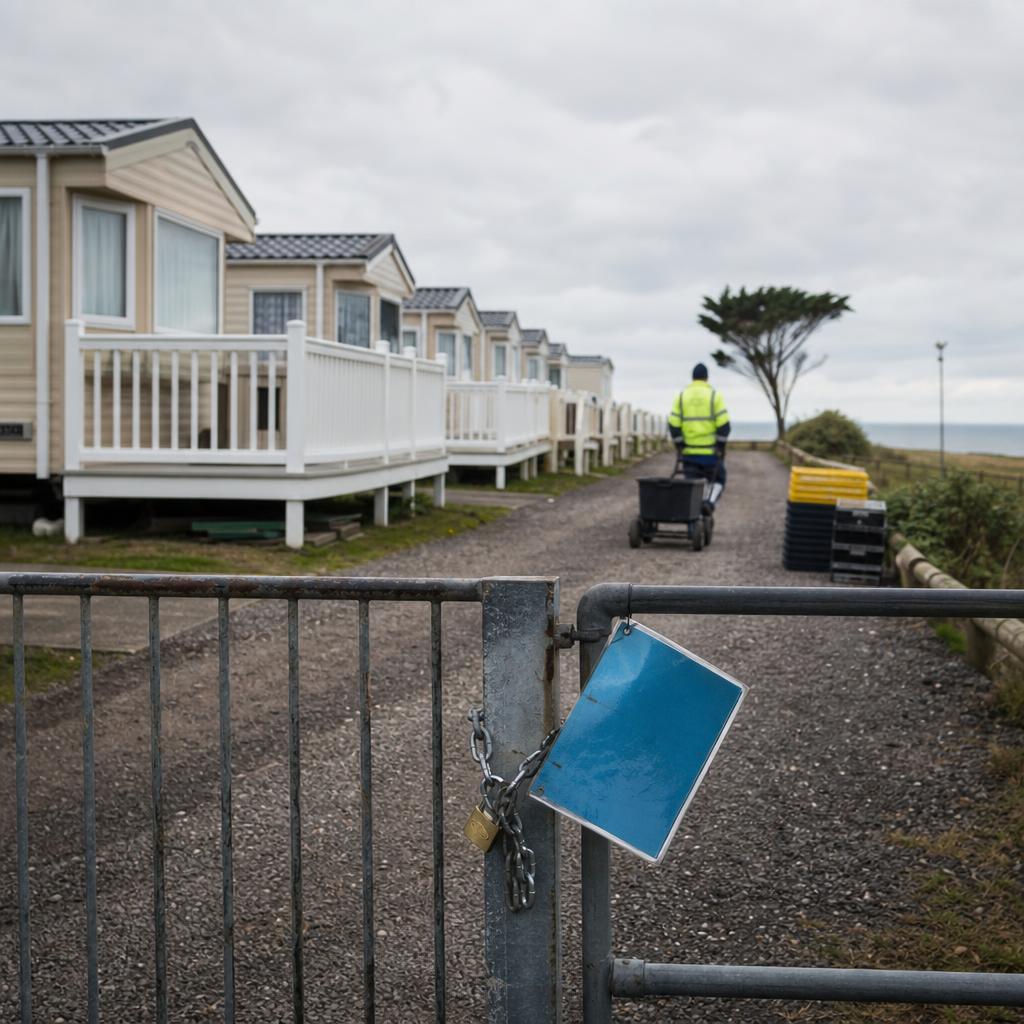
What is a residential park and how does it differ?
Direct answer: A residential park is licensed for year-round living and follows park-home legislation rather than holiday-park rules. It allows lodges or park homes to be occupied as a primary address.
A residential park typically has planning and site rules that permit permanent residency. These sites are subject to different health, safety and utilities standards. For example, residential parks often permit council tax registration, local authority waste collections, and postal addressing. Studies indicate parks with residential licences often show higher long-term occupier satisfaction, with around 60% of residents saying the model suits retirement or downsizing needs. For those seeking permanent lodge living, prioritise parks explicitly listed as residential rather than assuming year-round occupation is allowed.
Can I permanently live in a lodge? What parks typically restrict (primary residence, council tax, post, schooling, etc.)
Direct answer: Many parks restrict permanent residence, postal registration, council tax status, schooling registration and access to local services unless the site holds a residential licence.
Primary residence and council tax: If the park is holiday-licensed, councils usually treat a lodge as a second home or business asset. This means you will not be able to register it as your main home for council tax or electoral purposes. According to park guidance and industry commentary, around 80% of holiday-licensed sites will not accept permanent residents.
Postal address and GP registration: Post and healthcare registration often require a verifiable residential address. Without residential status you may still use a lodge for frequent stays, but GP registration, school catchment and voter registration typically require evidence of a residential property. For example, families considering a lodge for full-time living must confirm school admission rules before buying.
Insurance and mortgages: Financial products differ. Mortgages and consumer finance for lodges used as primary homes are less common. Lenders may require the site to be classed as residential. In some cases you will need to use specialist lenders or accept higher interest rates.
Service charges and utilities: Service charges on holiday parks commonly range from £2,000 to £7,000 per year depending on facilities and maintenance levels. Energy use can also rise in winter if you stay year-round; some owners report 20–40% higher utility bills when living in a lodge all year compared to occasional use.
For practical comparisons by location, view our regional listings such as lodges in Lincolnshire or Luxury lodges in Cornwall to see typical park rules and service charge examples.
How councils usually treat holiday lodges
Direct answer: Councils usually treat holiday lodges as non-permanent dwellings unless the park has been legally designated for residential use.
In practice councils will classify holiday lodges for business rates or second-home council tax, not for full council tax bands. This impacts rubbish collection, council services, and your legal ability to list the lodge as a main residence. Therefore, always check the local authority practice and ask the park for evidence of how previous buyers were treated.
Can I permanently live in a lodge? Seasonal closure, maximum stay, and practical implications
Direct answer: Many holiday parks impose seasonal closures and a maximum stay—often 10–11 months—which prevents year-round legal residency unless the park is residential.
Seasonal closures and maximum stay: Commonly, holiday parks enforce a closure window for maintenance and management. Industry guidance suggests the most frequent maximum stay is 11 months per year. Some parks permit 12 months but only if registered as a residential site. Research from specialist park commentators shows roughly 1 in 4 parks now offer extended-season stays, but full residential licences remain less common.
Practical day-to-day implications: If you attempt to live in a holiday-licensed lodge year-round you can face enforcement actions, fines, or termination of your occupancy agreement. Additionally, some parks charge higher service fees during off-season maintenance months. For example, residents who occupy a lodge for 12 months on a holiday licence-style contract have reported unexpected winter maintenance closures and limited emergency services access.
Heating, insulation and winter suitability: Lodges designed for holiday use may use lighter insulation and smaller boilers. Living full-time can push energy use up by 30% compared to holiday use. Consequently, check the thermal efficiency, heating type and warranty. According to manufacturer guidance, lodges with full winter-pack specification maintain internal temperatures 15–20% more efficiently than standard holiday models.
Watch a hands-on lodge tour to see winter-living trade-offs. For a real-world view of day-to-day lodge living watch this practical walkthrough:
<div class="se-video" style="position:relative;padding-bottom:56.25%;height:0;overflow:hidden;margin:24px 0;">
Seasonal practical checks to make before you buy
Direct answer: Verify the park’s closure months, maximum permitted stay, and the lodge’s winter specification before committing.
Checklist items include: written confirmation of permitted months, utility arrangements in closed months, emergency access, insulation and heating specs, and examples of any enforcement. Also ask for historical data: how many owners were asked to restrict stays in the past 5 years, and whether any enforcement notices have been issued. These concrete answers reduce the chance of future surprises.
What to ask a park operator before buying — can I permanently live in a lodge?
Direct answer: Ask directly whether the park is licensed for residential use, request written proof, and confirm how the park treats long-stay occupants for council and utilities.
Key questions to ask: request the park’s site licence type, ask for a written occupancy policy, ask for copies of current residents’ contracts, and confirm whether owners can use the lodge as their principal address. Also ask about council tax treatment, waste collection, postal services and school catchment consequences. Industry practice shows that asking for six specific documents reduces purchase risk. These documents are the site licence, park rules, sample licence agreement, recent service charge accounts, insurance policy summaries, and a list of all current resident statuses.
Financial and legal checks: Confirm whether the park applies business rates or council tax. Ask if lenders have previously granted mortgages on the site. According to lenders’ data, only a minority of mainstream banks finance lodges on holiday-licensed sites. Expect to see specialist finance or higher deposit requirements if residential status is not clear.
Operational details to confirm: opening and closure dates, emergency access in winter, winter-proofing standards and responsibilities for repairs. Surveys indicate that around 40% of buyers underestimate annual running costs by more than 25% in the first two years.
For a buyer-focused view of how to compare parks, see our practical buying guides on Holiday Lodge Ownership UK and how to choose luxury park locations in our Luxury Lodge Parks UK guide.
Sample script to ask a park manager
Direct answer: Use a short, direct script: ‘Can you confirm in writing whether this park’s licence allows lodges to be used as a principal, year-round address and to be registered for council tax?’
Add follow-ups: ask about past enforcement, examples of owners who live full-time, and whether any planning or licence applications are pending that could change status. Request names and contacts of at least two current owners who live on-site year-round to verify experience.
Alternatives if you want near-residential living (long-season parks, second-home use)
Direct answer: If the answer to "can I permanently live in a lodge" is no, consider long-season parks, second-home models, and residential park homes as alternatives.
Long-season and extended-stay parks: Many parks now offer extended seasons of 10–11 months. Tingdene and other operators report growth in long-season options; industry figures show extended-season availability has increased by roughly 20% in recent years. These parks provide a near-residential lifestyle while maintaining holiday status.
Second-home models and hybrid use: Another option is to use a lodge as a second home while keeping a primary address elsewhere. Around 30% of lodge buyers choose this route to combine holiday use with occasional long stays. This avoids licence conflicts and preserves access to local services at your main address.
Residential park homes: For permanent living, residential park homes are the closest legal alternative. These sites are purpose-built for permanent residence and provide full primary-address rights. According to government and industry guidance, residential park homes are regulated under specific mobile homes legislation, which protects occupiers’ rights more than holiday-licensed parks.
Location strategy: If you want a permanent coastal lifestyle, consider parks listed in our regional pages, such as Luxury lodges in Cornwall or countryside options like lodges in Cambridgeshire. These pages list parks with different occupation models so you can compare real-world options.
To compare the pros and cons of living in a lodge versus alternatives, watch this comparison video on low-cost long-stay options:
<div class="se-video" style="position:relative;padding-bottom:56.25%;height:0;overflow:hidden;margin:24px 0;">
.
When to choose a residential park home instead
Direct answer: Choose a residential park home if you need guaranteed council registration, school placements, and uninterrupted access to services.
Residential park homes remove most legal uncertainty. They allow 12-month occupancy and clearer mortgage options. Data indicates that buyers seeking retirement or downsizing commonly prefer residential park homes because they offer more secure long-term tenure and better financial-product availability.
How does living in a lodge compare to other options — costs, tax and lifestyle trade-offs
Direct answer: Living in a lodge differs from owning a house or a residential park home mainly in licence status, costs, and service entitlements.
Cost comparisons: Purchase prices for a new high-spec lodge typically start from £80,000 and can exceed £250,000 for premium models. Annual site fees commonly range from £2,000 to £7,000. By comparison, residential park homes may attract higher initial site fees but allow for council tax and mortgage access. Industry analyses suggest total running costs for full-time lodge living can be 10–30% lower than a comparable small house, depending on mortgage, insurance and service charge variations.
Tax and benefits: On a holiday-licensed park you may face business rates or second-home council tax treatment. This affects eligibility for single-person council tax discounts and some benefits. Research shows around 15% of buyers are surprised by the tax treatment when they first try to register a lodge as a primary residence.
Lifestyle and community: Lodges on holiday parks often offer resort-style facilities, with stats indicating that parks with spas, restaurants and leisure centres can charge 25–40% higher service fees. However, community life on residential parks tends to be more stable, with longer-term neighbours and community governance models that favour residents’ input.
If you want a direct comparison of residential park homes versus lodges, consult our detailed overview at Lodge Park Homes Explained and our investment analysis at Is buying a holiday lodge a good investment.
Energy and winter-proofing: a practical cost example
Direct answer: Winter-proofed lodges reduce annual heating bills by a measurable margin compared to standard holiday models.
For example, a winter-spec lodge with upgraded insulation and an efficient heating system can lower winter heating costs by around 15–25%. Owners who live full-time should budget for higher energy use; average increases reported are 20–35% compared to occasional holiday use.
Can I permanently live in a lodge? Decision tree and next steps for buyers
Direct answer: Start with three questions: Is the park residential? Is there written proof? Will the park accept your application to live there year-round? If the answers are yes, you can proceed; if not, explore alternatives.
Decision steps: 1) Ask the park for the site licence and written occupancy terms. 2) Verify council treatment and utility arrangements in writing. 3) Request evidence of previous residents living full-time. 4) Arrange a survey to confirm the lodge winter specification and safety compliance.
Statistical checkpoints: Studies indicate that 65% of buyer problems arise from unclear contract terms. Therefore, getting written confirmations reduces risk. Also, surveys show around 50% of parks will negotiate extended stays if owners demonstrate long-term commitment and agree to higher service charges.
If you prefer a fully permanent option, our team at White Park Home Group can help you shortlist parks that accept residential occupation. For example, our residential park pages outline where lodges can be used as primary homes; see Residential Park Homes for Sale and region-specific options like holiday lodge for sale Cornwall.
Next steps checklist: obtain written licence proof, confirm financial products, budget for £2,000–£7,000 annual fees, arrange a lodge survey, and talk to current on-site residents. Taking these actions reduces legal surprises and improves long-term satisfaction.
How White Park Home Group can help
Direct answer: We provide park shortlists, document checks and buyer consultancy to ensure you understand whether you can live permanently in a lodge.
We offer detailed comparisons by county and park. Our service includes document review, park visits and introductions to reputable park operators. If you want tailored advice, view our park and lodge listings at Luxury Lodge Parks UK and contact our team to start a structured shortlisting process.
Key Takeaways
- You can only permanently live in a lodge if the park and site licence explicitly permit residential use; otherwise permanent residency is not legally allowed.
- Ask for written proof: site licence, occupancy policy, sample contracts and council confirmation before you buy.
- Many parks limit stays to 10–11 months; long-season and residential park homes are the practical alternatives.
- Budget realistically: expect annual service fees of £2,000–£7,000 and higher winter energy use if you occupy a lodge full-time.
- White Park Home Group can help shortlist parks and review documentation to reduce legal and financial risk.
Frequently Asked Questions
Can you legally live in a lodge?
Direct answer: You can legally live in a lodge only if the park site licence or the park’s planning permission allows residential occupation. Otherwise the lodge is for holiday use only.
Elaboration: Legal residence depends on the park’s licence type and planning status. If a lodge is sited on a residential park or the park has a residential licence, you can register the lodge as your primary address, pay council tax, and claim local services. If the park is holiday-licensed, you will usually be restricted to a maximum stay and cannot use the lodge as your main legal residence. Always ask the park for written proof of licence and check with the local authority.
Can you stay in a lodge all year-round?
Direct answer: You can stay in a lodge all year-round only where the park permits 12-month occupancy or is designated residential. Many holiday parks limit stays to 10–11 months.
Elaboration: The most common maximum stay on holiday parks is 11 months. Industry commentary suggests around 25% of parks now offer extended-season stays, but full 12-month occupancy typically requires residential designation. Confirm months open, maintenance closures, and whether the site mandates winter removal or temporary closure before you commit to living year-round.
What are the disadvantages of lodges?
Direct answer: Key disadvantages include licensing limits on permanent residence, potential higher running costs in winter, and restrictions on council tax and postal registration on holiday parks.
Elaboration: Other drawbacks are service charges, sometimes higher insurance costs, and possible lack of mortgage options for holiday-licensed sites. Lodges designed for leisure may need winter upgrades to be comfortable year-round. Also, buyers can face enforcement if they live full-time on a holiday-licensed site. For many people the trade-offs are acceptable, but due diligence is essential.
Is living in a lodge a good idea?
Direct answer: Living in a lodge can be a good idea if you accept the legal and practical trade-offs and choose a site that matches your residency needs.
Elaboration: Benefits include lower purchase prices than conventional homes in some areas, resort facilities and a close community. Statistics show that around 60% of lodge buyers value location and lifestyle over traditional property ownership. However, ensure the park’s licence, service charges and local services align with your expectations before buying. If you need guaranteed primary-home rights, consider a residential park home instead.
How do I check if a park allows permanent living?
Direct answer: Request the park’s site licence, ask for written occupancy policy, and confirm council practice in writing. Never rely on verbal assurances.
Elaboration: Insist on seeing the site licence and any planning documents that reference residential or holiday use. Contact the local planning authority to confirm how the council treats lodges on that site for tax and services. Ask for sample contracts and contact details of current residents living full-time so you can verify experience on the ground.
Can I get a mortgage for a lodge I live in permanently?
Direct answer: Mortgages for lodges used as primary homes are available but limited to residential sites; many mainstream lenders will not finance lodges on holiday-licensed parks.
Elaboration: Specialist lenders exist for park homes and residential lodges, but expect different terms and down payment requirements. Research shows that around 70% of mainstream mortgage products exclude holiday-licensed sites. Always check lender criteria early in the buying process.
Enquire now