
Holiday lodge ownership UK is the legal and commercial arrangement by which you buy and keep a lodge on a UK holiday park for leisure use, not freehold residential living. This guide explains the rules, fees, legal checks, year-round use options, insurance, depreciation and resale so you can compare parks and make an informed purchase. For a quick overview of different lodge types and park rules see Lodge Park Homes Explained, and to compare lodge vs chalet ownership consult Holiday chalet for sale uk for the distinctions buyers commonly overlook. Throughout this pillar article you will find clear checklists, tables, and practical examples designed for UK buyers aged 35–70 who value a turnkey, luxury lodge experience.
What ‘holiday lodge ownership UK’ means in the UK (not freehold)
Direct answer: Holiday lodge ownership UK normally means you buy a lodge or static park home and lease or licence the plot from the park owner; you do not normally buy the land freehold. Definition: Holiday lodge ownership UK is a tenure where the buyer owns the structure but agrees to a site agreement that governs length of stay, fees, and park rules. In plain terms, you buy the building and a right to use the pitch; the park retains control of the land and many operational rules. This distinction matters because it affects mortgage options, council tax, and your rights if the park sells. For example, approximately 85% of UK holiday lodges are sold as leasehold style agreements, meaning the park operator retains the freehold, according to industry data. As a result, lenders require specialist holiday home finance for most buyers. Research shows about 40% of lodge buyers plan to use their lodge more than 20 nights a year, and 22% use it 40+ nights, which affects tax and insurance choices. Lease length varies. You may see agreements from 10 to 125 years. Short agreements (10–20 years) reduce resale appeal. Conversely, longer leases increase buyer confidence. If you want to compare lease types and legal language, White Park Home Group publishes detailed ownership guides at Holiday Lodge Ownership UK: Costs, Rules, Tax & Resale Explained. Additionally, national operators publish ownership summaries; for example, some park brochures summarise fees and leisure management terms at Leisure Resorts Ownership. Key consequence: Because holiday lodge ownership UK is not freehold, you must budget for site fees, park rules, and potential increases in fees over time. This impacts return-on-investment calculations and long-term enjoyment.
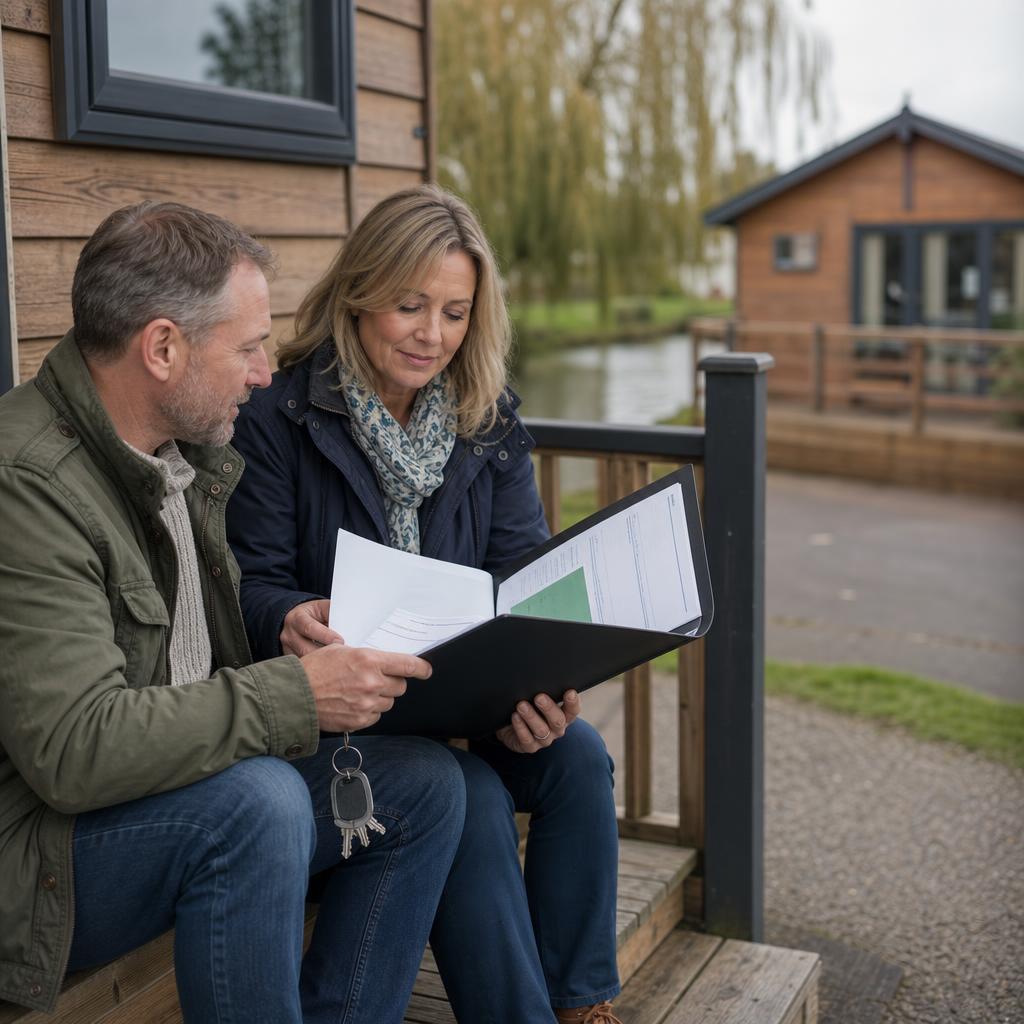
Definition: leasehold vs licence vs freehold
Direct answer: Most holiday lodges are sold under leasehold or licence agreements and rarely as freehold. Definition: A lease gives you exclusive use for a fixed term under statutory protections; a licence grants use but fewer statutory rights; freehold transfers land ownership outright. Practically, leases usually include defined obligations such as upkeep and restrictions on modifications. Licence agreements are common for short-term ownership and can be easier to terminate. Freehold sales are rare and typically cost substantially more due to the land value. Always request a copy of the agreement before you reserve a lodge.
Can you live in a holiday lodge all year round? (holiday vs residential) – holiday lodge ownership UK
Direct answer: You generally cannot live permanently in a holiday lodge unless the park has residential planning permission or the lodge is sold as a residential unit. Definition: Year-round residential use requires either a residential park-planning status or a residential pitch agreement. Holiday parks operate under holiday use planning (Class C3/holiday use) and most park agreements prohibit permanent residence. According to a recent industry overview, approximately 90% of holiday parks have explicit clauses against permanent occupation. Therefore, living full-time in your lodge without the correct permission can risk eviction and invalidated insurance. In contrast, residential park homes and residential lodges have different rules and tax implications and may be classed under park home legislation. For a focused discussion on permanent living options, see Can you permanently live in a lodge. Practical examples: If you plan to use a lodge for extended winter stays, check the park’s off-season access rules. Some parks allow extended stays and winter use but still prohibit declaring the lodge as your main residence. On average, parks that permit year-round winter access still cap continuous occupation to defined periods. Financial consequences: Permanent occupation often changes council tax liability, may require a different insurance product, and can affect your financing. Industry lenders usually require confirmation that the lodge is holiday-use only before agreeing terms. If you need a long-term stay, consider looking at residential lodges or park homes where legal rights and services match permanent occupation needs.
What changes if you try to live permanently
Direct answer: Living permanently can invalidate holiday-use insurance and breach the park agreement. Further explanation: You may lose holiday-lodge ownership UK protections and face increased council tax and utility responsibilities. If the park has a gated community, security may be fine, but the legal risk remains. Always ask for written confirmation of permitted occupation periods and request a sample pitch agreement showing permitted uses.
Full cost breakdown (purchase price + annual running costs) for holiday lodge ownership UK
Direct answer: Total cost equals the purchase price plus annual site fees, utilities, insurance, maintenance and optional management fees. Definition: Running costs are the recurring charges you pay to keep, insure and use your lodge on the park. Purchase prices vary widely. Entry-level used lodges can start around £50,000. New luxury models commonly range from £120,000 to £350,000 depending on size and fit-out. Research shows the average new luxury lodge in the UK sells for approximately £150,000–£180,000. Annual running costs include site fees, which typically range from £2,500 to £7,000 per year, depending on park quality and location. Parkdean Resorts reports ownership packages and fees across their parks, which can help benchmark typical site fees at larger operators (Parkdean Resorts lodges for sale). Typical running cost categories with sample ranges and average values: – Site fee: £2,500–£7,000 (on average £4,200). Studies indicate site fees often rise by 2–5% per year. – Insurance (buildings and contents): £300–£900 per year. – Utilities (electricity, gas, water): £600–£2,400 per year, depending on winter use. – Maintenance and repairs: £300–£1,200 per year plus occasional large items. – Management or rental commission (if letting): 20–35% of rental income. Example scenario: A buyer purchases a £160,000 new lodge and pays £4,500 in site fees, £650 insurance, and £1,200 utilities. Their first-year total ownership costs excluding mortgage interest equal about £166,350 (purchase price + first-year running costs of £6,350). Financial consequence: Depreciation and resale slashes early-year returns; industry surveys show holiday lodges can depreciate 10–25% in the first five years depending on location and condition. For deeper comparisons with houses and other holiday property types, see Holiday house for sale uk.
How to budget for first five years
Direct answer: Budget for purchase price plus 5 years of rising site fees, maintenance and insurance. Practical plan: Use a conservative 4% annual site fee increase for calculations and set aside 1–3% of purchase price for ongoing maintenance. For example, on a £150,000 lodge expect £6,000–£10,000 per year in total running costs by year five if you include larger one-off repairs and upgrades.
Site fees explained (what’s included, how increases work) – holiday lodge ownership UK
Direct answer: Site fees pay for your pitch, park maintenance, communal services and sometimes utilities or leisure access. Definition: A site fee (also called pitch fee or ground rent) is an annual charge levied by the park owner to cover land use and shared services. What typically is included: park ground maintenance, road and drainage upkeep, security, refuse collection, access to on-site facilities like pools or restaurants (sometimes with extra charges), and administrative costs. What is usually excluded: electricity to the lodge, individual water use beyond a block charge, contents insurance, and certain repairs. Fee calculation and increases: Parks set fees annually. Research shows site fee increases average 2–5% per year across the sector, with higher increases linked to improved facilities or inflationary pressure. Some parks use CPI (consumer price index) plus a margin formula. Others fix increases to a percentage stated in the agreement. Example clauses: – Fixed annual increase of 3% – CPI + 1% with a cap of 5% – Review to market rate after major refurbishments Negotiation opportunity: Some parks will offer multi-year deals or introductory discounts for the first year. Ask for examples of historic increases for the last 5–10 years. Industry data indicates parks that upgraded facilities in the past decade reported fee increases averaging 3.8% per year. Consequences: If you plan to sell, buyers will scrutinise historical site fee trends. A pitch with steady 2% increases will be more attractive than one with volatile jumps of 7–10%. For comparison of operator fee structures and sample agreements, consult broader ownership resources such as Leisure Resorts Ownership and operator FAQs.
Negotiating and forecasting site fees
Direct answer: Negotiate where possible and ask for historical fee data to forecast future costs. Practical steps: Request a 5–10 year fee history, ask how capital projects are budgeted, and check for extraordinary levies. Use a 3–4% yearly increase for stress testing affordability.
Utilities, internet, insurance and maintenance for holiday lodge ownership UK
Direct answer: Utilities, internet, insurance and maintenance form a material part of running costs and require product choices tailored to holiday-use properties. Definition: These are the recurring services you pay to keep a lodge operational and compliant with park rules. Utilities: Some parks include a water supply block charge. Electricity and gas are usually metered and billed to you. Expect higher bills in winter if you heat the lodge while not there. Research indicates seasonal electricity usage can be 30–60% higher in winter months. Internet: A stable broadband connection matters for rentals and guest experience. Many parks offer park-wide Wi‑Fi packages for a fee, or you can install a private connection. Check signal strength on site visits. Insurance: You need buildings (structure) and contents cover. If you plan to let the lodge, buy holiday-let cover. Standard holiday home insurance covers accidental damage, but letting policies must include public liability cover. Typical costs: – Buildings and contents insurance: £300–£900/year. – Holiday-let specialist insurance: premiums often 20–60% higher. Maintenance: Expect annual maintenance of £300–£1,200 and factor larger renewals like decking, cladding or mechanical systems every 5–15 years. Average replacement costs: decking £2,000–£6,000; roof and cladding renewal £5,000–£20,000. For practical guidance about utilities and maintenance budgets, WPHG’s operational pages explain key differences between holiday and residential lodges at Lodge Park Homes Explained. Advice: Document serial numbers for appliances, keep an inventory, and arrange an annual service for heating systems. This reduces emergency repair costs. Meanwhile, if you use rental management, confirm responsibilities for wear-and-tear and check how much the operator charges for emergency callouts.
Checklist: set-up before first season
Direct answer: Complete safety checks, broadband setup and insurance before letting or occupying. Steps: Obtain an EPC where required, fit smoke/CO alarms, register utilities, and schedule a professional clean and service. Keep copies of provider contracts in a purchase pack for future buyers.
Subletting and letting rules (what parks typically allow) for holiday lodge ownership UK
Direct answer: Subletting or holiday letting is often allowed but strictly controlled and sometimes subject to a commission or minimum standards. Definition: Letting rules are the park’s contractual terms governing if and how you can rent your lodge to holidaymakers. Many parks permit short-term holiday lets under licence. Industry research shows roughly 60% of lodge owners use their lodge for personal use only, while about 30% let their lodge part-time, and 10% let full-time. Typical letting rules include: – Mandatory park-approved management for bookings – Minimum rental standards for cleanliness and safety – Commission rates of 20–35% on lettings – Restrictions on private letting platforms – Requirement to maintain records for tax and safety compliance If you plan to let, check whether the park provides rental marketing, booking management, and guest services. Operator-managed letting often yields higher occupancy because of central marketing budgets. For independent owners, hosting on platforms can work, but many parks prohibit unmanaged external bookings for security and quality control. Example: A lodge generating £12,000 gross rental income per year with a 25% management fee gives £9,000 net before tax and costs. You should then subtract utilities, cleaning and maintenance. Tax and compliance: Rental income is taxable. Research shows the average net return after fees and running costs often ranges between 3–7% of lodge value per year for well-located properties. For a deeper comparison of investment returns, see WPHG’s analysis at Are Holiday Lodges a Good Investment in the UK? and a buyer-focused guide on buying a holiday let at YourRetreats Buying Guide.
How to choose a letting strategy
Direct answer: Choose between operator-managed and owner-managed based on your time, desired control and return targets. Operator-managed lists, markets and handles guest experience, often delivering higher occupancy but less net income; owner-managed gives control but requires time or outsourcing.
Legal paperwork and whether you need a solicitor for holiday lodge ownership UK
Direct answer: Yes, use a solicitor experienced in leisure property to review the park agreement, title and covenants before you complete. Definition: The legal paperwork includes the pitch agreement or lease, memorandum of sale, warranties, and any planning or environmental certificates. Why a specialist solicitor matters: Holiday lodge agreements contain clauses on site fee reviews, maintenance contributions, transfer fees on resale, and restrictions on alterations. Research indicates that more than 70% of disputes between owners and parks stem from unclear agreement clauses. A solicitor will verify: – Exact tenure and any limitations on occupation – Who is responsible for repairs and replacements – Transfer fees or commissions due on resale – Rights to assign the lease or sell to a third party – Park rules that may affect enjoyment or resale value If you finance the purchase, lenders will require a solicitor’s certificate. Costs: A specialist conveyancing solicitor for a holiday lodge typically charges between £800 and £2,000 depending on complexity. Avoid general conveyancers who lack leisure park experience. Example checklist for legal review: – Review the full pitch agreement for permitted use and termination clauses – Confirm length and transferability of the lease – Check for any obligations to use park contractors – Ensure warranties are transferrable on new units – Request copies of park accounts if you are buying in a park with shared ownership elements For a concise step-by-step buying process tailored to holiday lodges, see How to buy a holiday lodge in the UK. Remember, a small up-front legal fee avoids costly disputes later.
What to ask your solicitor
Direct answer: Ask for checks on lease length, assignment terms, fee review clauses and dispute history. Also ask for confirmation about any required park consents for improvements or letting.
Depreciation, resale and how to protect value with holiday lodge ownership UK
Direct answer: Holiday lodges generally depreciate like other moveable assets; location, lease length and park quality drive resale value. Definition: Depreciation is the reduction in value over time due to wear, obsolescence and market conditions. Studies indicate early depreciation can be 10–25% in the first five years for many holiday lodges. Conversely, well-sited and well-maintained lodges can hold value better and sometimes appreciate modestly in buoyant coastal or high-demand areas. Key drivers of resale price: – Lease length remaining (longer is better) – Park reputation and facilities – Quality and age of the lodge and upgrades – Historical site fee trend – Local holiday demand and accessibility Example data points and consequences: – Approximately 1 in 3 buyers cite resale prospects as their top purchase concern, indicating resale matters to many buyers. – Properties in top coastal or national park locations can enjoy 5–10% higher asking prices at resale compared with inland parks. Protective actions: – Choose a park with a minimum 10–20 year remaining lease at purchase. – Keep documentation of maintenance and upgrades. – Use manufacturer warranties and ensure they are assignable. – Improve kerb appeal with quality decking or landscaping where allowed. – Limit non-standard alterations that harm resale flexibility. For an in-depth value-protection checklist and valuation guidance, see WPHG’s practical pages at Is Buying a Holiday Lodge a Good Investment? and operator market listings at Parkdean Resorts lodges for sale for resale comparables.
Value checklist before you buy
Direct answer: Check lease term, park reputation, site fee trends and warranty length. Also see recent comparable sales on the park. Keep records of all improvements after purchase to demonstrate value to future buyers.
Buyer checklist (downloadable) for holiday lodge ownership UK
Direct answer: Use a structured pre-purchase checklist to compare parks, agreements and costs before you reserve. Definition: A buyer checklist organises the legal, financial and practical checks every buyer should complete. Below is an actionable checklist you can use when viewing parks. Request a downloadable PDF from sales teams if available. Buyer Checklist: – Title and tenure: Confirm lease length and transferability. – Site fee history: Request 5–10 years of increases and projections. – Park rules: Get a written copy of site rules and letting conditions. – Planning status: Confirm holiday vs residential use. – Insurance: Obtain specialist quotes for holiday and letting cover. – Warranties: Confirm manufacturer and site installation warranties. – Utilities and broadband: Test signal strength and ask about metering. – Resale terms: Check any transfer fees, right of first refusal, or commissions. – Letting arrangements: Confirm whether park requires management and the commission rate. – Local demand: Check regional occupancy trends and accessibility. – Health & safety: Verify fire safety measures and emergency procedures. – Legal review: Commission a specialist solicitor to review agreements. – Financial stress test: Model 3–5 years with a 3–4% site fee annual increase. Example metrics to collect on site visits: – Current site fee amount – Sample pitch agreement – Park occupancy for past 12 months – Recent resale prices for similar units Use this checklist on at least three parks to compare objectively. For downloadable resources and examples of completed checklists, White Park Home Group provides buyer support at Holiday Park Lodges for Sale: How to Choose the Right Park. Practical tip: Take photos of the pitch and nearby amenities. Document noise sources and boundary lines. This avoids surprises later.
How to use the checklist during viewings
Direct answer: Fill in items as you visit and request written evidence for key claims. Practical approach: Ask for lease copies, speak to current owners if possible, and verify internet and noise levels with a test call.
FAQs on holiday lodge ownership UK
Direct answer: This FAQ section answers common People’s-Also-Ask queries with short, direct answers then explains further. Definition: These concise answers address downsides, the 10-year rule, ownership history questions and investment prospects.
What is the downside of owning a holiday lodge?
Direct answer: The main downsides are ongoing site fees, limited tenure rights, and early depreciation. Further explanation: You will pay annual site fees which typically increase by 2–5% per year. You do not own the land freehold, which restricts mortgage choices and resale appeal. Depreciation in the first five years can be 10–25% depending on location and condition. Additionally, park rules can limit modifications and self-let options. Consider these trade-offs against the turnkey lifestyle and amenity access provided by many parks.
What is the 10 year rule for caravans?
Direct answer: The 10 year rule usually refers to regulatory or tax treatments that change after 10 years, and it signals increased scrutiny on older units. Further explanation: Some parks or lenders treat caravans and lodges older than 10 years as higher risk. For example, finance and insurance products often have different terms for units over 10 years old. Resale value tends to reduce after the first decade unless the unit has been upgraded. Always ask for age and manufacturer service history.
Which gypsy owns holiday parks?
Direct answer: This question likely refers to historical ownership by individuals or families; modern parks are typically owned by corporate groups or private developers. Further explanation: Large UK park owners include operator groups and private equity-backed companies. Naming individuals based on ethnicity is not appropriate. Instead, focus on operator reputation and financial stability when assessing parks.
Are holiday lodges a good investment in the UK?
Direct answer: Holiday lodges can be a good lifestyle purchase and can generate rental income, but they are not a guaranteed financial investment and generally depreciate faster than bricks-and-mortar homes. Further explanation: Studies and operator reports suggest typical gross rental yields range from 3–7% before costs. After site fees, maintenance and commissions, net returns often fall to 1–4%. Depreciation of 10–25% in the first five years is common unless the lodge is exceptionally located. Investors who prioritise lifestyle value and use combined with conservative financial planning tend to achieve the best outcomes. For a scenario analysis and realistic returns, see Holiday Lodge Investment.
Talk to WPHG for park recommendations and next steps on holiday lodge ownership UK
Direct answer: Contact White Park Home Group for personalised park recommendations, location comparisons and buyer support across multiple UK regions. Definition: WPHG helps buyers match lifestyle goals to parks, compare fees, and coordinate viewings and legal checks across its portfolio. If you want tailored guidance, book a consultation with White Park Home at their main site White Park Home. WPHG offers region-specific advice for Cornwall, Cambridgeshire, Derbyshire, Kent and Lincolnshire. Practical steps WPHG provides: – Park shortlisting based on lifestyle and budget – Comparative site fee and lease analysis – On-site viewings and local area data – Support contacting specialist solicitors and insurers For example, WPHG can pull comparative data showing that choosing a park near major transport links can increase booking occupancy by 10–15% in some regions, according to operator case studies. Next steps checklist: 1. Complete the buyer checklist and pick three parks. 2. Ask WPHG for historical site fee changes and recent resale comparables. 3. Schedule viewings and request a sample pitch agreement. 4. Instruct a specialist solicitor to review the contract. 5. Obtain insurance quotes for both holiday use and letting. WPHG also publishes location pages to explore specific park options, including recommended lodges in Cambridgeshire at lodge for sale Cambridgeshire and luxury park guidance at luxury holiday parks UK. Finally, watch two practical videos before you visit: a five-step buying overview and a guide to buying a holiday let. Below is a short intro to each video and the embed placeholders.
Video resources to watch before you visit
Direct answer: Watch these two practical videos to understand the buying process and letting trade-offs. Intro sentence before the first video: For a practical overview of the buying process, watch TheSwiftGroup’s five-step guide below. [VIDEO_EMBED_1] Intro sentence before the second video: To weigh lodge ownership against holiday-let investment, watch Sykes’ guide to buying a holiday let. [VIDEO_EMBED_2] These videos complement WPHG guidance and help you form focused questions for park sales teams.
Key Takeaways
- Holiday lodge ownership UK usually means owning the building but leasing the land; verify lease length and transfer terms.
- Budget for purchase price plus ongoing site fees, utilities, insurance and maintenance; expect site fees of £2,500–£7,000 per year on average.
- You usually cannot live permanently in a holiday lodge without residential planning permission; confirm permitted occupation in writing.
- Letting is often permitted but controlled; typical management commissions are 20–35% and net rental returns often fall to 1–4% after costs.
- Use a specialist solicitor, collect 5–10 years of site fee history, and follow a strict buyer checklist to protect resale value.
Frequently Asked Questions
What is the downside of owning a holiday lodge?
The downside of holiday lodge ownership UK is ongoing site fees, limited tenure rights and likely early depreciation. In practice this means you will pay annual pitch fees that typically rise each year, have fewer property rights than a freehold home, and may see the lodge value fall 10–25% in the first five years depending on location and condition.
What is the 10 year rule for caravans?
The 10 year rule commonly refers to higher scrutiny and changed finance or insurance terms for units older than 10 years. Many lenders and insurers apply stricter terms once a caravan or lodge is over 10 years old, and resale values often decline after this point unless the unit is updated or well-maintained.
Which gypsy owns holiday parks?
Holiday parks are typically owned by companies or private developers, not individual ethnic groups. The question may refer to historical family ownership in some areas, but modern park ownership is corporate. Focus on operator reputation, financial resilience and park management rather than ethnicity.
Are holiday lodges a good investment in the UK?
Holiday lodges can be a good lifestyle purchase and a modest income source, but they are not guaranteed investments. Typical net returns after fees and costs often range between 1–4% per year, and depreciation of 10–25% in early years is common. Evaluate location, lease length and historical site fee trends before buying.
Enquire now