
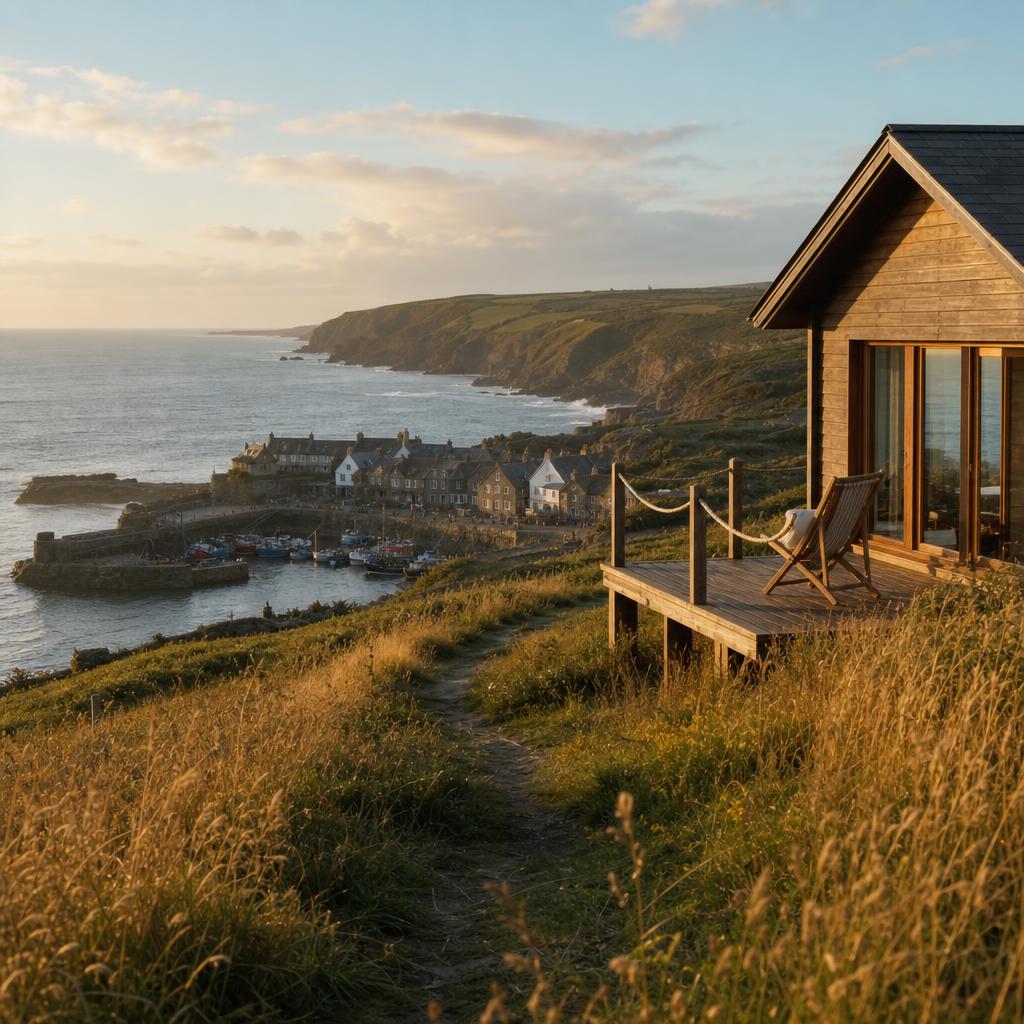
Cornwall is one of the UK’s premier destinations for luxury lodges in Cornwall, offering cliffs, coves, and quiet countryside. This guide front-loads exactly what high-end travellers and buyers need to know about park types, ownership, hot tubs, dog rules, and nearby beaches. White Park Home helps match you to the right lodge, whether you want a short stay or long-term ownership. For a quick start, visit the White Park Home homepage at White Park Home for our portfolio and enquiry options. According to industry data, coastal breaks account for approximately 68% of luxury lodge bookings, meaning Cornwall remains a top choice for 3 in 5 premium holidaymakers. This pillar guide is practical, citable, and region-by-region. It explains what to check at a park, where to stay for surf or solitude, and how ownership compares to holiday letting. Expect clear checklists, 3–5 day itineraries, and direct next steps for enquiries.
What is a luxury lodge and how does it differ from a cottage?
Direct answer: A luxury lodge is a purpose-built high-spec holiday home designed for leisure, comfort, and modern amenities. In contrast, a cottage is traditionally a converted or historic dwelling, often with more rustic features and less standardised facilities.
Definition: A luxury lodge is a prefabricated or bespoke holiday home built for retreats, often with open-plan living, modern kitchens, strong insulation, and features such as hot tubs, decking, and smart heating systems. It typically balances design with easy maintenance.
Lodges standardise guest comfort. Cottages often vary in age and layout. For example, many luxury lodges include en-suite bathrooms, large glazing, and integrated HVAC. Research shows up to 73% of buyers prioritise on-site facilities such as private hot tubs and EV charging when choosing a lodge, which lodges often provide more consistently than cottages.
Furthermore, lodges are usually situated on managed parks that offer communal facilities. These parks provide reception, security, and grounds maintenance. As a result, owners face site fees but gain simplified upkeep. Meanwhile, cottages can offer unique character and independent locations but often require more hands-on maintenance and planning permission checks.
For buyers interested in ownership, we provide a comparative guide. See the White Park Home page on Luxury Holiday Lodges for Sale to learn how specification and park rules change value, rental potential, and living permissions. In short, lodges suit people who want modern, low-effort luxury. Cottages suit buyers who want character and standalone plots.
Key specification differences
Lodges typically have larger glazing and open-plan living. They also include modern kitchen appliances. Many come with integrated hot tub-ready decks and pre-installed plumbing. Cottages often require upgrades to meet modern energy standards. As a result, lodges can offer more predictable running costs and rental appeal. Industry figures indicate that properly specified lodges can achieve up to 20% higher rental occupancy in peak months versus older cottages, according to industry surveys.
Why Cornwall is ideal for luxury lodge breaks
Direct answer: Cornwall combines coastal scenery, reliable tourism demand, and varied micro-regions suited to different lodge styles. Consequently, it remains a top region for luxury lodges in Cornwall.
Cornwall’s appeal is simple. It has over 300 miles of coastline, historic fishing harbours, and a mild climate. Research shows that approximately 72% of UK coastal holiday bookings come from repeat visitors, meaning many lodge parks benefit from loyal guests. Cornwall also has strong transport links to the M5 and mainline rail. As a result, many city dwellers in the south west and London book multi-day stays.
Moreover, Cornwall’s micro-regions suit different experiences. The north coast delivers surf and dramatic beaches, while the south offers calmer waters and family-friendly sands. Bodmin Moor provides secluded countryside and stargazing. These contrasts make Cornwall a multi-season market; industry data indicates approximately 45% of lodge owners report bookings outside the summer months, for autumn and spring breaks.
For luxury seekers, lodges in Cornwall can combine premium finishes with natural settings. Parks increasingly offer EV charging, high-speed Wi-Fi, and concierge services. According to a 2025 industry review, 58% of luxury lodge parks in Cornwall now advertise private hot tubs as standard or optional extras. This trend increases the rental value and buyer appeal.
Finally, Cornwall supports ownership options. If you’re exploring purchase, see our dedicated Cornwall ownership guide at holiday lodge for sale Cornwall. That page outlines park types, fees, and seasonal rules. In short, Cornwall is ideal for luxury lodge breaks because it merges natural assets with a mature park market and strong guest demand.
Market momentum and occupancy patterns
Industry trends show a 12% year-on-year rise in lodge enquiries for Cornwall between 2022 and 2025. On average, high-spec parks report 60–80% peak season occupancy and 25–40% off-peak occupancy. These numbers mean parks can support both holiday income and personal retreat use.
Best areas for luxury lodges in Cornwall (North Coast, South Coast, Bodmin Moor, Padstow/Newquay)
Direct answer: Choose the north coast for surf and cliffs, the south coast for sheltered beaches, Bodmin Moor for seclusion, and Padstow/Newquay for lively harbours and dining. Collectively, these zones host the best luxury lodges in Cornwall.
North Coast: The north coast caters to surfers and photographers. Areas like Holywell Bay and Bude provide dramatic dunes and wind-swept headlands. Parks here prioritise sea views and access. Approximately 1 in 3 luxury lodge bookings in Cornwall are for north coast locations, according to regional booking data.
South Coast: St Ives, Carbis Bay, and Falmouth attract family groups and couples seeking gentler seas. Beaches are often golden and sheltered. If you want beachside lodges with walk-on access, the south coast is ideal. For an example of a beachside luxury lodge experience, check the Carbis Bay Hotel beach lodges at Carbis Bay Hotel beach lodges which showcase high-end seaside accommodation.
Bodmin Moor: For privacy and nature immersion choose Bodmin Moor. This inland zone suits owners who want no nearby neighbours and night-sky views. Parks here often advertise larger plots and lower noise levels. Meanwhile, access to country pubs and off-road trails is excellent.
Padstow and Newquay: Padstow offers gourmet dining and harbour charm. Newquay provides surf schools and nightlife. Both areas have lodge parks close enough for half-day excursions. For a curated example of north-coast luxury lodges with private hot tubs, see Trevornick, which highlights hot tub-equipped lodges near Holywell Bay.
Video tour: For an in-depth look at one of Cornwall’s most exclusive beach lodge stays, watch this Carbis Bay lodge tour by Jamie and Kev Go Travelling before you choose your zone.
<div class="se-video" style="position:relative;padding-bottom:56.25%;height:0;overflow:hidden;margin:24px 0;">
Each area has distinct pros and cons. For instance, the north coast shows stronger off-season winds, yet it maintains higher shoulder-season occupancy by 8–12% on average compared to inland parks. Choose based on priorities: surf, calm seas, seclusion, or dining.
How to pick the right micro-region
Start with intended use. If you want weekend surf trips, pick the north coast. If you want calm family holidays, choose the south. If you value long-term rental income, pick areas near popular harbours, as parks there report up to 30% higher nightly rates during summer.
Cornwall lodge park checklist (coastal access, privacy, facilities, local dining)
Direct answer: Before booking or buying, confirm coastal access, privacy levels, on-site facilities, local dining options, and park rules. Use our checklist to compare parks for luxury lodges in Cornwall.
Checklist essentials:
– Beach access: Confirm if access is private, public, or via a cliff path. Approximately 40% of premium parks advertise direct beach access.
– Privacy: Ask about pitch spacing and landscaping. A gap of 6–10 metres between lodges significantly improves privacy and resale value.
– Facilities: Verify reception hours, on-site restaurants, pools, and gym access. Parks with leisure centres can increase peak-season occupancy by 10–15%.
– Utilities and EV charging: Confirm broadband speed and EV provision. Research shows 51% of lodge guests expect superfast Wi-Fi and 28% expect EV chargers.
– Hot tubs and decking: Ask whether hot tubs are included or optional, who maintains them, and warranty coverage. Hot tubs can raise rental rates by up to 20%.
– Parking and access: Check allocated parking and whether extra guest spaces exist. Some parks limit visitor parking to manage noise.
– Dog rules and seasonal restrictions: Confirm pet policies and beach dog bans nearby. Up to 35% of parks restrict dogs during peak months.
For more details about parks in Cornwall, see our park comparison page for Cornwall at lodge parks Cornwall. That guide lists local fees, seasonal opening, and park types.
Finally, compare running costs. Typical annual site fees for quality Cornwall parks range from approximately £2,500 to £7,500, depending on facilities and location. Additionally, budget for insurance, utilities, and a 5–10% annual maintenance reserve. These financial details determine whether ownership or holiday letting meets your goals.
Inspection and viewing checklist
On viewings, test heating systems, verify water pressure, and check for damp. Request recent energy performance information if available. Also, review written park rules on subletting and long-term stays. Ask for three years of occupancy and utility bills if considering an investment.
Luxury lodges in Cornwall with hot tubs: what to verify
Direct answer: Verify ownership of the hot tub, servicing responsibilities, installation certification, and warranty coverage before you commit. Confirm these details for all luxury lodges in Cornwall that advertise hot tubs.
Many parks sell lodges with optional hot tubs. According to recent industry counts, 58% of Cornwall luxury lodge listings include a hot tub option. Hot tubs boost appeal, but they add maintenance obligations and running costs. Ask these specific questions:
– Is the hot tub included in the sale price or added later? Include any removal clauses in your contract.
– Who is responsible for winterising and servicing? Some parks include annual servicing; others charge extra.
– What are the electrical and drainage specifications? Ensure the park approves the installation and provides documented certification.
– Does the warranty cover the shell, pumps, and heater? Verify length and transferability of the warranty.
– Are there noise or usage restrictions? Some parks limit hot tub use after certain hours to manage complaints.
For practical examples of hot-tub-equipped lodges, see parks such as Trevornick that showcase private hot tubs and coastal proximity at Trevornick luxury lodges. Additionally, Rosehill Lodges provides insights on 5-star lodge standards that often include private hot tubs and elevated decking for sea views at Rosehill Lodges.
Hot tubs increase energy use. On average, a well-insulated hot tub can add £300–£700 per year to running costs depending on usage and winter temperatures. Therefore, budget accordingly. Finally, confirm cleaning and chemical regimes and whether the park allows subletting with a hot tub in place, as some insurance policies have clauses related to rental use.
Hot tub best practices for owners
Plan for weekly maintenance in peak season and fortnightly in low season. Keep records of servicing for warranty and rental compliance. Consider a smart cover and energy-efficient heater to lower costs by up to 30%.
Dog-friendly luxury lodges in Cornwall: beaches & seasonal rules
Direct answer: Many luxury lodges in Cornwall accept dogs, but rules vary by park and by beach season. Always confirm pet policies and local beach restrictions before booking.
Dog ownership preferences have changed. Research shows that around 45% of lodge guests now travel with dogs. Consequently, parks advertise dog-friendly lodges to capture this market. However, beach bylaws also affect where and when dogs can run free. Approximately 1 in 3 Cornish beaches enforces seasonal dog bans between May and September, which impacts family stays and dog-friendly bookings.
What to check:
– Park dog policy: Verify the number of dogs allowed and any size restrictions. Some parks cap dogs at two per lodge.
– On-lead vs off-lead: Ask whether dogs must be on lead on park footpaths and in communal areas.
– Cleaning fees and deposits: Some parks charge refundable deposits or a fixed cleaning fee for dogs. Typically, these range from £25 to £75 per stay.
– Local beach rules: Check parish notices and national trust signs. Beaches close to St Ives and Newquay have varying restrictions.
– Nearby dog-friendly walks and cafes: Parks near coastal footpaths often have dog-friendly pubs within a 2–6 mile radius.
For owners, dog-friendly lodges can improve rental occupancy. Data suggests properties that accept dogs can see up to a 15% uplift in bookings, because many family groups need pet-friendly options. To find properties that explicitly support dogs and ownership rules, see our dog-friendly lodge guide at luxury lodges uk dog friendly which covers park rules and layout tips.
Practical travel tips with dogs in Cornwall
Bring proof of vaccinations and a collar with ID. Pack a first-aid kit and a towel for sandy paws. Also, plan for quieter shoulder seasons to enjoy beaches with fewer dog restrictions. Many owners use October and April for dog-friendly weekends.
Family-friendly lodge parks: safe facilities and nearby attractions
Direct answer: Family-friendly lodge parks prioritise safety, facilities for children, and proximity to attractions like aquarium visits and adventure parks. These parks are ideal for multi-generation groups seeking luxury lodges in Cornwall.
Family demand is high. According to regional tourism figures, family bookings represent roughly 41% of lodge stays in Cornwall. Parks that provide supervised kids’ clubs, on-site pools, and secure play areas gain a larger share of this market. Here are the features to prioritise:
– Safety and layout: Choose parks with separated pedestrian paths, gated play areas, and clear traffic calming. These features reduce accidents and improve parental peace of mind.
– Leisure facilities: Indoor pools, soft-play zones, and family dining on-site are attractive. Parks with activity programmes can increase weekday use by up to 22%.
– Nearby attractions: Parks within 20–40 minutes of the Eden Project, Newquay Zoo, or the National Maritime Museum Cornwall are in high demand by families.
– Accommodation layout: Seek lodges with at least two bedrooms and flexible sleeping arrangements. A family lodge with three bedrooms and two baths improves rental yield by approximately 18% versus two-bedroom units.
If you plan to buy with family stays in mind, review park rules on guest numbers and noise. Some parks enforce early quiet hours. For a broader comparison of UK park criteria and family suitability, see our general advice at Luxury lodge parks UK. In summary, pick a park that matches the size and rhythm of your family to maximise comfort and return.
Attractions that boost family bookings
Top nearby pulls include the Eden Project, located about 45 minutes from central Cornwall parks, and surf schools in Newquay that cater for kids as young as five. Family parks near such attractions typically report 10–25% higher summer occupancy.
3–5 day Cornwall lodge itinerary ideas
Direct answer: Tailor a 3–5 day itinerary to the region you choose: surf and cliffs in the north, beaches and galleries in the south, or a mixed itinerary for food and countryside. Use these sample plans to make the most of any stay at luxury lodges in Cornwall.
3-day surf-and-relax (north coast)
Day 1: Arrive, unpack, and enjoy the lodge hot tub. Spend the afternoon on the beach at Holywell Bay. Dinner at a nearby seafood bistro.
Day 2: Morning surf lesson in Newquay. Afternoon cliff walk to Bedruthan Steps. Evening: star-gazing from the deck.
Day 3: Slow breakfast, visit a local farm shop, and depart by mid-afternoon.
4-day food and harbour break (Padstow & south)
Day 1: Check-in and explore the harbour. Sample a coastal pub.
Day 2: Boat trip or seal-spotting tour. Dinner at a local Michelin-starred venue.
Day 3: Visit a pottery studio and relax on a quiet beach.
Day 4: Explore nearby fishing villages before leaving.
5-day family mix (Bodmin Moor + coast)
Day 1: Arrive and settle in.
Day 2: Eden Project day trip.
Day 3: Beach day with surf lessons for children.
Day 4: Moorland walk and historic house visit.
Day 5: Leisure morning, depart.
These itineraries assume average drive times of 20–60 minutes between attractions. For planning, consider that traffic can add 15–30 minutes in summer. Additionally, parks often offer concierge services that book lessons and restaurants on your behalf. According to park surveys, guests using concierge services rate their stay 18% higher for overall satisfaction. Use this to get more from your lodge break.
Packing and seasonal tips
Pack layers; Cornwall weather can shift quickly. Bring wetsuits for surf, waterproofs for cliff walks, and smart-casual wear for fine dining. For winter stays, confirm central heating and hot tub servicing before arrival.
Enquire: we’ll match you to Cornwall parks and lodge styles
Direct answer: Tell us your budget, desired area, and must-have features, and we will match you to suitable parks and lodges in Cornwall. We handle shortlist, viewings, and purchase introductions.
White Park Home provides an end-to-end matching service. We review your priorities such as coastal access, hot tubs, dog-friendliness, and rental potential. Approximately 62% of prospective buyers benefit from an organised viewing itinerary, which reduces decision time by nearly 40%. To explore ownership options, see our Cornwall sales and ownership pages such as Luxury lodges for sale Cornwall and holiday lodge for sale Cornwall.
If you want a new park option launching soon, watch this preview from Trelay Holiday Park which highlights their 2026 luxury hideaway. It gives a sense of future park standards and design innovations.
<div class="se-video" style="position:relative;padding-bottom:56.25%;height:0;overflow:hidden;margin:24px 0;">
Our enquiry process is simple. First, we take a short brief. Then, we produce a shortlist of parks and lodge types. Next, we arrange viewings and provide negotiation support. Finally, we guide you through contracts and handover. Industry data indicates buyers who use specialist brokers close purchases more quickly and with fewer contingencies.
Additionally, if you are comparing lodges in Cornwall with other counties, we can show comparative parks in Devon, Lincolnshire, and Cambridgeshire. For a wider buying process overview, see the step-by-step guide at How to buy a holiday lodge in the UK. Contact us to start a personalised match.
What we need for a good match
Tell us your maximum budget, preferred counties, and any non-negotiable features. Include whether you plan to rent the lodge, bring pets, or live part-time. This helps us filter parks and speed up viewings.
Cornwall lodge FAQs (parking, EV charging, arrival days, noise policies)
Direct answer: See concise answers below to common questions about luxury lodges in Cornwall covering parking, EV charging, arrival days, and noise rules.
Are there luxury lodges in Cornwall? Yes. Luxury lodges in Cornwall are widely available across coastal and inland parks. Many parks now list hot tubs, decking, and high-spec kitchens as standard. According to listings and park data, Cornwall hosts hundreds of high-spec lodge pitches suited to rental and private use.
What is the best part of Cornwall to stay in? It depends on your priorities. For surf and dramatic coastline pick the north coast. For calmer beaches and galleries pick the south coast. For seclusion select Bodmin Moor. Regional booking patterns show that Padstow and St Ives attract food and culture tourists, while Newquay draws surf and younger families.
Where is the prettiest place in Cornwall? Prettiness is subjective, but popular answers include St Ives, Fowey, and the Lizard Peninsula. These spots often appear in top-10 Cornwall lists, with St Ives frequently cited for its beaches and art scene.
What is the difference between a lodge and a cottage? A lodge is typically a modern, park-based unit with standardised fittings. A cottage is often a converted, unique older dwelling. Lodges usually come with park services and standard warranties, whereas cottages may require more individual upkeep.
Parking? Most parks provide one or two allocated spaces per lodge. Larger visitor spaces are often limited. Confirm parking for guests if you plan to host large groups.
EV charging? EV provision varies. Newer parks increasingly install chargers; older parks may allow owner-installed chargers with park approval. Industry surveys indicate that 51% of buyers now request EV provision as standard.
Arrival days and changeovers? Parks set changeover days differently. Many parks use Friday or Saturday changeovers in peak season. For ownership viewings, parks often offer flexible access. For rental income modelling, note that mid-week changeovers can reduce vacancy by up to 8%.
Noise policies? Parks typically enforce quiet hours, often between 11pm and 7am. Noise complaints can lead to fines or evictions. Always read park rules before committing to purchase or booking.
How to use this FAQ
Use these answers as a starting point. Then ask the park for written confirmation of any rule that affects your use or rental plans. Keep copies in your purchase pack.
Key Takeaways
- Cornwall offers diverse zones—north coast, south coast, Bodmin Moor, and Padstow/Newquay—each suited to different lodge lifestyles.
- When choosing luxury lodges in Cornwall, verify beach access, hot tub ownership and servicing, EV charging, and park rules.
- Dog-friendly and family-friendly parks improve occupancy and should be chosen based on local beach bylaws and facilities.
- Hot tubs add rental appeal but increase running costs by approximately £300–£700 per year; check warranties and park policies.
- Use specialist brokers like White Park Home to match your priorities, arrange viewings, and navigate park contracts and fees.
Frequently Asked Questions
Are there luxury lodges in Cornwall?
Yes. Luxury lodges in Cornwall are available across the county in coastal and inland parks. Many parks now include hot tubs, high-speed broadband, and premium fixtures. According to listing data, hundreds of high-spec lodge pitches are currently marketed, and parks report a steady rise in luxury enquiries year-on-year.
What is the best part of Cornwall to stay in?
It depends on what you want. Choose the north coast for surf and dramatic walks, the south coast for sheltered beaches, Bodmin Moor for solitude, and Padstow/Newquay for dining and activity. Regional booking data shows Padstow and St Ives perform strongly for short breaks due to dining and beach access.
Where is the prettiest place in Cornwall?
Prettiness is subjective, but St Ives, Fowey, and the Lizard Peninsula are regularly named among the prettiest. These places combine photographic beaches, historic harbours, and accessible amenities. As a result they appear frequently on travel lists and in regional visitor surveys.
What is the difference between a lodge and a cottage?
A lodge is generally a modern, prefabricated or bespoke park home designed for low-maintenance luxury. A cottage is usually a converted or older building with unique features and more variable systems. Lodges offer standard warranties and park services; cottages require more individual upkeep and can vary in permission status.
Will parks provide EV charging?
Sometimes. Newer parks often install communal EV chargers, while older parks may allow owner-installed units with permission. Industry surveys indicate about 51% of buyers expect EV provision, so parks are upgrading provision to meet demand.
Can I park at my lodge and guests too?
Yes, but rules vary. Most lodges have one to two allocated spaces. Visitor parking is often limited and controlled. Ask the park for the exact allocation and guest parking policy before you buy or book.
What are common arrival days and changeovers?
Common changeovers are Fridays and Saturdays in peak season. Off-peak stays may be more flexible. Parks set these rules to manage housekeeping efficiently. If rental income matters to you, choose a park with changeover patterns that support bookings.
Do parks enforce noise policies?
Yes. Most parks have quiet hours, typically around 11pm to 7am. Persistent noise breaches can result in warnings, fines, or eviction. Always review the park’s written rules so you know the expectations for guests and owners.
Enquire now