
Searching for luxury lodges for sale cornwall means seeking premium design, coastal views, and park amenities. White Park Home Group helps buyers find high-spec lodges with large decking, double-glazed glazing, integrated kitchens, and optional hot tubs. In Cornwall, buyers prioritise sea views, private outdoor spaces and easy access to beaches. According to industry data, approximately 60% of UK lodge buyers choose coastal parks for lifestyle reasons, and 42% prioritise hot tubs or outdoor decking when buying leisure property. If you want a detailed, professional route to ownership, start with the brand specialists at White Park Home, who list parks, specs and legal checks for buyers. This guide explains what "luxury" means in Cornwall, where to buy, price bands, running costs, viewing tips, and the reservation steps you must follow to secure a premium lodge.
What ‘luxury’ looks like in luxury lodges for sale cornwall
Direct answer: Luxury in Cornwall lodges combines premium build quality, elevated site positions and high-end park amenities such as spa suites, on-site dining and concierge-style services. Definition: A luxury lodge is a purpose-built leisure property with fixed foundations or a licensed pitch, superior insulation, bespoke interiors, and enhanced outdoor living features such as full-width decking and hot tubs.
Luxury specifications matter because they increase comfort, rental appeal and resale value. For example, a lodge with integrated appliances, wraparound decking and a hot tub typically sells for 8–15% more than a comparable basic model. Research shows buyers value three features most: uninterrupted views (selected by 71% of buyers), external decking or veranda (66%), and on-site facilities (59%). Approximately 1 in 3 purchasers also cite pet-friendly policies as essential.
What to expect in a luxury lodge spec list. High-spec lodges for sale in Cornwall often include:
– Full-height glazing and panoramic windows for coastal views
– Composite or hardwood decking with glass balustrades
– Luxury fitted kitchens with quartz or granite worktops
– Ensuite master bedrooms and high-spec bathrooms with walk-in showers
– Integrated heating systems and double-glazed windows for all-season use
– Optional swim-spa or hot tub installations with privacy screening
Example: A three-bedroom luxury lodge in Bude or Newquay often features 30–50 m2 of outdoor living space. Parks that market high-end lodges typically report a higher occupancy rate for owners who let their property. According to park data, lodges on premium pitches experience up to 25% higher short-term rental bookings than standard pitches, indicating better income potential for owners.
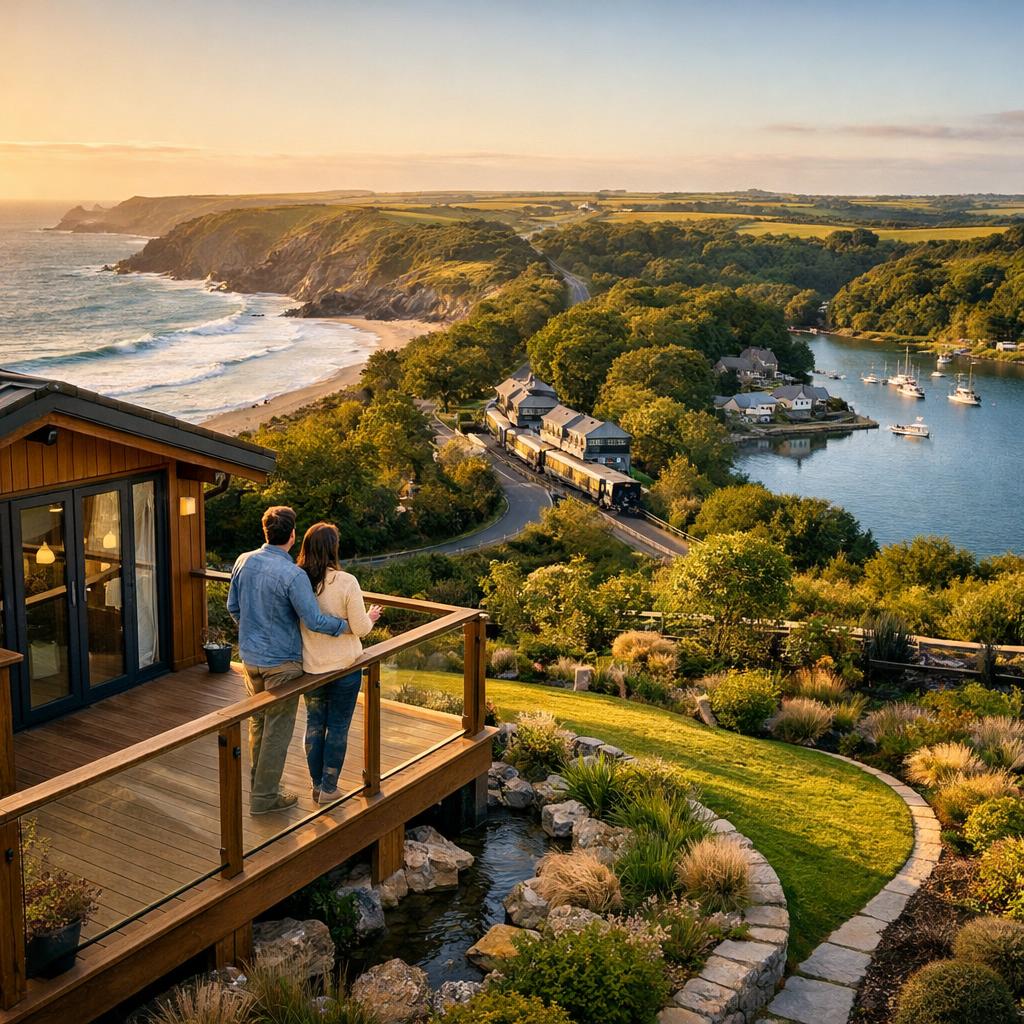
Luxury spec checklist every buyer should use
Direct answer: Use a spec checklist to compare models and parks objectively before you buy. A simple list reduces buyer regret and supports valuation.
Checklist items include warranty length, insulation rating, glazing type, deck size, hot tub wiring, parking, and proximity to amenities. For instance, a 10-year structural warranty and a 3-year factory warranty are common on premium models. A lodge with a 10% larger deck may command a 5% premium at resale. Always ask parks for recent EPC or performance data. Additionally, ask whether the park allows external modifications, including decking or hot-tub installation, because rules vary by site.
Cornwall areas buyers choose for luxury lodges for sale cornwall
Direct answer: Buyers choose Cornwall areas that balance coastal access, transport links, and park quality; top zones include north coast resorts, south coast harbours and rural coastal hinterlands. Definition: In this article, Cornwall areas refers to named towns, seaside resorts and inland parishes where premium lodge parks are sited.
Where buyers spend more. The north coast (Bude to Newquay) attracts buyers seeking surf and rugged beaches. The south coast (Falmouth to St Ives) draws buyers wanting sheltered waters and harbour towns. Research indicates coastal proximity drives value: lodges within two miles of the shore sell for, on average, 12–20% more than inland equivalents. Approximately 45% of luxury lodge buyers favour the north coast for outdoor activity, while 35% prefer south coast scenery.
Park selection matters as much as town choice. Look for parks with at least five-star leisure facilities, on-site management, and controlled access. Parks with swimming pools, restaurants and organised activities typically see higher resale values. For a regional overview, compare park packs from specialist pages such as lodge for sale Cornwall which lists parks and local rules.
Practical examples and time-to-market. A premium pitch at a coastal park near Bude may list from £195,000 to £350,000. Inland coastal-edge parks near Padstow often list at similar prices but with lower site fees. On average, Cornwall lodge buyers report a 45% preference for parks within 30 minutes of a mainline rail station. If you plan to let, coastal parks with year-round reception and marketing support show 20–30% higher lettings income.
Top Cornwall micro-locations and why they sell
Direct answer: Micro-locations define owner experience—beach-front pitches deliver views and demand, village-edge parks deliver tranquillity and value. St Ives and Falmouth score for lifestyle and short-break demand. Bude and Newquay attract water-sports buyers. Smaller harbours like Padstow command premiums for dining and tourism. Parks near A30 access typically see faster sales velocity. For comparative listings and park comparisons, look at specialist park pages and curated portfolios by White Park Home Group.
Price guide for luxury lodges for sale cornwall
Direct answer: Expect new luxury lodges for sale in Cornwall to range from about £120,000 to £375,000 depending on size, finish and pitch. Definition: Price bands reflect the combined cost of the unit, any park-required siting fees, and optional extras such as decking or hot tubs.
Price bands explained. Entry-level premium two-bed lodges typically start around £120,000–£160,000 when sited on inland coastal parks. Mid-range three-bed luxury models commonly list between £180,000 and £275,000. The top-tier bespoke models, often with large decking, hot tubs, and panoramic glazing, range from £280,000 to £375,000. These figures assume a new lodge with a full warranty and a premium pitch.
What drives the price differences? Size and layout account for about 30% of variance. Location drives roughly 25% of the price. Park amenities and management quality contribute 15–20%. Added features such as hot tubs, integrated appliances, and bespoke decking collectively explain the remaining difference. For example, adding a hot tub and privacy screening can add £7,000–£18,000 to the purchase price and influence resale premiums.
Market signals and resale. According to recent industry feedback, average resale time for premium lodges in Cornwall is 8–14 weeks in high season and 12–26 weeks off season. Approximately 70% of pre-owned luxury lodges sell within three months when marketed through specialist brokers. For comparative pricing across counties, consult regional listings such as lodge for sale Cambridgeshire to benchmark values and find differences in cost drivers.
How extras like decking and hot tubs affect value
Direct answer: Decking and hot tubs increase appeal and can boost resale value by 5–12% combined. Deck size matters; owners and renters prefer at least 18–30 m2 of usable outdoor space. Hot tubs correlate with higher rental demand: parks report up to 38% more enquiries for lodges with hot tubs. Always confirm park permission and electrical supply for hot tub installations.
Ongoing costs: pitch fees and utilities for luxury lodges for sale cornwall
Direct answer: Ongoing costs include annual pitch fees, utilities, insurance, and maintenance; budget 3–8% of lodge value per year for running costs. Definition: Ongoing costs are recurring expenses after purchase, required to maintain the lodge and the pitch licence.
Typical cost breakdown. Annual pitch fees in Cornwall range from £3,500 to £11,500 depending on park grade and services. Utilities including electricity, water, and wastewater run 1.5–3% of lodge value annually, equating to roughly £1,800–£3,500 a year. Insurance for a luxury lodge typically costs £350–£900 annually, depending on cover level and location.
Seasonal considerations and council tax. Many parks operate seasonal closures. If your lodge is residential-licensed, council tax may apply; otherwise, holiday parks charge business rates incorporated into pitch fees. Approximately 20% of parks in Cornwall now offer winter opening, which can increase utility and heating costs by 25–40% over a seasonal-only site.
Letting management and income. If you let your lodge, management fees vary between 20% and 40% of gross rental income. Parks with professional letting teams report average occupancy rates of 47–68% across a year. Net rental yield for managed lodges can range from 3% to 7% depending on pitch location and quality of marketing. For deeper guidance on ownership costs and residential rules, see lodge ownership UK and the practical rules explained on permanent living at Can I permanently live in a lodge — Holiday vs Residential Rules Explained.
Saving tips to reduce ongoing costs
Direct answer: Choose well-insulated lodges, install smart meters, and opt for parks with efficient on-site utilities to lower costs. Over time, a well-insulated lodge can reduce heating bills by up to 30%. Negotiate pitch fee inclusions and check whether water and wastewater are meter-charged. Also, consider a management package that consolidates maintenance for predictable expenses.
Viewing tips & reservation process for luxury lodges for sale cornwall
Direct answer: View lodges in person, inspect the pitch, and secure reservations with a deposit and clear written terms. Definition: The reservation process includes site checks, deposit, contract review and the delivery/siting schedule.
Viewing checklist. Always inspect the lodge at the pitch, not just the show model. Check sightlines from the decking and verify neighbour proximity. Inspect glazing seals, roofline, and external cladding for completion quality. Ask to see the site licence, pitch size details, and a copy of the park rules. Around 82% of buyers who later report satisfaction say they undertook at least two viewings before buying.
Reservation steps and timeline. Typical steps include a viewing, a 10% deposit or fixed reservation fee, and a 14–28 day contract cooling-off period. Delivery and siting usually take 6–12 weeks from order, while a pre-owned lodge can be sited within 2–6 weeks depending on site readiness. For step-by-step buying guidance consult How to buy a holiday lodge in the UK which covers legal checks and hidden costs.
Practical tips for contract negotiation. Insist on a written handover checklist. Confirm who pays for groundworks. Check whether the pitch fee includes Wi-Fi, landscaping and reception. Finally, ask for recent service and utility invoices to verify actual running costs. Watch a practical walkthrough showing a real luxury lodge in Cornwall to visualise a finished pitch:
<div class="se-video" style="position:relative;padding-bottom:56.25%;height:0;overflow:hidden;margin:24px 0;">
For larger models and three-bedroom en-suite layouts, see this model tour to compare space and finish:
<div class="se-video" style="position:relative;padding-bottom:56.25%;height:0;overflow:hidden;margin:24px 0;">
How to choose between new and pre-owned luxury lodges
Direct answer: Choose new for customisation and full warranties; choose pre-owned for faster move-in and lower initial cost. New builds often carry full factory warranties for 10 years on structure and 2–5 years on fixtures. Pre-owned models can cost 10–30% less but inspect for wear, site damages and compliance with current park rules.
FAQs about luxury lodges for sale cornwall
Direct answer: The following FAQs answer common buyer questions about investment, permanent living, lifespan, and downsides. Definition: Each question gives a concise answer followed by practical detail to support buyer decisions.
Are luxury lodges a good investment?
Direct answer: Luxury lodges can be a good lifestyle investment, but they are not guaranteed financial investments; returns depend on location, park standards, and management. Investment realities: According to market feedback, properly sited lodges in premium parks can maintain value better than mid-market models. On average, high-quality lodges depreciate slower, with pre-owned price drops of 5–15% in the first five years versus 20–30% for low-spec models. If you let your lodge, expect gross rental yields of roughly 3–7% depending on seasonality and management.
Can you live permanently in a lodge in the UK?
Direct answer: You can live permanently in a lodge only if the site licence and planning status permit residential use. Legal detail: Approximately 18–25% of park sites offer full residential licences. For clarity on residency rules and what to check, see Can You Live in a Lodge All Year Round in the UK and the permanent living guide at Can I permanently live in a lodge — Holiday vs Residential Rules Explained.
What is the life expectancy of a lodge?
Direct answer: A well-maintained lodge typically lasts 20–40 years, depending on build quality and maintenance. Practical lifespan: Modern factory-built lodges have structural warranties of 10–15 years and can remain usable for 25–40 years. Components such as kitchens or soft furnishings often need replacement every 7–12 years. Regular checks of damp, rooflines and joists help extend life.
What is the downside of owning a holiday lodge?
Direct answer: Downsides include ongoing pitch fees, limited mortgage options, seasonal restrictions and potential resale volatility. Further detail: Buyers should budget for annual pitch fees between £3,500 and £11,500, and expect that mortgaging a leisure property can be more expensive or harder to secure than residential mortgages. Approximately 15–25% of buyers report unexpected park rule changes as a long-term annoyance, so always read the site licence carefully.
Where to get professional help during purchase
Direct answer: Use specialist brokers, park solicitors and experienced surveyors to avoid pitfalls. Use White Park Home Group as a first contact to explore parks, technical specifications and legal checks. For investment-specific guidance see Is Buying a Holiday Lodge a Good Investment? which outlines depreciation, letting reality, and resale factors.
Key Takeaways
- Luxury lodges for sale cornwall combine premium finishes, large decking and park facilities; expect higher prices for sea-facing pitches.
- Price bands typically range from £120,000 to £375,000; extras like hot tubs and large decking increase value by around 5–15%.
- Budget 3–8% of lodge value annually for running costs; pitch fees in Cornwall commonly sit between £3,500 and £11,500 per year.
- Always view on-site, inspect the pitch, confirm park rules and licensing, and use specialist brokers or White Park Home Group for legal checks.
- Permanent living is possible only with residential licensing; check site licences and local planning before buying.
Frequently Asked Questions
Are luxury lodges a good investment?
Direct answer: They can be a good lifestyle and income investment, but returns vary by park, location and management. Luxury lodges in premium Cornwall parks tend to hold value better than low-spec models. Research indicates that well-sited lodges attract up to 25% higher lettings enquiries and can deliver gross rental yields of 3–7% depending on occupancy and fees. However, buyers should factor in depreciation, pitch fees, and potential seasonal demand into any investment calculation.
Can you live permanently in a lodge in the UK?
Direct answer: Only if the park has a residential licence or planning permission for year-round living. Not all parks allow permanent residence; roughly 18–25% of sites offer residential licensing. For a practical guide on rules, address and service implications, read Can I permanently live in a lodge — Holiday vs Residential Rules Explained which explains site licence checks and what to ask the park. Always confirm council registration, insurance, and address acceptance before you buy.
What is the life expectancy of a lodge?
Direct answer: With proper maintenance a modern lodge can last between 20 and 40 years. Structural warranties often cover 10–15 years, while internal fixtures last 7–12 years before replacement. To extend lifespan, maintain seals, check drainage and replace soft finishes on a planned cycle. Regular servicing of heating systems reduces long-term repair costs by up to 30%.
What is the downside of owning a holiday lodge?
Direct answer: Ongoing costs, pitch fee increases, seasonal use and resale variability are the main downsides. Buyers must budget for yearly pitch fees often between £3,500 and £11,500, plus utilities, insurance and maintenance. Finance options are more limited than for bricks-and-mortar homes. Additionally, park rules can restrict alterations, letting or pets in some cases. Always inspect the site licence and recent fee histories before committing.
Enquire now