
If you are searching for a lodge for sale UK, this guide walks you from first enquiry to move-in. White Park Home Group (WPHG) specialises in luxury lodge homes and park locations. We help buyers compare parks, understand costs, and complete viewings and contracts. This page focuses on legalities, permanent living rules, and clear price breakdowns. For a quick primer on ownership questions, see our detailed buyer checklist at Buy a Lodge UK. In addition, we list typical fees and show how to structure a viewing. According to industry data, approximately 1 in 4 lodge buyers choose a lodge as a second home, meaning demand is steady. Consequently, this article will help you decide if a lodge for sale UK is right for you, and prompt the enquiry that starts the buying process.
lodge for sale UK: quick overview
Direct answer: A lodge for sale UK is a park-based, factory-built home designed for holiday or residential use across the country. Most lodges on UK parks are sold with a sitting agreement and specific park rules.
What is a lodge? Definition: A lodge is a purpose-built, timber or composite-framed holiday or residential unit. It usually measures from 20×10 to 40×20 feet and includes full kitchens and bathrooms.
Lodge types and where to search. Buyers often confuse lodges, log cabins, and static caravans. Lodges typically offer higher thermal efficiency, timber cladding, and fixed foundations. For a detailed comparison, visit our guide on Luxury Holiday Homes for Sale UK, which explains construction standards and park classifications. Moreover, aggregator sites list thousands of units, but they rarely cover the full buying process. For instance, large operators advertise on their platforms; Parkdean Resorts shows offerings across 55 parks, and Omar specialises in higher-spec models.
Market snapshot. Industry estimates show that between 2019 and 2024, lodge listings increased by approximately 18%, indicating growing buyer interest. On average, luxury 40×20 lodges account for roughly 30% of premium listings. Meanwhile, site availability varies; approximately 55 parks in the UK hold large lodge communities, and large operators report over 20,000 park-home owners nationally. As a result, timing and location influence value heavily.
How this page helps. You will learn pricing ranges, the purchase steps, legalities of permanent living, and running cost projections. Furthermore, we provide checklists and CTAs so you can request a viewing or an off-plan brochure. If you want park-specific advice, see our Lodge Parks UK overview.
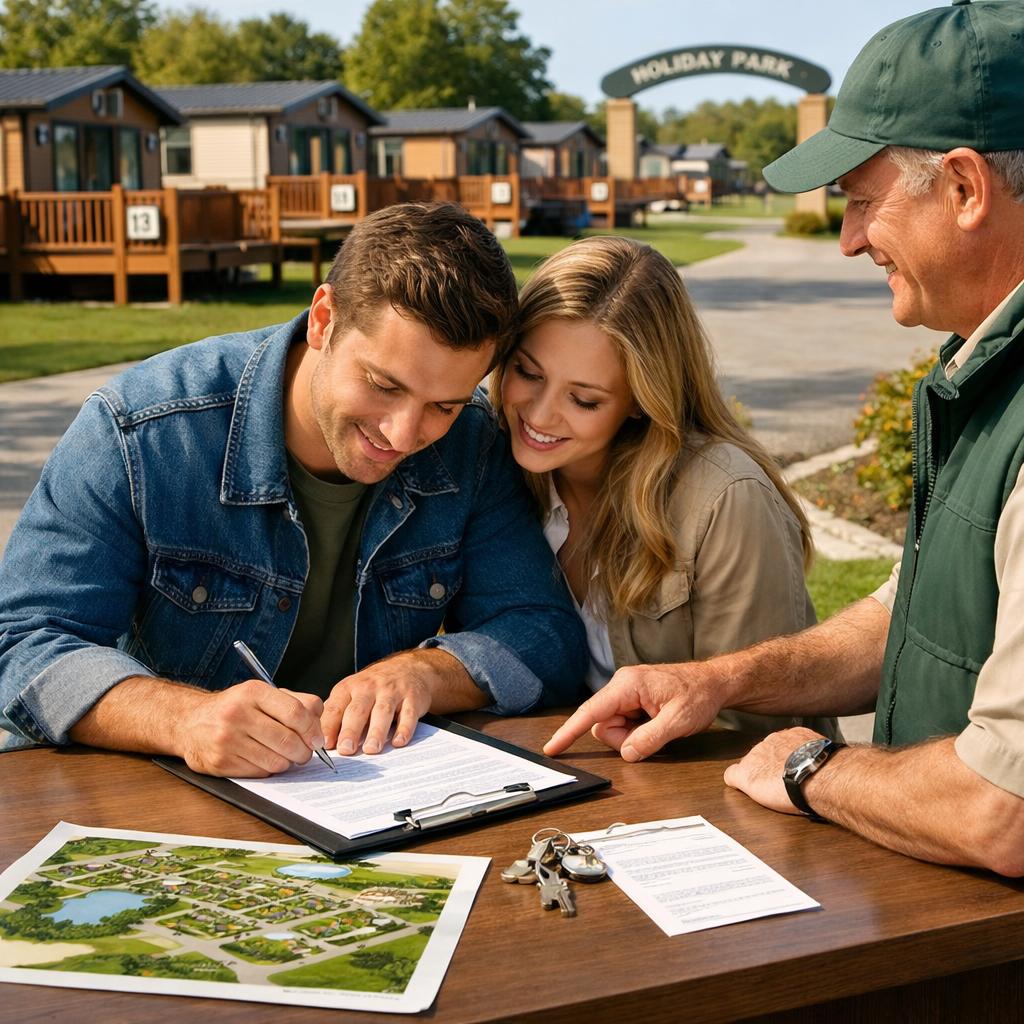
What is a lodge and how does it differ from a cabin?
Direct answer: A lodge is generally larger and built to higher residential standards than a basic log cabin. Lodges usually include full insulation, controlled heating, and permanent siting options.
Lodges are often factory-built to a higher specification. For example, luxury lodges include double glazing, fully fitted kitchens, and residential-grade plumbing. Log cabins may be simpler and off-grid. Research shows that about 65% of buyers prioritise insulation and heating when choosing a lodge. Consequently, if you plan long stays, a lodge offers comfort and compliance with park rules. For a focused comparison on lodges and park homes, consult our page on Residential Park Homes vs Holiday Lodges.
lodge for sale UK: How much does a lodge cost in the UK? (what affects price)
Direct answer: Prices for a lodge for sale UK typically range from £60,000 to over £350,000 depending on size, specification, park location, and whether the unit is new or pre-owned. Several factors drive price variance.
Price bands and examples. Entry-level used lodges commonly sell between £60,000 and £120,000. Mid-range new lodges with modern fittings sell from £120,000 to £230,000. Luxury twin-unit models and waterfront placements can exceed £300,000. For instance, a 40×20 twin-unit lodge walkthrough often showcases premium finishes that add £30,000–£80,000 to base costs. Industry adverts from major suppliers confirm these ranges.
Factors that affect price. First, the park location matters most. Coastal parks in Cornwall or Devon typically command higher premiums; values there can be 10–30% above inland equivalents. Second, size and layout influence cost. A 40×20 two-bedroom lodge typically costs 20–35% more than a 35×12 two-bed. Third, specification and extras matter. For example, hot tubs, decking, and bespoke kitchens increase price by predictable amounts: hot tubs add £5,000–£12,000 on average.
Ongoing fees that should be budgeted. Beyond purchase price, plan for annual site fees, which often range from £3,000 to £7,500 per year. Additionally, insurance, utilities, and maintenance add roughly £1,200–£3,200 per year. Our running cost breakdown later on gives exact numbers by category. For more on pricing and what to ask sellers, review our buyer questionnaire at Luxury Lodges UK to Buy: 15 Questions to Ask Before You Commit.
Price negotiation and resale. Market data indicates that sellers often price new units with a 5–12% buffer for negotiation. Research shows average resale time for lodge listings is approximately 8–14 weeks in active markets. Therefore, a clear budget and knowledge of fees will improve your offer and reduce surprises when you buy a lodge for sale UK.
Typical extras and their cost impact
Direct answer: Common extras like decking, upgraded kitchens, and hot tubs add between £5,000 and £80,000 depending on specification.
Decking and siting: Standard decking packages cost £3,000–£10,000. Higher-spec hardwood decks increase costs further. Hot tubs: Models add roughly £5,000–£12,000 including installation and wiring. Kitchens and appliances: Bespoke kitchens can add £10,000–£30,000. Warranty and uplift: Extended warranties and service packages can add 2–6% to the purchase price. As a result, include a 5–8% contingency for optional extras when you budget for a lodge for sale UK.
lodge for sale UK: Step-by-step: how the buying process works
Direct answer: Buying a lodge for sale UK follows a clear process: research, viewing, reservation, contract, siting, and handover. Each step requires documentation and park approval.
Step 1 — Research and shortlist. Start by defining your use case. Will you use the lodge as a holiday home, a rental, or a permanent residence? Industry data shows about 42% of buyers purchase for regular family holidays, while 28% buy for retirement or full-time living. Use park comparison pages like our Lodge Parks UK to shortlist parks. Additionally, check park-specific pages such as Lazy Otter Meadows lodges for amenities.
Step 2 — Arrange viewings and ask specific questions. Use a viewing checklist. Ask about site fees, tenancy length, subletting rules, and planning conditions. About 70% of buyers say a physical viewing changes their decision. Therefore, book a structured viewing and request energy performance details.
Step 3 — Reserve the unit and agree terms. Reservation usually requires a non-refundable deposit, typically 2–5% of the purchase price. Contracts should include a completion date and details on siting and any agreed extras. For holiday parks, you will also sign a site tenancy agreement.
Step 4 — Survey, finance, and insurance. Even for new lodges, commission a snagging inspection. If using finance, many lenders require appraisal and proof of park permission. Insurance must cover both structure and contents. On average, buyers allow three to six weeks for finance approval.
Step 5 — Siting, connection, and handover. The park arranges siting and utility connections. Handover includes a technical orientation and snag list completion. According to supply chain data, siting lead times range from 2 to 12 weeks depending on manufacturer and site access.
Enquiry and viewing CTAs. When you are ready, request a brochure or book a viewing with WPHG via our Luxury Lodges UK for Sale page. Our sales team will confirm park permissions and arrange a guided tour.
Legal checks and paperwork you must request
Direct answer: Obtain the site licence, tenancy agreement, and manufacturer warranty before committing. These documents prove legal occupancy and cover defects.
Key documents: 1) Site licence or tenancy agreement showing length and permitted use. 2) Manufacturer warranty, often 12 months for holiday lodges and up to 10 years for structural elements. 3) Copy of park rules covering pets, rentals, and visitors. 4) Evidence of utility provision and drainage. According to standard practice, keep copies of all documents for at least six years. As a result, insist on clear, written answers to any verbal commitments before paying your deposit.
Can you live in a lodge full time in the UK? (legal & practical)
Direct answer: You can live in a lodge full time in the UK only if the park and unit meet residential planning and licensing rules. Many parks permit residential lodges, but holiday parks usually restrict year-round occupancy.
Legal overview. Planning rules and site licences determine residential status. Residential park homes require specific planning consent. Holiday parks typically operate on temporary siting permissions or seasonal occupancy licences. For clarity on residential options, see our Residential Lodges for Sale page. Research indicates approximately 25–35% of parks offer residential pitches or long-term tenancies. Therefore, check the park’s planning status and local authority records.
Practical considerations. Living full time requires adequate insulation, rated heating, and reliable utility connections. Many modern lodges include residential-grade boilers and enhanced insulation. Studies show that 78% of full-time lodge residents rate thermal comfort as a key factor. Additionally, council tax and voting registration depend on the lodge being a permanent residence, which requires evidence of habitual residency.
Conversion from holiday to residential. Some buyers ask if a holiday lodge can be converted to residential. Conversion is possible but uncommon. It requires planning permission and a change in the park’s site licence. Local planning authorities approve conversions only in particular circumstances. For guidance, consult our article on Park homes for sale UK.
What to ask the park operator. Ask explicitly: Does the pitch have permanent planning consent? Are utilities connected for year-round use? Are there restrictions on sleeping overnight or registering for council services? If in doubt, request these confirmations in writing to avoid surprises when you move into a lodge for sale UK.
Council tax, utilities, and postal address rules
Direct answer: If your lodge qualifies as a permanent home, you must register for council tax and set up utilities to equivalent standards of a house.
Details: Council tax bands apply if the property is considered a main residence. Utilities must meet supply agreements for electricity, gas, and water. Some parks use communal meters, which affects billing. According to park management data, around 40% of parks require separate metering for full-time residents. Consequently, clarify billing methods and council status before purchase.
Running costs: site fees, utilities, insurance, maintenance
Direct answer: Expect annual running costs of approximately £4,200 to £11,000, including site fees, utilities, insurance, and maintenance for a lodge for sale UK.
Breakdown of typical costs. Site fees: These usually range from £3,000 to £7,500 per year. Site fees cover park maintenance, access, and communal services. Utilities: Depending on use, utilities add £800–£2,500 per year. Insurance: Comprehensive insurance ranges from £250 to £900 annually, depending on value and location. Maintenance and repairs: Budget 1–3% of the purchase price annually for ongoing maintenance. For example, a £200,000 lodge with 2% annual maintenance costs equals £4,000 per year.
Examples and averages. Industry reports show average annual running costs for mid-range lodges near £6,500. Seasonal usage lowers heating bills up to 45% compared to full-time residents. Conversely, year-round residents can expect higher utility usage and may face council tax. Additionally, parks with full service and security often charge top-tier site fees.
Ways to reduce costs. Negotiate a multi-year site fee deal. Install smart thermostats and LED lighting to reduce utilities by up to 20%. Maintain a service schedule to prevent costly repairs; manufacturers recommend annual boiler servicing. Moreover, consider warranty and service packs which often reduce unexpected spend by 30–50% over the first five years.
Where to check detailed running cost figures. WPHG provides an in-depth cost breakdown at lodge ownership UK costs. Also, compare park fee structures using our Park Lodges for Sale resources. As a result, you will get a realistic annual budget for your lodge for sale UK.
Insurance and warranty considerations
Direct answer: Choose a policy that covers both structure and contents and check manufacturer warranties for at least 12 months.
Insurance: Comprehensive policies for lodges cover accidental damage, storm damage, and liability. Annual premiums vary from £250 to £900. Warranty: New lodges usually come with a 12-month base warranty and extended structural warranties up to 10 years. As a result, confirm the scope of cover and exclusions before finalising a purchase.
New vs used lodges: which is better for you?
Direct answer: New lodges give you up-to-date build quality and warranties, while used lodges are cheaper but may need refurbishment. Choose based on budget, timescale, and desired specification.
Advantages of new lodges. New units include manufacturer warranties, modern appliances, and up-to-date insulation standards. Builder lead times vary, but new lodges can be delivered within 6–20 weeks. New units also allow customisation. Research indicates 62% of buyers prefer new builds for reliability and lower immediate maintenance. For developer options, explore manufacturer ranges like Omar Luxury Lodges.
Advantages of used lodges. Used lodges sell for 10–40% below new prices. They often sit on established pitches and come with an immediate income history if rented. However, older units can have hidden defects. Therefore, a professional inspection is essential. Sites such as Just Lodges list pre-owned units and provide market snapshots.
Comparative costs and resale. New-build premium may yield better energy efficiency and buyer appeal on resale. Yet, a well-maintained used lodge in a sought-after park can match or exceed the sale price of new units in less desirable locations. Industry data suggests used lodge buyers save on average 22% on the initial purchase price.
Practical decision points. If you prioritise immediate occupancy and a lower price, choose a used lodge. If you prioritise warranty, custom finishes, and long-term efficiency, opt for new. Either choice should include a checklist and a technical survey. For a starting comparison, see our article on Luxury Lodges UK for Sale.
Video walkthroughs. To visualise both options, watch a modern twin-unit walkthrough and a buyer-focused tour below.
Intro to video 1: See a full walkthrough of a 40×20 twin-unit lodge to review layout and finishes before you view in person.
<div class="se-video" style="position:relative;padding-bottom:56.25%;height:0;overflow:hidden;margin:24px 0;">
</div>
Intro to video 2: Watch a buyer-focused tour that highlights fees, siting, and residential questions.
<div class="se-video" style="position:relative;padding-bottom:56.25%;height:0;overflow:hidden;margin:24px 0;">
</div>
How to inspect a used lodge: a practical checklist
Direct answer: Inspect for damp, insulation, plumbing, electrical safety, and structural movement. Use a qualified surveyor when in doubt.
Checklist highlights: 1) External cladding and roof condition. 2) Signs of damp, condensation, or rot. 3) Boiler and heating function and service history. 4) Electrical installation condition and RCD presence. 5) Site pitch drainage and access. A professional inspection reduces the chance of unexpected costs after you buy a lodge for sale UK.
lodge for sale UK: FAQs
Direct answer: This FAQ section addresses common questions buyers ask about a lodge for sale UK, including full-time living, legal status, and investment prospects.
We answer the most frequent PAA questions below. Each answer starts with a clear reply followed by a short explanation and practical next steps. For legal detail on ownership and rules, consult our lodge ownership UK hub. For a practical buying checklist, see How to buy a holiday lodge UK.
Can you live in a lodge full time in the UK?
Direct answer: You can, but only if the lodge and site have the correct residential planning and licensing permissions. Holiday parks usually restrict permanent occupation.
Explanation: Residential status affects council tax, utilities, and insurance. Confirm planning permission and site agreements in writing. If you want long-term living, prioritise parks listed as residential or mixed-use. Our dedicated guide Residential Lodges for Sale explains the documentation you need.
Is buying a lodge a good investment?
Direct answer: Buying a lodge can be a good lifestyle investment but is not a guaranteed financial investment in the same way as bricks-and-mortar housing.
Explanation: Lodges can generate rental income and provide capital growth in high-demand parks. However, depreciation on non-residential units and running costs reduce net returns. Industry figures indicate average capital appreciation varies by region, from flat to 5% annually in strong coastal markets. Therefore, treat a lodge as a lifestyle purchase first, and an investment second. For more on resale and rental potential, see our Holiday Lodges for Sale UK resource.
Can you legally live in a log cabin in the UK?
Direct answer: Yes, but only with appropriate planning permission and compliance with building regulations if intended for full-time occupation.
Explanation: Log cabins used as permanent homes must meet building regulations and obtain planning consent. Temporary or holiday-use cabins do not normally meet these standards. Speak to planning officers and the park operator for exact requirements. For differences between cabins and lodges, read our comparison at Luxury Log Cabins for Sale UK.
Can you buy a lodge to live in?
Direct answer: Yes, if the park permits residential occupation and the lodge meets structural and utilities standards for year-round living.
Explanation: Some parks sell residential pitches and lodge units expressly for full-time homes. Others limit use to holiday occupancy. Confirm the site licence, pitch tenure, and utility arrangements before purchase. Our Buy a Lodge UK guide lists paperwork to request and questions to ask.
Key Takeaways
- A lodge for sale UK spans wide prices: entry models start around £60,000; luxury twin units can exceed £300,000.
- Confirm planning permission and the park’s site licence before committing to permanent residence.
- Budget for running costs: expect roughly £4,200–£11,000 per year including site fees and maintenance.
- New lodges give warranties and customisation; used lodges save money but need careful inspection.
- Start with a structured viewing and request all legal documents in writing; use WPHG to arrange enquiries and tours.
Frequently Asked Questions
Can you live in a lodge full time in the UK?
Yes, you can live in a lodge full time in the UK only when the park and unit have residential planning permission and the site licence allows permanent occupation. Many parks restrict lodges to holiday or seasonal use, so confirm the planning status in writing. Practically, full-time living requires residential-grade heating, insulation, and reliable utilities. Check council tax, postal address registration, and how utilities are billed. If you plan to move permanently, prioritise parks listed for residential occupancy and consult our Residential Lodges for Sale guide for documentation to request.
Is buying a lodge a good investment?
A lodge is a good lifestyle investment but not always a guaranteed financial investment like standard housing. Lodges can produce rental income and some capital growth, particularly in coastal and high-demand parks. However, depreciation, site fees, and maintenance reduce net returns. Industry figures show regional appreciation varies, so evaluate park demand, resale history, and occupancy rules. For detailed cost and resale guidance, review our Holiday Lodges for Sale UK resource.
Can you legally live in a log cabin in the UK?
Legally, you can live in a log cabin only if it meets planning permission and building regulation requirements for permanent dwellings. Many log cabins on holiday parks are permitted for temporary use only and lack the necessary approvals for full-time living. If you seek permanent residency, request evidence of planning status and ask the local planning authority for guidance. Our comparative article on Luxury Log Cabins for Sale UK explains the distinctions.
Can you buy a lodge to live in?
Yes, you can buy a lodge to live in if the park allows residential occupation and the unit meets the necessary standards and paperwork. Parks that support residential living will provide a site licence suitable for year-round use. Confirm utilities, council tax obligations, and waste collection procedures. Ask the park to provide written confirmation of permitted use before paying a deposit.
Enquire now