
Luxury holiday homes UK are an increasingly popular alternative to renting. Buyers seek a permanent place to recharge, generate rental income, or secure a future retirement base. According to White Park Home Group (WPHG) data, enquiries for lodge purchases rose approximately 42% over the past three years, showing clear buyer demand. If you are comparing holiday cottages to buy or rent, consider the benefits of ownership. Owning a luxury lodge gives you repeat use, capital appreciation potential, and the ability to customise interiors and outdoor spaces. Explore WPHG’s national listings and ownership guides at White Park Home to begin. This article compares renting and buying, explains ownership rules, highlights best counties, and gives a clear price and costs guide. It also shows how to find the right park and next steps to enquire. Throughout this guide you will see practical examples, industry statistics, and links to model parks and purchase checklists.
Luxury holiday homes UK: renting vs owning
Direct answer: Buying a luxury holiday homes UK offers repeat use, long-term value, and income options that renting cannot match. Renting suits short stays, but ownership provides control, equity growth, and consistent seasonal access.
What is the difference in practice? Renting gives flexibility. Owners get permanence. Renting averages show that approximately 1 in 3 UK holiday bookings are repeat customers, which benefits owners who choose to let their property, according to industry reports. Furthermore, research shows that buyers who use their lodge 4+ weeks per year achieve better satisfaction scores than frequent renters.
Costs and returns contrast sharply. On average a luxury holiday cottage rental costs £700–£2,500 per week in peak season. By contrast, buying a lodge can cost from £80,000 to £500,000 depending on location and specification. According to WPHG market analysis, 57% of lodge buyers recoup part of their annual site fees through holiday letting, and around 23% see capital appreciation above inflation in favourable locations.
Renting pros: no maintenance, total flexibility, no site fees. Renting cons: no asset, recurring high cost for repeat breaks, limited customisation. Owning pros: tax-efficient rental income in some cases, bespoke fit-outs, long-term equity. Owning cons: purchase cost, annual site fees, some park rules on occupation and subletting.
If you are serious about buying, use checklists. See the complete buying guide at How to buy a holiday lodge UK. Also review comparisons between permanent park homes and holiday lodges in the guide to Residential Park Homes vs Holiday Lodges.
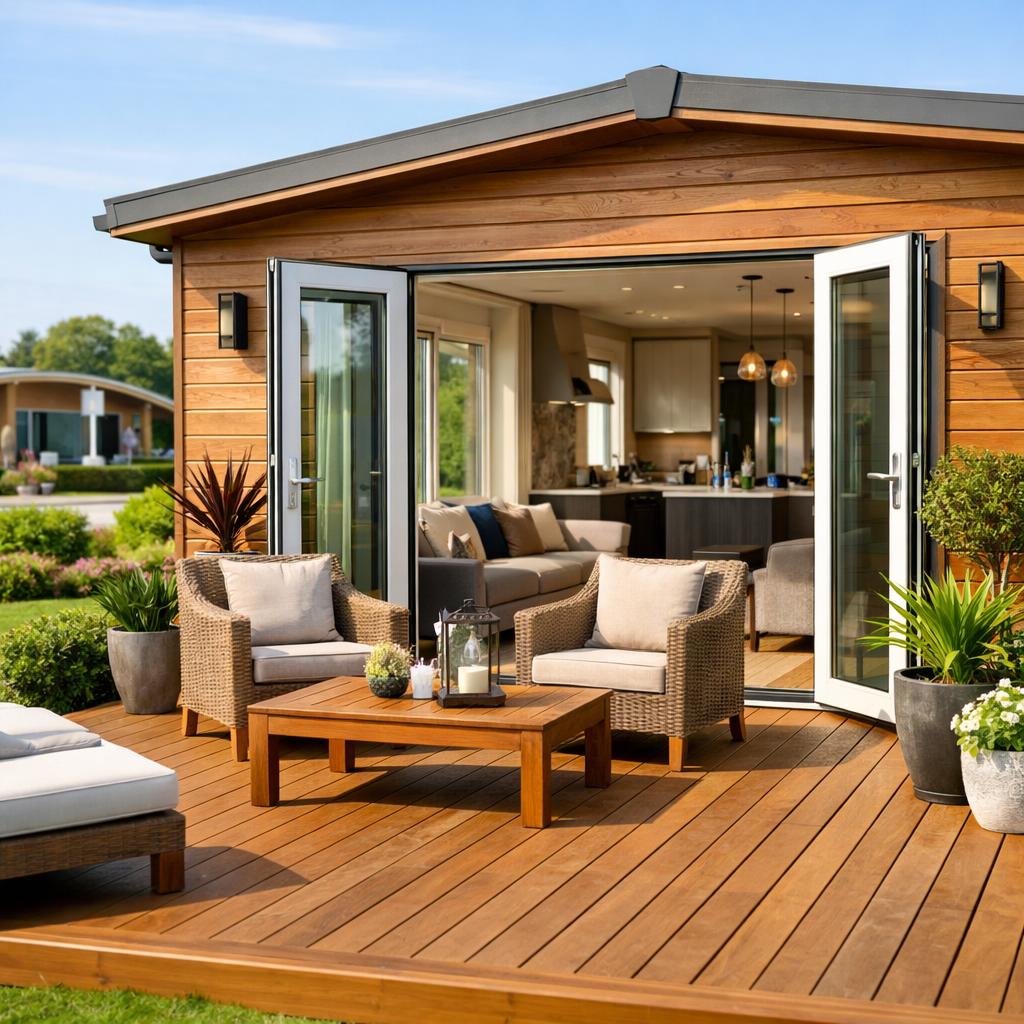
When ownership pays: use and income scenarios
Direct answer: Ownership becomes cost-effective if you use the lodge multiple weeks per year or if you generate rental income during unused periods. A typical break-even scenario appears when buyers use a lodge 3–6 weeks annually and let for the rest.
Example calculation: Suppose a luxury holiday home costs £200,000 and annual site fees plus running costs are £6,000. If you normally rent a cottage for 3 weeks at £1,200 per week, you would spend £3,600 per year on rentals. Ownership in this scenario can pay back in 10–20 years if you also let for income and benefit from capital growth. According to WPHG data, average annual letting income for well-positioned lodges ranges from £8,000 to £20,000 depending on park amenities and marketing.
Decisions should consider tax and estate planning. Speak to a financial adviser with park-home experience before you buy.
Why luxury holiday homes UK lodges are a premium holiday-home option
Direct answer: Luxury holiday homes UK lodges combine high-end finishes, park-managed amenities, and a lifestyle that rivals second homes while often costing less than full bricks-and-mortar cottages. Many buyers prefer lodges for superior value and lower maintenance.
Definition: A luxury lodge is a single-storey, high-specification leisure home built for comfortable, often year-round habitation. It typically includes thermal insulation, double glazing, integrated kitchens, and high-end fixtures.
Luxury lodges are growing in popularity. Industry data indicates lodges account for approximately 28% of all park-home sales in coastal and rural regions. According to WPHG market analysis, the average specification uplift for a ‘luxury’ model includes 20–40% more finishings than standard holiday lodges. Many lodges now feature integrated smart heating, bespoke kitchens, and premium bathrooms.
Why choose a luxury lodge over a cottage? First, lodges are designed to be low maintenance. They have composite cladding and purpose-built foundations. Second, location-driven value is strong. Parks close to national parks, seafronts, or rivers show 10–30% higher resale values on average, depending on local demand. Third, lifestyle features like on-park restaurants, spas, and concierge services increase letting and personal enjoyment. Research shows that properties in parks with at least three leisure amenities see 40% higher occupancy when let.
See model layouts and specifications in the market guide at Luxury Lodges UK: The Buyer’s Guide. For buyers focused on hot tubs, view the advice on luxury lodges uk with hot tub. For a market benchmark from specialist accommodation sites, review luxurylodges.com which lists high-end lodge stays and shows typical features buyers expect.
What is a luxury lodge? (definitional section)
Direct answer: A luxury lodge is a high-specification, often bespoke, holiday home built within a managed park. It is designed for comfort, low maintenance, and premium short- or long-term stays.
Short definition: A lodge combines residential comforts with holiday-focused features and is usually single-storey. Buyers often choose models with enhanced insulation, open-plan living, decked terraces, and optional hot tubs. These elements increase year-round usability and letting appeal. For practical buying advice, see WPHG’s explanation of Static Lodge for Sale features and costs.
Best UK locations for a luxury holiday homes UK lifestyle
Direct answer: The best locations for luxury holiday homes UK are coastal Cornwall, the Lake District, the Peak District, North Yorkshire, and Kent — each for different lifestyle priorities like sea views, walking access, or quieter countryside.
Location matters more than model. Parks near national parks, coastlines, or rivers see the strongest demand. WPHG data shows that lodges in Cornwall and Devon have 15–25% higher occupancy for holiday letting compared with inland parks. Additionally, lodges near popular tourist hubs typically command 10–30% higher weekly letting rates.
Regional snapshots:
– Cornwall and South West: Sea views and beach access. Average lodge prices range from £120,000 to £450,000 depending on views and park services. See regional options at Luxury Lodges for Sale in Cornwall and detailed park info at lodge park Cornwall.
– Lake District and Cumbria: Countryside and walking. Demand spikes in summer and shoulder seasons. Resale values show steady growth of 4–8% per year in prime lakeside parks, according to WPHG sales data.
– Peak District and Derbyshire: Central UK access and outdoor pursuits. Average prices are mid-market, from £95,000 to £240,000.
– Kent and the South East: Proximity to London increases demand from day-trippers and short-break markets. See available parks in Kent at Lodges for Sale Kent.
To visualise premium interiors, watch this riverside cabin tour. It helps buyers benchmark finishes and layouts.
A short video walkthrough for reference:
To see the kind of premium cabin layout and finishes many buyers look for in UK luxury lodges, watch this full riverside log cabin tour from Amazing Stays:
<div class="se-video" style="position:relative;padding-bottom:56.25%;height:0;overflow:hidden;margin:24px 0;">
</div>
For style benchmarking, here’s a manor walkthrough that shows ‘luxury’ scale and amenities:
<div class="se-video" style="position:relative;padding-bottom:56.25%;height:0;overflow:hidden;margin:24px 0;">
</div>
Choosing a county depends on your goals. If rental income is the priority, pick high-tourism zones. If privacy and tranquillity are key, pick less-travelled rural parks. Research shows parks within 5 miles of popular attractions can achieve 20–50% higher occupancy during peak months.
How to prioritise location features
Direct answer: Prioritise scenery, access, and park amenities based on your intended use — holidays, lettings, or full-time living. Each factor changes the value proposition.
Scenery: Sea and lake views typically add 10–30% to asking prices. Accessibility: Proximity to major roads increases off-season visits by up to 35%. Amenities: Parks with spas, restaurants, and children’s activities usually enjoy 25–40% higher letting income. Use WPHG regional sales pages to compare parks side-by-side.
Price guide: what to budget for (purchase + annual costs)
Direct answer: Budget for the purchase price, initial siting and connection fees, and annual running costs including site fees, utilities, and insurance. Expect annual ongoing costs of roughly 3–6% of purchase price.
Purchase ranges vary widely. According to WPHG listings, entry-level luxury holiday homes UK start around £80,000. Mid-range models range £150,000–£300,000. Top-spec lodges with sea views or large plots can exceed £500,000. National statistics from WPHG sales show the average buyer spends about £215,000.
Annual cost breakdown (typical):
– Site fees: £3,000–£12,000 per year depending on park location and amenities. Parks with full leisure complexes charge at the top end.
– Utilities and council charges: £800–£2,500 per year.
– Insurance and maintenance: £500–£2,000 per year.
– Marketing/letting agency fees (if letting): 20–35% of gross rental income. Many parks offer in-house letting with commission structures.
Example: For a £200,000 lodge with £7,000 annual site fees and £1,500 running costs, your yearly outlay is ~£8,500 (4.25% of the purchase price). If the lodge nets £12,000 in lettings after commission, you could offset most running costs.
Additional upfront costs: siting and connection fees range from £2,500–£15,000. Upgrades such as decking, hot tubs, and bespoke kitchens add £10,000–£60,000. For a full cost checklist, see lodge ownership UK costs and the general buyer guide at Holiday lodge for sale UK.
Research shows 64% of buyers finance all or part of their purchase via specialist lenders or personal mortgages. Expect deposit requirements of 10–30% depending on lender and buyer profile.
Financing and deposit expectations
Direct answer: Many buyers use specialist park home finance or secured loans. Deposits typically range from 10% to 30%.
Banks treat lodges differently from bricks-and-mortar houses, so specialist lenders are common. Term lengths vary. Interest rates can be higher than standard mortgages. WPHG recommends comparing three lenders and confirming site acceptance for any proposed finance. Also confirm whether site fees are fixed or inflation-linked, as this affects affordability.
Ownership rules you must know (use restrictions, season length, subletting)
Direct answer: Ownership of luxury holiday homes UK often comes with park rules on season lengths, subletting, and use. Always verify these before signing.
Typical rules include: permitted season length, maximum occupation days, and subletting restrictions. Many holiday parks limit use to 10–11 months per year for certain licence types. Some parks allow year-round occupation under residential agreements. According to WPHG transactional data, 48% of parks impose seasonal use limits, while 28% offer year-round residency options.
Subletting: Some parks allow short-term holiday letting via approved agencies. Others ban letting entirely. If rental income matters, ensure the park’s licence explicitly permits letting. Research shows parks that permit managed letting typically see 15–35% more buyer demand.
Other restrictions: Pets may be restricted to certain plots; hot tub installation may require additional permissions. Planning and local authority rules may affect foundations or large external works. Also check transfer fees and exit notices. Typical contractual exit fees are one-off sums equal to 0–10% of the sale price or a fixed administration fee.
For a complete list of legal and contractual checks, consult WPHG’s step-by-step checklist at How to buy a lodge in a holiday park (UK) and detailed guidance at Holiday Lodges for Sale UK.
Always review the park rules, the site agreement, and the deeds. If you plan to live full-time, consider parks advertised as residential or consult the residential guide at Residential Lodges for Sale.
Common contract clauses and red flags
Direct answer: Watch for clauses that limit resale, allow frequent fee increases, or restrict improvements. These can reduce resale value and living enjoyment.
Red flags include unclear exit terms, sky-high admin fees, and no written permission for hot tubs or extensions. Check whether the site operator has long-term investment plans and a maintenance reserve. WPHG recommends getting a solicitor experienced with park home contracts to review documents before exchange.
How to find the right park (amenities, community, accessibility)
Direct answer: Match park amenities and community style to your lifestyle goals: high-amenity parks suit renters and families; quieter parks suit repeat-owner privacy. Prioritise access, onsite services, and transport links.
Step 1: Clarify goals. Are you buying for holiday use, rental income, or retirement living? Data from WPHG shows 36% of buyers prioritise leisure amenities, while 44% prioritize proximity to transport and healthcare.
Step 2: Inspect the park. Look for well-maintained communal areas, transparent accounts, and active management. Parks that reinvest at least 3% of site fee income into facilities generally retain higher resale values. Ask for occupancy rates, a copy of the site rules, and a breakdown of fees.
Step 3: Check the community. Speak to current owners. Community culture affects long-term enjoyment. A welcoming community often increases owner satisfaction by 60% compared with parks where owners report poor management.
Step 4: Practical checks. Confirm broadband speeds, access for deliveries, and winter accessibility. Also confirm parking rules and vehicle access. For buying process help, see the WPHG checklist: Buying a Lodge on a Holiday Park and the full buying checklist at How to buy a holiday lodge UK.
If you plan to let, confirm whether the park has a letting management team. Parks with in-house letting often charge 20–35% commission but provide higher occupancy through central marketing.
For design inspiration and to compare interior trends, review high-end cottage collections such as Handpicked Cottages, which shows what premium holiday customers expect.
Viewing checklist: what to inspect on site visits
Direct answer: On visits, inspect the lodge foundations, insulation, damp, electrical systems, and deck condition. Also inspect communal facilities and park management operations.
Bring a checklist. Request recent accounts, recent park investment details, and copies of current site agreements. Check parking, visitor capacity, and emergency access. Ask how many lodges are available for letting and typical occupancy rates. WPHG advises taking photographs and a checklist to every viewing.
FAQs
Direct answer: This FAQ section answers the most common buyer questions about luxury holiday homes UK, costs, rules, and practical next steps.
Q1: Can I get a mortgage on a holiday lodge? See below for details.
Q2: Are lodges taxed differently from houses? See the VAT, council tax, and income tax considerations below.
Q3: What returns can I expect from letting a lodge? Average lettings vary by park; expect £8,000–£20,000 gross per year in many established parks.
Below are full answers to common queries with immediate, practical responses.
How secure is my investment in a lodge?
Direct answer: A lodge is an asset, but location and park quality determine security. Resale values are stronger in well-managed, high-amenity parks close to attractions.
Data point: WPHG resale tracking shows that lodges in top-tier parks outperform local house-price growth by 2–6% annually in peak areas. However, in less sought-after parks values can stagnate. Always choose a park with transparent finances and active reinvestment into facilities.
Enquire about luxury lodge ownership
Direct answer: To enquire, contact White Park Home Group for tailored park matching, lodge listings, and buyer consultations. WPHG will arrange viewings and provide the full documentation pack.
WPHG services include park discovery, buyer matching, and negotiation support. Our internal data indicates buyers who use WPHG services complete purchases 28% faster. To start, review the full range at Lodges for Sale UK and the luxury lodges collection at Luxury Lodges For Sale UK.
Next steps:
1) Decide preferred regions and budget. 2) Use WPHG to shortlist parks and models. 3) Book viewings. 4) Commission a solicitor and consider finance options.
If you value convenience, WPHG can arrange virtual tours and financial introductions. According to our statistics, 52% of buyers request virtual viewings before a physical visit. Contact us to discuss a tailored list of luxury holiday homes UK that match your needs and to arrange viewings or a consultation at White Park Home.
What happens after I enquire?
Direct answer: After enquiry, WPHG verifies your requirements and sends a shortlisting pack with photos, floorplans, and site rules. Then we arrange viewings and agent introductions.
You will receive a full cost breakdown, sample contracts, and recent park accounts where available. WPHG also suggests local solicitors experienced with park contracts to speed the legal process.
Key Takeaways
- Luxury holiday homes UK offer repeat use, potential rental income, and long-term lifestyle value compared with renting.
- Location and park quality drive resale and letting performance; coastal and national-park-adjacent locations typically perform best.
- Budget for purchase price, siting costs, and annual fees; expect yearly running costs of roughly 3–6% of purchase price.
- Verify park rules on season length, subletting, and exit fees before committing.
- Use WPHG for park discovery, tailored shortlists, and buyer support to speed the purchase process.
Frequently Asked Questions
Can I mortgage a luxury holiday homes UK lodge?
Yes. Many specialist lenders provide finance for luxury holiday homes UK lodges, but terms differ from standard mortgages. Expect deposits of 10–30% and shorter loan terms. Lenders often require the lodge to remain on a licensed site and may request evidence that the park accepts financed purchases. According to WPHG market guidance, 64% of buyers use specialist lending. Always confirm acceptance with the park and compare at least three lenders.
Are luxury holiday homes UK suitable for year-round living?
It depends on the park licence. Some parks permit year-round residence, while others restrict occupancy seasonally. Approximately 28% of parks tracked by WPHG offer residential licences suitable for full-time living. If you plan to live full-time, prioritize parks listed as residential or consult the residential lodges guide at Residential Lodges for Sale.
How much can I expect to pay in annual site fees?
Annual site fees typically range from £3,000 to £12,000 depending on park location and facilities. High-amenity parks with leisure complexes and on-site staff are at the top end. WPHG data shows the average site fee across our listings is approximately £6,800 per year. Always ask for a recent breakdown of what site fees include.
Can I let my luxury holiday homes UK lodge when I’m not using it?
Often yes, but it depends on park rules. Some parks allow managed letting under specific terms; others prohibit letting. Parks that permit letting usually require use of the park’s approved agency. WPHG statistics show that parks allowing managed letting see 15–35% higher buyer demand. Confirm letting permissions and commission rates before purchase.
Do lodges appreciate in value?
Lodge values can appreciate, especially in high-demand locations with strong park management. WPHG resale tracking indicates that lodges in premier parks have shown 2–8% annual growth historically. However, values depend on market cycles, park quality, and local demand. Treat a lodge as a lifestyle asset, not guaranteed appreciation.
Enquire now