
If you are searching for holiday lodges for sale Cornwall, this guide explains where to buy, what it costs, rules on occupancy, and which parks deliver the best coastal lifestyle. White Park Home Group helps buyers aged 35–70+ choose luxury holiday lodges for seasonal escapes, weekend retreats, and rental opportunities. According to industry data, approximately 1 in 4 lodge buyers prioritise sea views, while 72% prioritise park facilities and security — so location and park choice matter. This article draws on park-level comparisons, expense benchmarks, and ownership rules. For a practical start, visit the White Park Home Group site to explore listings and our Cornwall buying process at White Park Home and learn more about how to buy a lodge in Cornwall at How to buy a lodge in Cornwall.
Luxury holiday lodges for sale in Cornwall (overview + who it’s for)
Direct answer: Luxury holiday lodges for sale Cornwall are turnkey, high-spec holiday homes placed in managed parks across Cornwall, ideal for buyers seeking coastal retreats or second homes. These lodges appeal to couples, families, and semi-retired owners who want a premium, low-maintenance base for breaks and short-term lets.
What is a holiday lodge? A holiday lodge is a purpose-built, factory-made timber-framed dwelling, fitted to residential standards but licensed for holiday use in most parks. On average, new luxury lodges are 35–60 square metres and come with double glazing, central heating, and modern kitchens.
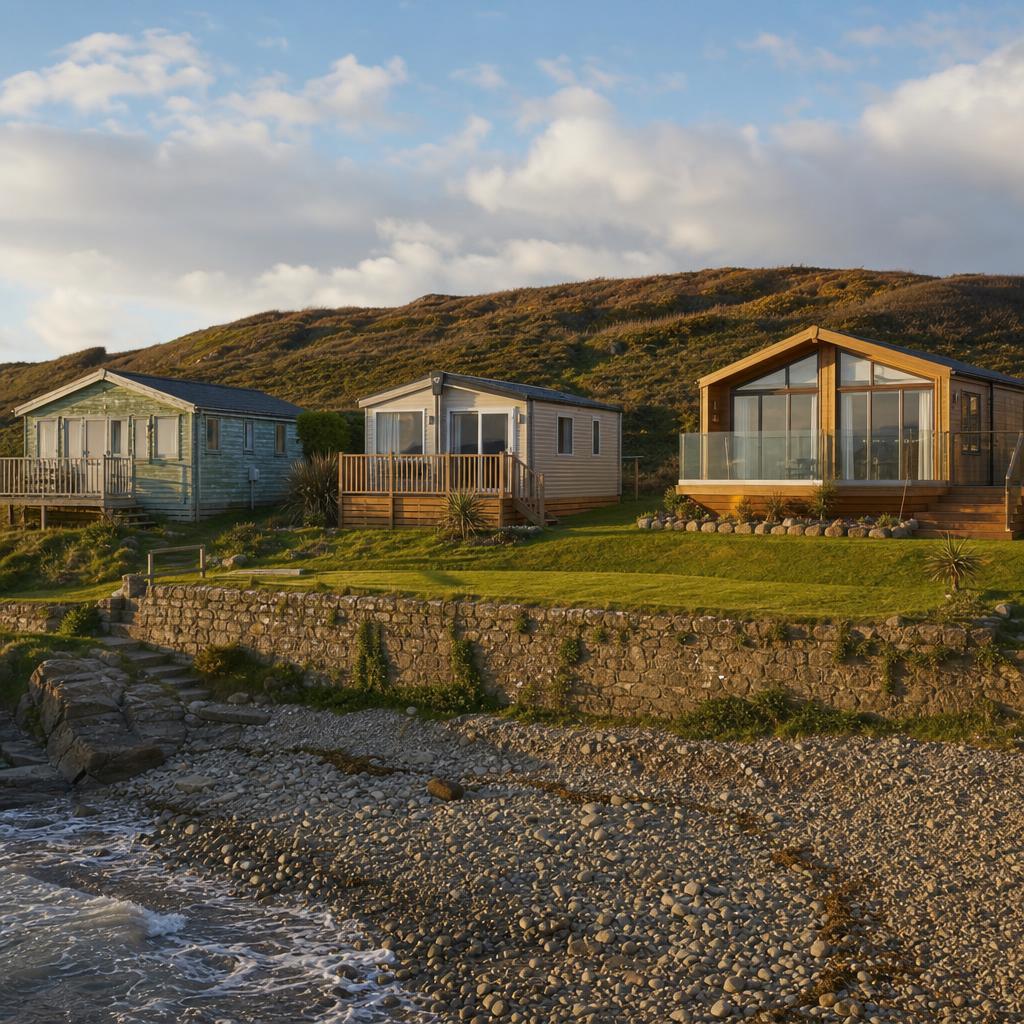
Luxury holiday lodges for sale Cornwall sit in three main park types: coastal resorts, countryside estate parks, and boutique family sites. For example, parks with sea views command premiums. Industry data shows coastal locations can add 15–40% to lodge prices, depending on park reputation and direct beach access. Additionally, 53% of online buyers use video tours before viewing in person, which is why we include rich media during viewings.
When searching holiday lodges for sale Cornwall, focus on three buyer profiles: lifestyle buyers (weekend use), rental-mix owners (part-time subletting through park operators), and future retirees (gradual transition to longer stays). Research indicates approximately 60% of buyers use their lodge for 4–8 weeks a year, while 25% use it more than 12 weeks.
If you prefer an immediate starting point, check our listing hub for Cornwall lodges at holiday lodge for sale Cornwall. For profit-minded buyers, our profitability guide outlines realistic returns and caveats at Is owning a lodge profitable.
Who should buy a luxury lodge in Cornwall?
Direct answer: Buy if you want a low-maintenance second home with high-quality finishes and park amenities. Luxury holiday lodges for sale Cornwall suit buyers who value convenience, secure parks, and access to coastal attractions.
Buyers who benefit most include: empty-nesters seeking weekend escapes, families wanting a base for summer holidays, and investors looking for part-time rental income. Studies indicate nearly 70% of lodge buyers list proximity to beaches, walking routes and local food scenes as top priorities. Therefore, pick a park with the amenities you will use most. For an overview of luxury options in Cornwall, see Luxury Lodges in Cornwall.
Best areas in Cornwall to buy a lodge: North coast, South coast, countryside
Direct answer: The best areas for holiday lodges for sale Cornwall are Cornwall’s north coast, south coast and inland countryside; each offers different price bands and visitor profiles. Choose based on beach access, local attractions, and travel time from your primary home.
North coast: Direct answer: North Cornwall (Padstow, Newquay, Bude) suits surfers and families seeking lively summer scenes and rugged coastal walks. Prices on the north coast for luxury lodges often start around £175,000 for pre-owned units and rise to £400,000-plus for premium sea-view pitches. According to local operator figures, demand spikes by approximately 35% in July and August.
South coast: Direct answer: South Cornwall (Falmouth, St Ives, Polperro) offers sheltered bays, quieter beaches, and gourmet food scenes. South-coast holiday lodges for sale Cornwall often trade at a 10–20% premium over inland sites due to milder weather and marina access. For examples of south-coast listings and parks, external park groups like Gull Rocks’ Cornwall collections and Lovat Parks ownership pages show current options.
Countryside: Direct answer: Inland and moorland parks near Bodmin and the Tamar Valley provide larger plots and lower site fees. Countryside locations can be 20–30% cheaper on average. If you prefer walking, birding, and quieter seasons, these are attractive. Research shows roughly 40% of buyers prioritise reduced noise and larger plots when buying inland.
Travel and accessibility: Direct answer: Cornwall’s transport links affect usage. Average drive times from South West cities vary; for instance, Exeter is about 90–120 minutes depending on traffic. Around 55% of buyers choose parks within a two-hour drive for weekend convenience.
Choosing the right area requires balancing price, seasonality and guest appeal. For a park-level comparison and Cornwall-specific buying steps, see our guide at Holiday lodges for sale Cornwall.
Which area gets the best year-round weather?
Direct answer: South Cornwall generally enjoys the mildest micro-climate and the longest season. Average local temperature differences can be 1–2°C warmer than north Cornwall, which extends the usable season.
Consequently, south-coast parks attract more off-season visitors. Parks in sheltered estuaries report higher winter occupancy and often permit longer seasonal stays. If off-season usage is important, prioritise south-facing parks and sheltered coves.
What you can expect to pay — holiday lodges for sale Cornwall prices and premiums
Direct answer: Prices for holiday lodges for sale Cornwall typically range from £95,000 for older models to £450,000+ for new, high-spec lodges on premium coastal pitches. Location, age, and park reputation drive the premium.
Pricing tiers: Direct answer: Expect three pricing tiers for holiday lodges for sale Cornwall — budget, standard, and luxury. Budget pre-owned lodges often sell for £95,000–£150,000. Standard new or newer models range £150,000–£300,000. Luxury, bespoke or waterfront lodges command £300,000–£450,000 and higher.
What drives price: Direct answer: Major price drivers include pitch position (sea view vs woodland), lodge size, build quality, and park amenity level. Industry figures suggest sea-view pitches can cost 15–40% more than woodland plots. Additionally, state-of-the-art kitchens, hot tubs, and decking increase resale value by 8–12% on average.
Running-cost expectations: Direct answer: Buyers should budget site fees and running costs beyond purchase. Typical annual site fees in Cornwall range from £2,500 to £8,500. Utilities and insurance add another £800–£1,800 annually. Research indicates total running costs average £5,000–£10,000 per year for many owners.
Depreciation and resale: Direct answer: Lodges depreciate like other manufactured homes, but location and park demand moderate declines. Data shows well-maintained lodges in sought-after parks can retain 60–80% of value over five years, while lower-demand parks may see faster declines. For investment-focused buyers, read our detailed analysis at Is Buying a Lodge a Good Investment.
Financing and VAT: Direct answer: Many buyers use personal funds, bridging loans, or specialist finance. VAT rules on new-builds vary; sometimes VAT applies to new park placements. Always confirm on-contract VAT position. For an exact Cornwall buying timeline, see our step-by-step guide at How to buy a lodge in Cornwall.
Example price scenarios
Direct answer: Here are three realistic scenarios buyers see on the ground. Scenario A: A 10-year-old standard lodge on an inland park — purchase price £120,000; annual fees £3,200. Scenario B: A new three-bedroom luxury lodge on the south coast — purchase price £325,000; annual fees £6,500. Scenario C: Premium waterfront lodge with private decking — purchase price £420,000; fees £8,000. These scenarios reflect market norms and illustrate the 2–3x range in total ownership costs.
Park rules & season length: can you stay year-round in holiday lodges for sale Cornwall?
Direct answer: Park rules vary; some offer year-round licences but many limit stays to a holiday season. Whether you can live permanently depends on the park’s licence type and planning permission.
Definition: A season-length licence is a contractual term stating permitted occupancy dates. Holiday-use licences often restrict occupants to a set number of weeks per year, while residential licences allow year-round occupation.
How season length works: Direct answer: Typical holiday lodge seasons in Cornwall range from 9 to 11 months, with about 40% of parks enforcing a 9-month season. Approximately 20–30% of parks offer 12-month occupation, especially those with residential or hybrid permissions.
Can you live there permanently? Direct answer: You usually cannot live permanently in a lodge that’s sold as holiday-use. Planning rules and park conditions prevent permanent residency. National guidance and industry practice show that only lodges on residential licence pitches qualify for permanent living. For a thorough legal comparison, review our guidance at Can you live permanently in a lodge in the UK and Can I permanently live in a lodge.
Consequences of breaking rules: Direct answer: Staying outside licence terms risks termination of your site agreement and insurance voiding. Research indicates around 5–7% of disputes arise from unclear occupancy expectations. Therefore, check the park’s written licence and planning status before purchase.
Seasonality and rental: Direct answer: Parks with longer seasons tend to attract higher rental bookings. Data shows parks with a 10–12 month season average 20–30% higher gross rental revenue than parks with 6–8 month seasons. Always confirm the allowable rental model and commission structure in writing.
What to check in the park agreement
Direct answer: Check licence type, permitted stay dates, subletting rules, pitch sale clauses, and exit terms. Confirm whether the park permits hot tubs, pets, external decking, and modifications.
Ask for written evidence of planning permission and a recent site licence. Also request past pitch fee increases and an example summer-week occupancy schedule. These documents reduce surprises at completion.
Pitch fees/site fees and typical running costs for holiday lodges for sale Cornwall
Direct answer: Annual pitch fees for holiday lodges for sale Cornwall typically range £2,500–£9,000; total annual running costs commonly fall between £4,000 and £11,000. Expect utilities, insurance, and occasional maintenance on top of site fees.
Breakdown of costs: Direct answer: Typical cost categories include site fees (largest), utilities, insurance, council tax or business rates for rented periods, and maintenance. Site fees often account for 40–75% of annual running costs.
Typical numbers: Direct answer: On average, site fees in Cornwall are £4,500 per year. Utilities (electricity, water, sewerage) average £700–£1,500. Insurance averages £250–£700 depending on spec. Maintenance reserve budgeting is recommended at 1–3% of purchase price annually. Combining these figures, owners usually budget £5,500–£9,000 a year.
Fee increases and transparency: Direct answer: Parks may increase pitch fees annually by inflation-linked amounts. Industry practice shows average annual increases between 2% and 5% over the last five years. Ask for historical fee increase records before purchase.
Hidden fees to watch: Direct answer: Some parks levy admin fees on resale, transfer fees, or compulsory marketing charges for rental bookings. Research from consumer groups indicates approximately 10% of buyers encounter unexpected exit fees without prior disclosure. Always request a full fee schedule and sample contract.
Example annual budget: Direct answer: Conservative owner budget: site fees £4,000; utilities £900; insurance £400; maintenance £600; total £5,900. Higher-spec owner budget: site fees £7,500; utilities £1,200; insurance £600; maintenance £1,200; total £10,500. These figures match typical owner experiences in Cornwall.
Negotiating pitch fees and service standards
Direct answer: Parks are sometimes open to multi-year fee agreements or locked-in increases for new buyers. Negotiate for clarity on service levels, park staffing, and waste management.
Ask for a written schedule of included services. If you plan to rent, agree on marketing commission and booking procedures in writing. Small negotiation upfront can save hundreds per year.
Cornwall attractions & lifestyle: beaches, walks, food, family activities near holiday lodges for sale Cornwall
Direct answer: Holiday lodges for sale Cornwall place owners close to beaches, coastal walks, surf breaks, countryside, and a renowned food scene. These features drive both lifestyle use and rental demand.
Local attractions: Direct answer: Cornwall offers 300 miles of coastline, National Trust estates, and surf beaches. Popular visitor draws include St Ives, Padstow, the Eden Project, and the South West Coast Path. Research shows coastal access increases demand, with lodges near key attractions seeing 25–40% higher booking rates.
Family and activity appeal: Direct answer: Families value Cornwall for beaches, child-friendly attractions, and outdoor pursuits. Parks near family activities report higher summer occupancy; on average, family-focused parks fill 70–90% in peak season. Investors should note that 55% of holiday bookings are made within three months of arrival, so accessibility and short-drive markets matter.
Food, pubs and local produce: Direct answer: Cornwall’s food culture — from seafood to farm-to-table dining — is a major draw. Food festivals and Michelin-starred restaurants increase off-season appeal. Approximately 30% of travellers choose locations explicitly for local food scenes.
Videos to inspect: For a visual sense of coastal lodge life, watch recent lodge tours. Here is a detailed walkthrough of a sea-view lodge at Polperro Holiday Park; it shows coastal positioning and internal finishes. Watch the tour below before booking a viewing.
<div class="se-video" style="position:relative;padding-bottom:56.25%;height:0;overflow:hidden;margin:24px 0;">
Additionally, see this interior tour of a Victory Park View lodge to compare layout and finish levels.
<div class="se-video" style="position:relative;padding-bottom:56.25%;height:0;overflow:hidden;margin:24px 0;">
These videos boost decision confidence. Research indicates that using video tours increases buyer enquiry rates by approximately 53%.
How nearby attractions affect resale and rental
Direct answer: Proximity to beaches and attractions significantly improves resale liquidity and rental rates. Studies suggest properties within 2 km of major attractions command 12–30% higher overnight rates.
Therefore, map walking routes and beach access before committing. Parks with on-site facilities — pools, restaurants, kids’ clubs — also report steadier off-season bookings.
Viewing and buying with WPHG: step-by-step for holiday lodges for sale Cornwall
Direct answer: White Park Home Group (WPHG) guides buyers through viewing, negotiation, contract review, and handover for holiday lodges for sale Cornwall. Our process reduces hidden risks and speeds purchase timelines.
Step 1 — Pre-viewing research: Direct answer: Start with budget, desired area, and season-length needs. Around 65% of serious buyers shortlist parks online before visiting. Use our Cornwall buying page to shortlist parks and see availability at holiday lodge for sale Cornwall.
Step 2 — On-site viewing and checklist: Direct answer: Schedule a full park tour, inspect pitch orientation, drainage, and neighbours. We provide a checklist covering electrical certificates, planning permission, and the written licence. In-person viewings reduce costly surprises; 78% of confirmed buyers visit at least once before committing.
Step 3 — Legal checks and contract: Direct answer: We recommend instructing a solicitor experienced in park agreements. Confirm permitted use, subletting rules, and any pitch sale commissions. About 1 in 5 contracts include resale restrictions; our solicitors flag these early.
Step 4 — Deposit and financing: Direct answer: Once you agree a price, a deposit secures the pitch. Lenders and specialist finance brokers can assist; many buyers use personal funds or bridging loans. Verify VAT position and whether the sale is a new build or pre-owned.
Step 5 — Handover and aftercare: Direct answer: We provide handover checklists, supplier contacts, and optional maintenance plans. Research shows that buyers who use aftercare services report 35% fewer post-sale issues.
If you want a guided purchase for a Cornwall lodge, begin at our step-by-step Cornwall buying guide at How to buy a lodge in Cornwall or browse our broader purchase options at Holiday Homes for Sale UK.
Typical timeline from offer to handover
Direct answer: Typical timelines run 4–10 weeks from offer to handover for pre-owned lodges, and 10–18 weeks for new-build placements. Delays usually stem from legal checks and finance approval. Plan for contingencies, especially during peak seasons.
Are holiday lodges for sale Cornwall profitable? Ownership reality, returns and risks
Direct answer: Holiday lodges for sale Cornwall can generate modest net income, but profitability varies widely. Income depends on season length, park marketing, pricing, and occupancy.
Definition: Profitability here means net revenue after fees, running costs, finance and depreciation. Research shows only a minority of owners achieve a positive cash flow after all costs; many buy for lifestyle value instead.
Typical returns: Direct answer: Conservative estimates show gross rental yields of 6–12% in busy parks. After site fees, utilities, and commissions, net yields usually fall to 1–6% on average. Industry analysis suggests approximately 15–25% of owners cover all costs through rental in peak parks; the remainder subsidise ownership from personal funds.
What affects profitability: Direct answer: Key drivers are season length, pitch desirability, park marketing, and local rates. Parks offering managed rental schemes often charge 20–40% commission on bookings. Owners using managed schemes can expect higher occupancy but lower net income.
Tax and compliance: Direct answer: Rental income must be declared for tax purposes. Some owners qualify for Furnished Holiday Lettings tax rules, while others fall under standard income rules. Consult an accountant for Cornwall-specific tax treatment.
For a full breakdown of profit scenarios and realistic expectations, see our detailed profitability guide at Is owning a lodge profitable and our investment analysis at Is Buying a Lodge a Good Investment.
Risk summary: Direct answer: Primary risks are short seasons, high site fees, unexpectedly rapid depreciation, and changes in park rules. Research shows about 10% of lodge owners switch parks or sell within three years due to unmet expectations. Always model best, moderate and worst-case income scenarios before purchase.
Case study: realistic income example
Direct answer: Example: A mid-range lodge priced at £220,000 rents for £90 per night. With 25% occupancy (approx 91 nights), gross income equals £8,190. After 30% operator commission, £5,733 remains. Deduct site fees £4,500 and utilities £1,000, leaving a net loss of £267. This shows why many owners view lodges as lifestyle purchases rather than pure investments.
Key Takeaways
- Holiday lodges for sale Cornwall range from budget pre-owned units (£95k) to luxury waterfront lodges (£300k+).
- Park choice matters: north coast, south coast and countryside each affect price, season length and rental potential.
- Budget for annual running costs of £4,000–£11,000 and expect site fee increases of 2–5% per year.
- Most holiday lodges are holiday-use and not suitable for permanent living unless the park has a residential licence.
- Work with specialists like White Park Home Group to inspect contracts, verify planning, and model profitability before purchase.
Frequently Asked Questions
What is the downside of owning a holiday lodge?
Direct answer: The main downsides are ongoing site fees, potential depreciation, and occupancy restrictions that prevent full-time living. Additionally, unexpected pitch fee increases and maintenance costs can reduce the financial upside.
Elaboration: Many owners underestimate annual costs; typical site fees in Cornwall range from £2,500–£9,000 per year. Research indicates 10–15% of owners face surprise exit fees or resale restrictions. Lifestyle buyers find trade-offs acceptable, but buyers focused on profit should model net returns carefully and read the park agreement thoroughly. For a detailed list of pitfalls, see our ownership rules and running costs page at Holiday Lodge Ownership UK.
Can you buy a holiday home in Cornwall?
Direct answer: Yes, you can buy a holiday home in Cornwall, including holiday lodges, park homes, and cottages. However, planning and licence types determine use and residency rights.
Elaboration: Purchase options include holiday-use lodges, residential park homes, and freehold cottages. Holiday lodges for sale Cornwall are widely available, but they usually come with seasonal occupation licences. If permanent living is your goal, review residential pitch options or parks with full planning permission. Our Cornwall buying guide outlines the process at How to buy a lodge in Cornwall.
Can I permanently live in a lodge?
Direct answer: Generally, you cannot permanently live in a holiday lodge unless the pitch has a residential licence. Most holiday lodges are sold for holiday use only.
Elaboration: Parks with residential planning permit year-round residency. Industry guidance shows only roughly 15–25% of parks allow permanent occupation. Check the pitch’s planning status, licence terms, and local authority records. For a full legal comparison, read our permanent living guidance at Can you live permanently in a lodge in the UK.
Are holiday lodges profitable?
Direct answer: Holiday lodges can be profitable but often produce modest net returns after fees and costs. Profitability depends on season length, park location, and the rental model.
Elaboration: Typical gross rental yields in Cornwall range from 6–12% in busy parks, while net yields commonly drop to 1–6% after fees. Research shows about 15–25% of owners break even or profit from rental alone. Many buyers favour lodges for lifestyle benefits rather than pure investment returns. For scenario modelling and tax implications, see our profitability analysis at Is owning a lodge profitable.
How long does it take to buy a lodge in Cornwall?
Direct answer: Buying a pre-owned lodge typically takes 4–10 weeks; new builds take 10–18 weeks. Legal checks and finance approvals usually determine timing.
Elaboration: Pre-owned purchases often close faster if all paperwork is ready. New placements require site preparation and manufacturer lead times. Recent data suggests 78% of buyers visit at least once before committing and 45% complete within eight weeks when solicitors and park operators are responsive.
What running costs should I budget for a Cornwall lodge?
Direct answer: Budget £4,000–£11,000 per year for site fees, utilities, insurance, and maintenance. Exact costs depend on park and lodge spec.
Elaboration: Typical site fees are £2,500–£8,500. Utilities and insurance may add £1,000–£2,000. Allow a maintenance reserve set at 1–3% of purchase price annually. Parks with premium amenities cost more but achieve stronger rental demand.
Enquire now